
How to Hire Software Engineers: A Founder’s Guide
For many founders, the challenge of how to hire software engineers is the single biggest bottleneck to growth. Finding a software engineer for your startup requires more than just checking a resume; it demands a strategy for identifying talent that can build production-ready systems from day one.
- Technical Hiring
- Startup Strategy
- Engineering Leadership
- Talent Evaluation
If you are a startup looking for developers, you are likely competing with established tech giants for the same pool of talent. Success depends on your ability to evaluate technical depth and cultural alignment quickly and accurately.
Defining Your Technical Needs Before You Search
Before you begin the search, you must define the specific role. Are you looking for a generalist who can build a startup team or a specialist to solve a specific infrastructure problem? Clarity at this stage prevents expensive hiring mistakes later.
- Identify the core technology stack (e.g., React, Node, AWS)
- Determine the level of seniority required for current challenges
- Define the balance between product thinking and pure engineering
- Establish a realistic budget and equity package
Individual Contributors vs. Managed Teams
Sometimes the best path isn't a single hire. You may find it more effective to hire a software development team to accelerate your roadmap without the overhead of individual management.

Defining your engineering requirements is the first step to a successful hire.
Where to Find Trusted Developers for Custom Projects
Knowing how to hire trusted developers for custom software projects starts with sourcing. High-quality engineers rarely browse public job boards; they are found through networks, specialized communities, and targeted outreach.
- 01
Leverage founder networks and investor portfolios
- 02
Engage in niche technical communities (GitHub, Stack Overflow)
- 03
Attend or sponsor local and virtual tech meetups
- 04
Utilize specialized technical recruiters with proven track records
Tip.
// Pro Tip
Sourcing Strategies for Remote and Global Talent
If local talent pools are dry, you must learn how to find developers for startup roles in global markets. This requires a shift in how you evaluate communication and time-zone compatibility.
The Technical Interview: Beyond the Whiteboard
Traditional whiteboard coding tests often fail to predict real-world performance. Instead, focus on practical evaluations that mirror the actual work the engineer will do at your company.
Use real-world take-home assignments
Conduct pair programming sessions
Ask for deep dives into previous projects
Evaluate system design and architecture thinking
Rely solely on abstract algorithm puzzles
Ignore soft skills and communication
Make the process longer than two weeks
Skip the reference checks
Evaluating Seniority and Leadership Potential
For early hires, you aren't just looking for a coder; you're looking for a future leader. Assess their ability to mentor others and their interest in the business goals behind the code.

Practical technical assessments provide better insights than abstract puzzles.
Building a Repeatable Hiring Pipeline
One-off hires won't sustain a growing company. You need a system that consistently attracts and filters talent without consuming all of your time as a founder.
01 / 04
phase 01 / 04
Application Review
phase 02 / 04
Initial Screen
phase 03 / 04
Technical Assessment
phase 04 / 04
Final Interview
Standardizing Your Evaluation Criteria
To avoid bias, use a consistent rubric for every candidate. This ensures that you are comparing apples to apples when making the final decision.
| Criteria | Weight | Evaluation Method |
|---|---|---|
| Code Quality | High | Technical Task |
| System Design | Medium | Architecture Interview |
| Communication | High | All Interactions |
| Product Sense | Medium | Case Study Discussion |
Common Pitfalls in Startup Hiring
Startups often make the mistake of hiring for the 'now' rather than the 'next.' While you need immediate help, hiring someone who cannot scale with the company creates technical debt.
Trade-off
4 pros · 4 cons
Pros
Hiring for problem-solving fundamentals
Prioritizing maintainable code
Maintaining high bars for early hires
Clear, outcome-based roles
Cons
Hiring only for specific tool knowledge
Ignoring lack of documentation habits
Compromising on quality for speed
Vague job descriptions
The Cost of a Bad Hire
A bad hire in a small team can set your product back months. It's not just the salary; it's the opportunity cost and the time spent fixing broken systems.
30% Salary
Avg. Cost of Bad Hire
3-6 Months
Time to Replace
20%+
Team Productivity Drop
Closing the Deal: Selling Your Vision
Top engineers have options. To win them over, you need to sell the impact they will have, the technical challenges they will solve, and the growth potential of the company.
Clearly articulate the technical roadmap
Offer competitive equity and benefits
Showcase your existing engineering culture
Provide a clear path for career progression
Onboarding for Long-Term Success
Hiring ends when the engineer is successfully shipping code. A structured onboarding process ensures they feel supported and understand the codebase from day one.
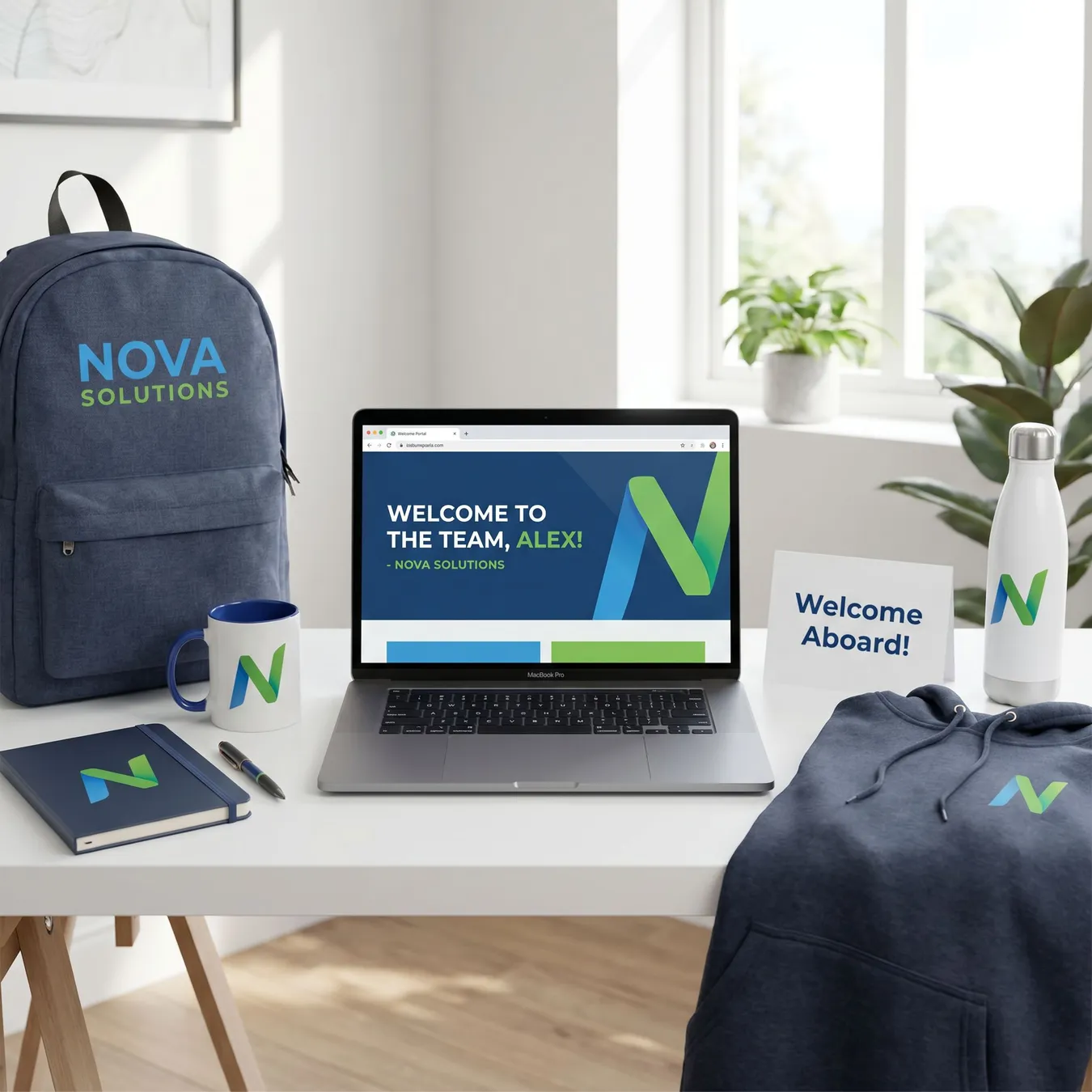
Onboarding starts before day one.
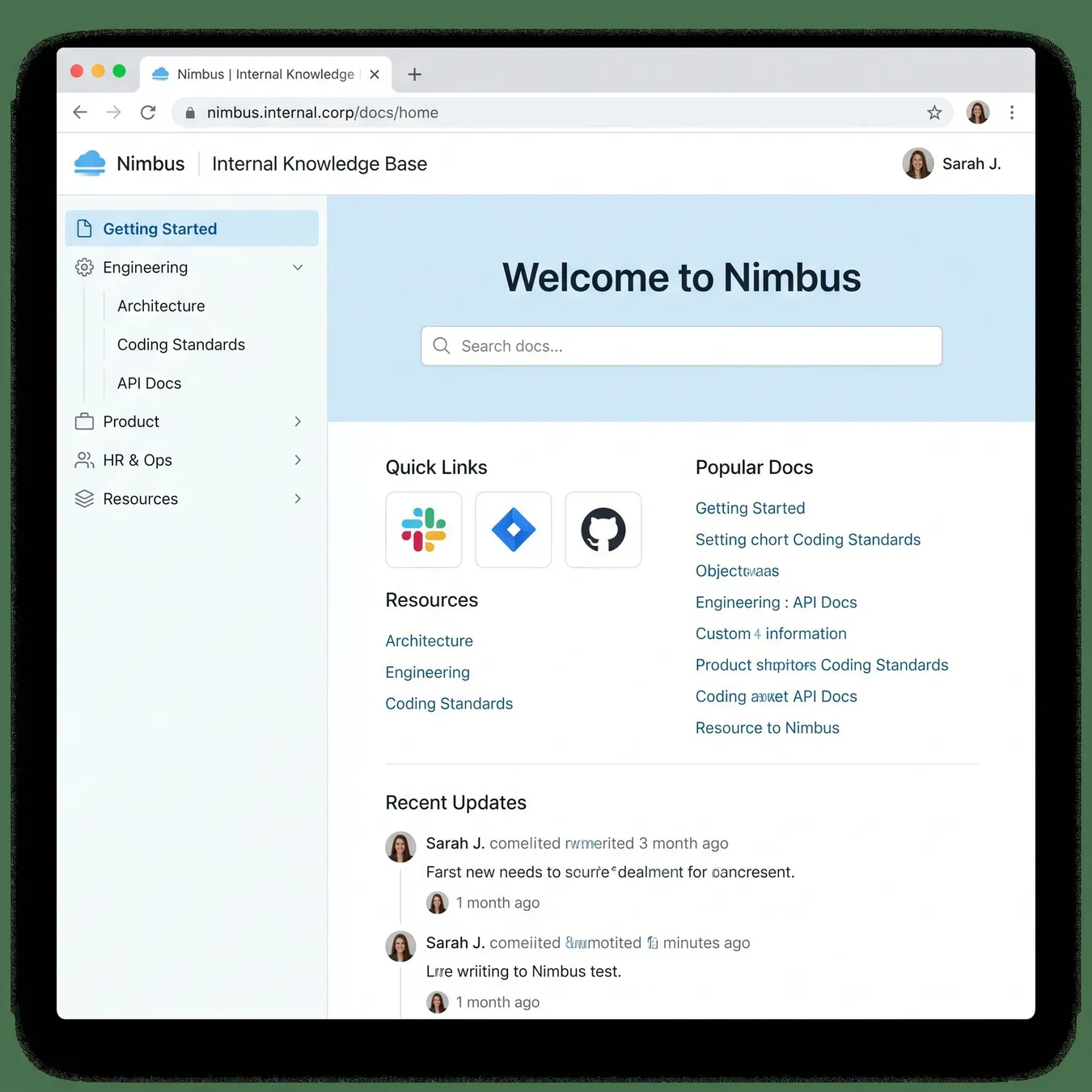
Documentation is key to engineering velocity.
Scaling Beyond the First Few Hires
As your team grows, the way you hire must evolve. You will eventually need dedicated leadership to manage the complexities of scaling software engineering teams effectively.
The first ten engineers you hire determine the success of your company. Don't just hire for skills; hire for the culture you want to build.
Alex Rivera · CTO & Founder
When to Bring in Technical Leadership
Non-technical founders often reach a point where they can no longer accurately judge technical depth. This is the moment to consider bringing in a partner who can build a startup team with professional rigor.
How Studio 402 Supports Your Engineering Growth
Hiring is slow, but your market window is closing. Studio 402 provides the senior engineering leverage you need to ship production-ready software while you build your long-term team.
Whether you need an MVP built from scratch or help rescuing a codebase that isn't scaling, we act as your strategic technical partner. We don't just write code; we build the foundations that your future hires will thrive in.
Trusted by venture-backed startups to build and scale production systems.
From MVP to Series B and beyond.
Our Approach to Technical Excellence
- Architecture designed for future scale
- Rigorous security and performance standards
- Seamless handoffs to your internal team
- Fractional CTO advisory for hiring and roadmap
Build Your Engineering Foundation Today
Ready to build software that scales? Let's discuss your product roadmap and how we can help you execute with confidence.
Frequently Asked Questions
Keep reading
More in Engineering Leadership & Scaling
Index