
Engineering Team Structures for Scale
Choosing the right engineering team structure is a critical decision for technical leaders. As a company moves from its first MVP to a scaling product, the way developers are organized directly impacts shipping velocity, system reliability, and long-term maintainability.
- CTO Strategy
- Scaling
- Org Design
- Engineering Leadership
Core Engineering Organizational Models
Most high-growth engineering organizations fall into one of three primary categories. Each model optimizes for different outcomes, such as deep technical expertise or rapid feature delivery.
| Model | Primary Focus | Best For |
|---|---|---|
| Functional Silos | Technical Excellence | Early-stage depth |
| Cross-Functional Pods | Product Velocity | Scaling Startups |
| Matrix Organization | Resource Efficiency | Large Enterprises |
The Functional Model: Deep Technical Specialization
In a functional structure, engineers are grouped by their discipline—Frontend, Backend, Mobile, or DevOps. This model fosters high standards of craftsmanship and mentorship within specific technical domains.
Trade-off
3 pros · 3 cons
Pros
Strong technical mentorship
Consistent code standards
Clear career paths for specialists
Cons
Frequent cross-team handoffs
Slower feature delivery
Lack of product ownership
Cross-Functional Pods: Optimizing for Velocity
Cross-functional pods (or squads) include all the roles necessary to ship a feature from end-to-end. A typical pod might include two backend engineers, one frontend engineer, a designer, and a product manager.
- Autonomy to make local decisions
- Reduced communication overhead
- Strong alignment with business goals
- Rapid iteration cycles
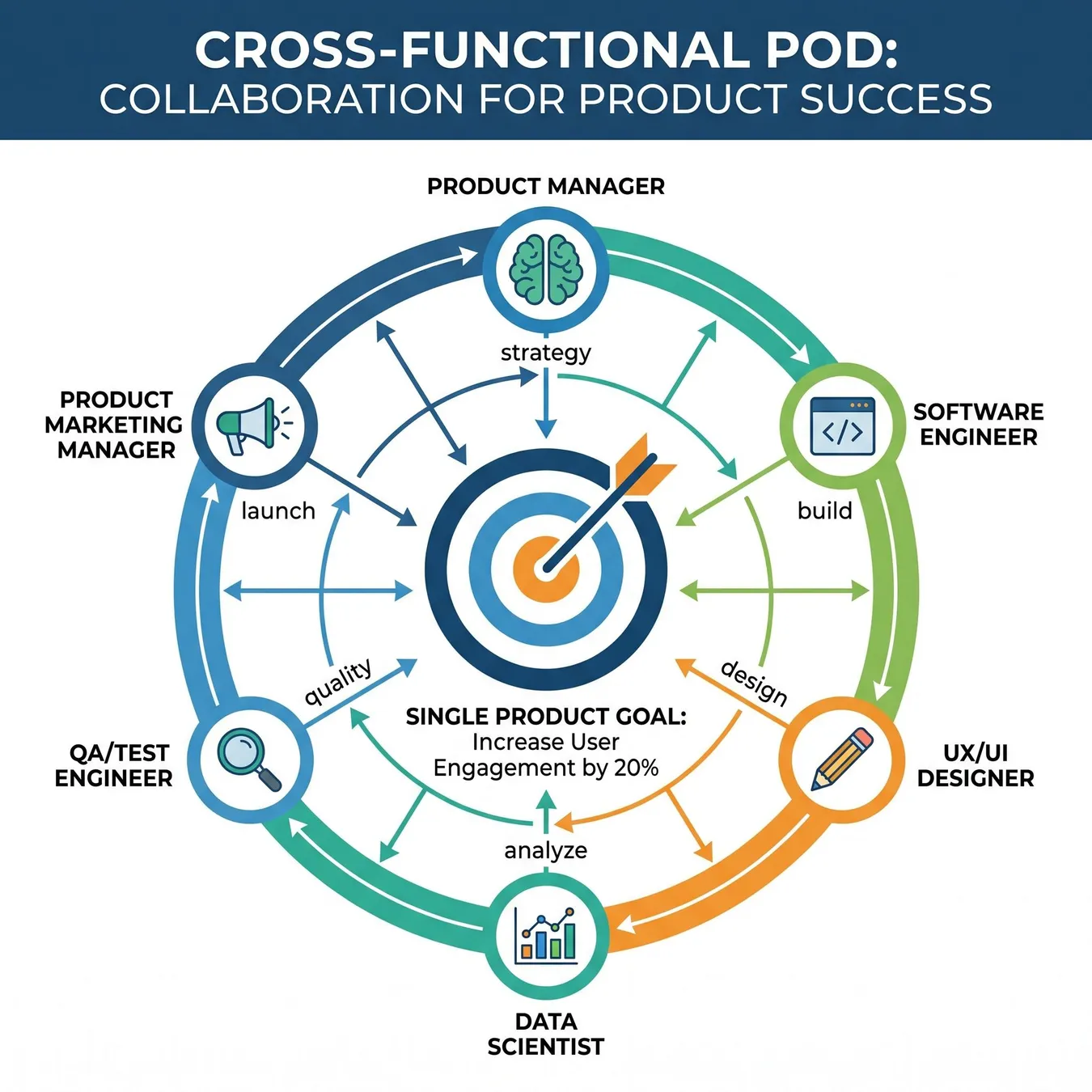
Cross-functional pods minimize handoffs and maximize ownership.
The Matrix Model: Balancing Depth and Speed
The matrix model attempts to combine the benefits of both functional and cross-functional structures. Engineers report to a functional manager for career growth but work daily within a product-focused pod.
Info.
// Leadership Note
When to Evolve Your Structure
As you scale, the structure that worked for five engineers will likely break at twenty. Effective managing technical teams requires recognizing these inflection points before they cause delivery stalls.
5-8
Typical Pod Size
25 Eng
Inflection Point
The Role of Platform Engineering
For teams scaling beyond 50 engineers, a dedicated platform or developer productivity engineering team becomes essential to maintain high velocity and reduce cognitive load on product pods.
Aligning Structure with Strategy
Your organizational design must follow your technical roadmap planning. If your roadmap prioritizes a complete infrastructure overhaul, a functional DevOps team may be more effective than distributed DevOps roles.
Common Pitfalls in Engineering Org Design
Optimize for low communication overhead
Give teams clear, measurable KPIs
Ensure every engineer has a technical mentor
Create 'teams of one' that lack support
Change structures more than once a year
Ignore the need for platform stability
Step-by-Step Transition Guide
01 / 04
phase 01 / 04
Audit Current Bottlenecks
phase 02 / 04
Define Team Missions
phase 03 / 04
Pilot a New Model
phase 04 / 04
Gather Feedback
Structuring for System Reliability
Scale isn't just about adding people; it's about ensuring the system remains stable as traffic grows. Your team structure should reflect the operational demands of your production environment.
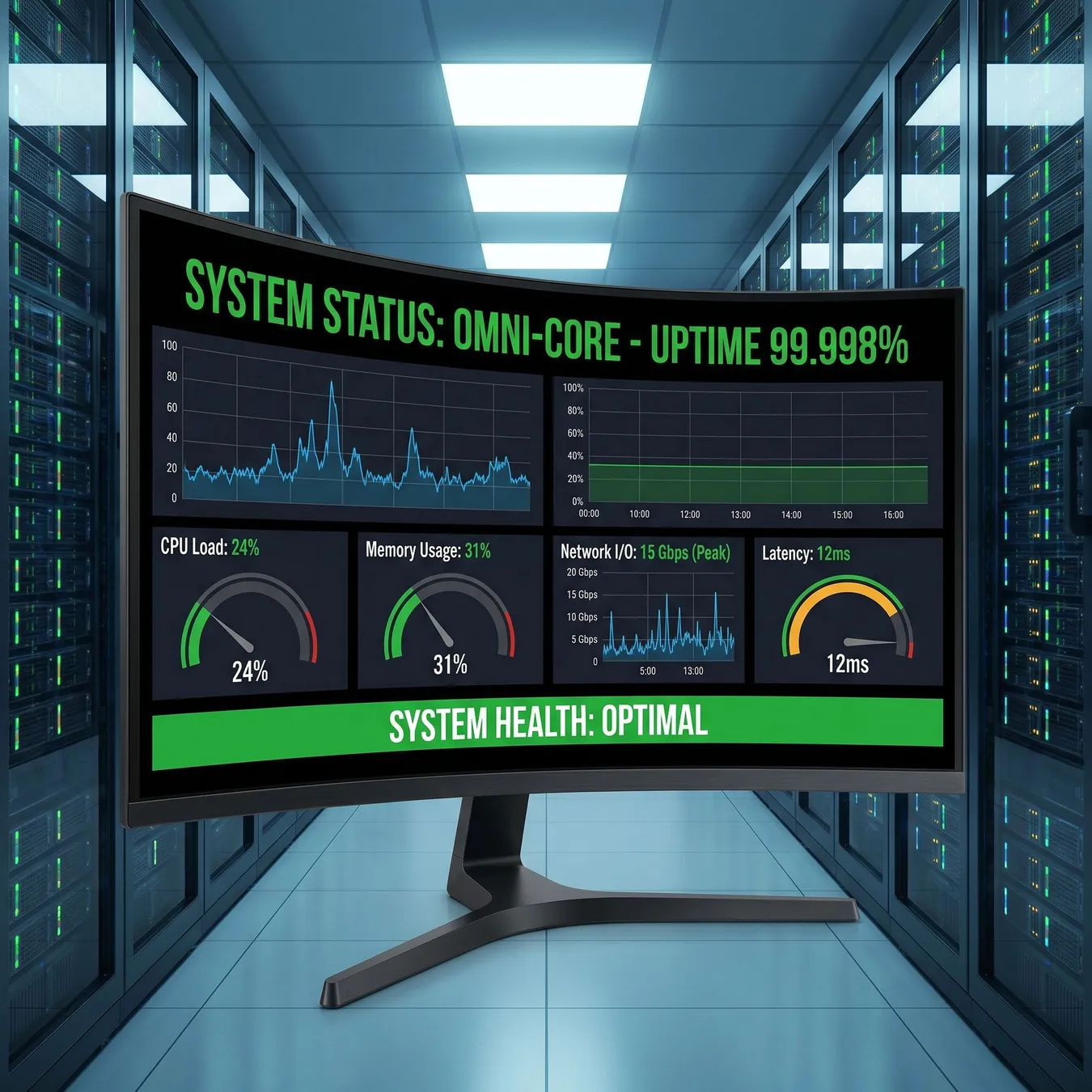
Reliability is a byproduct of clear ownership and proper team alignment.
The Impact of AI on Team Structure
Modern engineering teams are increasingly leveraging AI-native workflows. This shift often requires rethinking roles, as junior engineers gain more leverage and senior engineers focus more on architecture and review.
Frequently Asked Questions
Bridging Design to Execution
At Studio 402, we don't just consult on org charts; we help you build the systems that these teams use to ship. Whether you are restructuring for AI or scaling your first SaaS, we provide the engineering depth to make it work.
How Studio 402 Supports Engineering Leaders
We partner with CTOs and founders to audit existing codebases, refactor technical debt, and implement the infrastructure needed for high-velocity teams. We act as a senior extension of your leadership.
Architecture and stack audit
Infrastructure and DevOps hardening
AI integration and workflow design
Post-vibe-code rescue and stabilization
Production-Ready Outcomes
Don't let organizational friction stall your growth. A durable engineering foundation requires both the right people and the right systems. Studio 402 builds the software that survives real-world scale.
Studio 402 helped us move from a chaotic freelancer setup to a structured, production-grade environment in weeks.
SaaS Founder · Series A Startup
Next Steps for Your Engineering Org
If your current structure is creating bottlenecks or if you're preparing for a major scaling phase, let's talk about how to align your team and technology for the next level.
Optimize Your Engineering Team
Ready to scale your engineering organization with production-grade systems? Let's discuss your roadmap.
Explore Specialized Structures
Keep reading
More in Engineering Leadership & Scaling
Index
Related categories
Functional Specialization vs Product Focus
Deciding between these two is often a matter of company stage. Early startups need product focus to find market fit, while mature companies need functional specialization to manage complexity.
The Hybrid Approach
Many modern studios use a hybrid approach where core infrastructure is functional, but feature development is pod-based. This ensures both speed and system integrity.
Measuring Team Success
Regardless of structure, success should be measured by DORA metrics: deployment frequency, lead time for changes, change failure rate, and time to restore service.
Reducing Cognitive Load
A key goal of any team structure should be to reduce the amount of information an individual engineer needs to hold in their head to be productive.
Communication Patterns
Conway's Law suggests that organizations design systems that mirror their communication structures. If you want a modular system, you need a modular team.
Scaling Culture
Culture is what happens when the CTO isn't in the room. Your structure should empower engineers to make decisions that align with your core technical values.