
Structuring DevOps and Platform Engineering Teams for Scale
As engineering organizations grow, the traditional DevOps model often hits a ceiling. Scaling devops teams requires moving beyond simple automation to a structure that actively reduces developer cognitive load and improves system reliability.
50%
Reduction in cognitive load
4x
Increase in deployment frequency
22%
Lower change failure rate
The Evolution of the Platform Engineering Team
A modern platform engineering team acts as a product team for internal developers. Their goal is to build a 'Golden Path' that allows feature teams to ship code without needing to manage every detail of the underlying infrastructure.
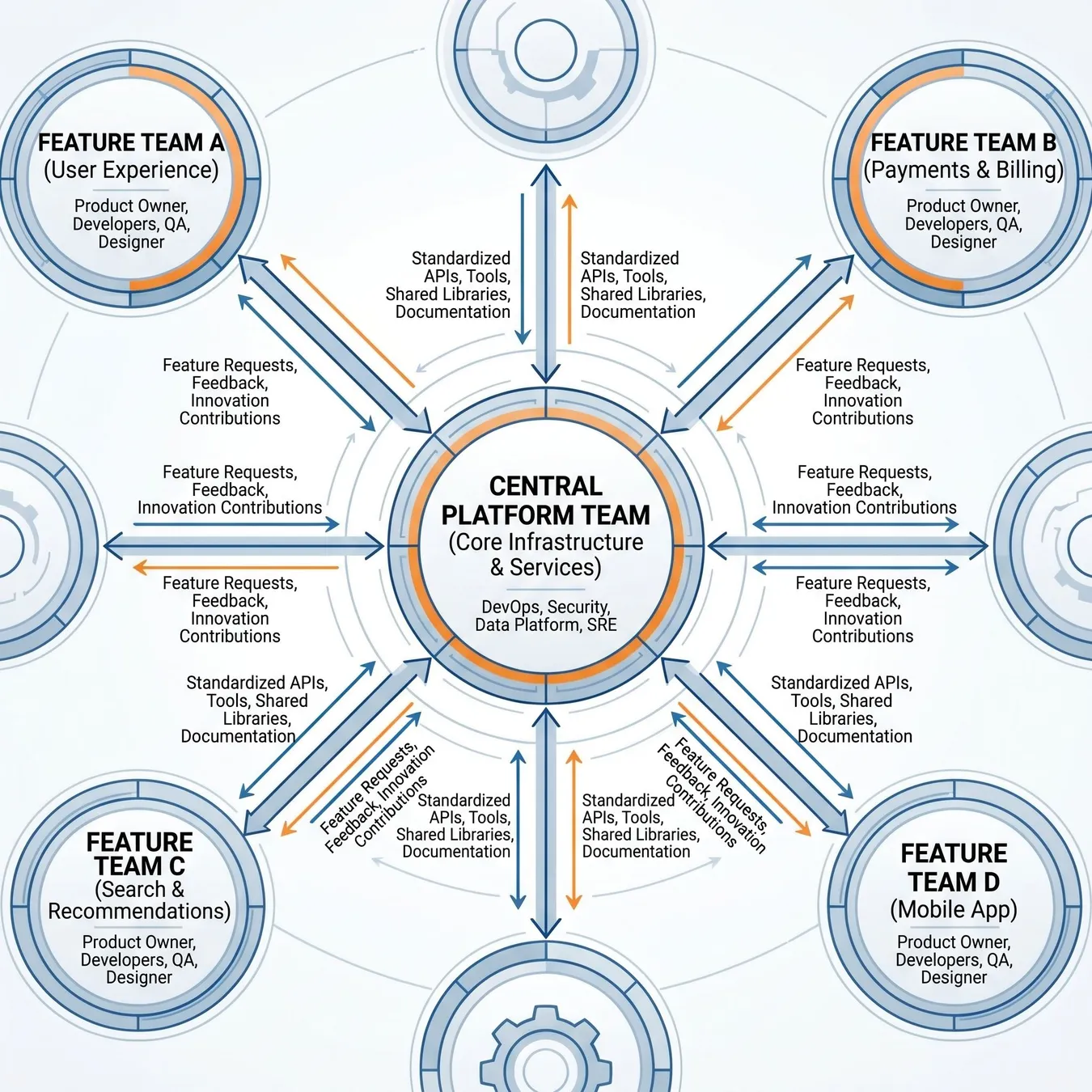
The modern platform engineering team structure focuses on enabling rather than gatekeeping.
Defining the Senior Platform Engineer Role
A senior platform engineer is not just a sysadmin with a new title. They are systems architects who treat infrastructure as a product, focusing on developer productivity engineering to eliminate friction in the software delivery lifecycle.
Blueprints for Platform Engineering Team Structure
Choosing the right structure depends on your organization's size and technical maturity. Most scaling companies land on one of three primary models for their platform engineering product teams.
| Model | Focus | Best For |
|---|---|---|
| Centralized Platform | Shared Services | Early Growth |
| Embedded DevOps | Team Autonomy | High Velocity |
| Product-as-a-Platform | Self-Service Tooling | Enterprise Scale |
Implementing Scaled Agile DevOps
In a scaled agile devops environment, the platform team provides the guardrails that allow decentralized teams to move fast. This requires a shift from manual handoffs to automated, policy-driven governance.
Info.
// Pro Tip
Reducing Cognitive Load for Feature Teams
The primary metric for a platform team's success is the reduction of cognitive load. When developers don't have to worry about Kubernetes manifests or IAM roles, they can focus entirely on business logic.
- Standardized CI/CD templates
- Self-service infrastructure provisioning
- Automated security scanning and compliance
- Centralized observability and logging
- Internal Developer Portals (IDP)
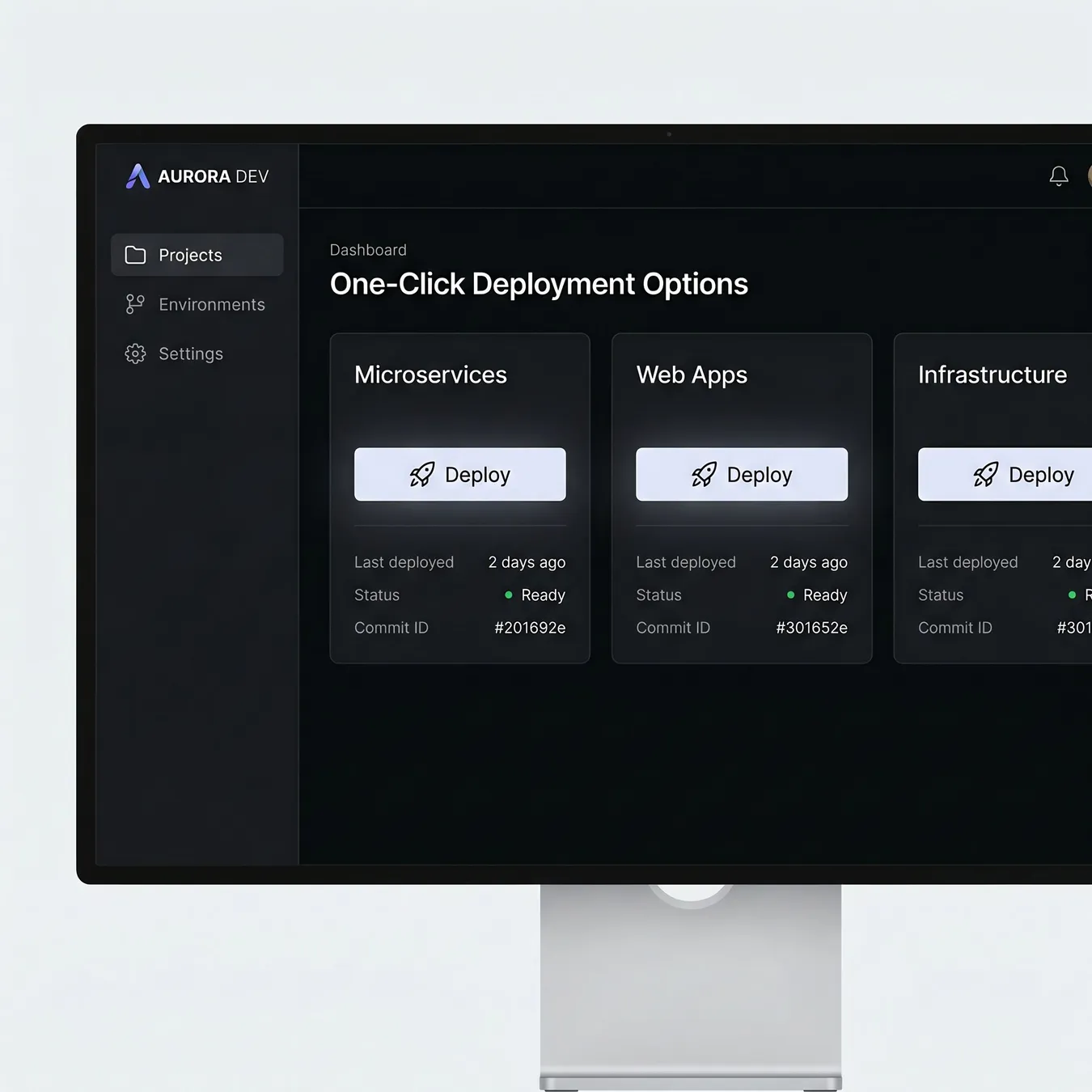
Internal portals are the primary interface for modern platform engineering.
Common Pitfalls in DevOps Scaling
Treat the platform as a product with a roadmap
Hire engineers with a product mindset
Measure success by developer satisfaction
Force every team to use the same tools
Build a platform without user feedback
Ignore the cultural shift required for DevOps
Transitioning to a Platform Model
01 / 04
phase 01 / 04
Audit
phase 02 / 04
Define
phase 03 / 04
Build
phase 04 / 04
Scale
Measuring Success in Platform Engineering
Success isn't just about uptime. It's about how quickly a new engineer can push their first line of code to production. Tracking DORA metrics is essential for any devops strategy.
How Studio 402 Scales Engineering Organizations
At Studio 402, we don't just build software; we build the systems that build software. We help growth-stage companies transition from fragile, manual operations to durable, automated platform foundations.
The best platform teams are invisible. They provide the air that feature teams breathe, allowing them to scale without ever feeling the weight of the infrastructure.
Engineering Lead · Studio 402
Platform Engineering FAQ
Ready to Scale Your Engineering Foundation?
If your team is struggling with slow releases, high cognitive load, or technical debt, it's time to rethink your organizational structure. Studio 402 provides the senior leadership and engineering depth to build production-ready platforms.
Optimize Your Engineering Team
Let's discuss how to structure your platform and DevOps teams for long-term reliability and speed.
Keep reading
More in Engineering Leadership & Scaling
Index