
A Strategic Framework for Scaling Software Engineering Teams
Scaling software engineering teams is a complex transition that requires more than just increasing headcount. It involves a fundamental shift in how software engineering teams communicate, make decisions, and deliver value to the business.
3x
Increase in coordination overhead as teams double
40%
Velocity drop without structured scaling frameworks
10-15
Ideal maximum size for a single high-velocity pod
Understanding the Need for a Scaling Framework
When you are first learning how to scale a team, the primary challenge is often the breakdown of informal communication. What worked for five developers in a single room will fail for fifty developers across three time zones.
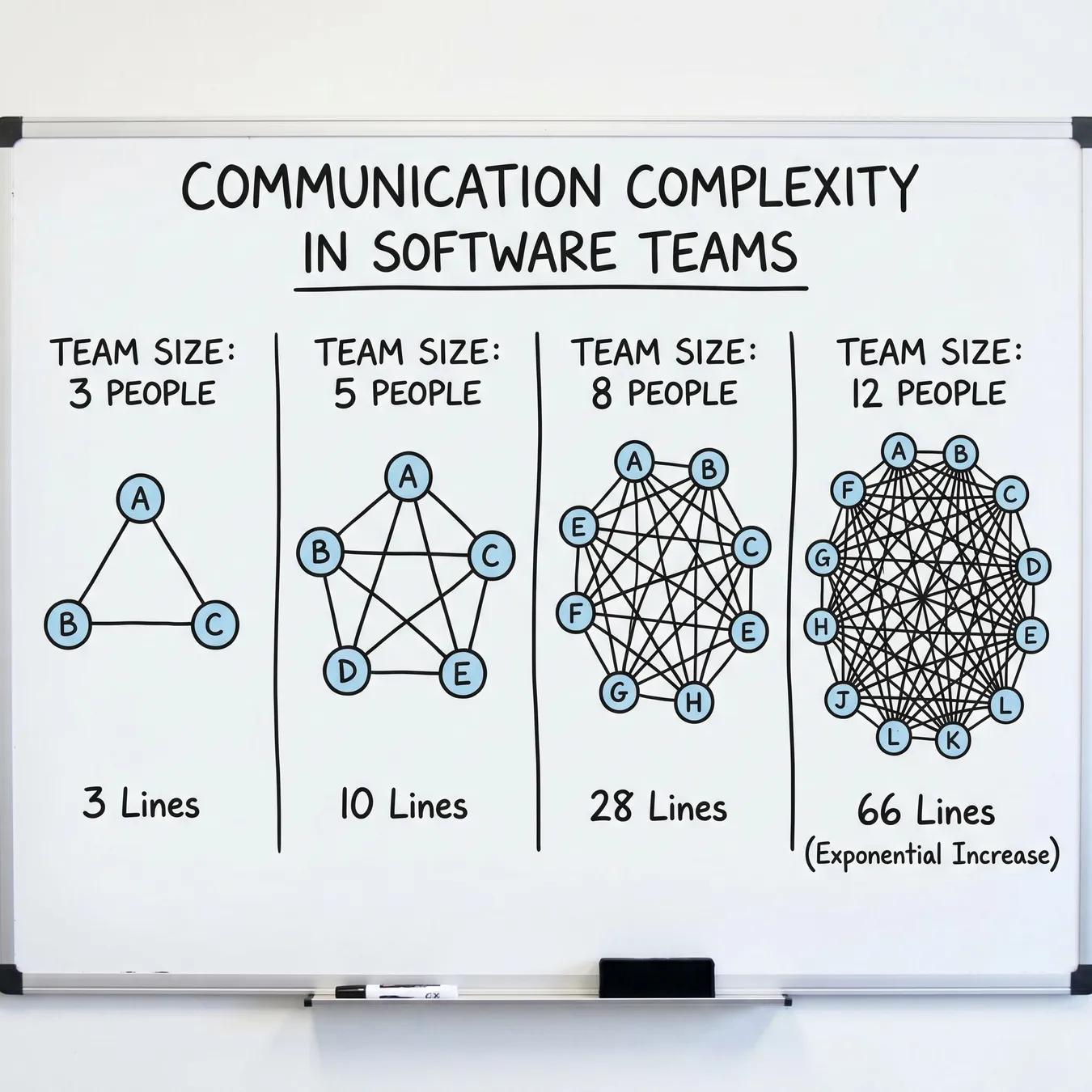
The complexity of communication grows non-linearly with team size.
Core Pillars of Scaling Software Engineering Teams
A successful framework for scaling software engineering teams must address three core pillars: organizational structure, process evolution, and technical architecture. Without alignment across these, growth creates friction.
- Organizational Design: Moving from functional silos to cross-functional pods.
- Process Maturity: Implementing scaling agile methods in software engineering.
- Technical Foundation: Ensuring scalability in software engineering through modular architecture.
- Cultural Guardrails: Maintaining high standards and autonomy.
Transitioning to Cross-Functional Pods
As teams grow, functional departments (Frontend, Backend, QA) often become bottlenecks. Modern scaling frameworks favor autonomous, cross-functional pods that own a specific product domain from end to end.
| Model | Ownership | Speed | Scaling Difficulty |
|---|---|---|---|
| Functional Silos | Task-based | Low (handoffs) | High |
| Cross-Functional Pods | Outcome-based | High | Low |
| Matrix Org | Shared | Medium | Medium |
Scaling Agile Methods in Software Engineering
Standard Scrum often breaks down at scale. Scaling agile methods in software engineering requires frameworks like LeSS or SAFe, though many high-growth startups prefer a lighter 'Squad' model to maintain agility.
Tip.
// Scaling Tip
The Role of Platform Engineering
To maintain velocity, scaling organizations must invest in scaled agile devops. This involves creating a platform team that builds internal tools to reduce the cognitive load on feature developers.
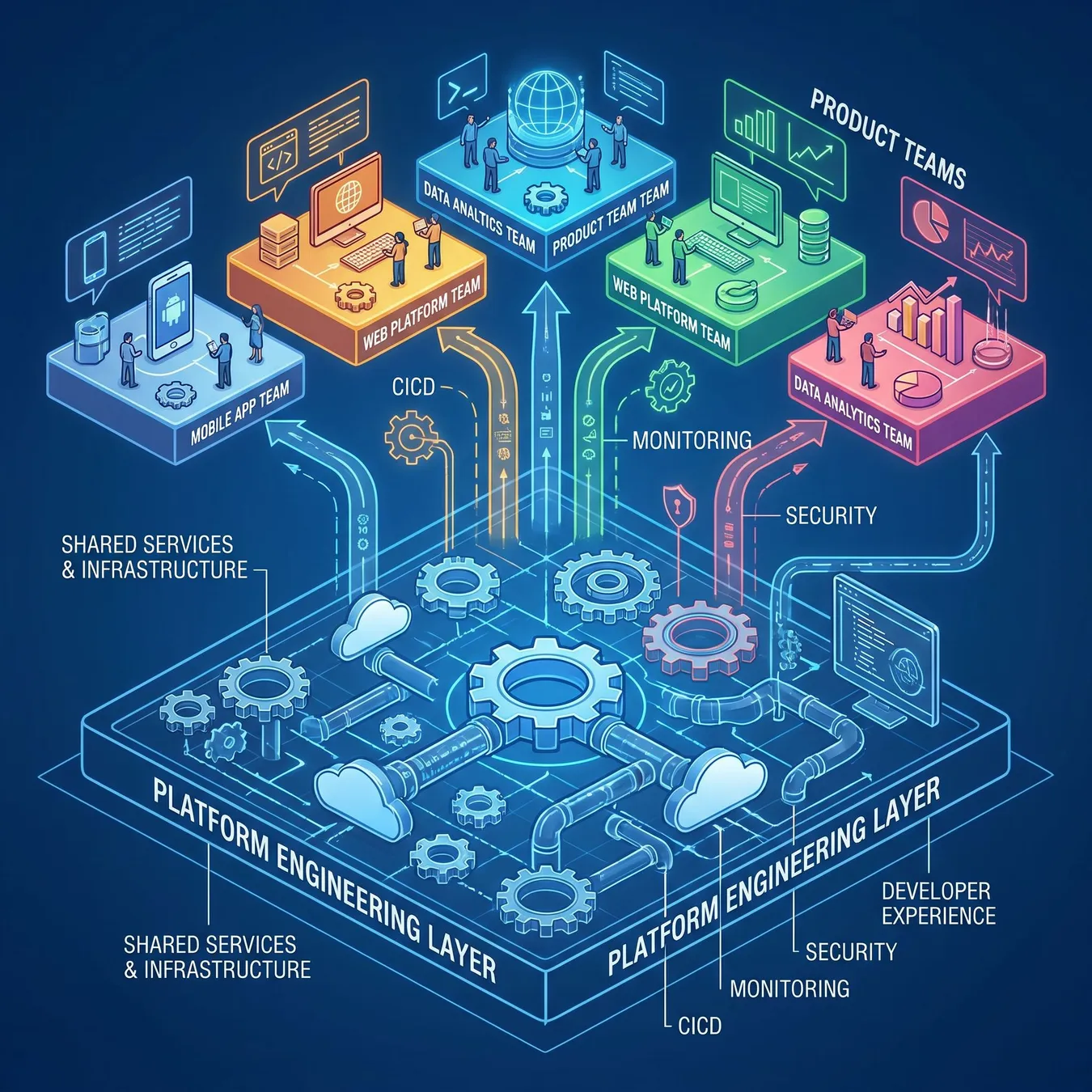
Platform teams provide the infrastructure that allows product teams to ship faster.
Maintaining Release Velocity
Scaling often leads to 'release gridlock' where teams wait on each other to deploy. Implementing scaled agile release management ensures that teams can deploy independently without breaking the monolith.
Technical Debt and Scaling
Rapid growth often leaves a trail of technical debt. A strategic framework must include dedicated capacity for refactoring to ensure that scalability in software engineering is not compromised by short-term feature pressure.
Define clear domain boundaries for every team.
Invest in automated testing and CI/CD early.
Hire for cultural fit and technical excellence.
Standardize on a core set of technologies.
Don't scale the team before the product is validated.
Don't allow teams to choose any language they want.
Don't ignore the need for technical leadership roles.
Don't use headcount as a primary success metric.
Optimizing Developer Experience
Frictionless development is the key to high-velocity growth. By focusing on developer productivity engineering, leaders can identify and remove the bottlenecks that frustrate engineers and slow down shipping.
The Timeline of a Scaling Journey
01 / 03
phase 01 / 03
The Pod Phase (10-20 Engineers)
phase 02 / 03
The Platform Phase (20-50 Engineers)
phase 03 / 03
The Organization Phase (50+ Engineers)
Common Scaling Pitfalls to Avoid
Many leaders fall into the trap of 'The Mythical Man-Month,' assuming that adding more people will automatically result in more output. In reality, without a framework, more people often lead to more confusion.

Collaboration is the heart of a scaling team.
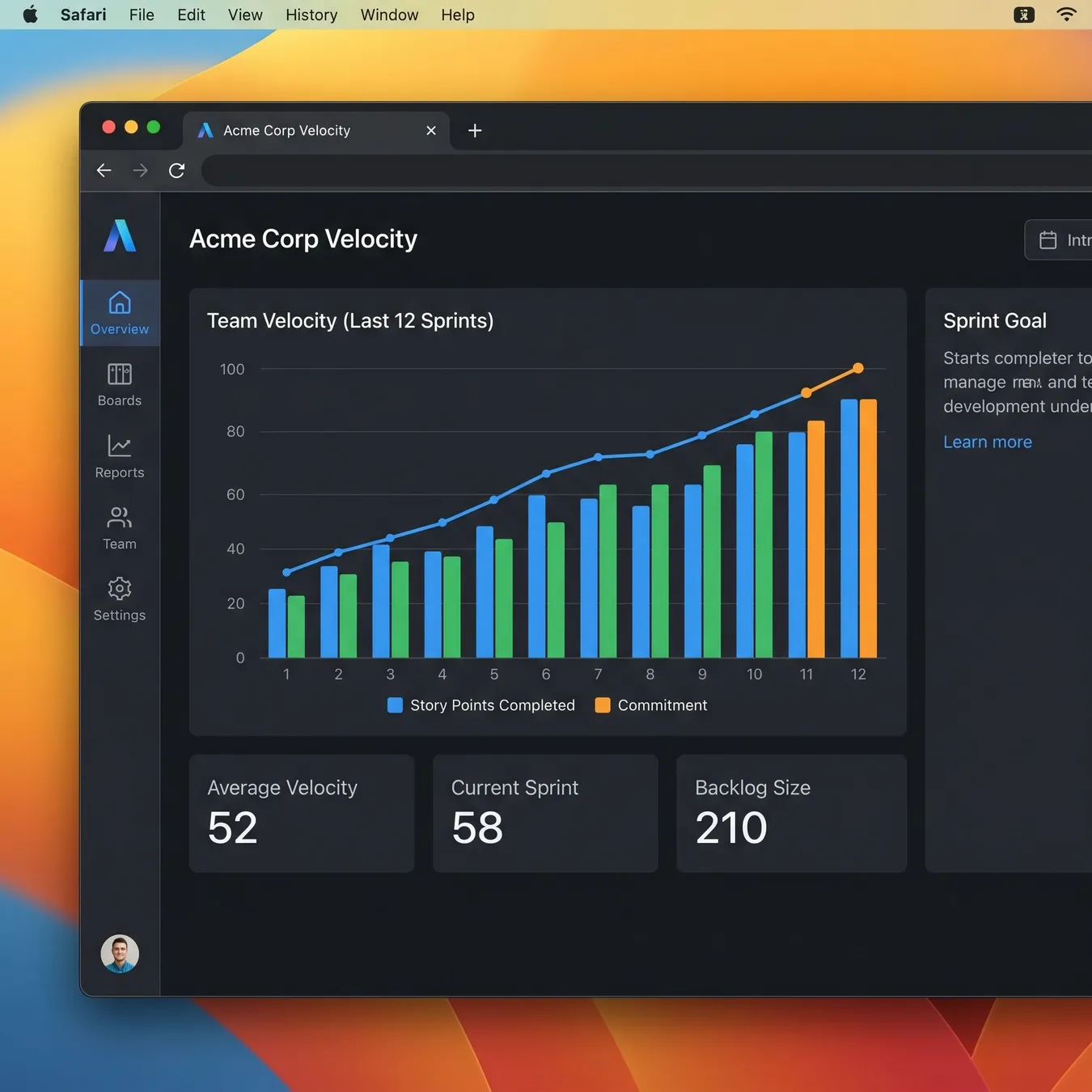
Metrics provide the visibility needed for growth.
Hiring and Onboarding for Scale
Your scaling framework is only as good as the people you bring into it. Standardizing the interview process and creating a robust onboarding program are essential for maintaining quality as you grow.
Documented architecture and coding standards
Automated environment setup for new hires
Clear career ladders and growth paths
Mentorship program for junior and mid-level talent
Measuring Success in a Scaled Environment
You cannot manage what you cannot measure. Scaled organizations rely on DORA metrics (Deployment Frequency, Lead Time for Changes, MTTR, and Change Failure Rate) to track engineering health.
Frequently Asked Questions
Bridging Strategy to Execution
Implementing a scaling framework is a significant undertaking that often requires outside perspective. At Studio 402, we partner with engineering leaders to audit their current processes and build the infrastructure needed for the next stage of growth.
Whether you are dealing with a prototype that has hit its limits or a team that has outgrown its current structure, we provide the senior technical advisory and hands-on engineering needed to stabilize and scale.

Studio 402 helps you navigate the transition from startup to scale-up.
How Studio 402 Supports Engineering Leaders
- Fractional CTO and Engineering Leadership advisory.
- Architecture audits and technical debt remediation.
- Infrastructure and DevOps platform engineering.
- Custom software development for internal operational systems.
Scaling isn't just about adding more seats; it's about building a system that allows every new engineer to be as productive as the first.
Studio 402 Engineering Team · Product Engineering Studio
Ready to Scale Your Engineering Org?
Need help scaling your engineering team or fixing a product that has hit its limits? Let's talk about building a durable foundation for your growth.
Explore More Resources
Keep reading
More in Engineering Leadership & Scaling
Index
Related categories
Trusted by venture-backed startups and mid-market operators to ship production-ready software.
Studio 402: Built for real-world scale.
Partner with Experts
If you are looking for a software engineering consulting company to help navigate these challenges, we are here to help.
- Engineering Leadership
- Scaling
- Agile
- DevOps
- Architecture
Final Thoughts on Scaling
Scaling is a continuous process of evolution. By applying a strategic framework, you ensure that your team remains high-velocity and your product remains stable, no matter how fast you grow.
The transition from a small group to a large organization is difficult, but with the right leadership and technical foundations, it is the path to building a truly impactful company.

Growth requires a strong structural foundation.
The Future of Your Team
As you move forward, keep the focus on the developer experience and the value delivered to the customer. Everything else is just supporting infrastructure.