
Managing Tech Debt in Long-Term Architectural Planning
Managing tech debt in long-term architectural planning is not about eliminating shortcuts entirely, but about making them visible and deliberate. Engineering leaders must treat technical debt as a financial instrument—useful for speed today, but requiring a clear repayment schedule to avoid architectural bankruptcy.
33%
Engineering time lost to debt
42%
Velocity drop in unmanaged systems
15-20%
Recommended maintenance budget
Defining the Scope of Architectural Debt
Architectural debt differs from code-level debt because it impacts the fundamental structure of your system. While a messy function can be refactored in an afternoon, a poorly chosen data model or a brittle integration layer can take months to untangle.
- Data schema rigidity preventing feature expansion
- Tight coupling between unrelated business domains
- Infrastructure bottlenecks that limit horizontal scaling
- Outdated third-party dependencies with security risks
The Cost of Ignoring Structural Decay
When managing technical debt, leaders often focus on the immediate bugs. However, the real cost is the 'interest' paid in the form of decreased shipping speed. Without a framework for quantifying technical debt, teams eventually hit a wall where 80% of their time is spent on maintenance rather than innovation.
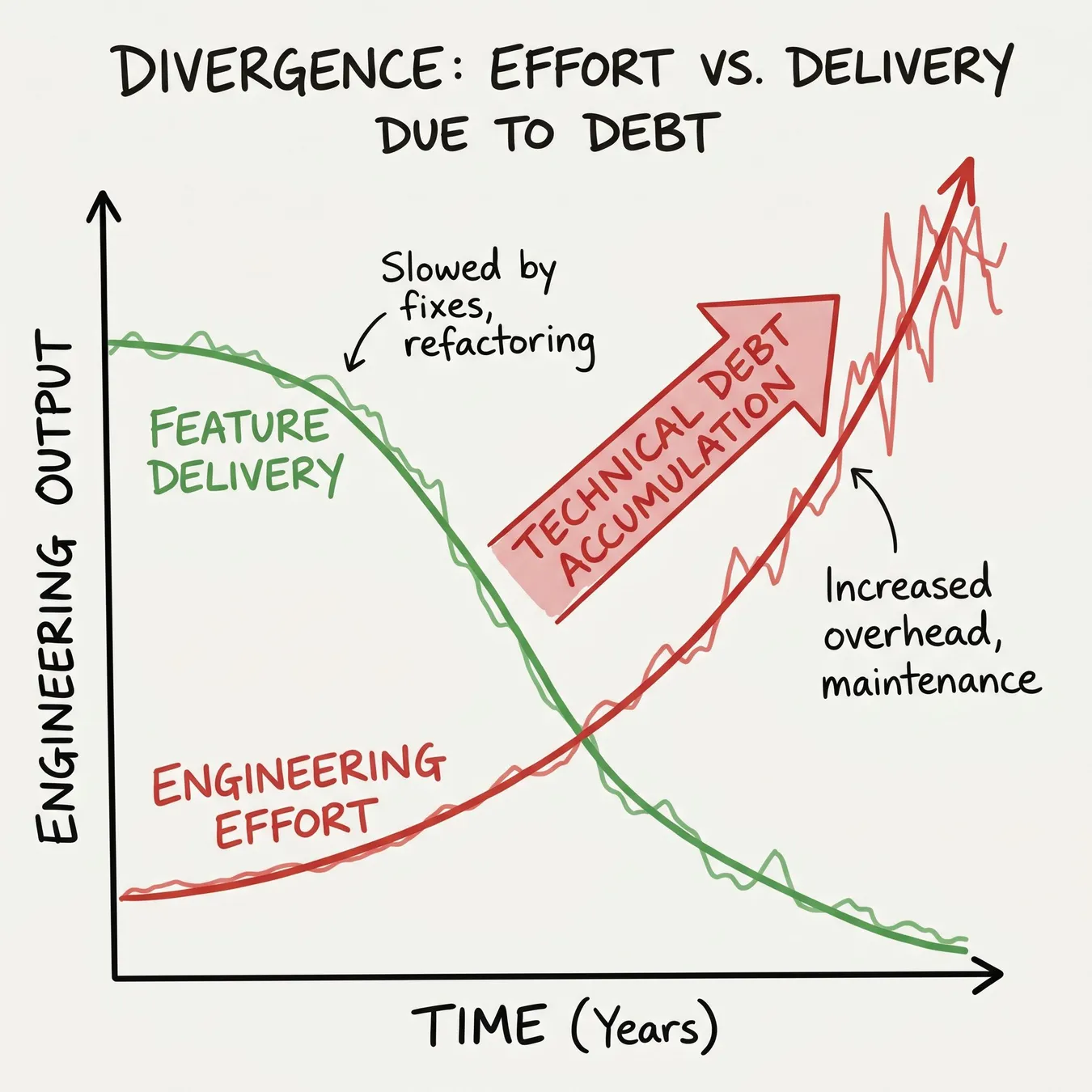
The widening gap between effort and output in high-debt environments.
Integrating Debt Management into Your Roadmap
Effective planning requires that debt reduction is not a 'one-off' project but a recurring line item. This ensures that managing technical debt becomes a core part of the engineering culture rather than a desperate reaction to a system failure.
- 01
Audit existing systems to identify high-friction areas.
- 02
Categorize debt into 'intentional' and 'accidental' buckets.
- 03
Allocate a fixed percentage of every sprint to refactoring.
- 04
Review architectural decisions quarterly against growth targets.
Balancing Speed and Durability
Trade-off
3 pros · 3 cons
Pros
Faster time-to-market for MVPs
Immediate validation of product hypotheses
Lower initial engineering cost
Cons
Exponentially harder to add features later
Increased risk of production outages
Difficulty in hiring/retaining talent on messy code
Infrastructure as a Source of Debt
Software architecture is only as stable as the environment it runs on. Neglecting infrastructure technical debt—such as manual deployment steps or lack of observability—will eventually bottleneck even the cleanest codebases.
Info.
// The 20% Rule
Strategies for Sustainable Refactoring
Large-scale rewrites are rarely successful. Instead, employ technical debt reduction strategies that allow for incremental improvement, such as the Strangler Fig pattern or Branch by Abstraction.
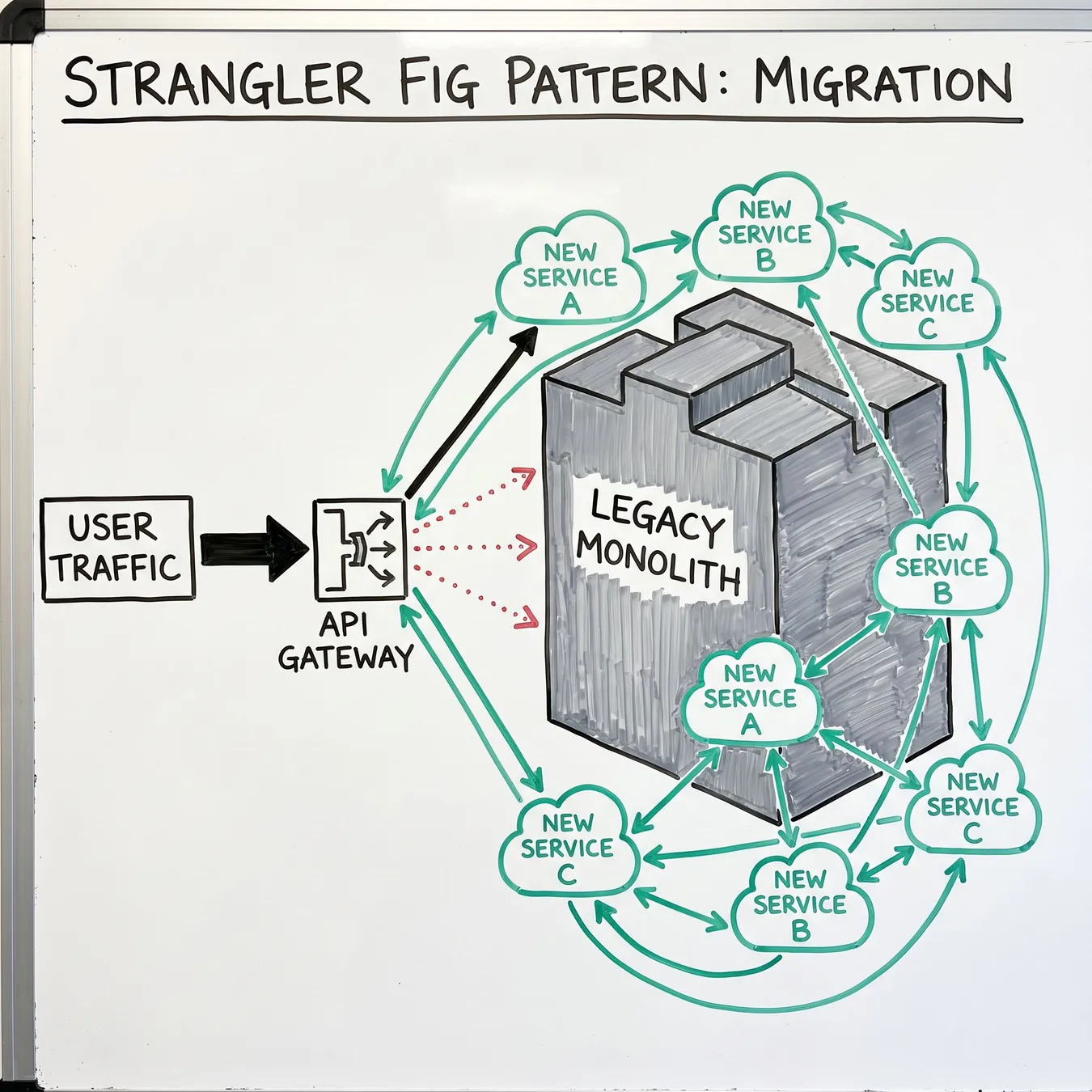
Incremental service extraction.
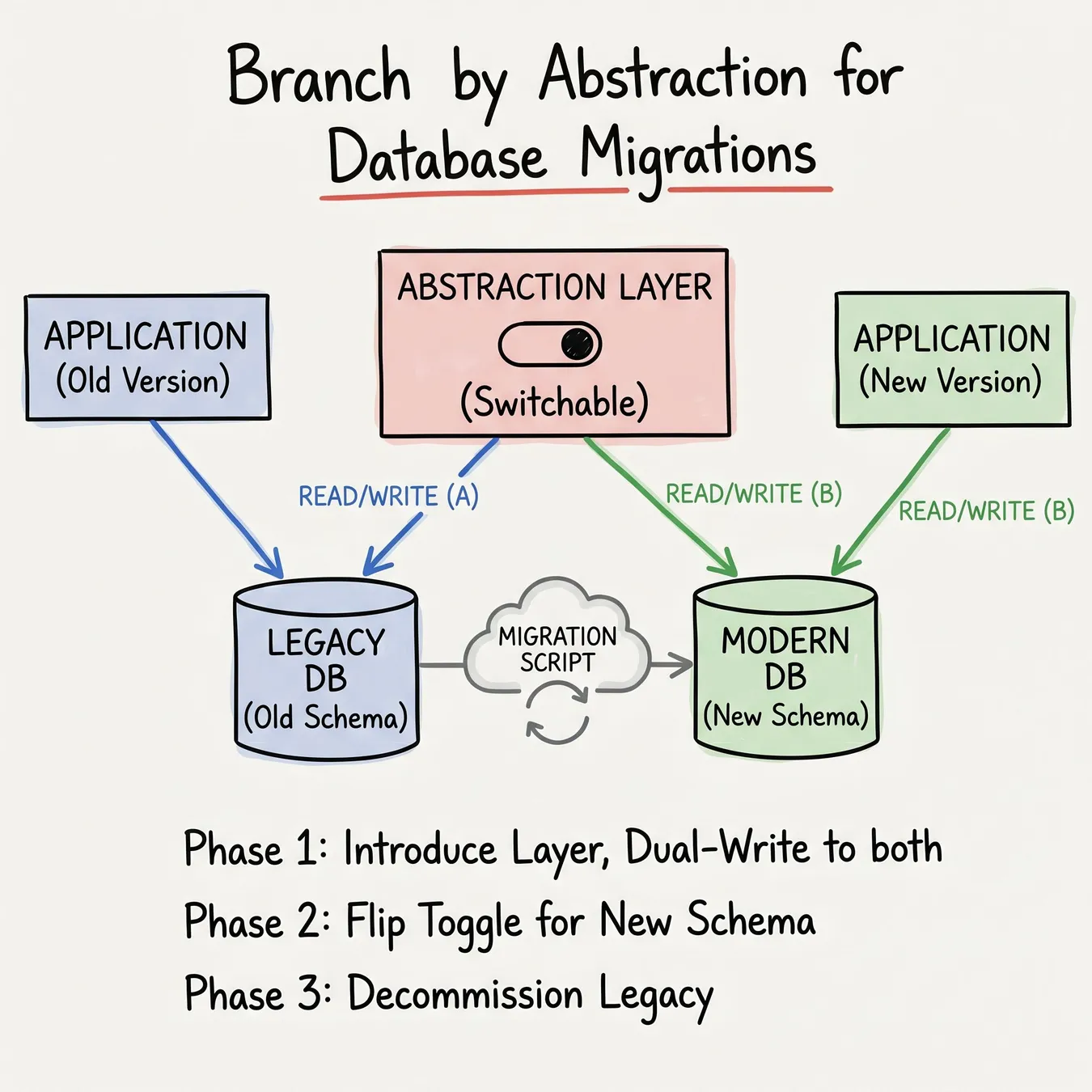
Decoupling logic from data sources.
The Role of the Engineering Architect
A senior architect serves as the guardian of the long-term vision. They ensure that short-term product requirements do not compromise the system's ability to scale or integrate with future AI-native workflows.
Technical debt is a reality of growth. The goal isn't to have zero debt; it's to have the right debt at the right time for the right reasons.
Studio 402 Engineering Team
Common Anti-Patterns in Debt Management
Document why a shortcut was taken
Set 'debt ceilings' for critical modules
Involve product owners in debt discussions
Hide debt from non-technical stakeholders
Wait for a total system failure to refactor
Use 'tech debt' as a catch-all for bad code
Measuring Success in Debt Reduction
Success isn't measured by a clean Jira board, but by the stability of your production environment and the predictability of your release cycles. If your team can ship a new feature without breaking three others, your debt management is working.
| Metric | Healthy Target | Warning Sign |
|---|---|---|
| Change Failure Rate | < 5% | > 15% |
| Lead Time for Changes | Under 2 days | Over 1 week |
| MTTR | Under 1 hour | Over 4 hours |
When to Choose a Complete Rebuild
Sometimes, the debt is so pervasive that refactoring is more expensive than starting fresh. This is common in 'vibe-coded' prototypes or legacy systems that have reached their absolute scaling limit.
Signs You Need a Rescue Mission
Security vulnerabilities cannot be patched due to dependencies
Database performance is degrading despite vertical scaling
Onboarding a new engineer takes more than two weeks
The original architects have left and the code is undocumented
Long-Term Planning for AI Integration
Modern architectural planning must now account for AI. Systems that are heavily siloed or have inconsistent data models will struggle to leverage LLMs and agents effectively, creating a new form of 'AI-readiness debt'.

Future-proofing your architecture for AI-native capabilities.
Communicating Debt to the Business
Founders and CEOs care about risk and revenue. When discussing tech debt, frame it in terms of 'innovation tax' and 'operational risk' to ensure the resources for architectural health are approved.
Frequently Asked Questions
Bridging the Gap with Studio 402
At Studio 402, we specialize in helping growth-stage companies navigate the transition from 'working prototype' to 'durable platform.' Whether you are managing tech debt in long-term architectural planning or need a complete rescue of a vibe-coded system, we provide the senior engineering depth to build foundations that scale.
Trusted by venture-backed startups to scale production-ready systems.
From MVP rescue to enterprise-grade cloud architecture.
Our Process for Architectural Modernization
01 / 04
phase 01 / 04
Audit & Discovery
phase 02 / 04
Strategic Roadmap
phase 03 / 04
Execution & Hardening
phase 04 / 04
Operational Handover
Fix Your Foundation and Ship Faster
Stop fighting your codebase and start building for the future. Let's audit your architecture and build a path to scale.
Related Resources for Engineering Leaders
Keep reading
More in Software Architecture & Patterns
- Engineering Leadership
- Software Architecture
- Technical Debt
- Scalability
Maintaining architectural discipline is a continuous journey. By treating debt as a strategic variable, you empower your team to move fast without breaking the very systems that support your business growth.

Strategic planning leads to durable engineering outcomes.
Final Takeaways
- Debt is a tool, not just a burden.
- Visibility is the first step toward management.
- Architectural health is a shared business responsibility.
- Incremental refactoring beats the 'big bang' rewrite.
Ready to take control of your technical roadmap? Studio 402 is here to help you navigate the complexities of modern software engineering.