
Designing Scalable SaaS Architecture for Multi-Tenant Growth
Building a scalable saas architecture requires more than just adding servers; it demands a fundamental shift in how you handle data isolation and resource allocation. For engineering leaders, the challenge lies in balancing tenant security with the operational efficiency needed for rapid growth.
- Multi-Tenancy
- Cloud Native
- High Availability
- Scalable Design
When designing scalable systems, you must account for the noisy neighbor effect where one tenant's high usage impacts others. This is why isolation at the database and application layers is a non-negotiable requirement for production-grade platforms.
Core Patterns for Multi-Tenant Isolation
Isolation is the cornerstone of multi-tenancy. You must decide between logical isolation, where tenants share resources but are separated by software logic, and physical isolation, where each tenant has dedicated infrastructure.
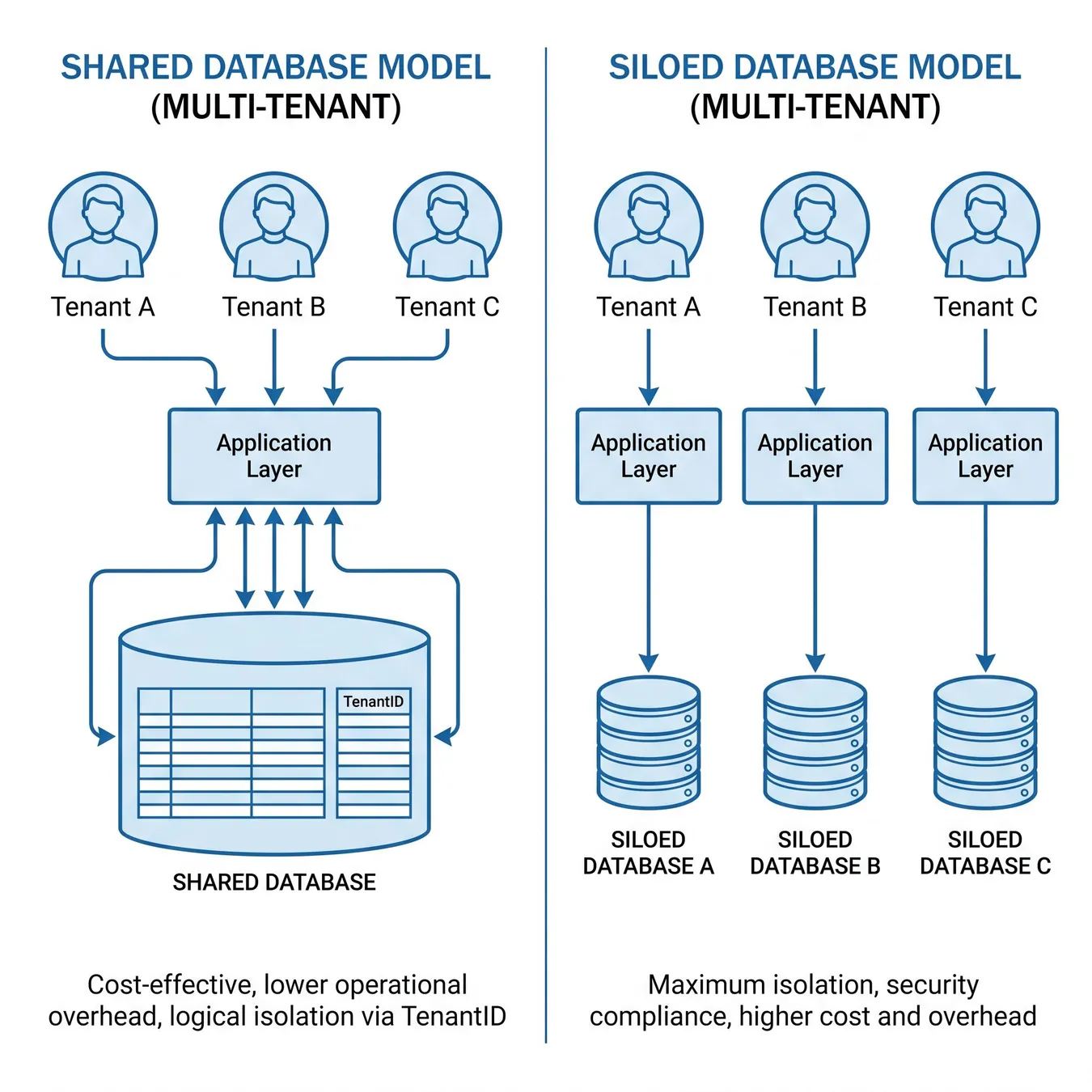
Visualizing the trade-offs between shared and siloed data isolation models.
- Silo Pattern: Full physical isolation per tenant for maximum security.
- Pool Pattern: Shared resources with logical isolation for cost efficiency.
- Bridge Pattern: A hybrid approach using shared compute but isolated storage.
Scalable Application Architecture Foundations
A scalable application architecture must be stateless to allow horizontal scaling. By ensuring that any instance of your service can handle a request from any tenant, you remove the bottlenecks associated with session affinity.
99.99%
Target Uptime for High-Availability SaaS
<200ms
Ideal API Response Latency at Scale
Database Sharding and Data Partitioning
As your tenant count grows, a single database instance will eventually become a bottleneck. Sharding allows you to distribute tenant data across multiple database clusters based on a shard key, such as TenantID.
Tip.
// Choosing a Shard Key
Managing Tenant Lifecycle and Provisioning
Automating the onboarding of new tenants is critical for growth. Your architecture should support programmatic provisioning of resources, from database schemas to DNS entries, without manual intervention.
- 01
Tenant Registration: Capturing metadata and billing info.
- 02
Resource Allocation: Creating isolated storage or compute namespaces.
- 03
Configuration Injection: Setting tenant-specific environment variables.
- 04
Health Verification: Ensuring the new tenant environment is responsive.
Security and Compliance in Multi-Tenant Systems
Security is the primary concern for SaaS customers. Implementing robust complex software architecture requires deep integration of identity providers and attribute-based access control (ABAC).
Encrypt data at rest with tenant-specific keys.
Use VPC peering or private links for inter-service traffic.
Implement rate limiting per tenant to prevent resource exhaustion.
Hardcode tenant IDs in your application logic.
Share encryption keys across multiple tenants.
Allow cross-tenant database queries in the same transaction.
High Availability and Disaster Recovery
For a SaaS platform, downtime is lost revenue. Designing for high availability means deploying across multiple availability zones and having a clear failover strategy for your primary data stores.
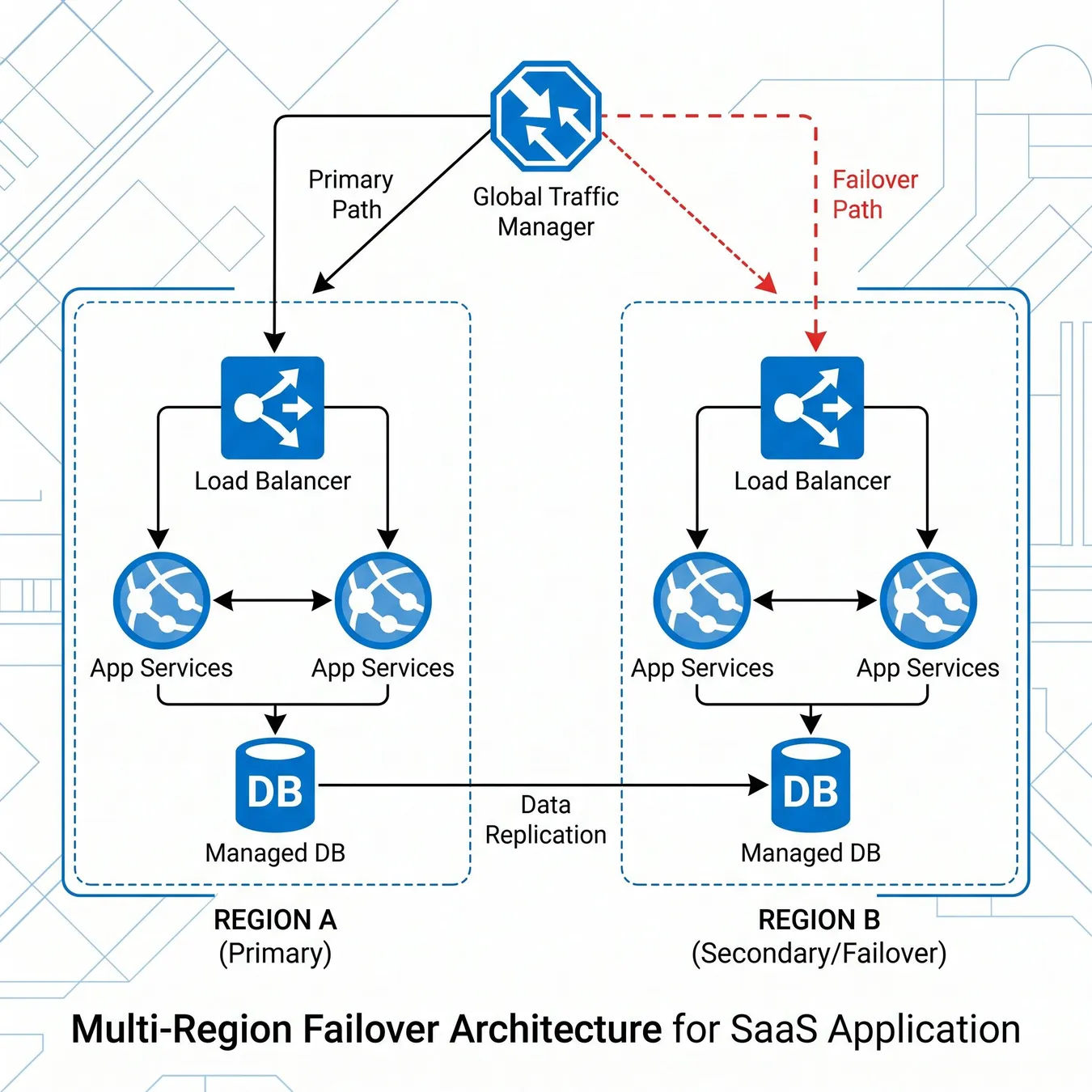
Multi-region architecture ensures continuity even during major provider outages.
Monitoring and Observability at Scale
Standard monitoring isn't enough for multi-tenancy. You need 'tenant-aware' observability to see which specific customer is experiencing latency or errors, rather than just seeing aggregate system health.
Implement distributed tracing with TenantID context.
Set up per-tenant usage dashboards for support teams.
Configure alerts for tenant-specific threshold breaches.
The Role of API Gateways and Routing
The API gateway is the entry point for all tenant traffic. It should handle authentication, request routing to the correct tenant shard, and global rate limiting before the request ever hits your core services.
| Feature | Shared Gateway | Dedicated Gateway |
|---|---|---|
| Cost | Low | High |
| Isolation | Logical | Physical |
| Complexity | Moderate | Very High |
Caching Strategies for Multi-Tenant Growth
Caching is essential for performance, but it introduces the risk of cross-tenant data leakage. Always namespace your cache keys with the TenantID to ensure data remains strictly isolated.
Warning.
// Cache Poisoning Risks
Handling Large-Scale Data Migrations
As your architecture evolves, you will eventually need to migrate tenant data. Whether moving from a monolith to microservices or re-sharding your database, zero-downtime migration patterns are vital.
01 / 04
phase 01 / 04
Dual Writing
phase 02 / 04
Backfilling
phase 03 / 04
Verification
phase 04 / 04
Cutover
Cost Optimization in Multi-Tenant Clouds
Scaling isn't just about performance; it's about unit economics. Understanding the cost-per-tenant helps you price your SaaS correctly and identify 'expensive' tenants that might need their own dedicated infrastructure.
30-50%
Potential Savings via Resource Pooling
Zero
Manual Steps in Auto-Scaling Workflows
Operational Excellence and DevOps for SaaS
To maintain a high-growth platform, your engineering team must embrace devops saas practices. Continuous integration and automated deployment pipelines ensure that updates are rolled out safely across all tenants.
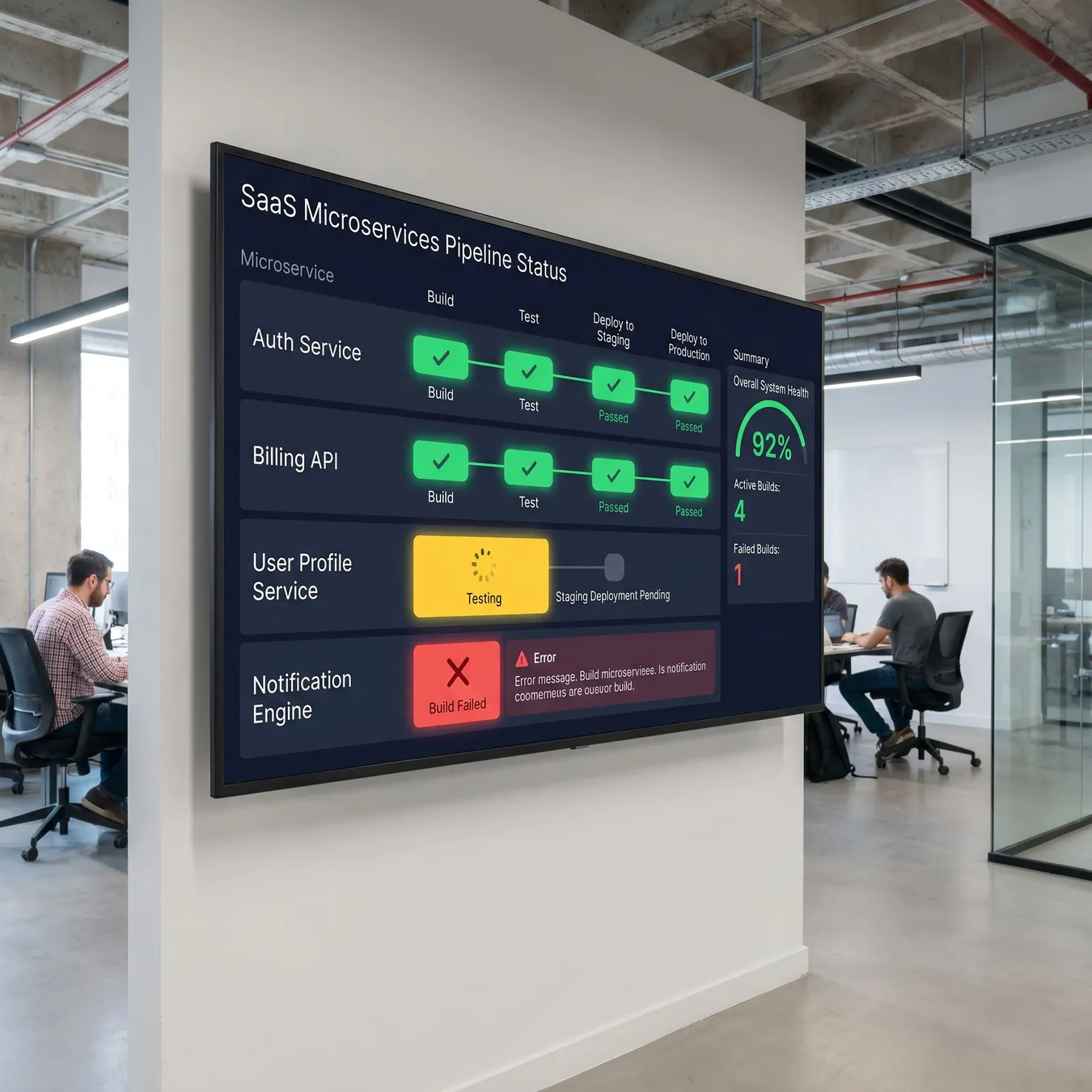
Automated pipelines are the backbone of rapid SaaS iteration.
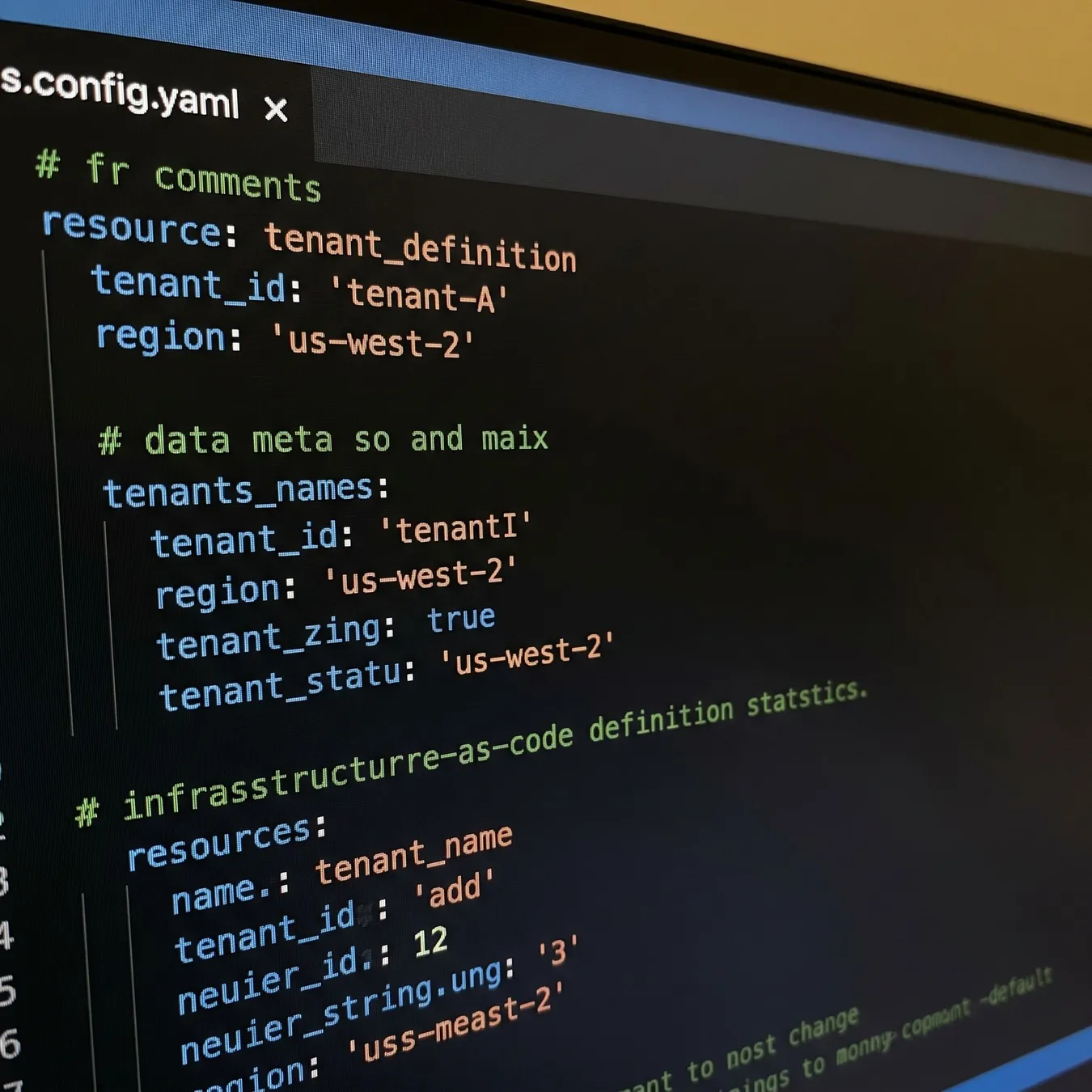
Defining tenant resources as code ensures consistency and speed.
Future-Proofing Your SaaS Architecture
Architecture is never 'finished.' As you move through the stages of saas product development, you must constantly re-evaluate your bottlenecks and be willing to refactor components that no longer serve your scale.
Scalability is not a feature you add later; it is a discipline you maintain from the first line of code.
Senior Solutions Architect · Studio 402
Common Multi-Tenancy Challenges
Bridging Architecture to Production Reality
Designing a scalable SaaS architecture on paper is one thing; shipping it to thousands of users is another. At Studio 402, we help engineering leaders move from theoretical blueprints to production-ready systems that survive real-world traffic.
Whether you are rescuing a prototype that hit a scaling wall or building a new platform from the ground up, our team provides the architectural depth and execution power needed to build foundations that grow with your business.
Trusted by growth-stage startups to architect and scale mission-critical SaaS platforms.
From MVP to high-availability production environments.
Ready to Scale Your SaaS Architecture?
Stop fighting technical debt and start building for growth. Let's discuss your multi-tenant strategy.
Deepen Your Architectural Knowledge
Keep reading