
Architecting Complex Systems for Production-Grade Software
Building complex software architecture requires more than just writing code; it demands a rigorous approach to system design that ensures durability, security, and performance at scale. For growth-stage companies, the transition from a simple MVP to a high-availability platform is often where technical debt becomes a terminal risk.
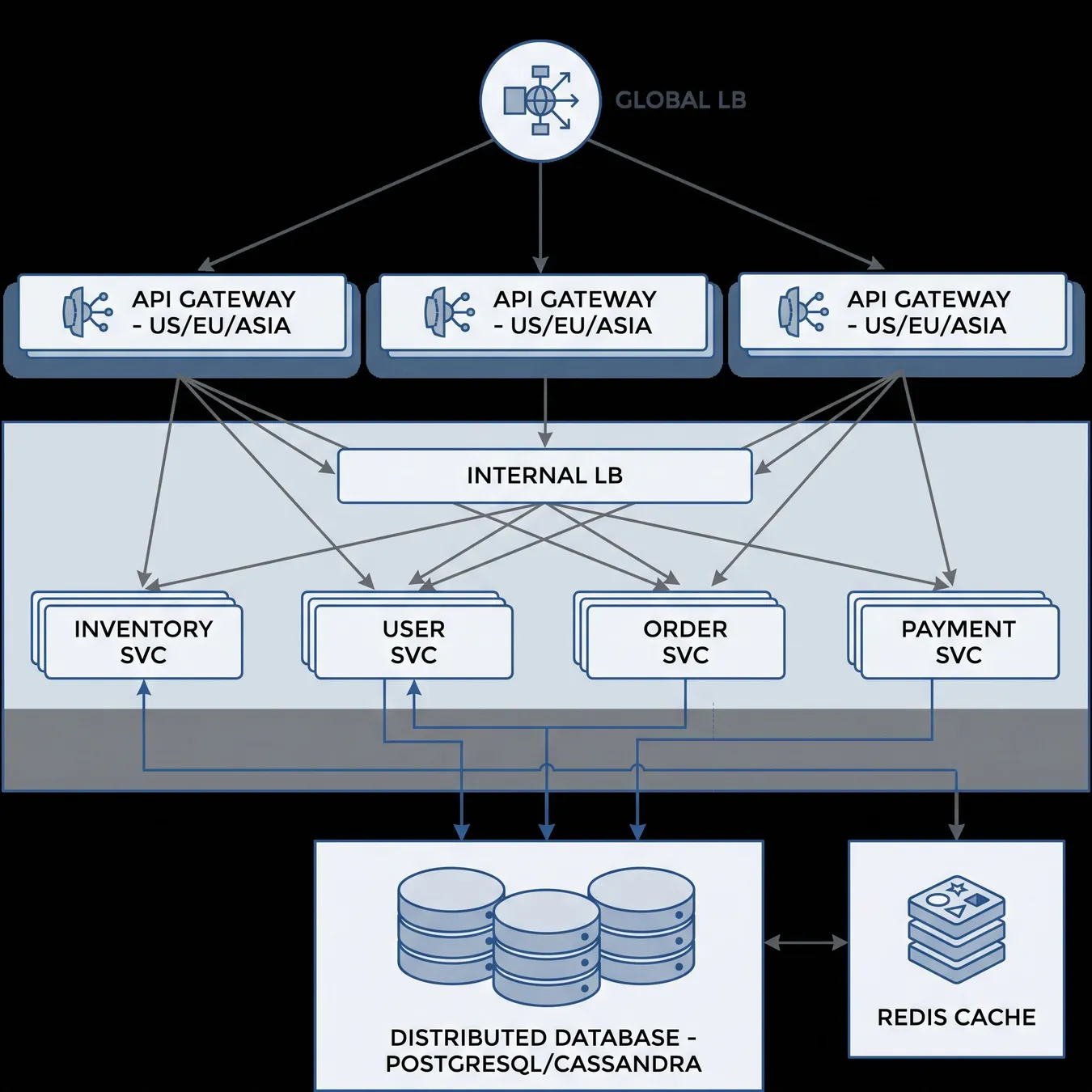
Visualizing the components of a production-grade distributed system.
To navigate this complexity, engineering teams must prioritize designing scalable systems that can handle increasing tenant loads and data volume without degrading user experience.
The Role of the Software Engineering Design Document
A software engineering design document (EDD) serves as the blueprint for any major architectural change. It forces engineers to think through edge cases, data consistency models, and failure modes before a single line of code is committed to the repository.
- Context and Goals: Defining the 'why' behind the architectural shift.
- Proposed Solution: Detailed technical breakdown of the new components.
- Alternative Designs: Why other approaches were rejected.
- Security Considerations: How data is protected and authenticated.
- Observability: How the system will be monitored in production.
Tip.
// Pro Tip
Core Pillars of Production-Grade Architecture
Production-grade software is defined by its reliability. When you build scalable web applications, you must account for the 'blast radius' of any single component failure.
99.99%
Uptime Target
<200ms
Max Latency
99.999999999%
Data Durability
Decoupling and Service Independence
In complex systems, tight coupling is the enemy of velocity. By using message queues and event-driven patterns, teams can ensure that a spike in one service doesn't bring down the entire platform.
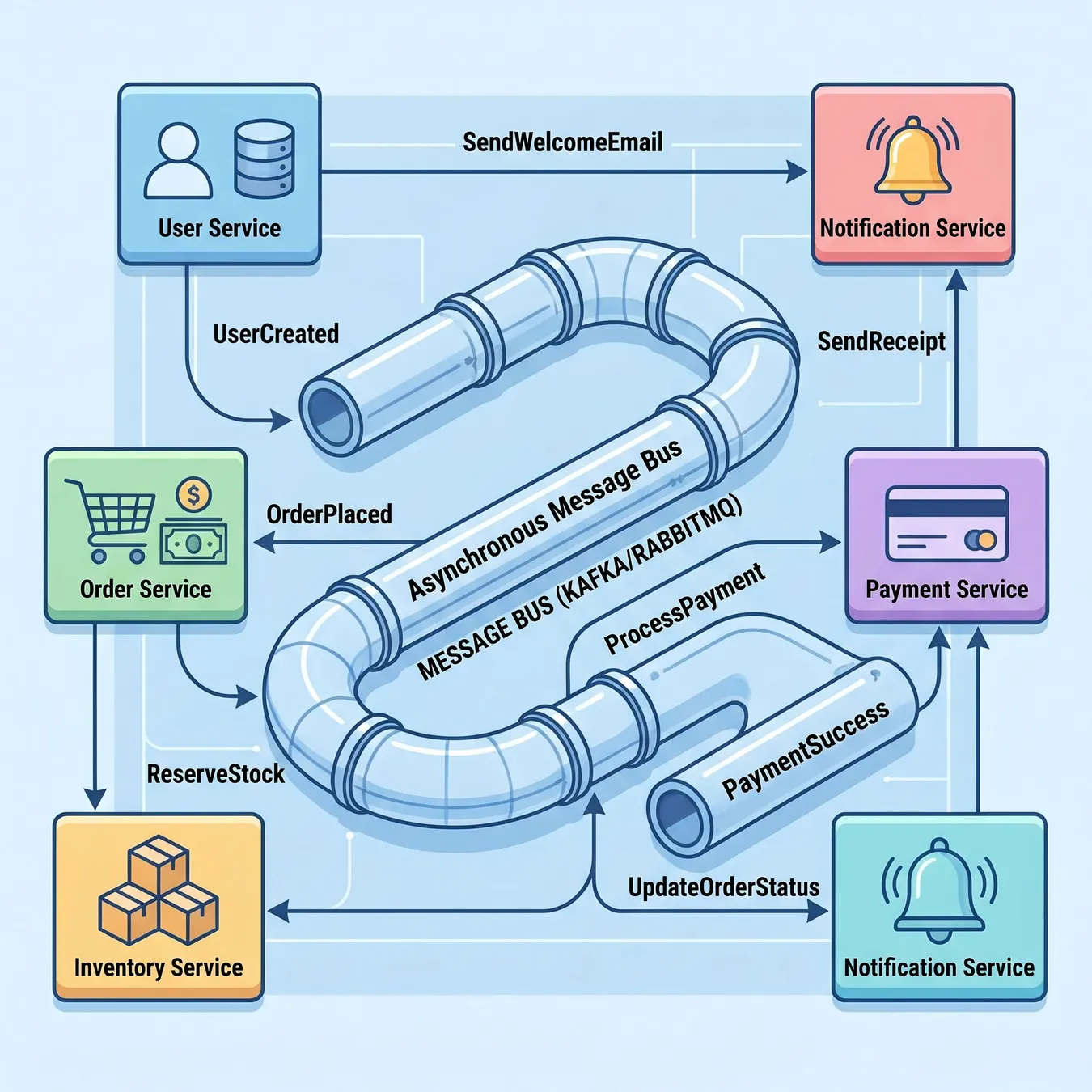
Asynchronous communication patterns reduce system coupling.
Navigating Architectural Trade-offs
Every architectural decision involves a trade-off. Choosing between a monolithic structure and microservices is rarely about which is 'better' and more about which fits your current team size and product stage.
| Feature | Monolith | Microservices |
|---|---|---|
| Deployment | Simple, single unit | Complex, independent |
| Scalability | Vertical/Horizontal (All) | Granular per service |
| Data Integrity | ACID transactions | Eventual consistency |
Designing for Multi-Tenant Growth
For B2B companies, implementing a scalable saas architecture is critical for maintaining tenant isolation while optimizing resource costs across a growing customer base.
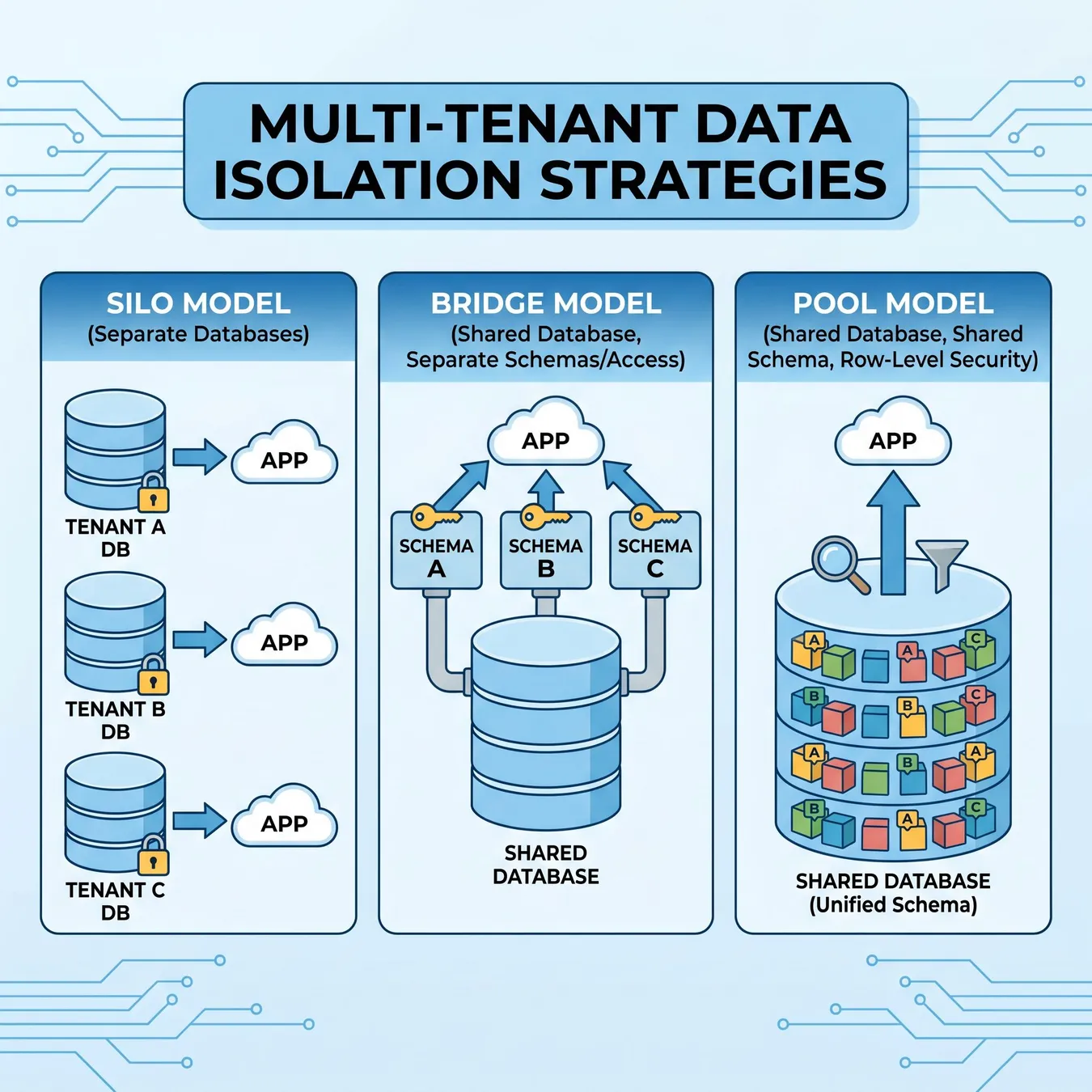
Choosing the right tenant isolation model for SaaS growth.
Data Partitioning and Sharding
As datasets grow into the terabytes, single-database instances become bottlenecks. Partitioning strategies allow you to distribute data logically, ensuring that queries remain performant even as the system scales.
Integrating Complex Automation Logic
Modern systems often require complex workflow automation to handle background tasks, third-party integrations, and data processing pipelines without blocking the main user thread.
- 01
Identify long-running or non-blocking tasks.
- 02
Implement a task queue (e.g., Redis, RabbitMQ).
- 03
Define retry logic and dead-letter queues.
- 04
Monitor worker health and throughput.
Common Architectural Anti-Patterns
Avoiding common pitfalls is just as important as following best practices. Many teams accidentally build 'distributed monoliths' where services are so tightly coupled that they cannot be deployed independently.
Use API contracts to define service boundaries.
Implement circuit breakers for external calls.
Prioritize observability from day one.
Share databases between microservices.
Hard-code service dependencies.
Ignore the operational cost of complexity.
The Engineering Design Process
01 / 04
phase 01 / 04
Discovery
phase 02 / 04
Drafting
phase 03 / 04
Review
phase 04 / 04
Implementation
Observability and Operational Safety
You cannot manage what you cannot measure. In a complex architecture, distributed tracing and centralized logging are non-negotiable for debugging production issues.
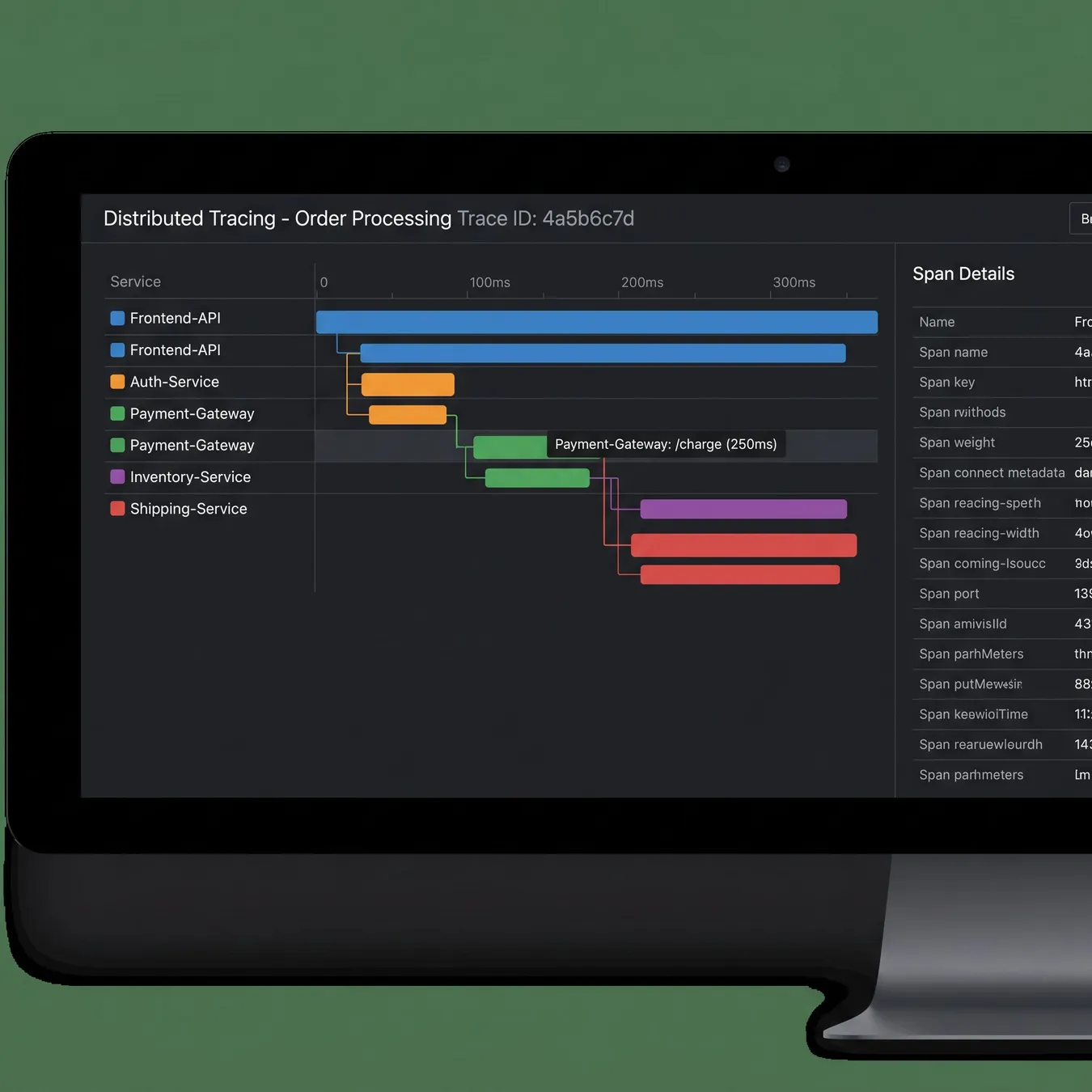
Distributed tracing is essential for debugging complex request flows.
Security by Design
Complex systems introduce a larger attack surface. Production-grade software must implement Zero Trust principles, ensuring every internal request is authenticated and authorized.
Warning.
// Security Warning
Managing Technical Debt
Complexity is a form of debt. As systems evolve, architectural drift can lead to fragmentation. Regular audits and refactoring cycles are necessary to keep the system maintainable.
The best architecture is the simplest one that solves the problem while leaving a clear path for future expansion.
Senior Systems Architect · Studio 402
How Studio 402 Approaches Complex Architecture
At Studio 402, we don't just build features; we engineer systems. Whether we are rescuing a 'vibe-coded' prototype or architecting a new SaaS platform from scratch, our process is rooted in architectural discipline.
We combine product engineering with deep platform expertise to ensure that your software doesn't just work today, but scales with your business for years to come.

Studio 402 partners with you to design durable software foundations.
Frequently Asked Questions
Building Your Next System
If you are facing architectural bottlenecks or planning a high-scale product launch, having a senior technical partner can make the difference between a successful release and a costly failure.
Trusted by growth-stage startups to build and scale production-ready systems.
Studio 402 Engineering Excellence
Build Your Production-Grade System
Ready to build a durable, scalable foundation for your software? Let's discuss your architectural needs.
Deepen Your Architectural Knowledge
Keep reading
More in Software Architecture & Patterns
Architecture is a continuous journey. As technology evolves and user demands shift, your systems must remain adaptable. Studio 402 stays at the forefront of modern engineering to provide the guidance you need at every stage of growth.
- System Design
- Scalability
- Production-Grade
- Engineering Docs
For more insights on building high-performance software, explore our full library of architectural patterns and engineering guides.