
Venture Capital Stages: A Guide to Startup Funding Rounds
Navigating the venture capital stages is a defining journey for any high-growth company. From the initial spark of an idea to a full-scale market leader, understanding the technical and business milestones of startup funding rounds is essential for long-term survival.
- Pre-Seed
- Seed
- Series A
- Series B
- Growth Stage
The Lifecycle of Early Venture Capital
The early venture landscape is typically divided into distinct phases that reflect the maturity of the product and the stability of the business model. Each stage requires a different approach to engineering and capital allocation.
Pre-Seed
Concept Validation
Seed
Product-Market Fit
Series A
Scaling Revenue
Pre-Seed: Laying the Foundation
The pre seed and seed stage often begins with founders using their own capital or small checks from friends and family to build a prototype. At this point, the focus is entirely on proving that a problem exists and that your solution is viable.
Info.
// Market Note
Technical Milestones for Pre-Seed
- Low-fidelity prototype or wireframes
- Initial user research and problem validation
- Technical feasibility study for core features
- Basic landing page for waitlist collection
Founders must also understand the nuances of pre seed financing, which often utilizes flexible instruments like SAFEs to defer valuation discussions until more data is available.
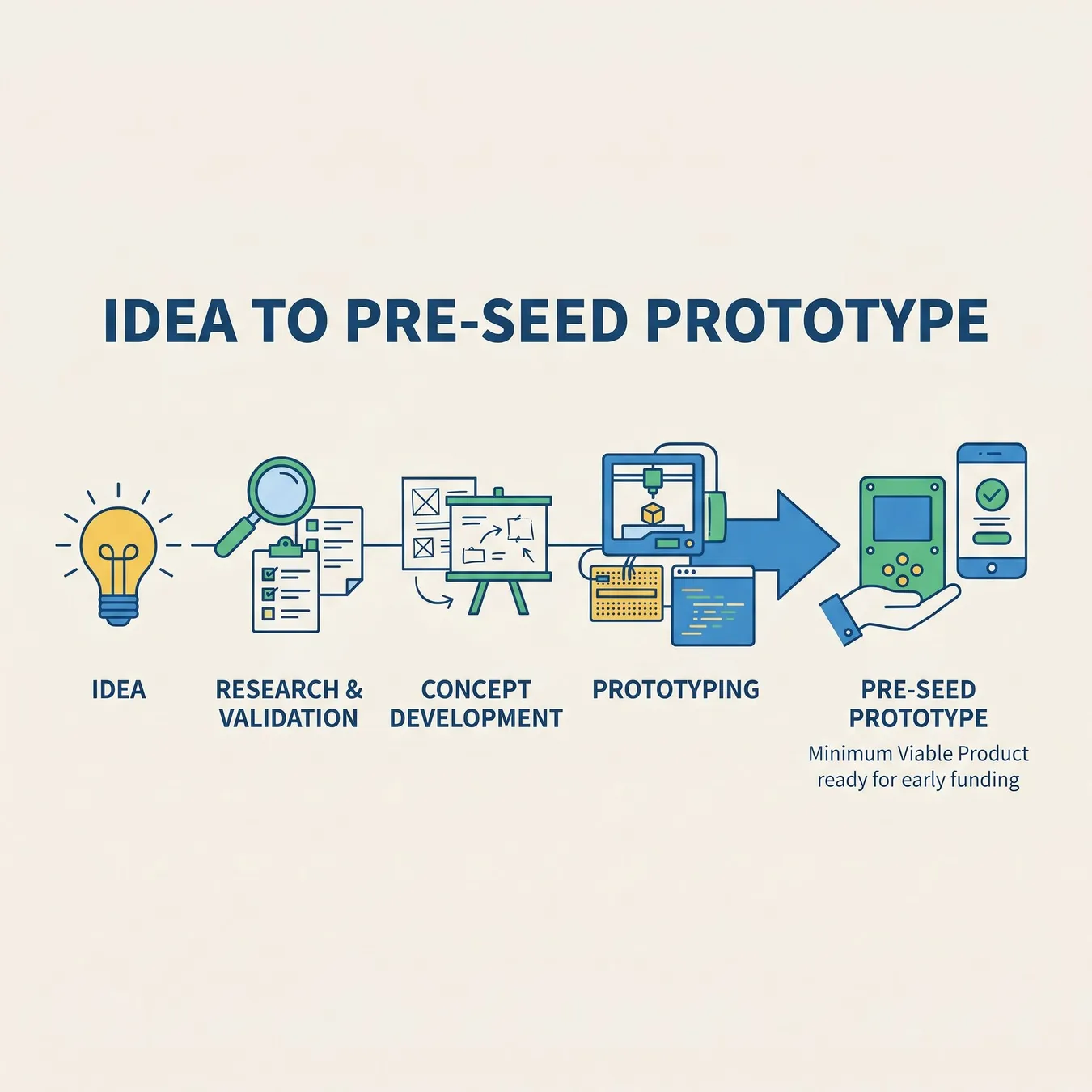
The transition from ideation to initial validation.
The Seed Round: Proving the MVP
Seed funding is designed to take a startup from a validated concept to a functioning product. This is where the mvp stage of startup becomes critical, as investors look for evidence of early traction and technical reliability.
| Metric | Pre-Seed Expectation | Seed Expectation |
|---|---|---|
| Product | Prototype/Mockup | Functional MVP |
| Traction | Waitlist/Interviews | Active Users/Revenue |
| Team | Founders only | Core engineering hires |
Choosing Your Funding Instrument
Not all capital is structured the same way. Founders should evaluate different types of seed funding to ensure they aren't sacrificing too much control or creating future technical debt through complex equity terms.

Seed stage teams focus on rapid iteration.
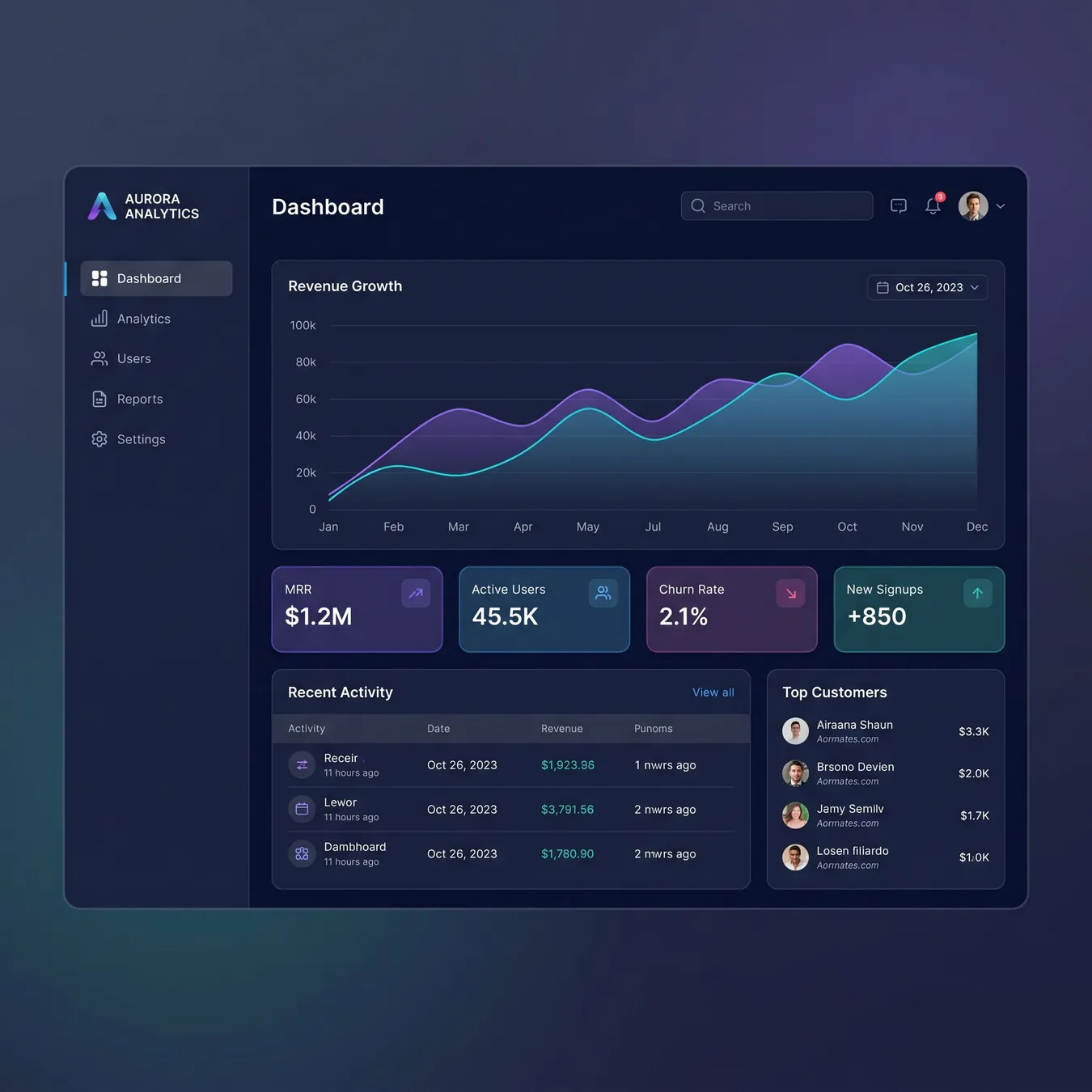
The MVP must demonstrate core value.
Series A: Scaling the Machine
Series A is the first of the institutional series funding rounds. At this stage, the 'vibe-coding' and duct-tape solutions of the seed round must be replaced by durable, scalable infrastructure.
Proven unit economics and CAC/LTV ratios
Scalable lead generation and sales pipeline
Documented engineering processes and CI/CD
Clear roadmap for the next 18-24 months
Technical Debt and Series A Readiness
Investors in Series A rounds are looking for a 'repeatable machine.' If your backend is failing under moderate load or your security posture is non-existent, the due diligence process will be difficult.
Invest in automated testing early
Standardize your cloud infrastructure
Hire a dedicated Head of Engineering
Ignore security vulnerabilities for speed
Hard-code business logic into the UI
Over-hire before the round is closed
Series B and Beyond: Market Dominance
Series B is about taking what worked in Series A and expanding it to new markets or product lines. This venture stage requires sophisticated platform engineering to support multi-tenancy and global scale.
$10M+
Typical Series B Revenue
100+
Average Employee Count
The Shift to Platform Engineering
By Series B, the engineering team is often split into product squads and platform teams. The goal is to reduce the cognitive load on developers so they can ship features faster without breaking the core system.
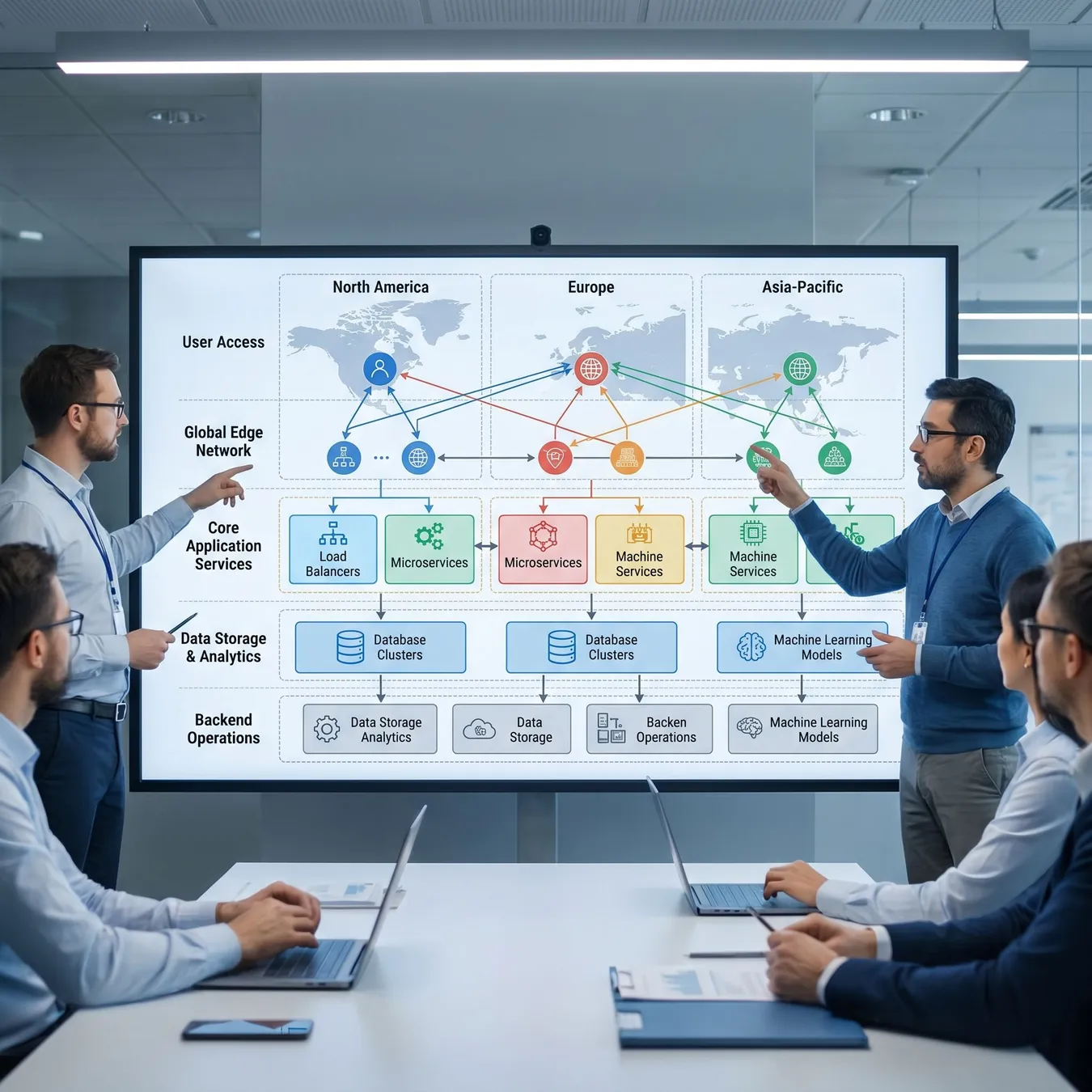
Series B infrastructure requires high availability.
Common Pitfalls in the Funding Lifecycle
Many startups fail not because they lack capital, but because they mismanage the transition between stages. Scaling too fast or failing to address technical debt can lead to a 'bridge to nowhere.'
The Importance of Technical Strategy
Every venture capital stage has a corresponding technical requirement. Investors don't just buy your current revenue; they buy your ability to execute on a future roadmap without the system collapsing.
The difference between a successful Series A and a failed one is often the quality of the foundation laid during the seed round.
Senior Engineering Partner · Studio 402
Navigating the Funding Gap
The gap between rounds is where the most pressure is felt. Founders must balance the need for new features with the necessity of system stability to ensure they remain attractive to the next tier of investors.
01 / 04
phase 01 / 04
Validation
phase 02 / 04
Execution
phase 03 / 04
Optimization
phase 04 / 04
Expansion
How Studio 402 Supports the Venture Lifecycle
At Studio 402, we understand that venture capital stages are more than just financial milestones—they are engineering hurdles. We help founders bridge the gap from 'vibe-coded' prototypes to production-grade systems that survive due diligence.
Whether you are preparing for your first seed round or cleaning up technical debt for a Series B, our team provides the senior architecture and execution power needed to scale with confidence.
Helping venture-backed teams ship production-ready software since 2020.
Trusted by founders from Seed to Series B.
Our Approach to Venture Readiness
- Rapid MVP development for pre-seed validation
- Post-vibe-code rescue and infrastructure hardening
- Scalable cloud architecture for high-growth SaaS
- AI integration and workflow automation

Strategic partnership for long-term growth.
Ready to Scale Your Technical Foundation?
Don't let technical debt or a fragile prototype block your next funding round. We build the systems that investors trust and customers love.
Build a Fundable Technical Foundation
Get the senior engineering partner you need to navigate the venture capital stages with confidence.
Deep Dives into Funding Rounds
Keep reading
More in Venture Capital & Seed Investment
Understanding the venture capital lifecycle is the first step toward building a durable business. By aligning your technical roadmap with investor expectations, you ensure your startup is ready for every stage of growth.