
A Strategic Roadmap for Raising Seed Funding in 2026
The landscape for raising seed funding has shifted toward technical maturity and verifiable traction. Founders must now demonstrate more than just a vision; they need a production-ready foundation.
- Seed Strategy
- Fundraising 2026
- Startup Growth
- Technical Readiness
Before you can get seed funding for startup growth, you must ensure you have successfully navigated the pre seed funding phase and validated your core product hypothesis.
The Core Pillars of Raising Seed Capital
To raise seed funding effectively, founders must balance three critical areas: product-market fit, technical scalability, and financial narrative. Investors in 2026 are looking for durable systems.
$2.5M - $4M
Avg. Seed Round Size
85%+
Technical Readiness Score
4-6 Months
Time to Close
Defining Your Funding Requirements
Clearly articulating why you need to get seed funding is the first step. This capital should be earmarked for specific growth levers like engineering talent or market expansion.
- Engineering team expansion
- Infrastructure hardening for scale
- Customer acquisition cost (CAC) testing
- Operational system deployment
Technical Readiness: The 2026 Benchmark
Investors are increasingly wary of 'vibe-coded' prototypes. Securing seed startup funding now requires a codebase that is secure, maintainable, and ready for multi-tenant scale.
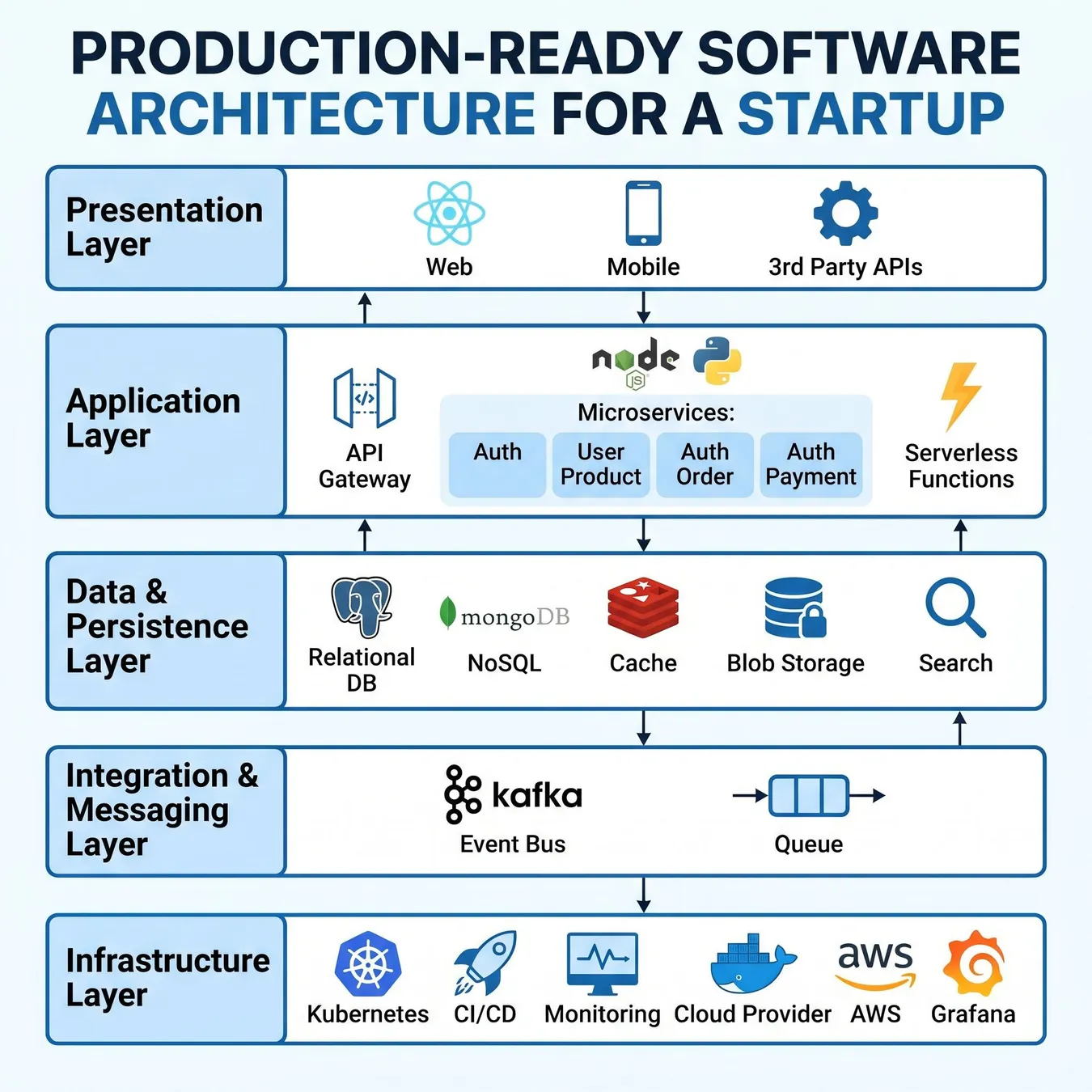
Technical architecture is now a primary focus of seed-stage due diligence.
Infrastructure and Security Standards
Your cloud infrastructure must be observable and compliant. Founders who can show a clear DevOps roadmap often find it easier to raising seed capital from institutional firms.
Automated CI/CD pipelines
SOC2 Type I readiness
Multi-region failover strategy
Encrypted data at rest and in transit
Financial Instruments and Round Structure
Understanding the different types of seed funding is essential for protecting your equity. Most rounds in 2026 utilize SAFEs or convertible notes for speed and flexibility.
| Instrument | Speed | Complexity | Best For |
|---|---|---|---|
| SAFE | High | Low | Early Seed |
| Convertible Note | Medium | Medium | Bridge Rounds |
| Priced Equity | Low | High | Late Seed / Series A |
The Fundraising Timeline: From Prep to Close
01 / 05
phase 01 / 05
Month 1: Preparation
phase 02 / 05
Month 2: Outreach
phase 03 / 05
Month 3: Pitching
phase 04 / 05
Month 4: Due Diligence
phase 05 / 05
Month 5: Closing
Pitch Mechanics for Technical Founders
When you raise seed funding, your pitch deck must bridge the gap between high-level business value and deep technical execution. Show, don't just tell, your product's capability.
Show a live demo of production code
Highlight your engineering roadmap
Explain your data moat clearly
Detail your unit economics
Hide technical debt in the deck
Over-promise on AI capabilities
Ignore security vulnerabilities
Focus only on vanity metrics
Storytelling with Data
Data is the language of trust. Use cohorts and retention metrics to prove that your product isn't just a prototype, but a system that users rely on daily.
Investor Negotiation Strategies
Negotiation is about more than just valuation. It is about finding a partner who understands your technical vision and can help you scale toward your next round.
Tip.
// Founder Tip
Common Pitfalls in Raising Seed Capital
Many founders fail to get seed funding for startup ventures because they neglect the operational scaffolding required to manage the capital once it arrives.
- Over-hiring before product-market fit
- Ignoring technical debt until it blocks growth
- Lack of clear reporting and governance
- Failing to plan for the Series A bridge
Post-Raise Execution: The Series A Bridge
The work truly begins after the wire hits. Your post seed funding strategy must focus on hitting the milestones required for institutional Series A readiness.

Monitoring growth and velocity post-raise.
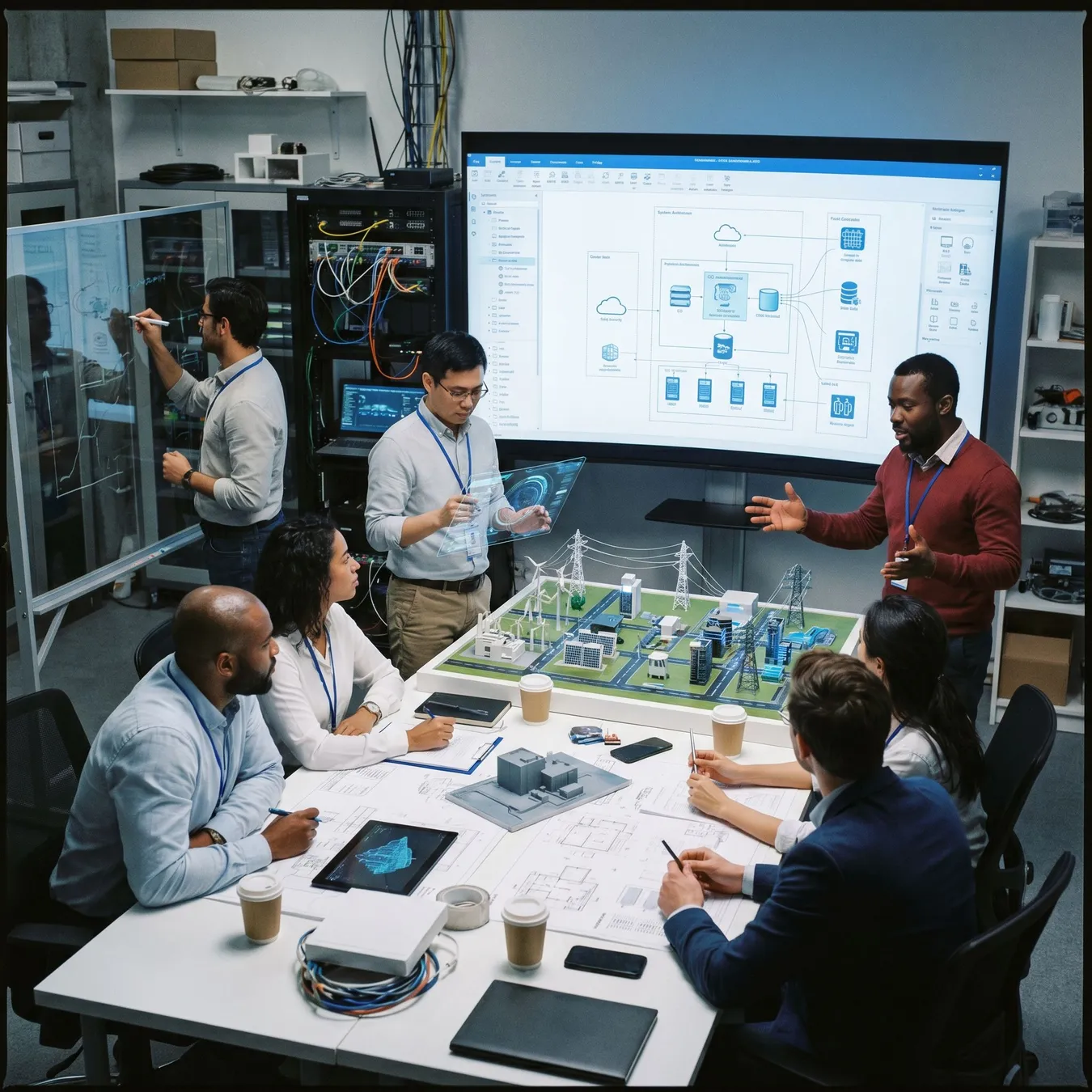
Scaling the engineering team with seed capital.
Frequently Asked Questions
Bridging the Gap Between Funding and Product
Raising capital is only half the battle. The other half is building the software that justifies the investment. At Studio 402, we help founders turn seed capital into production-grade systems.
Whether you are preparing for due diligence or need to scale your engineering team after a successful raise, our studio provides the senior technical leadership required to ship at scale.
Helping founders secure over $50M in seed and Series A funding through technical excellence.
Studio 402 Engineering Partners
Studio 402 didn't just build our app; they built the technical narrative that helped us close our seed round in record time.
Alex Chen · SaaS Founder
Next Steps for Your Fundraising Journey
Ready to move from roadmap to execution? Explore our tactical guides on investor outreach and technical strategy to ensure your startup is investment-ready.
Build Your Fundable MVP
Need a technical partner to help you prepare for your seed round? Let's build a fundable foundation together.
Additional Resources for Founders
Deepen your understanding of the venture capital landscape with these related guides and strategic analyses.
Keep reading
More in Venture Capital & Seed Investment
Strategic fundraising in 2026 requires a blend of market timing and engineering discipline. Stay focused on the fundamentals of building great software.
The Future of Seed Investing
As AI continues to lower the barrier to entry for prototypes, the value of production-ready engineering only increases. Investors are paying a premium for durability.
Ensure your roadmap accounts for the long-term maintenance and scalability of your product. A successful seed round is just the beginning of your technical journey.
For more information on technical due diligence and venture strategy, contact the Studio 402 team today.