
Velocity vs Capacity in Scrum: A Guide to Predictability
Understanding the difference between velocity and capacity in scrum is the foundation of reliable sprint planning. While often confused, these two metrics serve distinct purposes in managing a team's output and ensuring long-term delivery health.
- Agile Metrics
- Sprint Planning
- Scrum Guide
- Engineering Leadership
What is Velocity and Capacity in Scrum?
Velocity is a historical metric that tracks the average amount of work a scrum team completes during a sprint. It is measured in story points or hours and reflects past performance over several iterations.
Capacity, conversely, is a forward-looking metric. It measures the total available time or resources a team has for the upcoming sprint, accounting for vacations, holidays, and non-sprint activities.
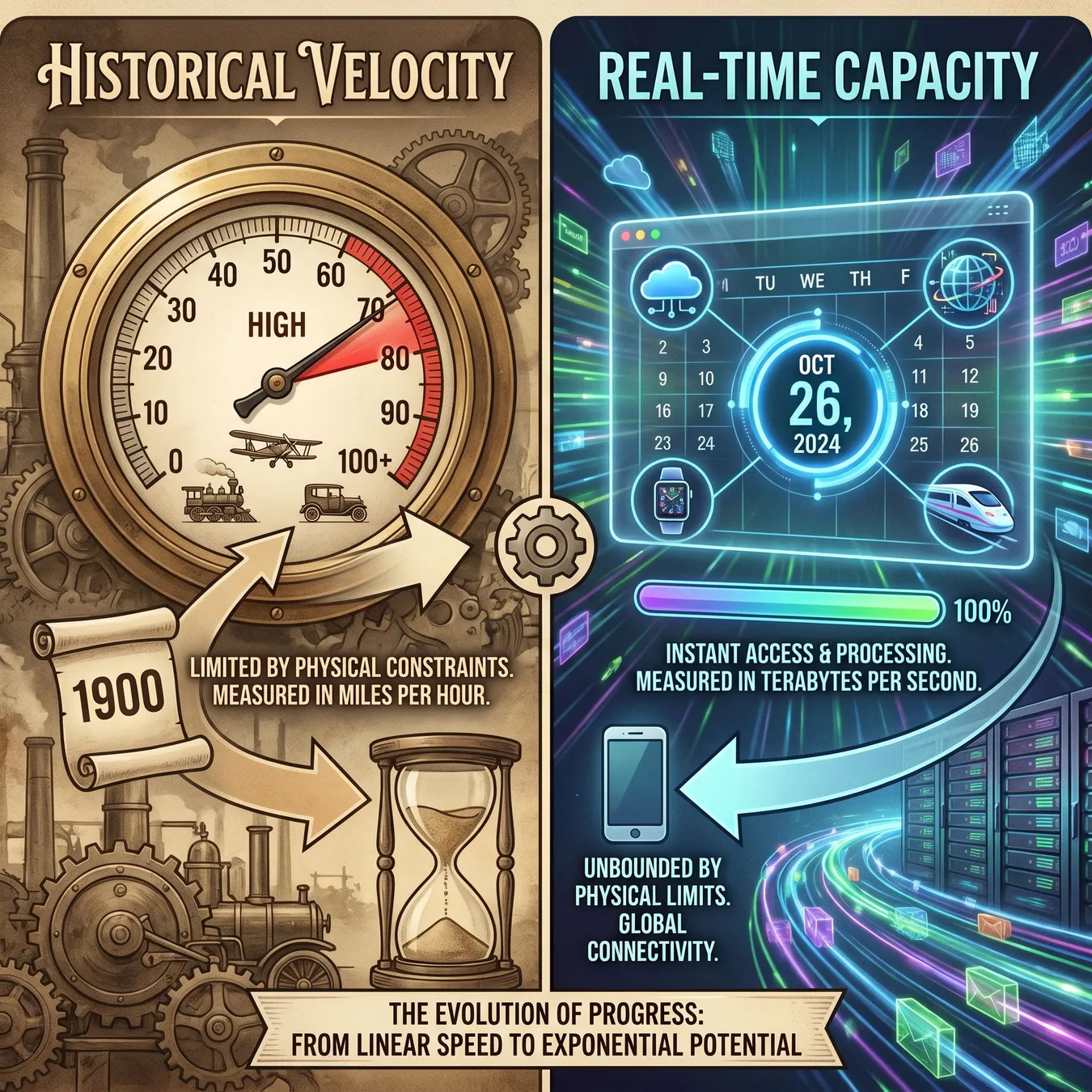
Velocity looks at the past; capacity looks at the immediate future.
The Core Difference Between Velocity and Capacity in Scrum
| Feature | Velocity | Capacity |
|---|---|---|
| Nature | Historical Average | Real-time Availability |
| Focus | Past Performance | Future Potential |
| Unit | Story Points | Hours or Man-days |
| Stability | Fluctuates slowly | Changes every sprint |
The primary difference between velocity and capacity in scrum is that velocity tells you what you *did*, while capacity tells you what you *can do* right now.
Why Velocity vs Capacity in Scrum Matters for Planning
Relying solely on velocity can lead to over-commitment. If your team has a velocity of 40 points but half the team is on leave, planning for 40 points will inevitably lead to a failed sprint.
Tip.
// Planning Tip
Calculating Capacity and Velocity in Agile
- 01
Calculate average velocity over the last 3-5 sprints.
- 02
Identify total available hours for each team member in the next sprint.
- 03
Subtract time for meetings, support, and administrative tasks.
- 04
Compare available hours to the historical point-to-hour ratio.
- 05
Adjust the sprint backlog to match the lower of the two values.
Common Pitfalls in Capacity vs Velocity Scrum Management
Use velocity to forecast long-term roadmaps.
Adjust capacity for every single sprint.
Account for 'buffer' time in capacity calculations.
Track why velocity dips or spikes.
Use velocity as a performance metric for individuals.
Ignore public holidays or planned PTO.
Assume 100% productivity for 8 hours a day.
Force velocity to increase without process changes.
How Technical Debt Impacts Effective Capacity
When teams struggle with a codebase, they often find that quantifying technical debt is the only way to explain why their velocity is dropping despite high capacity.
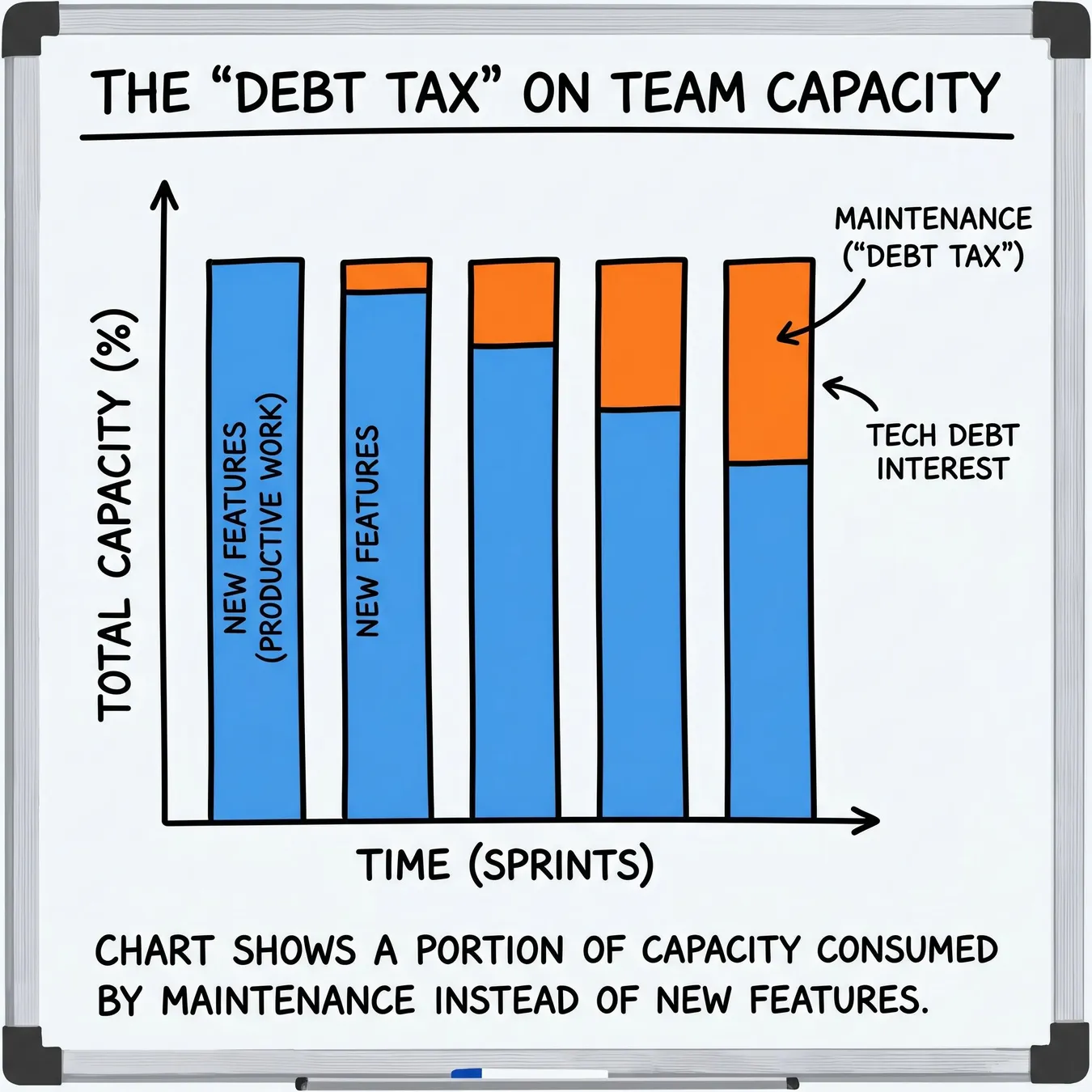
Technical debt acts as a tax on your team's available capacity.
Identifying Bottlenecks in the Delivery Pipeline
If your capacity is high but your velocity remains stagnant, you must identify bottlenecks that are preventing work from reaching 'Done'.
The Role of Lead Time in Sprint Predictability
While velocity measures volume, tracking lead time in software development helps teams understand the speed of individual items through the system.
Stabilizing Scrum Team Velocity vs Capacity
To achieve a predictable rhythm, teams should implement process optimization techniques that reduce variance in how stories are estimated and executed.
35%
Planning Accuracy Improvement
50%
Reduction in Sprint Rollover
20%
Developer Satisfaction Increase
Frequently Asked Questions
Visualizing the Sprint Planning Balance
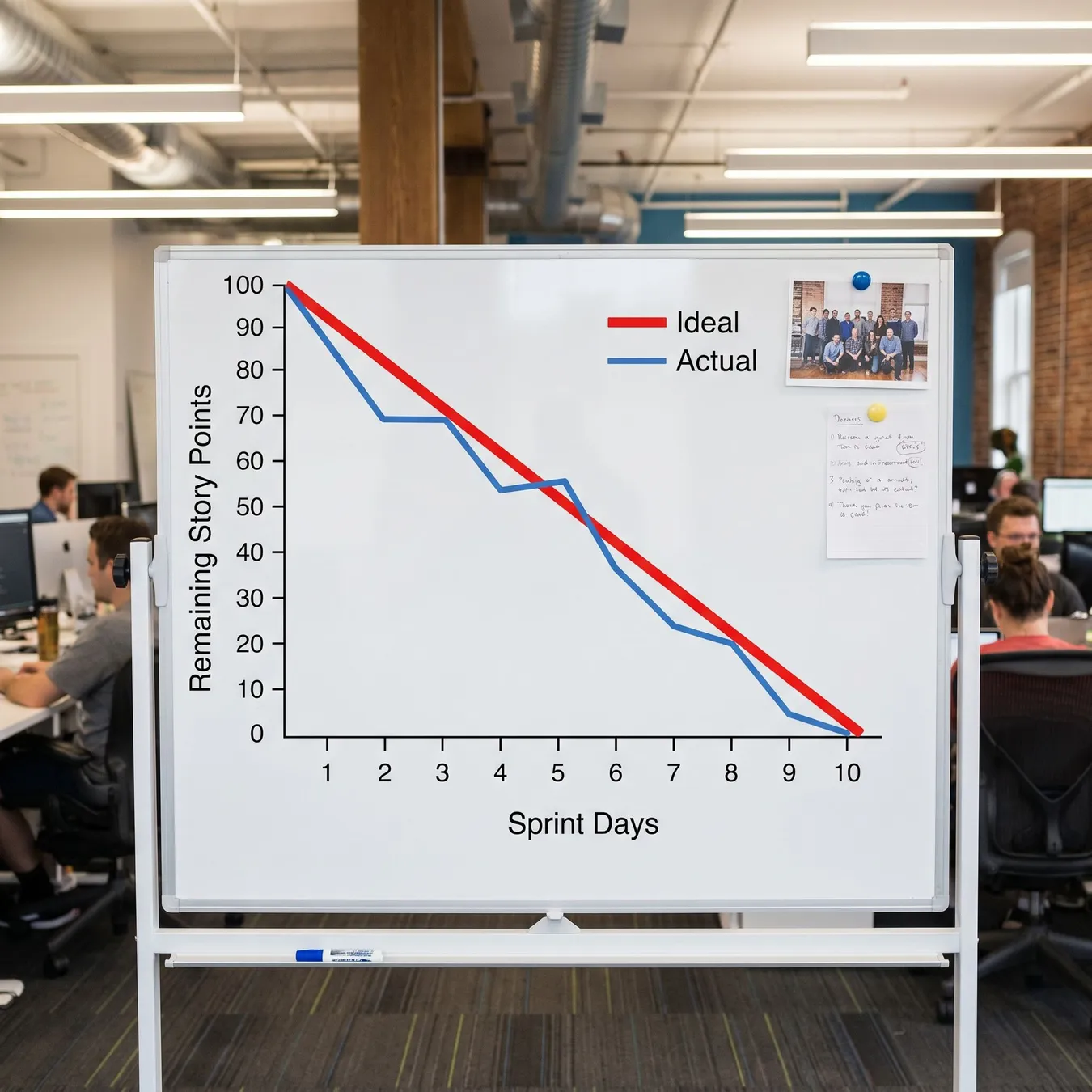
Healthy sprint execution based on accurate capacity.
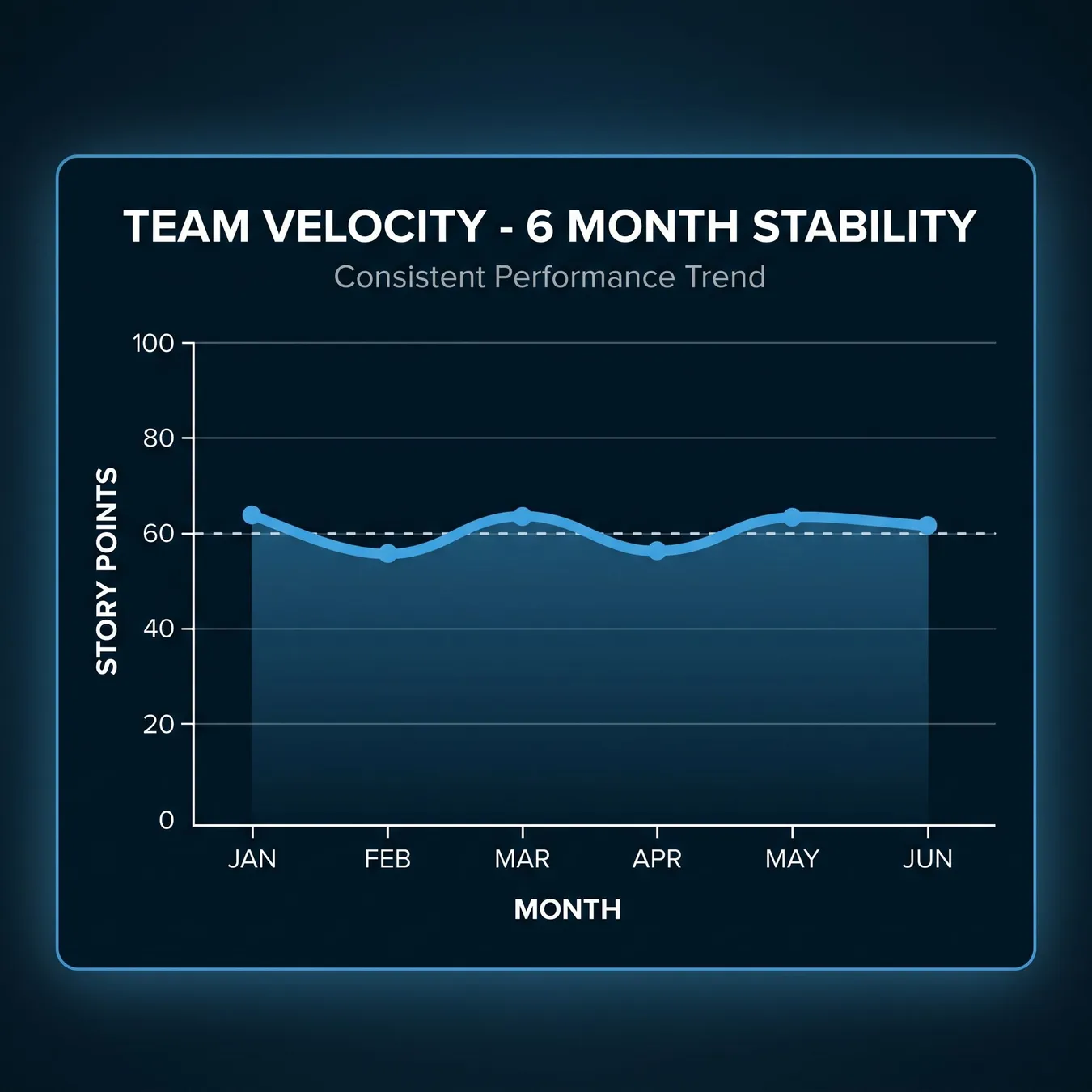
Long-term velocity trends for roadmap forecasting.
Advanced Capacity Planning Strategies
For scaling teams, capacity planning becomes a strategic necessity. It allows leadership to manage expectations with stakeholders and prevent the burnout that comes from constant over-commitment.
The Focus Factor
The focus factor is the ratio of velocity to capacity. A declining focus factor often indicates that the team is being pulled into too many meetings or interrupted by external requests.
Checklist for Your Next Sprint Planning
Review average velocity from the last 3 sprints.
Confirm all team PTO and holidays.
Account for on-call or support rotations.
Set a 'Focus Factor' based on recent interruptions.
Validate the backlog against the calculated capacity.
Bridging Metrics to Execution
Understanding these metrics is only the first step. At Studio 402, we help engineering teams move beyond basic tracking into high-performance delivery systems.
Whether you are struggling with unpredictable sprints or need to scale your engineering culture, our advisory services provide the architectural and process depth required for production-grade outcomes.
Predictability isn't about working harder; it's about aligning your historical data with your current reality.
Engineering Lead · Studio 402 Partner
Next Steps for Engineering Leaders
If your current sprint planning feels like guesswork, it may be time to audit your delivery pipeline and implement more robust capacity modeling.
Build a High-Velocity Engineering Team
Need to stabilize your engineering delivery? Let's build a predictable roadmap together.
Trusted by venture-backed startups to scale engineering delivery.
Updated July 2026
Keep reading
More in Engineering Velocity & Metrics
Summary of Key Takeaways
- Velocity is your team's historical track record.
- Capacity is your team's current availability.
- Always plan based on the lower of the two values.
- Track technical debt to understand velocity drag.
- Use capacity planning to prevent developer burnout.
By mastering the balance between velocity and capacity, you can transform your scrum process from a source of stress into a reliable engine for product growth.
Continuous Improvement
Remember that these metrics should evolve with your team. As you refine your process, your predictability will naturally increase.
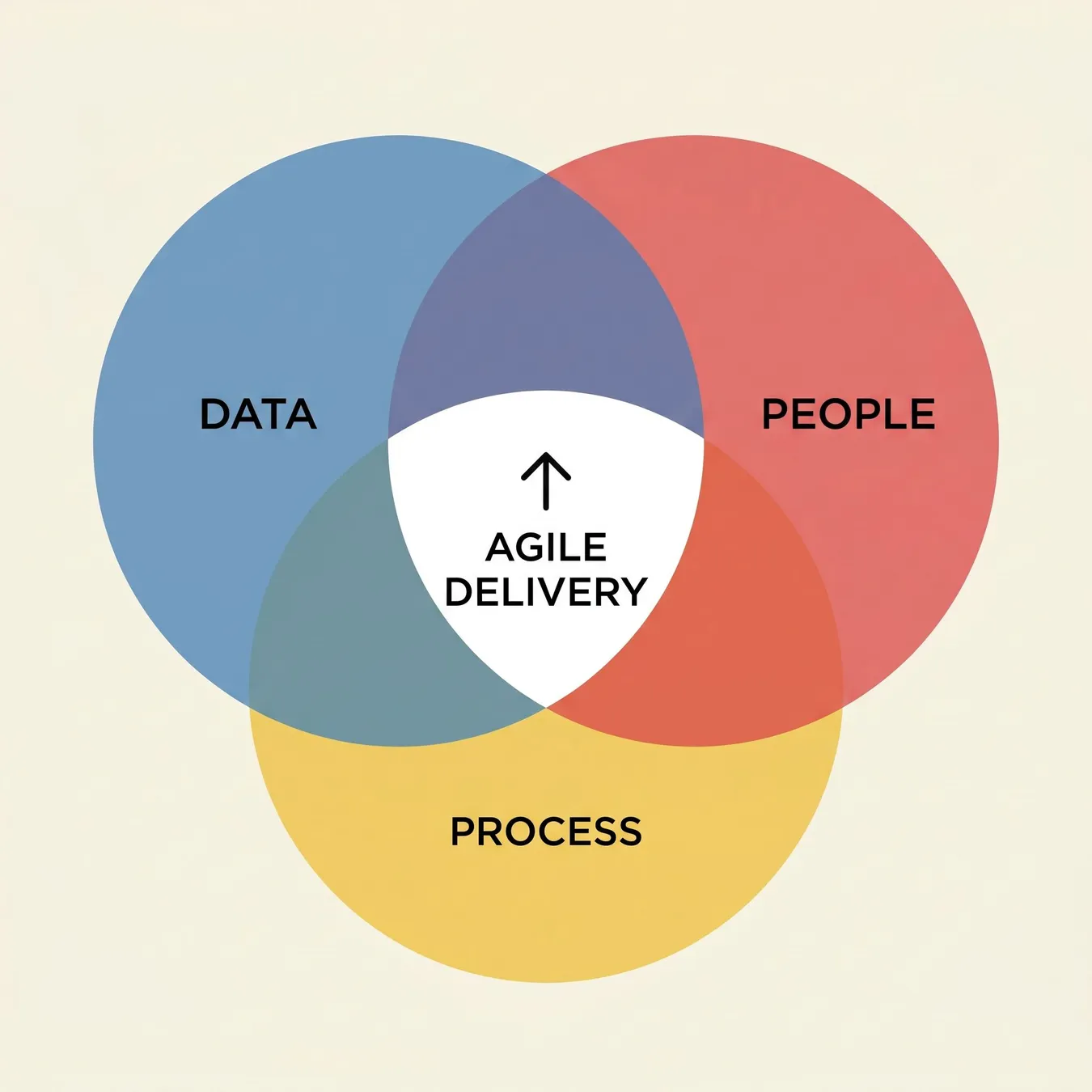
The intersection of metrics and human-centric planning.
For more insights on optimizing your engineering performance, explore our full range of technical consulting resources.