
Quantifying Technical Debt: Measuring Engineering Drag
Technical debt is the hidden tax on every feature you ship. Without a framework for quantifying technical debt, engineering leaders often struggle to justify refactoring work to non-technical stakeholders, leading to a permanent slowdown in shipping speed.
23-42%
Engineering time lost to technical debt
3.5x
Increase in bug rates in high-debt codebases
60%
Reduction in velocity over two years without refactoring
The Core Framework for Technical Debt Metrics
To move from gut feelings to data-driven decisions, you must track specific technical debt metrics that correlate directly with output. These KPIs help visualize the 'drag' that legacy code and architectural shortcuts impose on your team.
- Cycle Time: The total time from work start to production delivery.
- Change Failure Rate: The percentage of deployments causing a failure.
- Code Churn: How often specific files are modified, signaling instability.
- Rework Ratio: The percentage of effort spent fixing existing features vs. new ones.

Visualizing the correlation between rising debt and falling velocity.
Effective Strategies for Identifying Technical Debt
Finding debt requires more than just looking at old code. You need effective strategies for identifying technical debt in engineering teams that combine automated scanning with developer sentiment analysis.
- 01
Static Analysis: Use tools to find cyclomatic complexity and security vulnerabilities.
- 02
Developer Friction Surveys: Ask the team which areas of the codebase are hardest to modify.
- 03
Hotspot Mapping: Identify files with high churn and high complexity.
- 04
Architecture Reviews: Compare current state against the target scalable architecture.
Differentiating Debt from Workflow Bottlenecks
It is critical to distinguish between code-level issues and process-level workflow bottlenecks. While debt slows down the developer's ability to write code, bottlenecks slow down the code's path to the customer.
Info.
// The Drag Coefficient
Quantifying the Financial Cost of Debt
To get executive buy-in, you must translate engineering drag into currency. Calculate the 'Interest Payment' by multiplying the percentage of time spent on rework by the total engineering payroll.
| Metric | Calculation | Business Impact |
|---|---|---|
| Interest Paid | Rework % * Payroll | Direct Capital Waste |
| Opportunity Cost | Velocity Loss * Avg Revenue/Feature | Delayed Market Entry |
| Risk Premium | Failure Rate * Cost of Downtime | Brand Reputation Damage |
Managing Debt in Agile Environments
Balancing agile and technical debt requires a disciplined approach to sprint planning. If you only focus on feature velocity, your 'interest' will eventually consume your entire capacity.
Allocate 20% of every sprint to debt reduction.
Tag Jira tickets with 'Tech Debt' for tracking.
Prioritize debt that impacts the most frequent changes.
Ignore debt until the system stops moving.
Refactor code that is rarely touched or changed.
Treat all debt as equally urgent.
The Role of Infrastructure in Velocity
Often, the drag isn't in the application code but in the deployment pipeline. Addressing infrastructure technical debt is essential for teams that find themselves 'stuck' during the release phase.
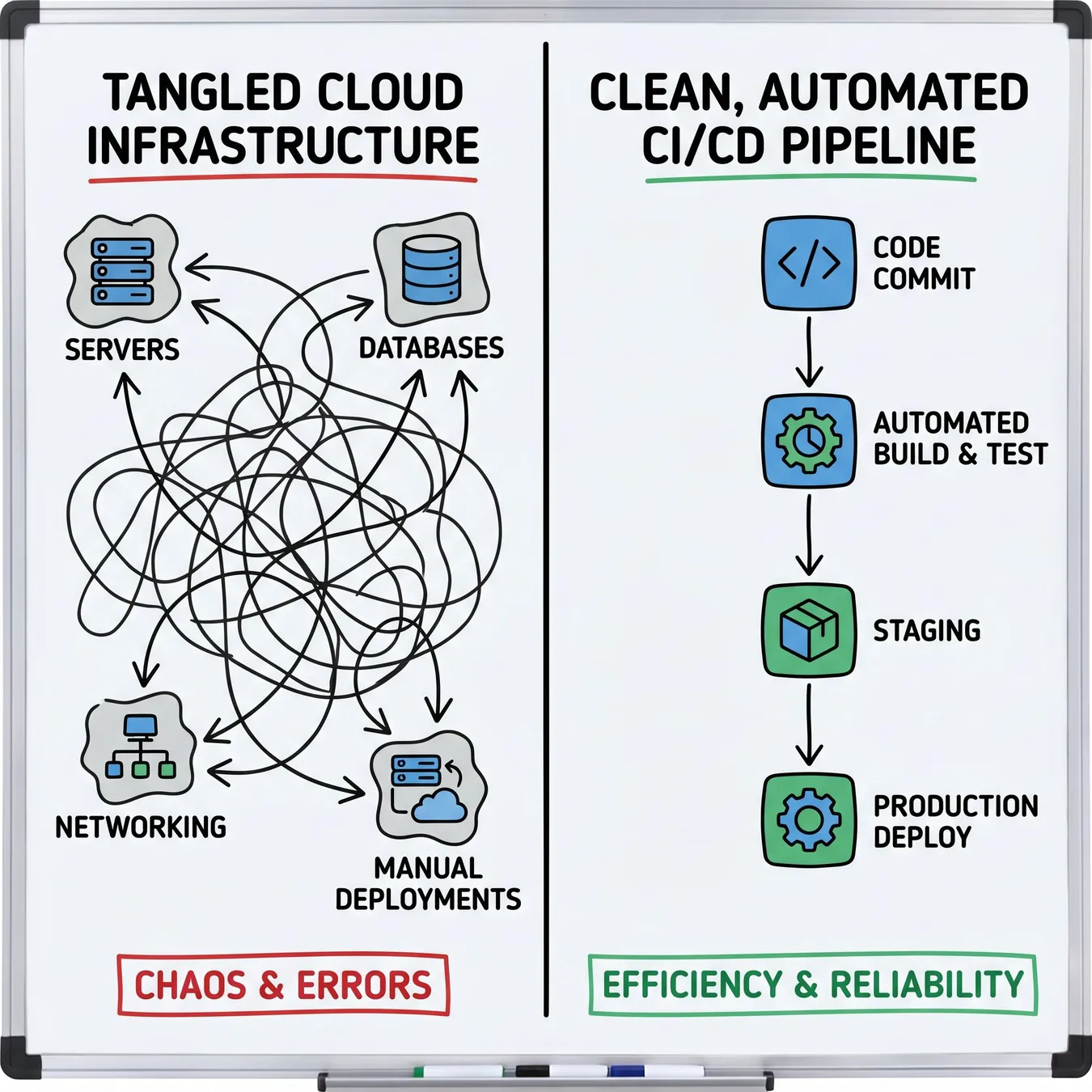
Infrastructure debt can be just as costly as code debt.
Remediation: From Measurement to Action
Once you have quantified the drag, you need technical debt reduction strategies that align with your business goals. This usually involves a mix of incremental refactoring and dedicated 'cooldown' periods.
The Refactoring Roadmap
01 / 04
phase 01 / 04
Audit
phase 02 / 04
Categorize
phase 03 / 04
Prioritize
phase 04 / 04
Execute
Common Questions on Technical Debt Quantification
The Risk of Ignoring the Metrics
Ignoring these metrics leads to a 'Technical Debt Death Spiral' where the cost of maintenance exceeds the capacity for innovation. Eventually, the codebase becomes a liability rather than an asset.
If you don't actively manage your technical debt, your technical debt will eventually manage your product roadmap.
Engineering Lead · Studio 402 Advisory
When to Seek External Help
Sometimes the debt is so deep that the internal team cannot dig themselves out while maintaining current operations. This is where the best developer productivity companies for technical debt management come in.
Trade-off
4 pros · 3 cons
Pros
Unbiased audit of existing architecture
Accelerated refactoring without stopping feature work
Implementation of modern CI/CD and observability
Senior guidance on build-vs-buy decisions
Cons
Initial overhead for knowledge transfer
Requires temporary access to sensitive codebases
Cost of high-level engineering expertise
How Studio 402 Restores Engineering Velocity
At Studio 402, we specialize in rescuing products that have hit a 'velocity wall.' We don't just point out the problems; we embed with your team to audit, stabilize, and refactor codebases that have become too fragile to scale.
Whether you are dealing with a 'vibe-coded' prototype that won't scale or a legacy monolith that has slowed shipping to a crawl, we provide the production-grade engineering required to turn your software back into a competitive advantage.
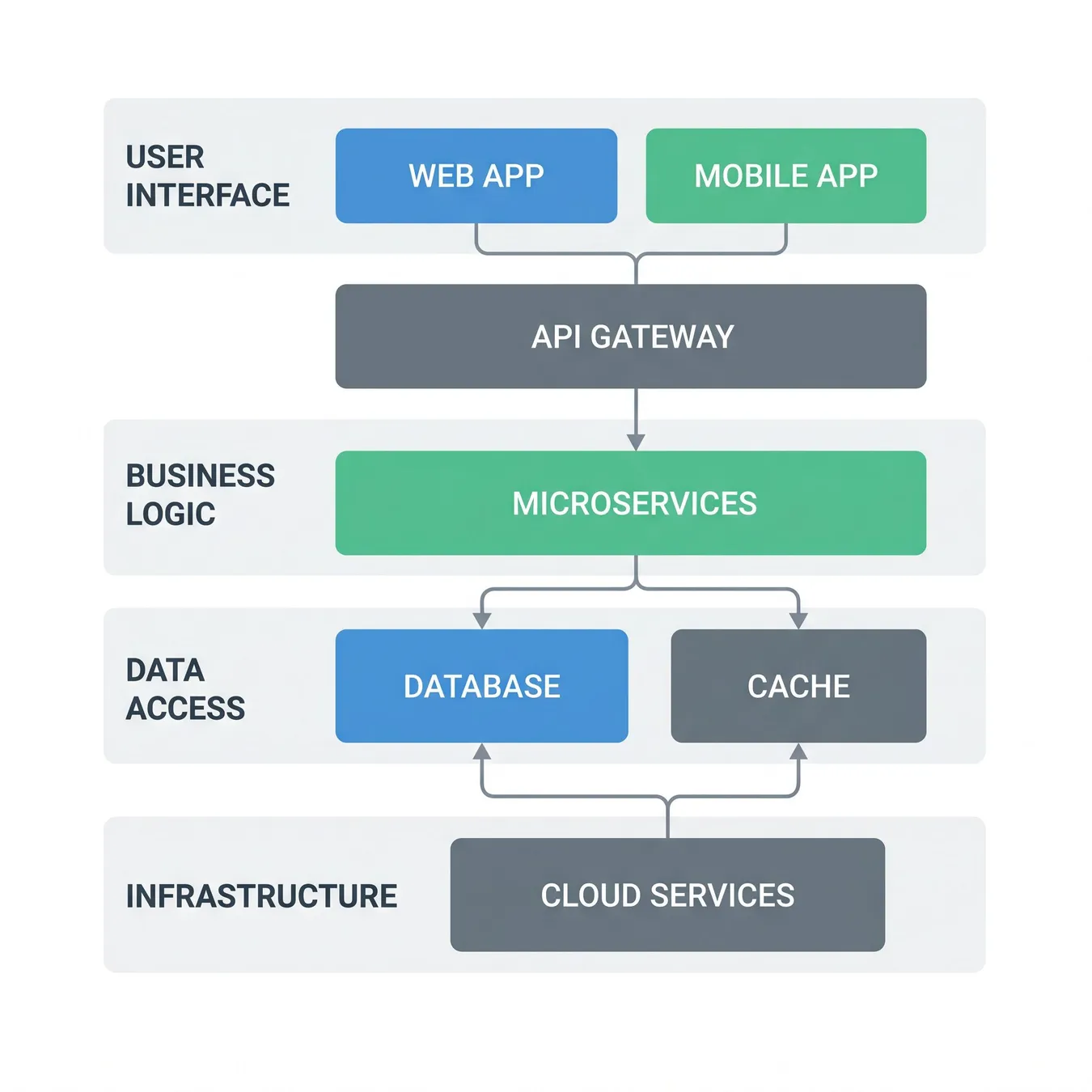
Architecting for long-term maintainability.

Restoring the ability to ship daily.
Next Steps for Engineering Leaders
Calculate your current rework ratio for the last three sprints.
Identify the top three 'hotspot' files in your codebase.
Survey your developers on their biggest daily frustrations.
Schedule a technical debt audit with an external partner.
Studio 402 has helped over 50 teams recover 30%+ of their engineering capacity through strategic debt management.
Based on 2025-2026 engagement data.
Stop the Drag on Your Engineering Team
If technical debt is slowing your roadmap, let's build a plan to fix it. We audit, refactor, and scale complex systems for growth-stage teams.
Deep Dives on Engineering Performance
Related Resources
Explore our other guides on engineering leadership, scaling infrastructure, and optimizing the software development lifecycle to keep your team shipping at peak performance.
Keep reading
More in Engineering Velocity & Metrics
- Engineering Leadership
- Metrics
- Technical Debt
- Velocity
- Refactoring
Summary of Quantification Steps
- 01
Establish baseline velocity and cycle time.
- 02
Measure rework and bug-fix ratios.
- 03
Conduct developer sentiment surveys.
- 04
Map code complexity hotspots.
- 05
Calculate the financial cost of the drag.
- 06
Present findings with a clear ROI for refactoring.
By following this framework, you transform technical debt from a vague complaint into a manageable business metric. This clarity is the first step toward a healthier, faster engineering culture.
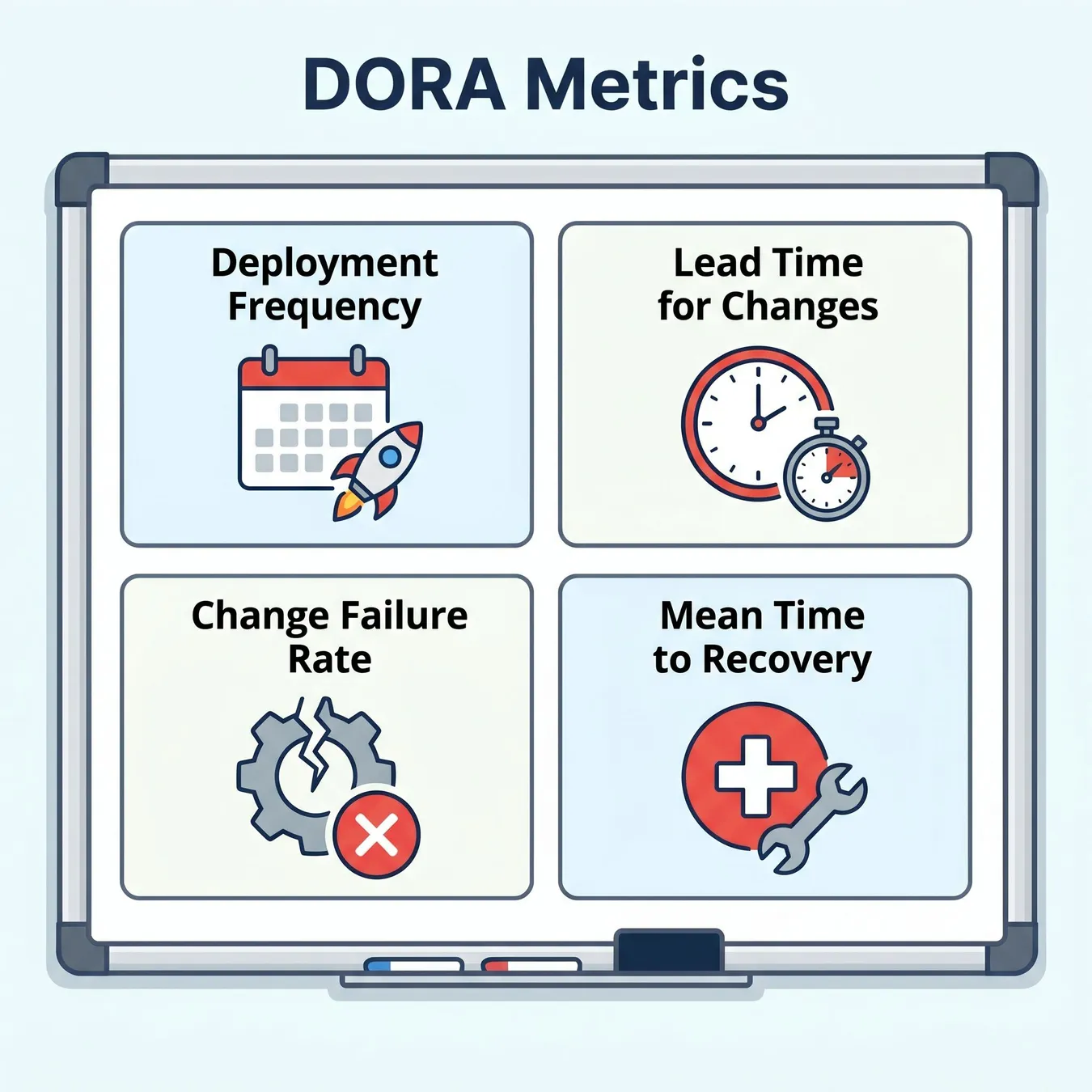
Watch: Using DORA metrics to spot hidden debt.
Final Thoughts on Engineering Excellence
Engineering excellence isn't about writing perfect code; it's about maintaining a system that is easy to change. Quantifying debt gives you the leverage to protect that ease of change.
Studio 402's audit gave us the data we needed to convince our board that a three-week refactor would actually speed up our quarterly launch. They were right.
Ready to restore your shipping speed? Contact Studio 402 today at studio@402.studio to discuss your codebase audit.