
Overview
Optimizing Code Review Load for Engineering Velocity
Eliminate PR backlogs and accelerate shipping cycles by balancing review throughput with active development.
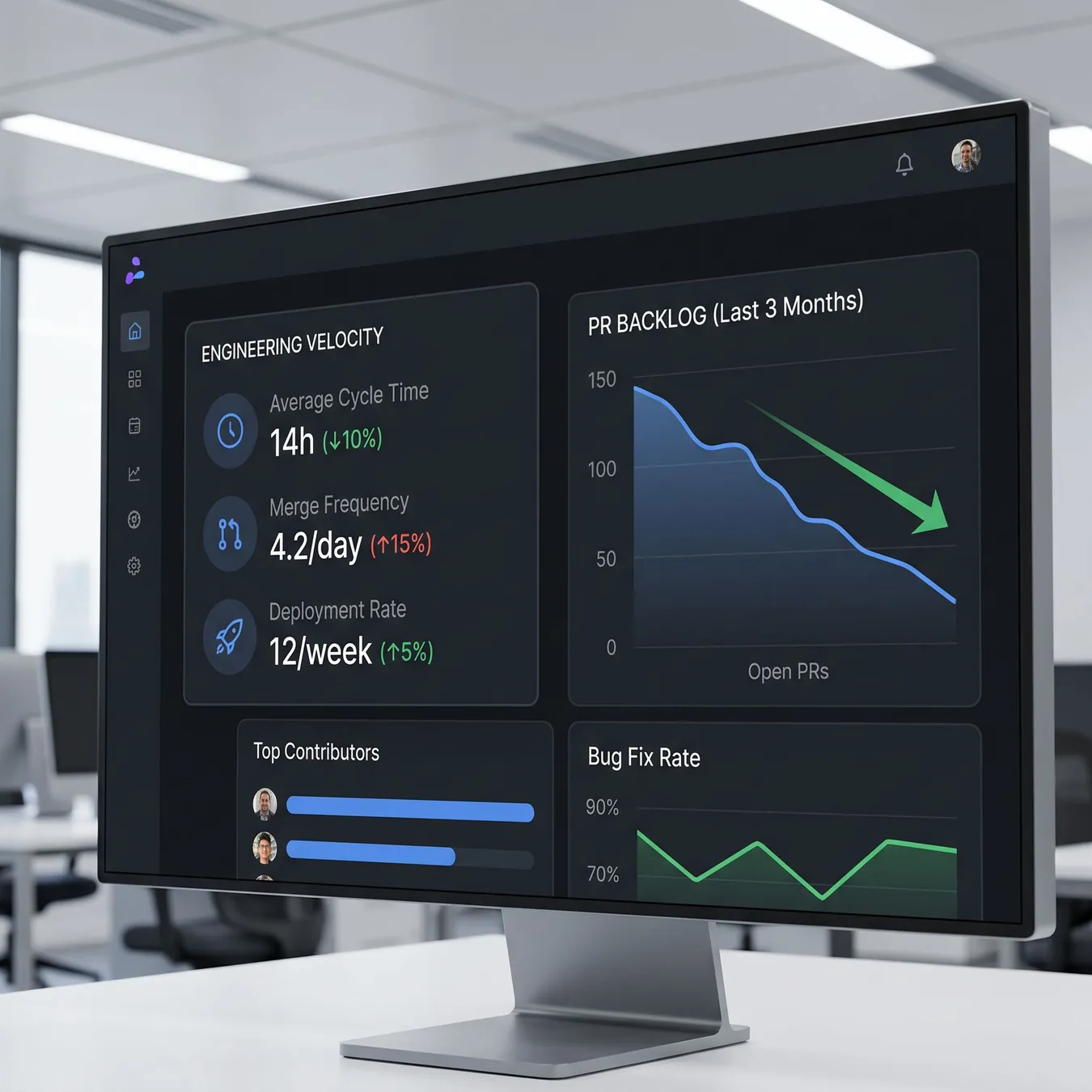
Code Review Load Best Practices for High-Velocity Teams
High-velocity engineering teams often face a common paradox: the more they code, the slower they ship. This is frequently caused by a code review load that exceeds the team's capacity to process it. When pull requests (PRs) sit idle, they create workflow bottlenecks that stall delivery and increase context-switching costs.
48 Hours
Average PR Idle Time in Bottlenecked Teams
30%
Velocity Increase via Review Optimization
2.4x
Higher Shipping Frequency for Elite Teams
Understanding the Impact of Review Load on Throughput
Managing code review throughput best practices requires a shift from viewing reviews as a hurdle to seeing them as a core part of the development cycle. High load isn't just about volume; it's about the distribution of work across the team.
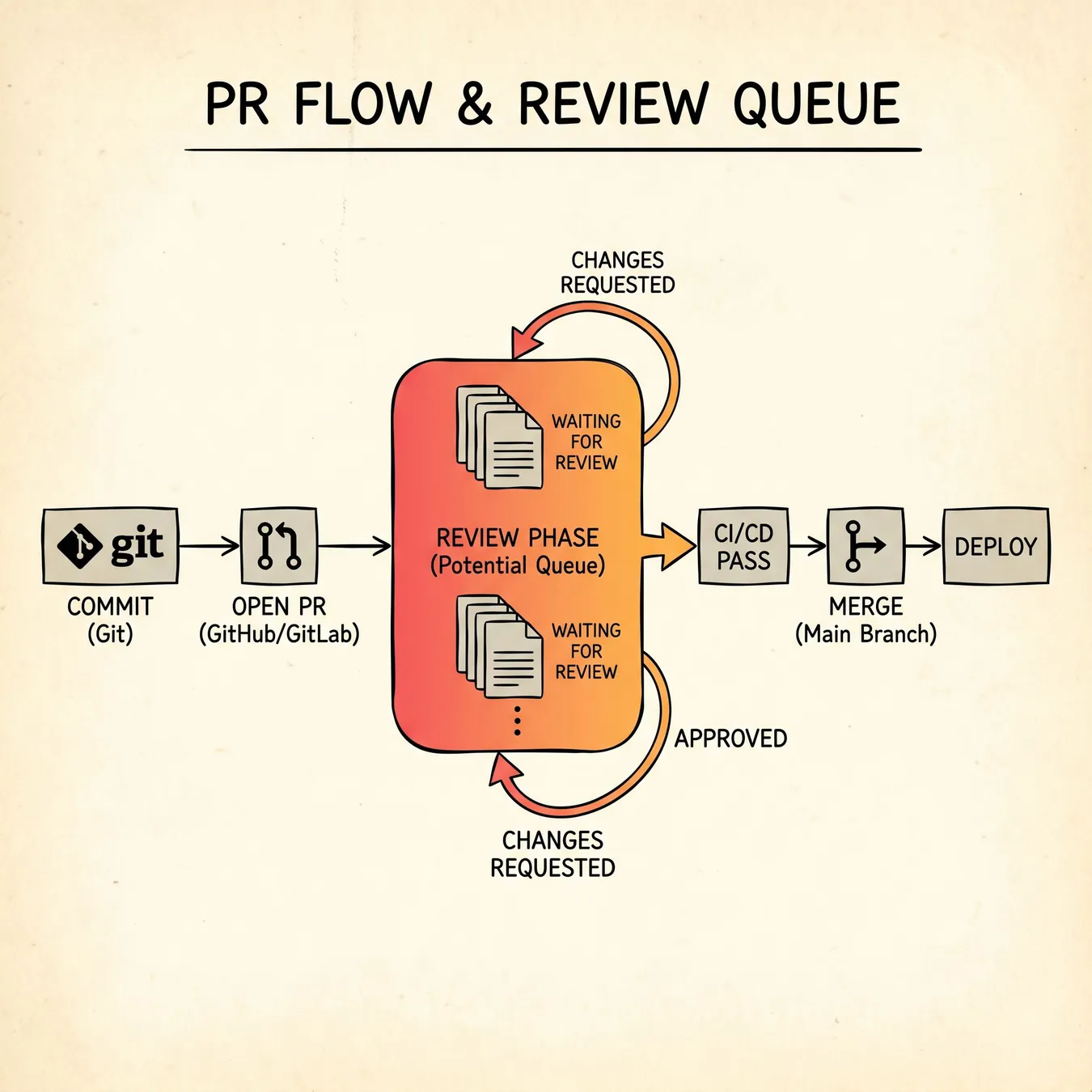
The lifecycle of a PR and where latency typically accumulates.
Core Principles of Code Review Load Management
- Limit Work in Progress (WIP) at the review stage.
- Prioritize reviewing others' code over starting new features.
- Standardize PR sizes to ensure quick turnaround times.
- Implement automated linting and testing to reduce manual overhead.
Reducing Lead Time Through Review Efficiency
One of the most effective ways of improving engineering velocity is to focus on the 'Review Time' component of your lead time. By reducing the time a PR spends waiting for a human eye, you directly shorten the path to production.
The Cost of Large Pull Requests
Large PRs are the primary enemy of throughput. They take longer to review, are more likely to contain bugs, and often lead to 'rubber-stamping' where reviewers approve without deep scrutiny due to fatigue.
Break large features into small, logical commits.
Use feature flags to merge code before it is fully live.
Provide clear descriptions and context in every PR.
Submit PRs with more than 400 lines of changed code.
Include unrelated refactors in a feature PR.
Wait until Friday afternoon to submit complex reviews.
Implementing Modern Code Review Standards
Establishing code review best practices ensures that every developer knows what is expected of them, both as an author and a reviewer. This clarity reduces the back-and-forth that inflates review load.
Leveraging Automation and AI Tools
Modern stacks often utilize sonar ai-assisted software development company bitbucket code review tools to offload the 'boring' parts of reviews. Automation can handle style checks, security vulnerabilities, and basic logic errors, leaving seniors to focus on architecture.
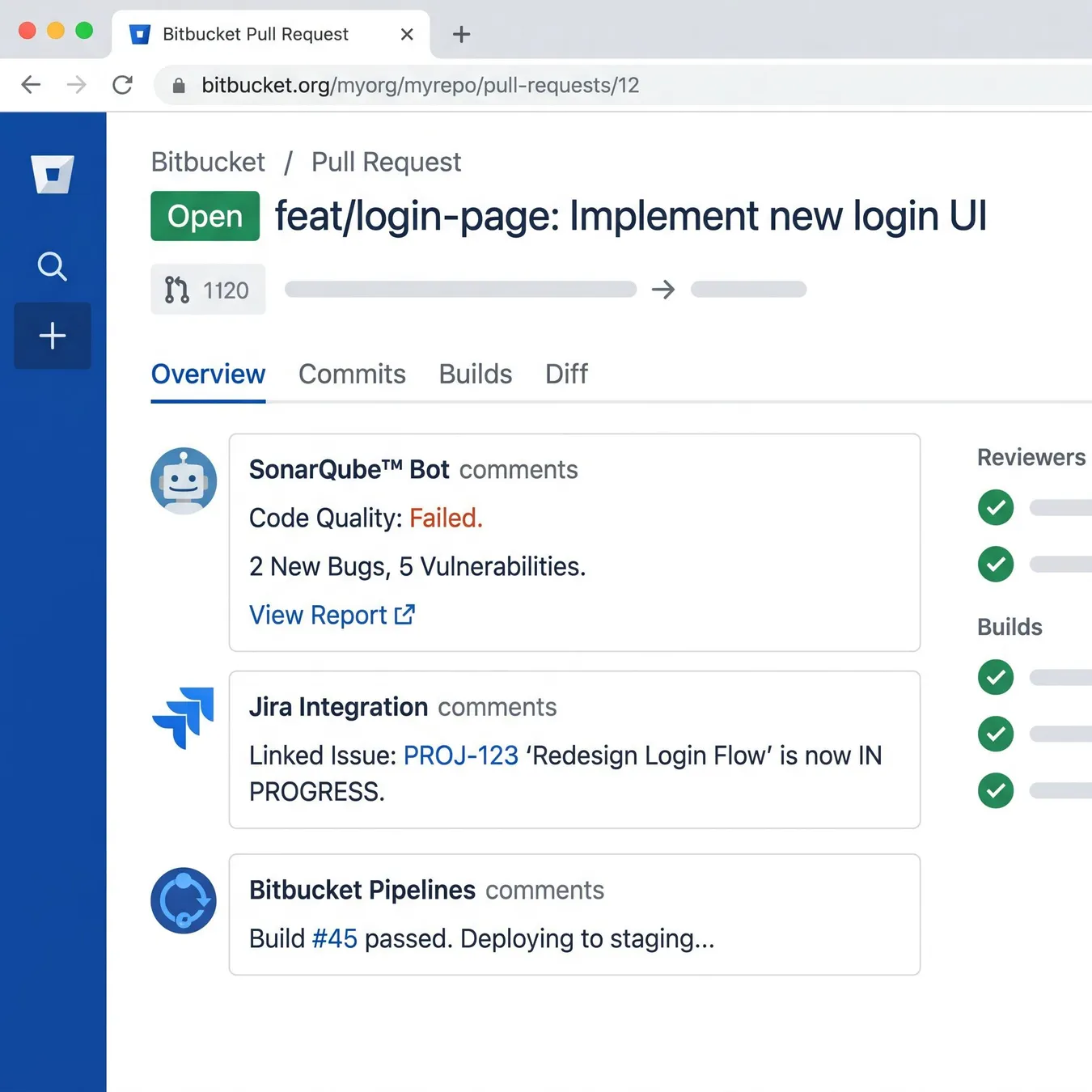
Automated feedback in the review UI.
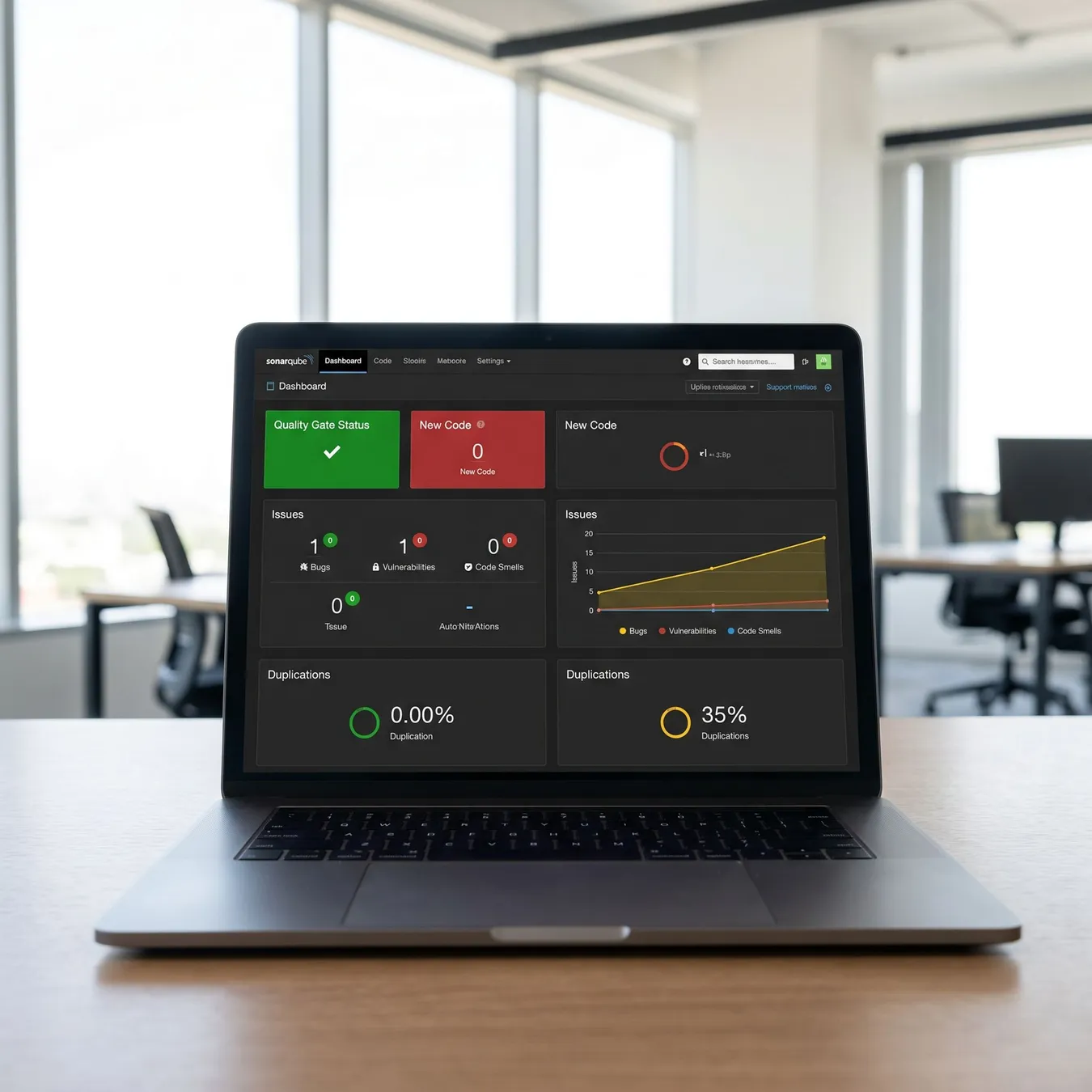
Static analysis reducing manual review burden.
Measuring Review Performance
| Metric | Target | Impact |
|---|---|---|
| PR Pickup Time | < 4 Hours | Reduces developer idle time |
| Review Cycle Time | < 24 Hours | Accelerates shipping frequency |
| Comments per PR | 3 - 10 | Balances quality and speed |
The Relationship Between Review Load and Lead Time
To truly optimize, leaders must understand the lead time in software development. If the review stage accounts for more than 20% of your total lead time, your process is likely over-engineered or under-resourced.
Strategies for Balancing Review Capacity
- 01
Designate 'Reviewer of the Day' rotations.
- 02
Implement 'Review Hours' where the team focuses solely on PRs.
- 03
Use pair programming for complex features to bypass the async review.
- 04
Audit your PR backlog weekly to identify stale code.
Common Anti-Patterns in Code Review
Cultural Shifts for High-Velocity Engineering
Optimizing load is as much about culture as it is about tools. Teams must value the 'unblocking' of others as highly as they value their own individual contributions. This collective ownership is the hallmark of elite engineering organizations.
The goal of code review is not to find every mistake, but to ensure the code is maintainable and the team is learning together.
Senior Engineering Lead · Studio 402
Checklist for Optimizing Your Review Process
Automated linting and unit tests pass before human review.
PR descriptions include 'Why' and 'How' context.
Reviewers respond to new PRs within 4 working hours.
Large PRs are broken down into smaller chunks.
Bridging the Gap to Production-Ready Systems
If you are struggling with a persistent PR backlog or shipping delays, it may be time to look at your underlying engineering infrastructure. At Studio 402, we help teams audit their workflows and implement the systems needed to scale without friction.
Info.
// Scale-Ready Engineering
How Studio 402 Accelerates Your Delivery
We don't just consult; we build. Whether you need to rescue a 'vibe-coded' prototype or harden your cloud infrastructure for the next 100k users, our team provides the senior engineering leverage required to ship production-grade software.
Our Approach to Engineering Efficiency
01 / 03
phase 01 / 03
Workflow Audit
phase 02 / 03
Automation Layer
phase 03 / 03
Process Hardening
Frequently Asked Questions
Trusted by growth-stage startups to ship production-ready code.
Studio 402 Engineering Excellence 2026
Ready to Unblock Your Engineering Team?
Let's audit your workflow and build the systems your product needs to scale. Start a conversation with our senior engineering team today.
Explore More Engineering Insights
Keep reading
More in Engineering Velocity & Metrics
Optimizing your engineering team is a continuous journey. By focusing on review load, you are investing in the long-term health and velocity of your entire organization.
- Engineering Velocity
- Code Quality
- Scaling Teams
- DevOps
For more information on how to measure these impacts, visit our hub on engineering velocity metrics.
Final thoughts: A healthy code review process is the heartbeat of a high-performing team. Don't let it become a bottleneck.
Summary of Best Practices
- Small PRs (<400 lines)
- Automated first-pass reviews
- Clear ownership and rotations
- Metric-driven optimization
Thank you for reading our guide on code review load management.