
AI Agents for Automation in Software Development Lifecycle
Modern engineering teams are increasingly turning to ai agents for automation in software development lifecycle to eliminate manual friction. These autonomous tools go beyond simple autocomplete, managing complex tasks across the entire delivery pipeline.
- Engineering Velocity
- AI-Native SDLC
- DORA Metrics
- Agentic Workflows
The primary goal is to automate software development lifecycle stages that traditionally require high cognitive load and manual handoffs. By delegating these to agentic systems, teams can focus on high-level architecture and product strategy.
40%
Reduction in Lead Time
3x
PR Review Velocity
85%
Developer Satisfaction
The Shift to Agentic AI in Engineering
Unlike first-generation AI assistants that required constant prompting, the best agentic ai coding agents full software development lifecycle operate with a degree of autonomy. They can plan multi-step tasks, execute code, and verify results.
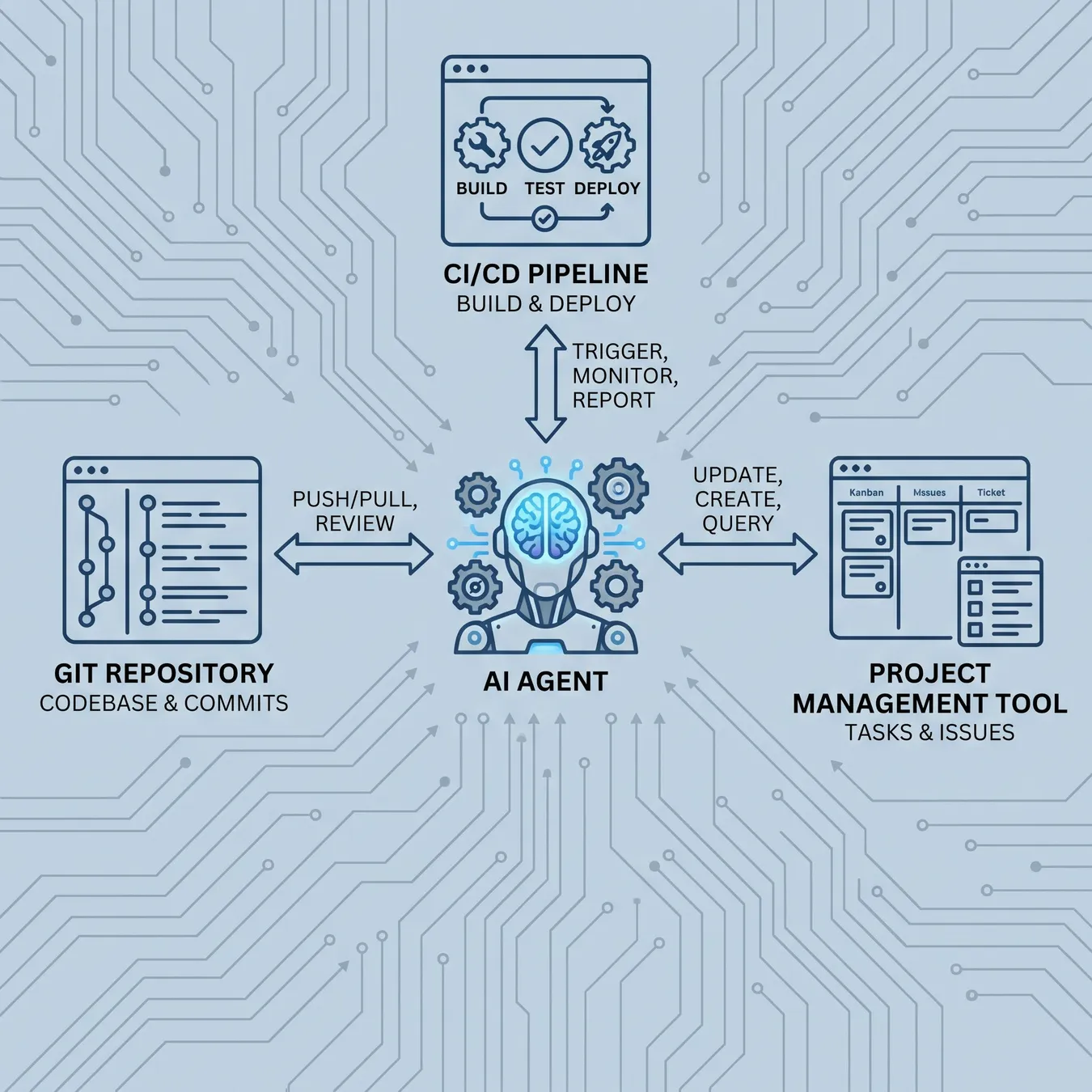
Autonomous agents orchestrating tasks across different engineering platforms.
Key Automation Areas in the SDLC
Automation is no longer limited to just testing or deployment. AI agents now participate in requirement analysis, architectural drafting, and even security hardening.
- Automated ticket refinement and story pointing
- Context-aware code generation and refactoring
- Autonomous bug detection and patch generation
- Infrastructure-as-Code (IaC) optimization
- Dynamic documentation updates
Improving DORA Metrics with AI Agents
By reducing the manual labor involved in the 'commit-to-deploy' phase, agents significantly lower the lead time software development. This acceleration directly impacts a team's DORA performance and overall business agility.
Info.
// Metric-Driven Automation
Automating Code Reviews and Quality Assurance
One of the most effective applications is implementing code review automation best practices. Agents can handle style checks, security vulnerability scans, and logic verification before a human ever opens the PR.
Use agents for repetitive boilerplate reviews
Integrate agents directly into your CI pipeline
Set clear boundaries for agent autonomy
Replace human oversight for critical security logic
Ignore agent false positives without tuning
Overload developers with too many automated comments
Strategic Implementation of Agentic Workflows
Successfully integrating ai in software development requires a shift in how we think about the developer experience. It is about creating a collaborative environment where agents handle the 'toil' while humans handle the 'intent'.
01 / 03
phase 01 / 03
Audit
phase 02 / 03
Pilot
phase 03 / 03
Scale
Measuring Success with AI-Assisted Engineering
A code climate company overview ai-assisted software development analysis often reveals that teams using agents see a marked decrease in technical debt. The consistency of AI-driven checks ensures that quality standards are met every time.
| Metric | Before AI Agents | After AI Agents |
|---|---|---|
| Lead Time | 5 Days | 2 Days |
| Deployment Frequency | Weekly | Daily |
| MTTR | 4 Hours | 45 Minutes |
Common Challenges in Agent Adoption
While the benefits are clear, adoption is not without hurdles. Issues like context window limitations and 'hallucinations' in complex codebases require careful management.
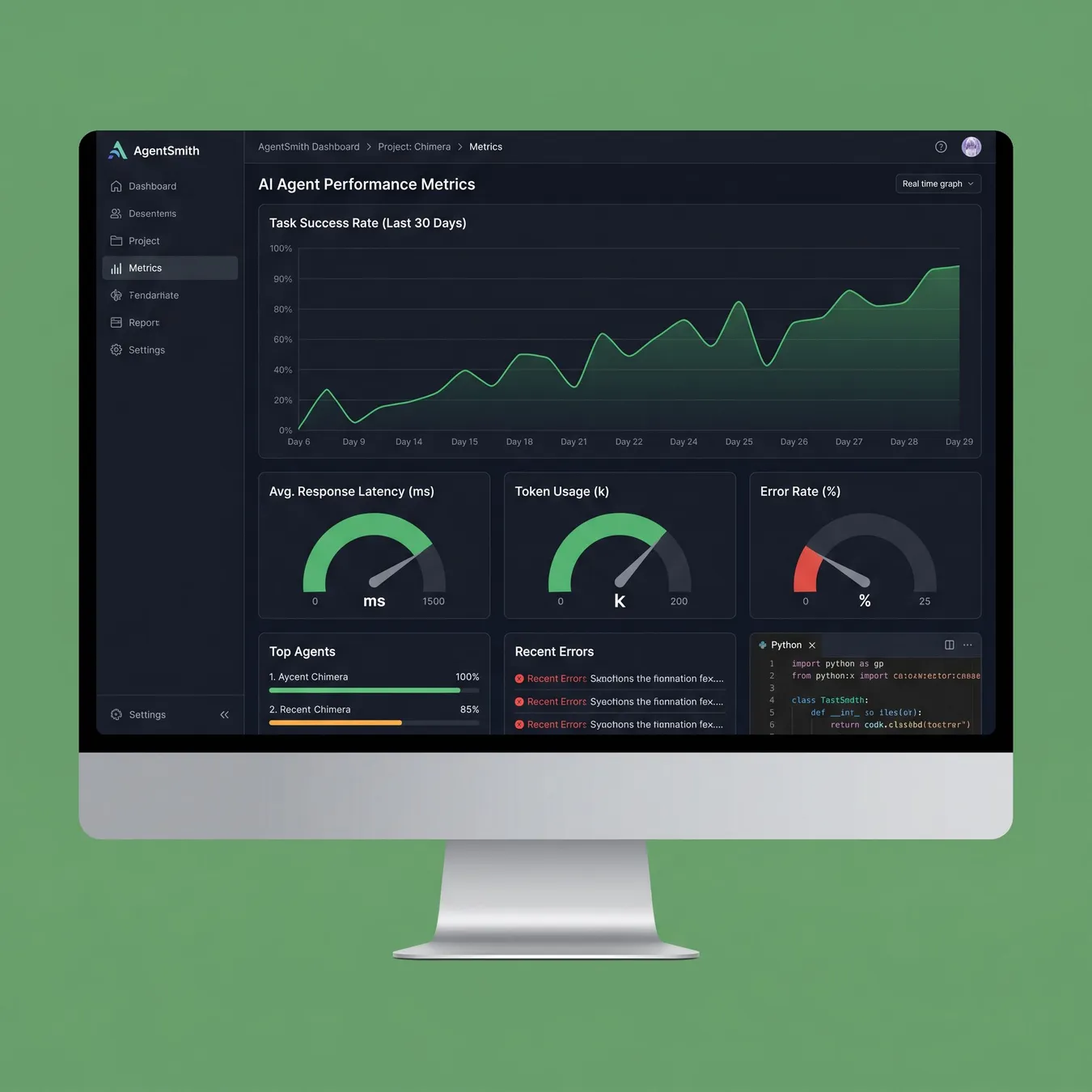
Monitoring agent accuracy and contribution.
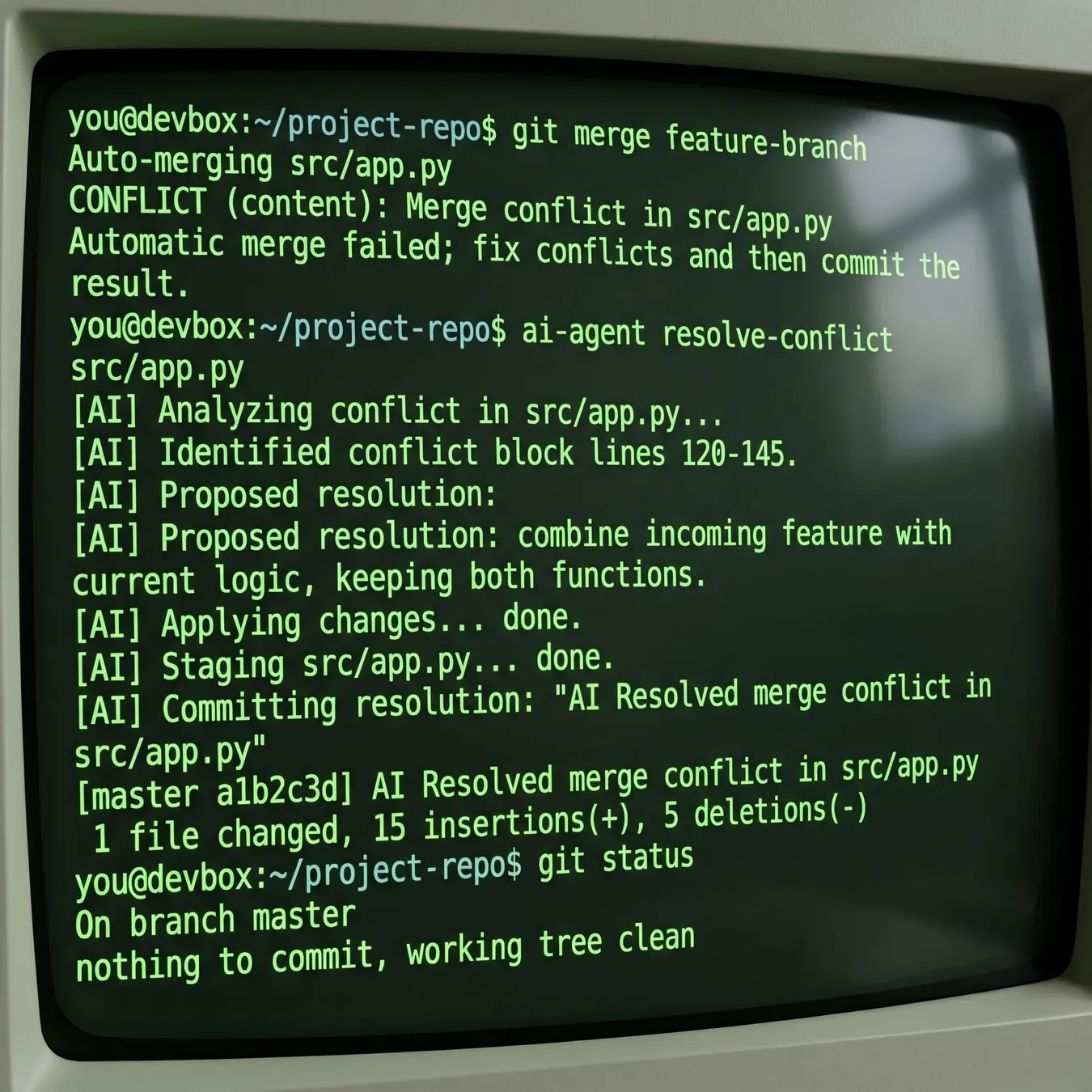
Agents handling complex git operations.
The Future of AI-Native Engineering Teams
We are moving toward a future where the SDLC is 'agent-first'. In this model, the primary role of the engineer is to design the system and supervise the agents that build and maintain it.
AI agents aren't just tools; they are the new infrastructure of high-velocity software delivery.
Senior Engineering Lead · Studio 402 Partner
Choosing the Right Agentic Tools
Selecting the right toolset is critical. You need agents that understand your specific stack, security requirements, and organizational workflows.
Multi-repo context awareness
Integration with Jira/Linear
Self-healing test capabilities
Automated security patching
Security and Compliance in AI Automation
Automating the SDLC introduces new security vectors. It is essential to ensure that agents operate within a 'least privilege' model and that all AI-generated code is audited.
Warning.
// Security First
The Role of Human Oversight
Agents excel at execution, but humans remain the masters of intent. The most successful teams use a 'human-in-the-loop' model for all architectural decisions.
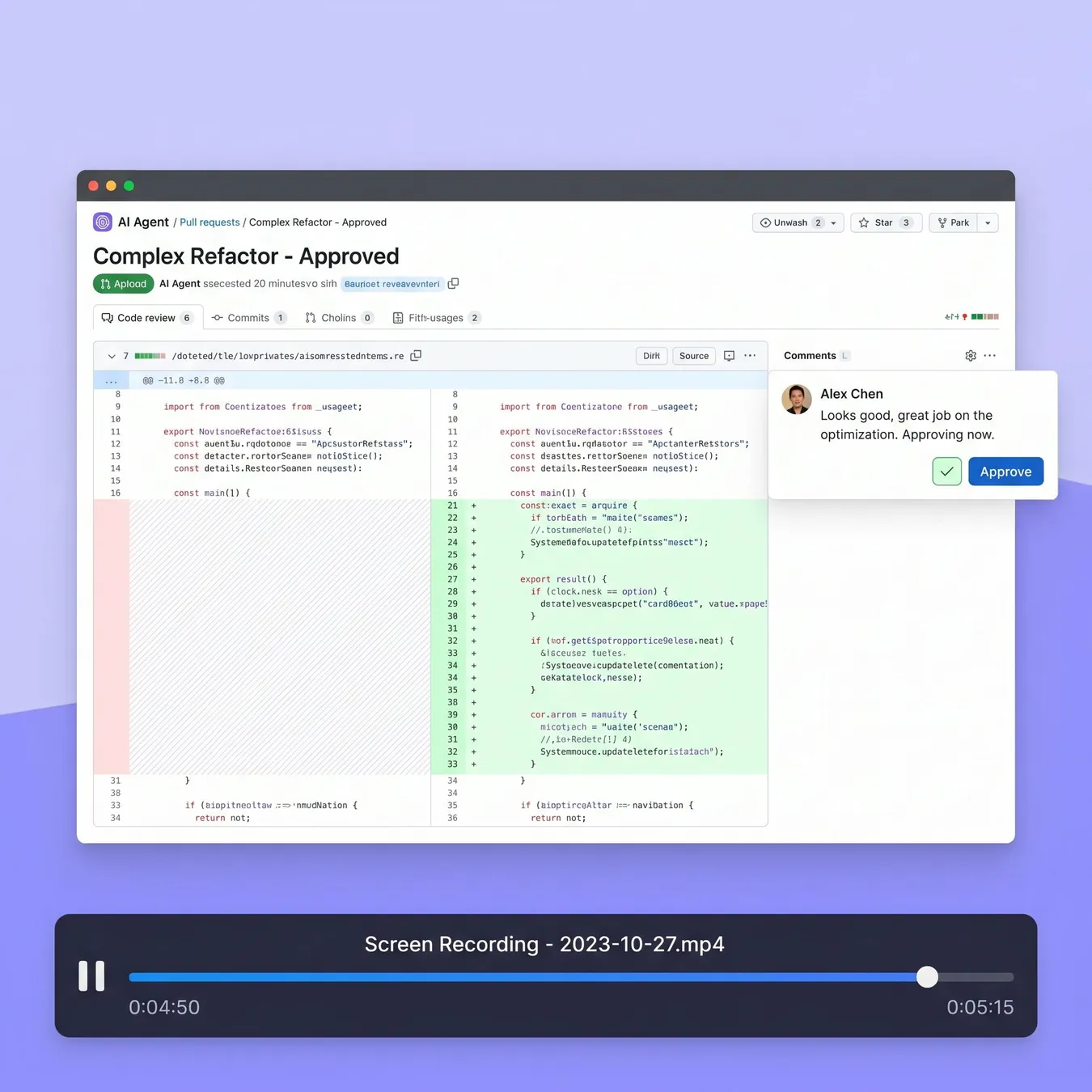
The collaborative workflow between human and agent.
Scaling AI Automation Across the Org
Scaling from one team to an entire department requires standardized agent configurations and shared learning libraries to ensure consistency.
- 01
Establish a central AI-Ops guild
- 02
Standardize agent prompts and personas
- 03
Create a shared repository of agent 'skills'
- 04
Monitor cross-team velocity impact
Bridging the Gap with Studio 402
If you are looking to implement these advanced systems but find your current infrastructure or codebase is holding you back, Studio 402 can help. We specialize in building the durable systems that make AI-native engineering possible.
From rescuing vibe-coded prototypes to architecting custom agentic workflows, we provide the technical leadership needed to turn AI potential into production reality.
Frequently Asked Questions
Studio 402 has helped dozens of teams scale their engineering velocity using AI-native systems.
Trusted by venture-backed startups and growth-stage companies.
Scale Your Engineering Velocity
Ready to eliminate engineering bottlenecks and build a high-velocity, AI-native SDLC? Let's discuss your roadmap.
Keep reading
More in Engineering Velocity & Metrics
Technical Debt and AI Automation
AI agents are particularly effective at identifying and refactoring technical debt that humans often overlook due to time constraints. This proactive maintenance ensures long-term codebase health.
25%
Debt Reduction
50%
Code Coverage Increase
Infrastructure as Code (IaC) Automation
Modern agents can manage cloud infrastructure by generating and updating Terraform or Pulumi scripts, ensuring that your environment always matches your application requirements.
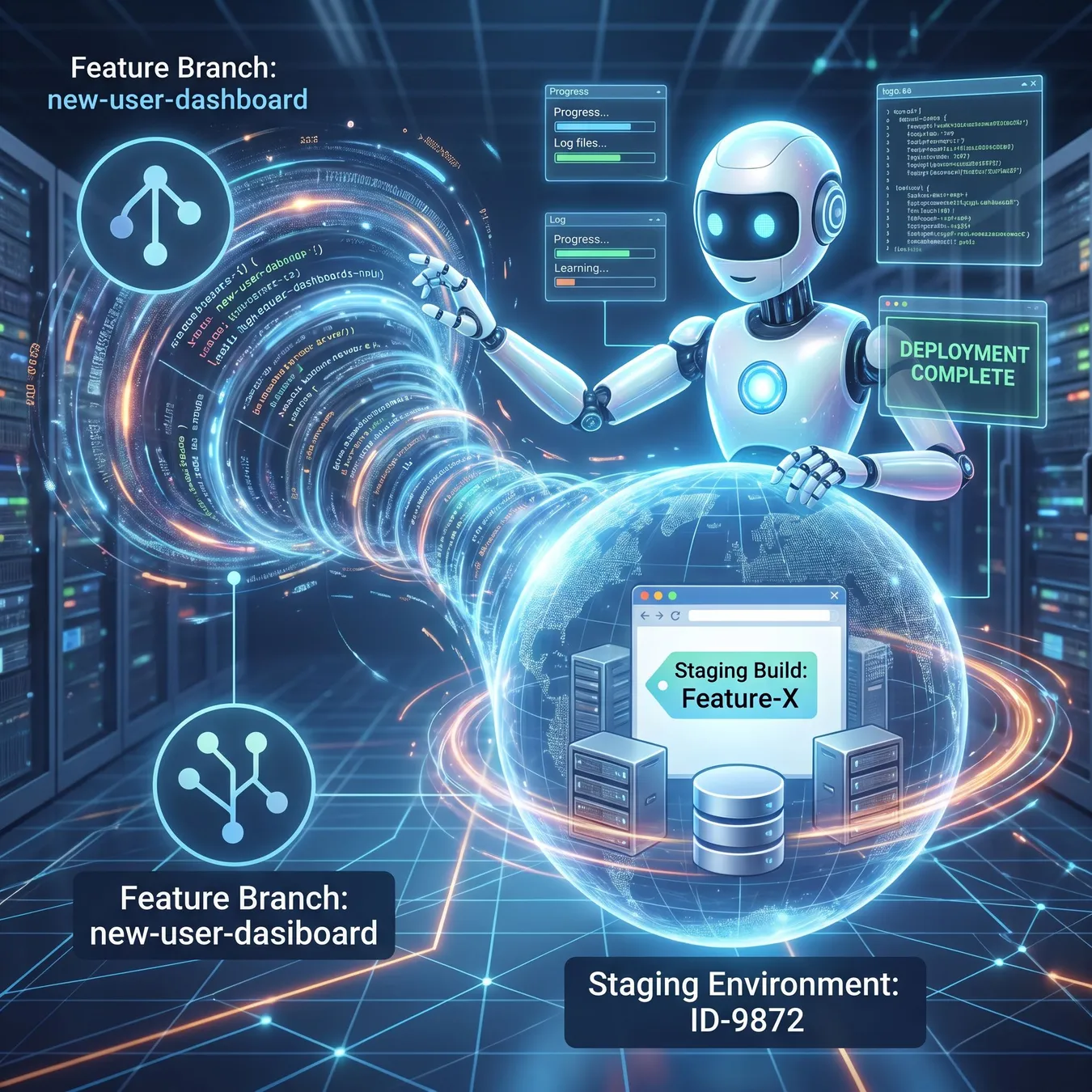
Automated environment provisioning via agentic workflows.
Summary of Agentic SDLC Benefits
- Drastic reduction in manual engineering toil
- Higher consistency in code quality and security
- Faster time-to-market for new features
- Improved developer focus on creative problem solving