
Strategies for Reducing Technical Debt in Large Systems
Technical debt is the hidden tax on engineering velocity that compounds over time. In large systems, this debt manifests as fragile codebases and slow release cycles.
33%
Engineering time lost to debt
2.5x
Increased cost of new features
40%
Higher risk of system outages
Understanding Technical Debt Reduction
To reduce technical debt effectively, teams must first identify where the friction lies. It is not just about messy code; it is about architectural misalignment and outdated dependencies.
- Code rot and deprecated libraries
- Lack of automated test coverage
- Brittle infrastructure and manual deployments
- Architectural bottlenecks in monolithic systems
Prioritizing Debt with Technical Debt Metrics
You cannot manage what you cannot measure. Utilizing specific technical debt metrics allows leadership to quantify the drag on productivity and justify the time needed for refactoring.

Visualizing the impact of technical debt on team output.
Core Technical Debt Reduction Strategies
Successful technical debt reduction strategies require a balance between aggressive cleanup and maintaining business continuity.
The Incremental Refactoring Approach
Instead of a total rewrite, focus on high-impact modules. This minimizes risk while delivering immediate improvements to developer experience.
Refactor while adding new features
Automate regression testing early
Document architectural decisions
Attempt a 'big bang' rewrite without a plan
Ignore debt in critical path code
Refactor purely for aesthetic reasons
Addressing Infrastructure Technical Debt
Often, the bottleneck isn't the code but the environment it runs in. Resolving infrastructure technical debt is critical for scaling large enterprise systems.
Info.
// Infrastructure as Code
How to Successfully Reduce Technical Debt in Large Enterprises
In large organizations, debt reduction is a cultural challenge as much as a technical one. It requires buy-in from product owners and executives.
- 01
Audit the current codebase to identify hotspots
- 02
Align debt reduction with business goals
- 03
Allocate 20% of every sprint to maintenance
- 04
Establish clear quality gates for new code
Balancing Agile and Technical Debt
Modern teams must navigate the tension between agile and technical debt to ensure that rapid iteration doesn't lead to long-term instability.
The Cost of Inaction
Ignoring debt leads to a 'bankruptcy' state where the system can no longer support new features without breaking existing ones.
Trade-off
3 pros · 3 cons
Pros
Faster time to market
Higher developer morale
Lower operational costs
Cons
Increased bug frequency
High developer turnover
Security vulnerabilities
Tactical Choices: Refactoring Legacy Applications
When dealing with aging systems, the decision often comes down to refactoring legacy applications or pursuing a complete modernization project.
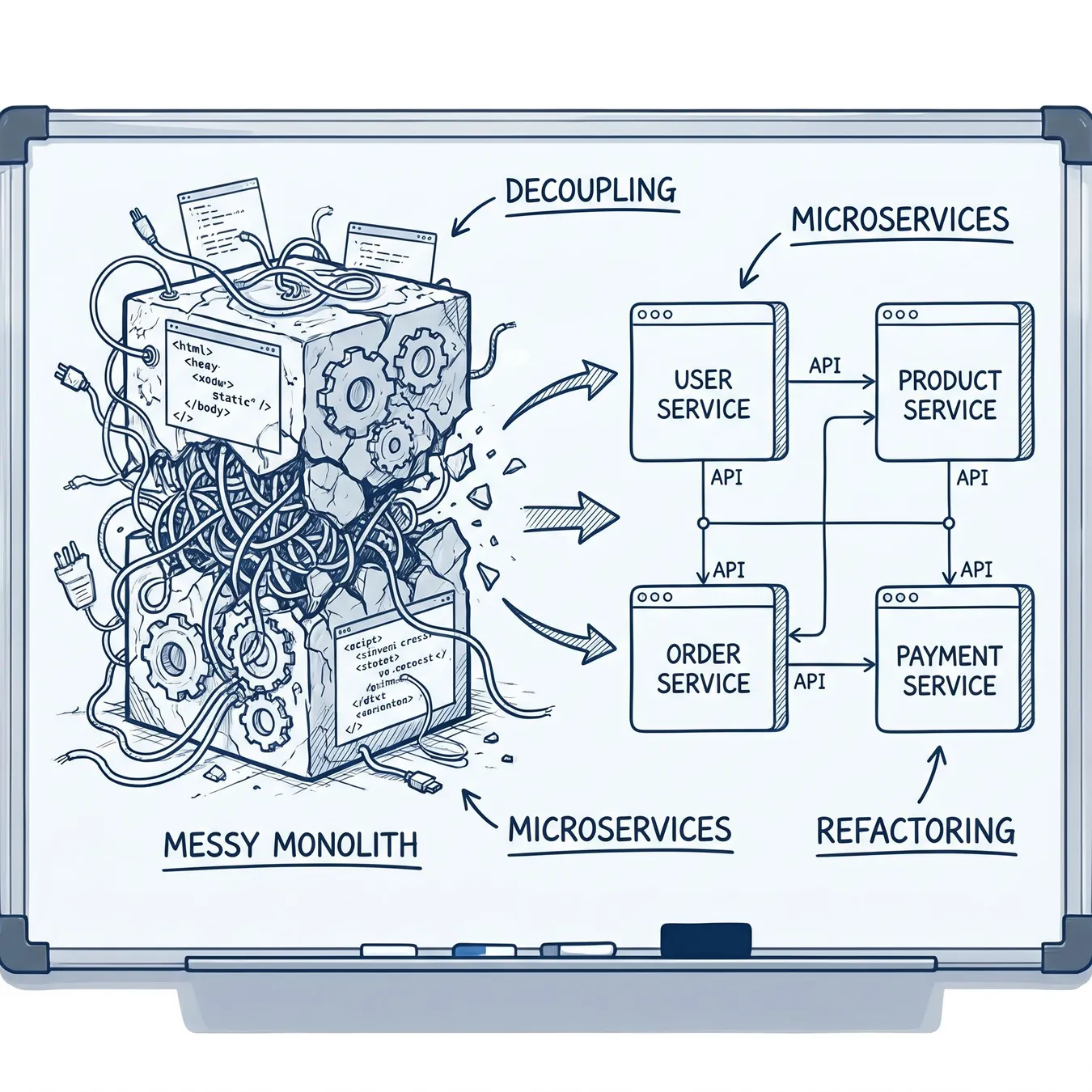
Decomposing complex systems.
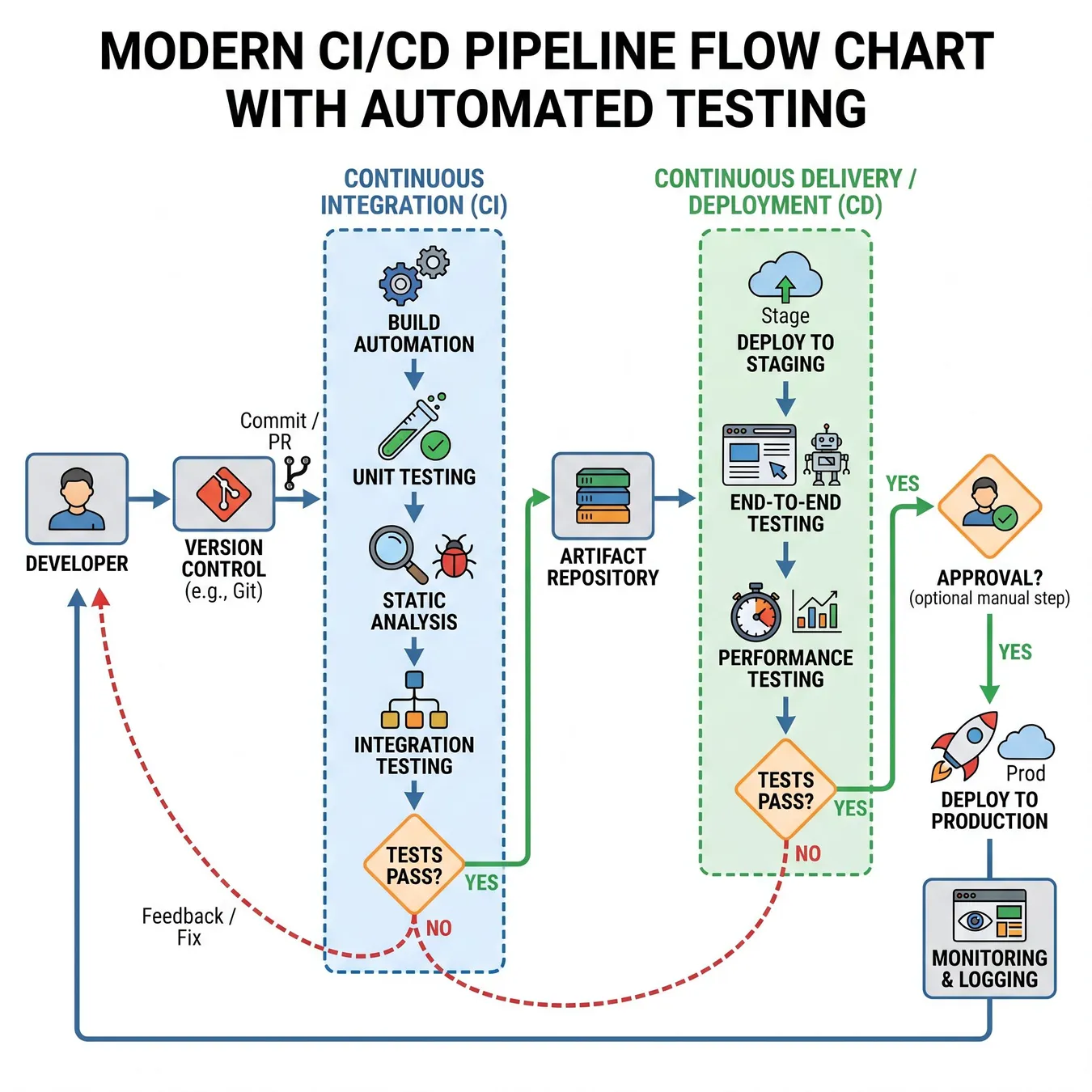
Automating the path to quality.
Eliminate Technical Debt Through Automation
Manual processes are a significant source of debt. By automating testing and deployment, you eliminate technical debt caused by human error.
Implement unit testing for core logic
Set up automated security scanning
Automate cloud resource provisioning
The Role of Documentation in Debt Reduction
Knowledge silos create 'intellectual debt.' Documenting the 'why' behind architectural choices prevents future teams from making the same mistakes.
Technical debt is like a credit card. You can use it to move fast, but if you don't pay it back, the interest will eventually stop you.
Ward Cunningham · Creator of the Debt Metaphor
Monitoring and Long-Term Maintenance
Debt reduction is not a one-time event. It requires continuous monitoring of code quality and system performance to prevent re-accumulation.
| Strategy | Effort | Impact |
|---|---|---|
| Dependency Updates | Low | Medium |
| Test Automation | Medium | High |
| Architectural Refactor | High | Very High |
Common Pitfalls in Debt Reduction
Many teams fail because they treat debt reduction as a side project rather than a core engineering priority.
Avoiding the Perfection Trap
The goal is not perfect code; the goal is manageable code that supports the business. Don't let the perfect be the enemy of the better.
Bridging to Professional Modernization
When internal teams are stretched thin by feature demands, partnering with a specialized studio can accelerate the reduction of technical debt.
Studio 402 specializes in rescuing complex codebases and hardening them for production-grade scale. We don't just patch bugs; we rebuild foundations.
Frequently Asked Questions
Our Modernization Process
01 / 04
phase 01 / 04
Audit
phase 02 / 04
Stabilize
phase 03 / 04
Refactor
phase 04 / 04
Scale
Expert Support for Large Systems
If your team is struggling with a legacy monolith or a fragile cloud setup, we can help you regain control and restore shipping speed.
Studio 402 took our legacy system and turned it into a modern SaaS platform in months. Our velocity has never been higher.
Restore Your Engineering Velocity
Stop letting technical debt hold your product back. Let's audit and stabilize your codebase.
Keep reading