
The Critical Risks of Maintaining Legacy Systems
Legacy systems are often the backbone of established companies, yet they represent a significant liability as technology evolves. The risks of legacy systems extend beyond simple obsolescence, impacting security, operational efficiency, and the bottom line.
70%
Average IT budget spent on legacy maintenance
40%
Increase in security breaches for unpatched systems
3x
Higher operational costs for outdated infrastructure
Security Vulnerabilities in Aging Infrastructure
The most immediate danger of legacy software is the lack of modern security protocols. As vendors end support, critical security patches are no longer released, leaving systems exposed to sophisticated cyberattacks.
Warning.
// The End-of-Life Trap
- Lack of encryption for data at rest and in transit
- Incompatibility with modern identity management (SSO/MFA)
- Hardcoded credentials and outdated authentication methods
- Vulnerability to ransomware targeting known exploits

Legacy hardware often lacks the physical and digital safeguards of modern cloud environments.
Operational Bottlenecks and Performance Decay
Legacy systems are rarely designed for the scale and speed of today's business environment. This leads to significant operational drag, where simple tasks take longer and system crashes become frequent.
Integration Friction
Modern business relies on interconnected tools. Legacy systems often lack APIs, forcing teams to rely on manual data entry or fragile, custom-built middleware that breaks with every update.
Trade-off
4 pros · 4 cons
Pros
Native API connectivity
Real-time data syncing
Automated workflows
Scalable microservices
Cons
Manual CSV exports
Batch processing delays
Brittle point-to-point links
Siloed information
The Financial Drain of Maintenance
Maintaining outdated software is exponentially more expensive than investing in modern solutions. These costs are often hidden across various departments, from IT support to lost productivity.
| Cost Category | Legacy System Impact | Modern System Impact |
|---|---|---|
| Staffing | Niche, expensive specialists | Broad talent pool |
| Infrastructure | On-premise hardware upkeep | Pay-as-you-go cloud |
| Opportunity Cost | Slow feature deployment | Rapid iteration |
Compliance and Regulatory Risks
Regulations like GDPR, HIPAA, and SOC2 require strict data handling and audit trails. Legacy systems often fail to provide the granular logging and data residency controls necessary for compliance.
Audit trail for every data access event
Granular role-based access control (RBAC)
Automated data deletion and retention policies
Encrypted backups with verified recovery
The Talent Gap and Hiring Challenges
Top-tier engineering talent wants to work with modern stacks. Forcing developers to maintain COBOL, old versions of PHP, or monolithic Java apps leads to high turnover and difficulty in recruiting.
Technical debt isn't just a code problem; it's a people problem. You can't build a future-ready team on a foundation of 20-year-old constraints.
Senior Engineering Director · Fintech Operations
Inability to Leverage AI and Automation
Modern AI integrations require clean data pipelines and scalable infrastructure. Legacy systems often store data in proprietary formats or inaccessible silos, making it impossible to deploy LLMs or agents effectively.
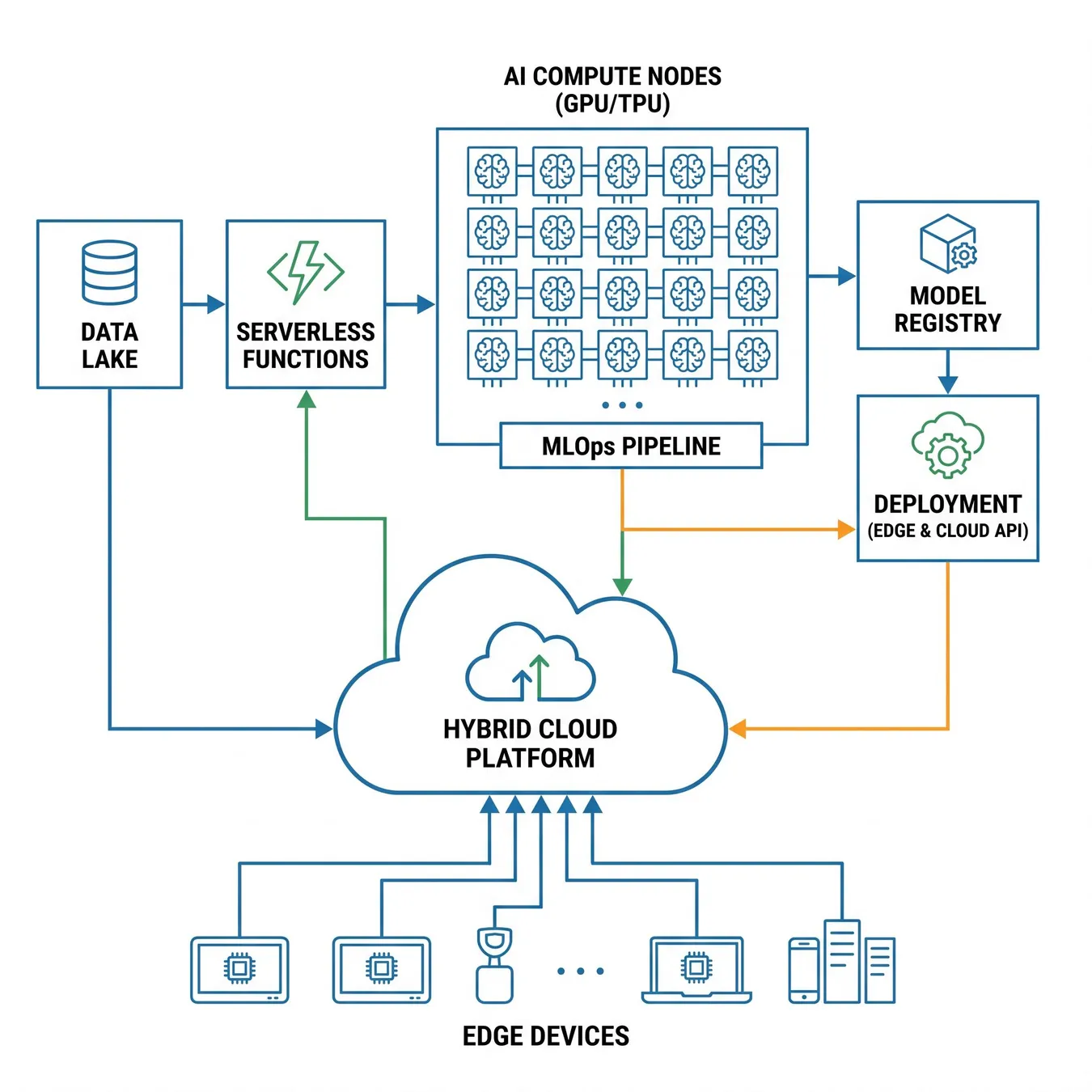
Modern systems are built for AI integration.
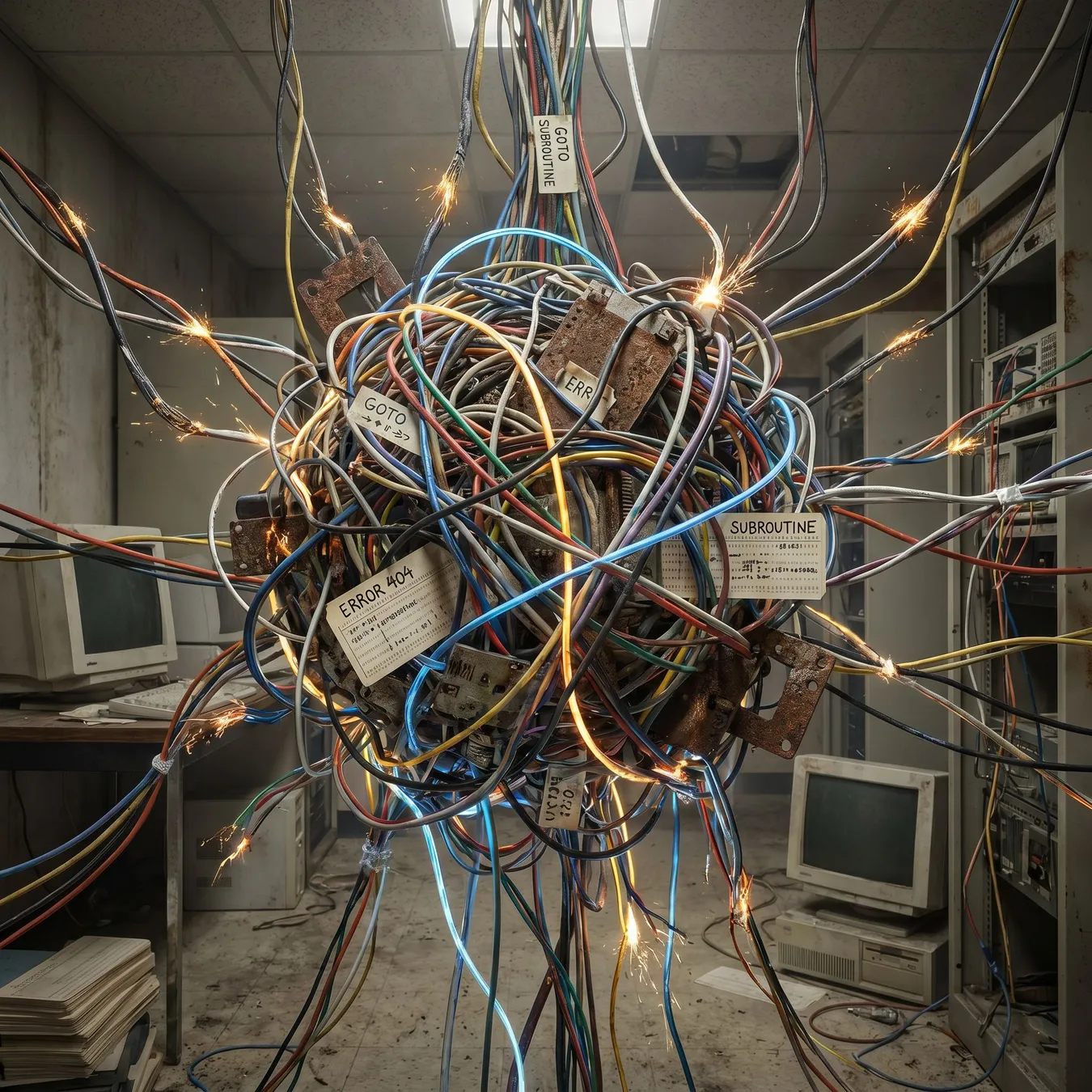
Legacy code blocks innovation and automation.
Strategic Modernization Approaches
Addressing these risks requires a proactive technical debt reduction strategy. It is not about changing everything at once, but rather identifying the most critical points of failure.
Incremental Refactoring
When a full rewrite is too risky, refactoring legacy applications allows you to modernize specific modules while keeping the core system running. This reduces immediate risk without massive downtime.
The Path to Cloud Native
A successful legacy to cloud migration moves your infrastructure from fragile physical servers to resilient, auto-scaling environments that are easier to secure and maintain.
01 / 04
phase 01 / 04
Audit
phase 02 / 04
Strategy
phase 03 / 04
Execution
phase 04 / 04
Optimization
Planning Your Migration Strategy
Before touching a single line of code, you need a comprehensive legacy system migration strategy. This plan should account for data integrity, user training, and fallback procedures.
Prioritize systems with the highest security risk
Perform a deep audit of existing data schemas
Involve stakeholders from both IT and business units
Build a staging environment for testing
Attempt a 'big bang' migration without testing
Ignore the underlying technical debt
Underestimate the time required for data cleanup
Assume legacy vendors will provide support
Common Questions About Legacy Systems
Bridging the Gap with Studio 402
At Studio 402, we specialize in rescuing companies from the gravity of legacy systems. We don't just point out the risks; we build the infrastructure that replaces them.
Whether you are dealing with a monolithic application that won't scale or a 'vibe-coded' prototype that is falling apart, our team provides the production-grade engineering needed to stabilize and modernize your stack.
Trusted by growth-stage companies to modernize critical infrastructure.
From audit to full-scale cloud migration.
Our Modernization Process
- 01
Comprehensive Codebase and Infrastructure Audit
- 02
Risk Prioritization and Roadmap Development
- 03
Phased Refactoring and Cloud Migration
- 04
Implementation of CI/CD and Modern DevOps
- 05
Post-Launch Support and Feature Iteration
Studio 402 took our fragile internal tools and turned them into a robust, scalable platform. We eliminated years of technical debt in months.
Take Control of Your Technical Future
The longer you wait to address legacy risks, the more expensive and dangerous they become. Modernization is an investment in your company's ability to compete and innovate.
Stop Managing Risks. Start Building Value.
Get a professional audit of your legacy systems and a clear path to modernization.
Further Resources
Keep reading
More in Modernization & Rescue
- Legacy Systems
- Cybersecurity
- Technical Debt
- Modernization
- Cloud Migration
Modernizing your software is not just a technical necessity; it is a strategic advantage. By moving away from legacy constraints, you unlock the potential for AI, global scale, and rapid product iteration.
Don't let outdated infrastructure be the reason your growth stalls. Every day spent maintaining the past is a day lost building the future.
Contact Studio 402 today to discuss how we can help you audit, refactor, and migrate your legacy systems into a production-ready environment.
Final thoughts: Security and performance are the foundations of trust. Legacy systems erode that trust every day they remain in production.