
Legacy Software Modernization Services
Legacy software modernization is the process of updating aging applications to modern standards, ensuring they remain reliable, secure, and performant. For growth-stage companies, these systems often become bottlenecks that hinder engineering velocity and customer satisfaction.
70%
Average IT budget spent on maintaining legacy systems
40%
Increase in engineering velocity after modernization
2x
Improvement in system uptime and reliability
Why Modernize Your Legacy Applications Now?
Delaying updates creates compounding technical debt. Understanding the risks of legacy systems is the first step toward reclaiming your product roadmap and reducing operational overhead.
- Eliminate security vulnerabilities inherent in outdated frameworks.
- Reduce high maintenance costs associated with fragile codebases.
- Enable seamless integration with modern AI and cloud services.
- Improve developer retention by removing technical frustration.
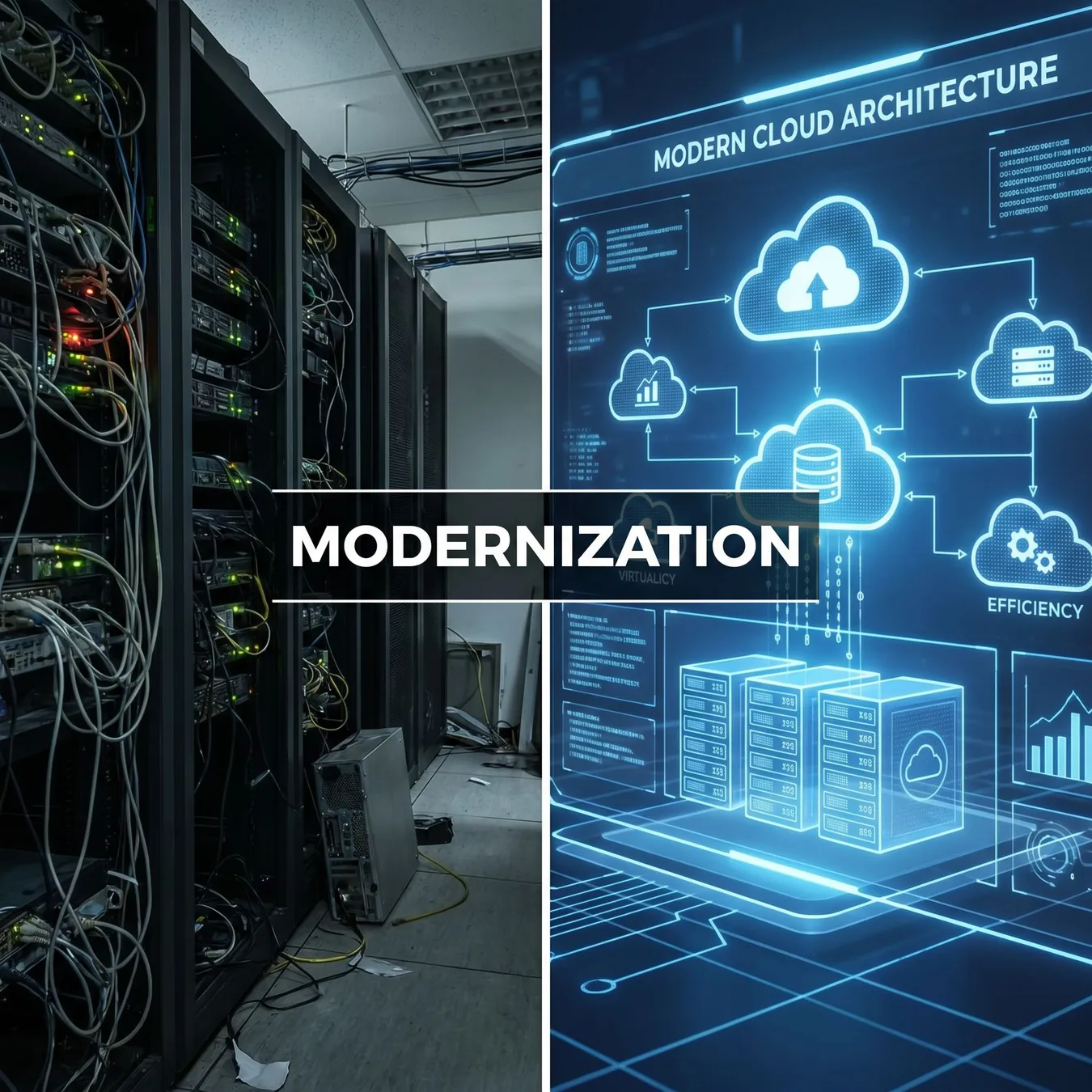
Transitioning from technical debt to cloud-native agility.
Core Strategies for Legacy Software Modernization
There is no one-size-fits-all approach to legacy application modernization services. The right path depends on your current stack, business goals, and budget constraints.
| Strategy | Effort | Impact | Best For |
|---|---|---|---|
| Rehosting | Low | Medium | Quick cloud migration |
| Refactoring | Medium | High | Improving code quality |
| Replatforming | Medium | Medium | Managed cloud services |
| Re-architecting | High | Very High | Scalability and velocity |
The Modernization Journey: Step-by-Step
01 / 04
phase 01 / 04
Technical Audit
phase 02 / 04
Strategy Alignment
phase 03 / 04
Incremental Execution
phase 04 / 04
Cloud-Native Deployment
Common Modernization Challenges
Prioritize high-impact, low-risk modules first.
Ensure comprehensive test coverage before refactoring.
Involve stakeholders in the roadmap planning.
Focus on data integrity during migration.
Attempt a 'big bang' rewrite without a phased plan.
Ignore the underlying business logic during updates.
Neglect documentation for the new architecture.
Underestimate the time needed for data cleaning.
Modernizing for the Cloud
A successful legacy to cloud migration involves more than just moving servers; it requires adopting a cloud-native mindset to leverage auto-scaling and managed services.
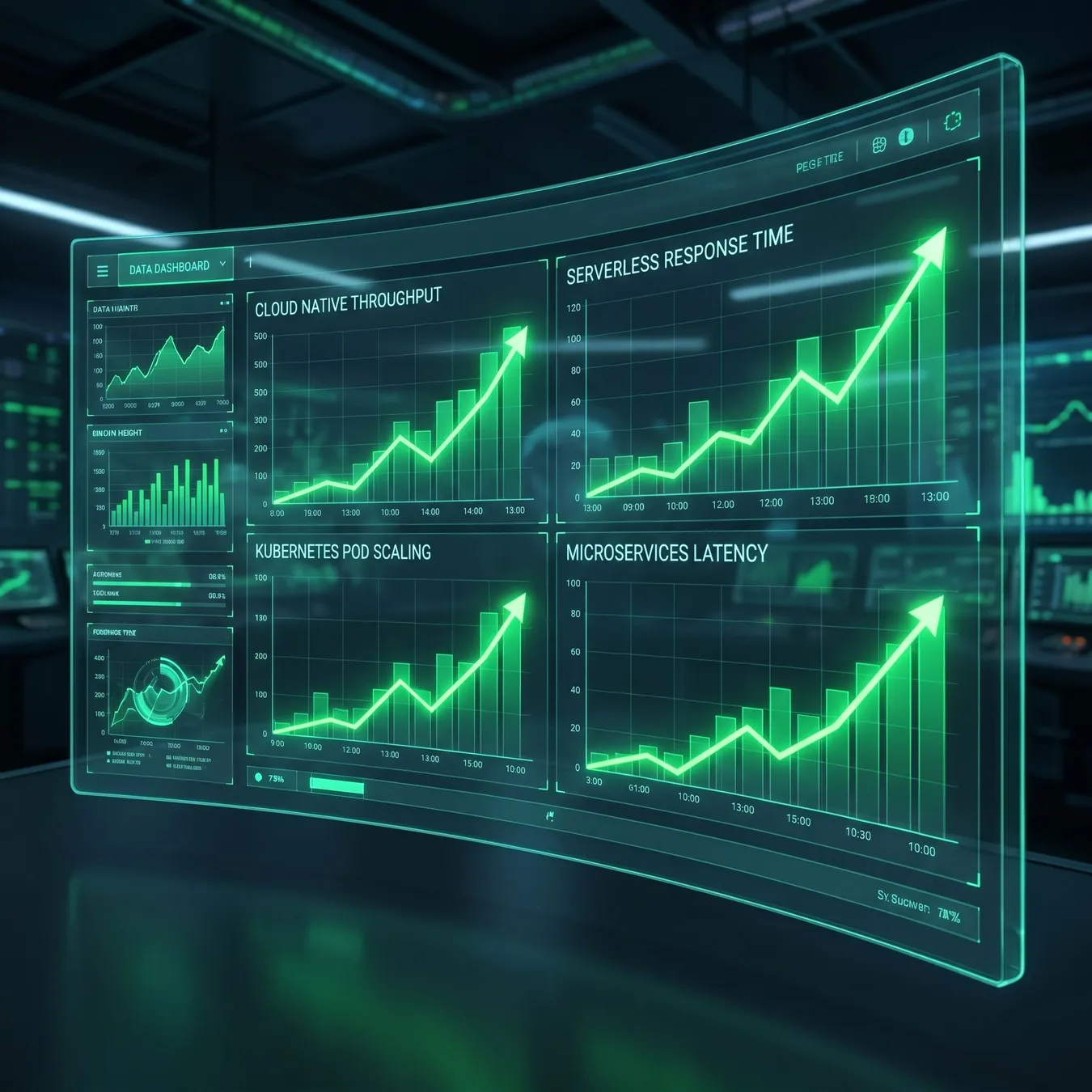
Real-time observability is a hallmark of modernized systems.
Frequently Asked Questions
The Business Case for Modernization
Modernization is an investment in your company's future. By reducing the 'technical tax' paid on every new feature, you allow your team to innovate rather than just survive.
Modernizing our legacy core wasn't just about speed; it was about the ability to integrate AI features that our competitors simply couldn't touch.
Sarah Chen · CTO at GrowthScale
How Studio 402 Approaches Modernization
As a premier legacy software modernization company, Studio 402 focuses on production-ready outcomes. We don't just patch bugs; we rebuild foundations that scale.
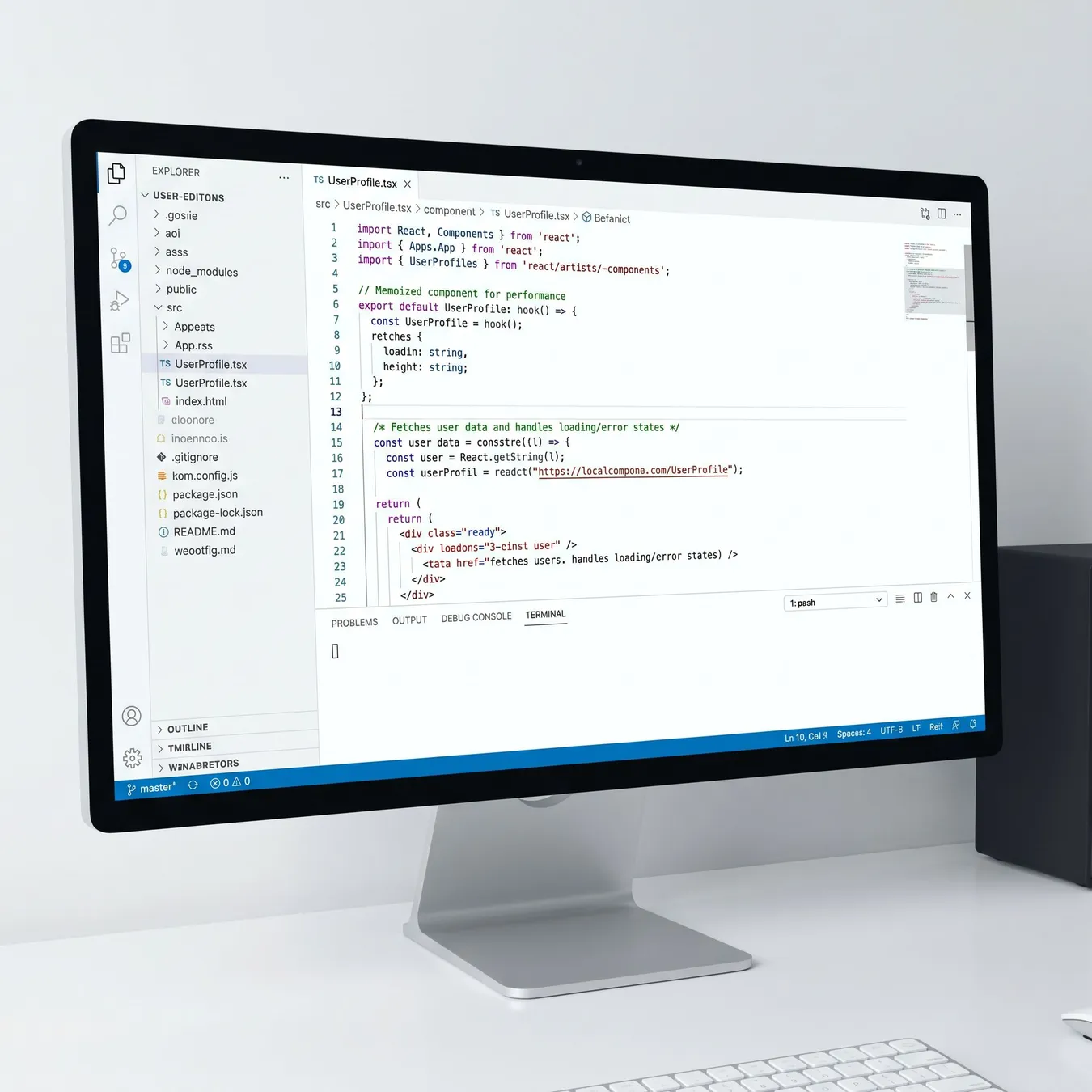
Clean, maintainable codebases.
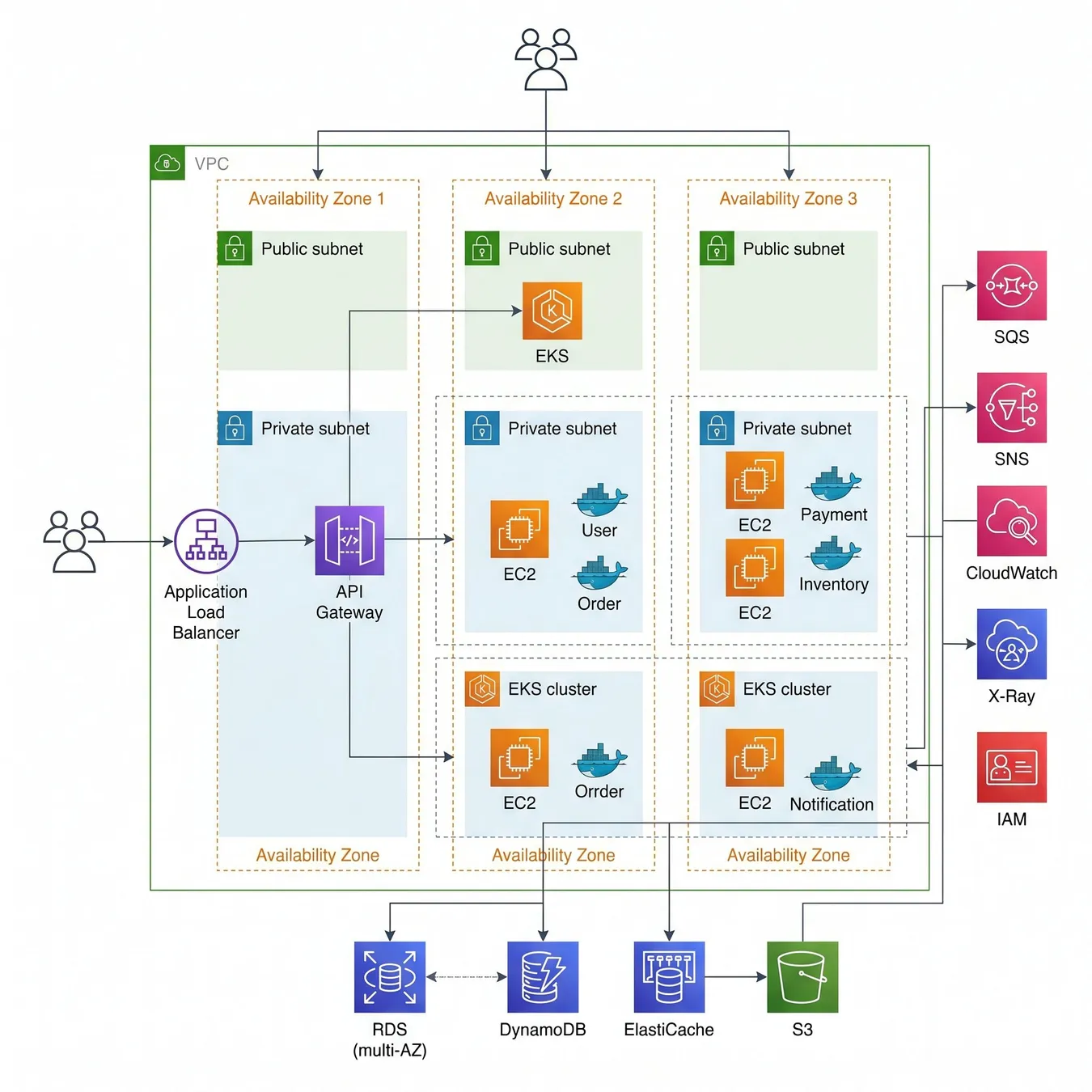
Scalable cloud infrastructure.
Our Engineering Philosophy
We believe in pragmatic engineering. We identify the parts of your system that provide the most value and harden them first, ensuring your business never stops moving.
Ready to Restore Your Engineering Velocity?
If your legacy system is holding you back, it's time for a professional intervention. Studio 402 provides the senior expertise needed to audit, stabilize, and evolve your software.
Trusted by 50+ growth-stage companies to solve technical debt.
Updated for July 2026
Start Your Modernization Journey
Let's discuss your current stack and build a roadmap to a high-performance, cloud-native future.
Explore More Resources
Keep reading