
A Strategic Guide to Legacy System Migration
Legacy system migration is the process of moving aging software and data to modern environments. For many engineering leaders, the legacy system to new system transition is the only way to unlock product velocity and ensure long-term stability.
- Modernization
- Cloud-Native
- Risk Management
- Scalability
Understanding Legacy System Migration Strategy
A successful legacy system migration strategy requires more than just moving code. It involves a deep audit of current dependencies and a clear vision for the target state, often involving a migration of legacy system to cloud architectures.
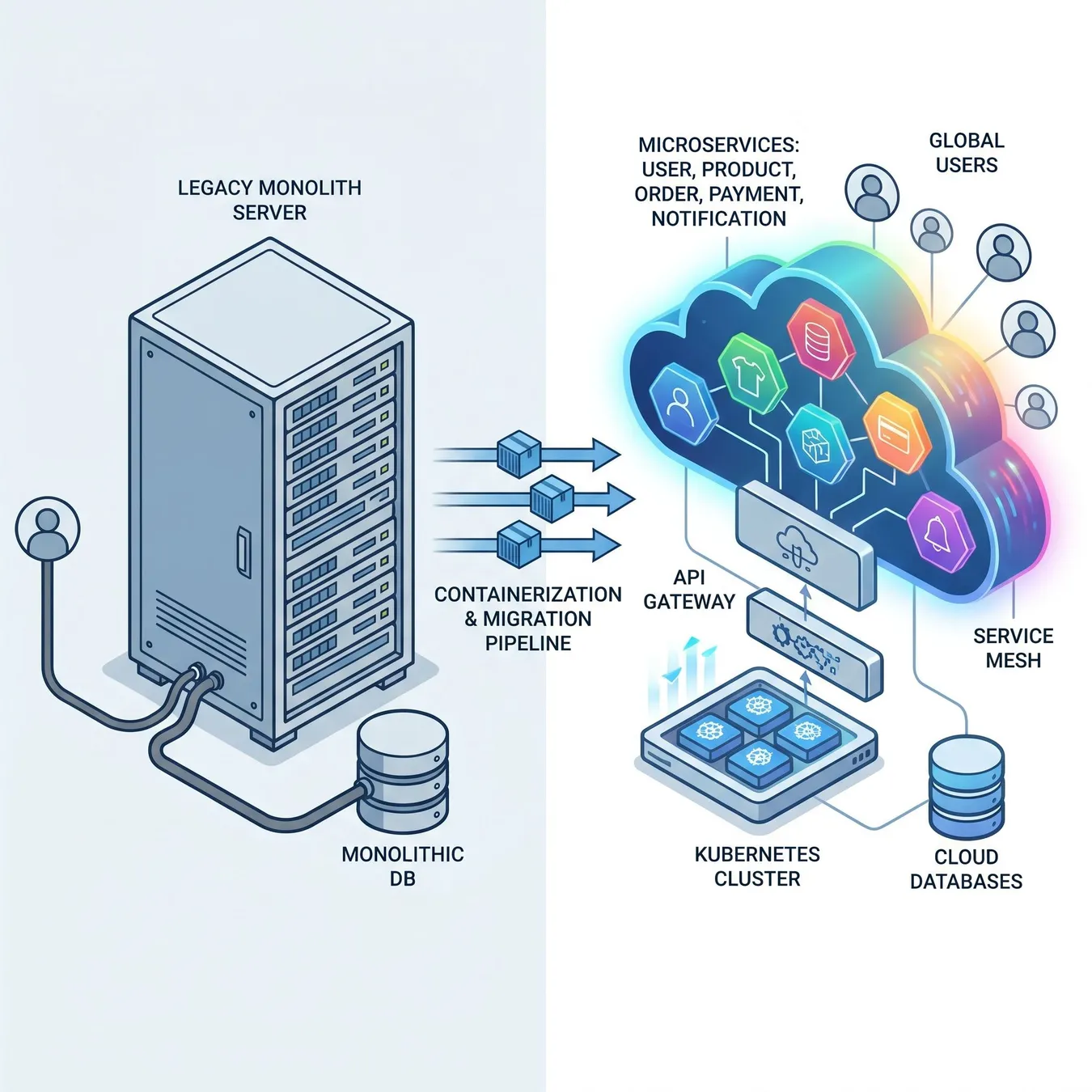
Visualizing the transition from monolithic legacy systems to modern cloud infrastructure.
How to Migrate Legacy System Architectures Safely
When deciding how to migrate legacy system components, you must prioritize business continuity. This often means managing technical debt in parallel with the migration to keep the existing system operational while the new platform is built.
- 01
Audit the existing codebase and data dependencies.
- 02
Define the target architecture and performance KPIs.
- 03
Select a migration pattern (e.g., Strangler Fig or Big Bang).
- 04
Execute incremental data and traffic cutovers.
- 05
Decommission the legacy environment.
Common Migration Patterns and Approaches
| Strategy | Risk Level | Speed | Best For |
|---|---|---|---|
| Rehosting | Low | Fast | Urgent data center exits |
| Refactoring | Medium | Moderate | Cloud-native optimization |
| Replatforming | Medium | Moderate | Managed service adoption |
| Re-architecting | High | Slow | Monolith decomposition |
Managing the Migration of Legacy System Data
The migration of legacy system data is frequently the most complex part of the journey. Ensuring data integrity and zero downtime requires robust ETL pipelines and synchronization strategies.
Tip.
// Pro-Tip for Data Integrity
Technical Challenges in Modernization
- Undocumented business logic buried in old code.
- Brittle third-party integrations.
- Inconsistent data schemas and validation rules.
- Performance bottlenecks in the legacy database.

Identifying hidden dependencies is a critical first step in any migration.
Choosing Between Refactoring and Rewriting
One of the toughest decisions is whether to refactor existing code or start fresh. This choice defines your entire legacy system migration path and impacts your budget and timeline significantly.
Trade-off
3 pros · 3 cons
Pros
Clean, modern tech stack
Eliminates all technical debt
Optimized for current needs
Cons
High upfront cost and time
Risk of missing edge cases
Requires dual-system maintenance
The Role of Cloud-Native Architectures
Executing a legacy to cloud migration allows teams to leverage serverless, auto-scaling, and managed databases. This shift reduces operational overhead and improves system resilience.
30%
Cost Reduction
5x
Deployment Speed
99.99%
Uptime Improvement
Decomposing the Monolith
For many, the goal is a monolith to microservices migration. This approach allows different parts of the system to scale independently and enables teams to work on isolated services.

Before: The Monolith
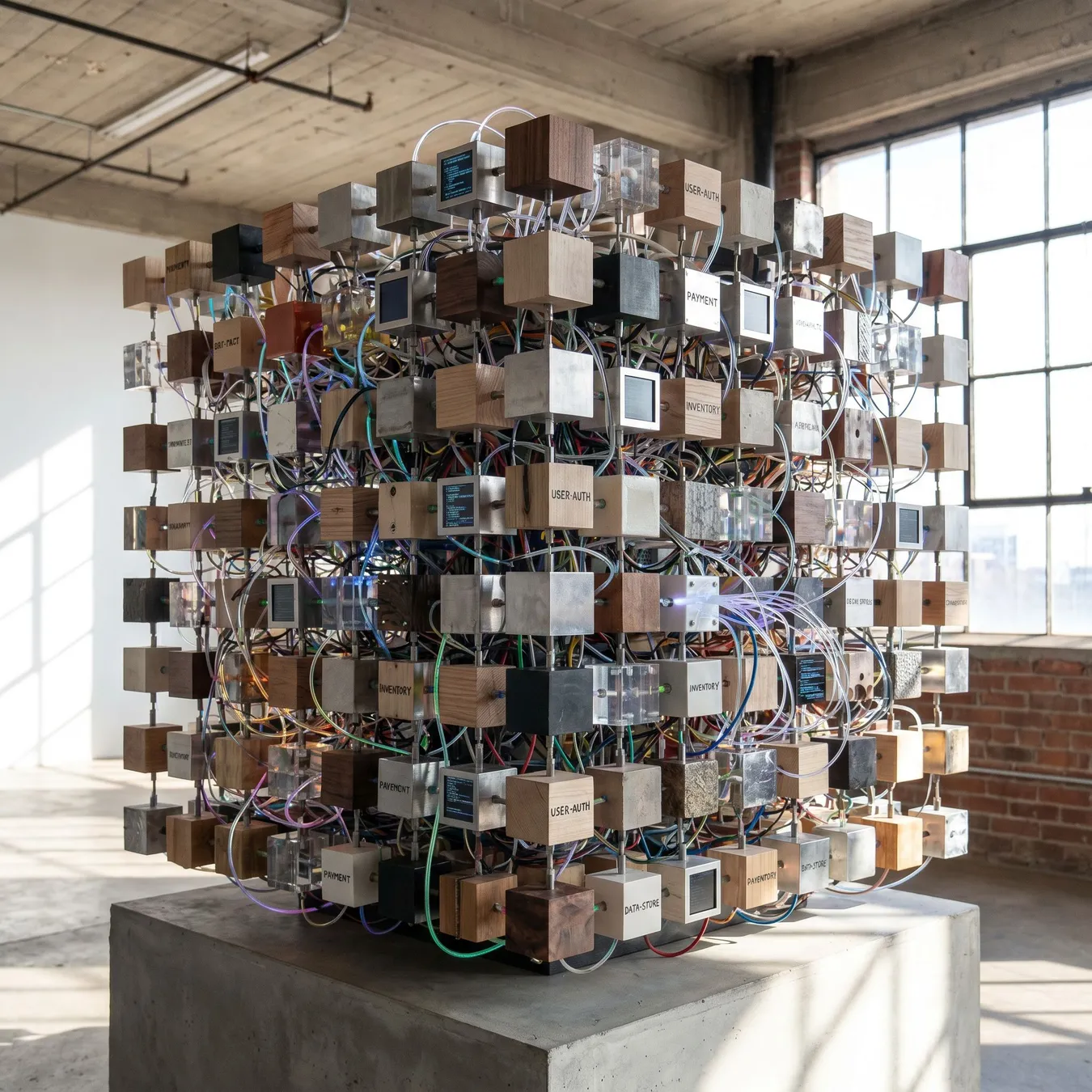
After: Microservices
Risk Mitigation During Migration
Run automated tests on both systems
Implement feature flags for cutover
Maintain a rollback plan
Migrate everything in one weekend
Ignore legacy security vulnerabilities
Skip documentation of the new system
Operational Continuity and Zero Downtime
Achieving zero downtime during a legacy system migration requires a phased approach. By using a proxy layer, you can route traffic to the new system incrementally while monitoring for errors.
01 / 03
phase 01 / 03
Phase 1: Preparation
phase 02 / 03
Phase 2: Shadowing
phase 03 / 03
Phase 3: Cutover
Measuring Migration Success
Success isn't just about turning off the old server. It's about meeting the performance and reliability goals set during the planning phase of your legacy system to new system journey.
Latency within target range
Zero data loss verified
All security protocols active
Engineering team trained on new stack
Building a Business Case for Migration
Stakeholders often worry about the cost of migration. Highlighting the maintenance costs and security risks of staying on legacy infrastructure is key to securing budget.
The cost of migration is a one-time investment; the cost of technical debt is a permanent tax on your innovation.
Alex Rivera · CTO
Post-Migration Maintenance and Evolution
Once the migration is complete, the focus shifts to optimization. Modern systems are easier to update, allowing for a continuous delivery model that was impossible with the legacy setup.
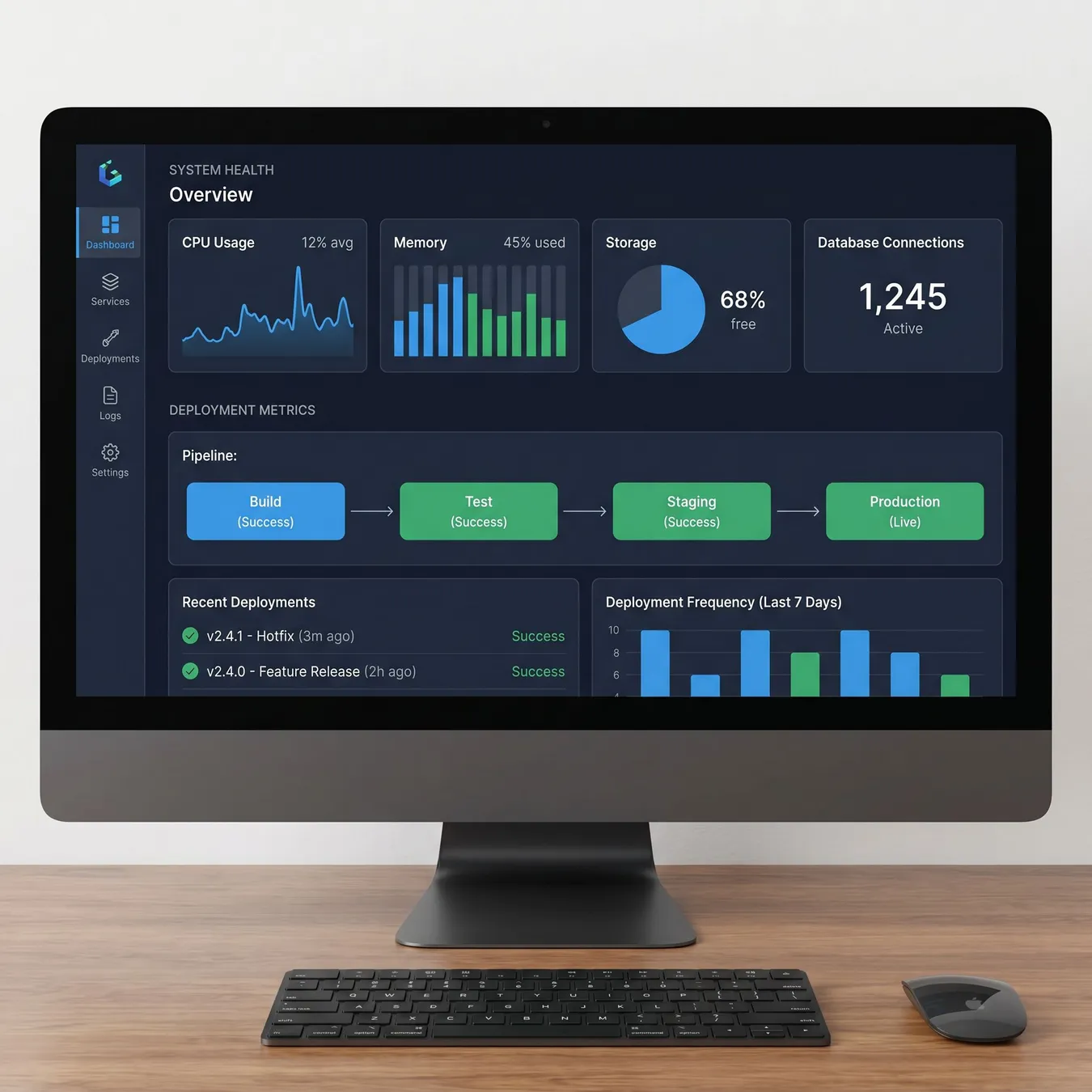
Modern systems provide the observability needed for rapid iteration.
How Studio 402 Can Help
At Studio 402, we specialize in legacy software modernization services. We help companies navigate the complexities of system rescue and architectural evolution without breaking production.
Over 50 successful migrations completed for growth-stage startups.
Verified engineering outcomes as of July 2026.
Frequently Asked Questions
Next Steps for Your Migration Journey
Ready to move beyond your legacy constraints? Explore our deep dives into specific migration challenges below to build your roadmap.
Modernize Your Infrastructure Today
Stop letting technical debt slow you down. Let's audit your legacy system and build a production-ready migration plan.
Keep reading
More in Modernization & Rescue
Studio 402 is a premium product engineering studio. We build, fix, and scale software for those who need production-grade reliability.

Our team works as a senior engineering partner to your business.
Studio 402 rescued our platform after a failed offshore build. They didn't just fix bugs; they re-architected the system for scale.
Whether you are dealing with a monolith or a broken prototype, we provide the technical consulting and execution needed to win.