
The Business Value and Strategic Need for DevOps
In the modern software landscape, the need for devops has shifted from a technical luxury to a core business requirement. Organizations that treat operations as an afterthought often find themselves paralyzed by manual errors and slow release cycles.
208x
More frequent code deployments
106x
Faster lead time from commit to deploy
24x
Faster recovery from downtime
Defining the Modern DevOps Function
A high-performing devops function is not just about managing servers; it is about creating a culture of shared responsibility. It bridges the gap between development and operations to ensure that software is built for reliability from day one.
- Continuous Integration and Delivery (CI/CD)
- Infrastructure as Code (IaC)
- Automated Security Hardening
- Real-time Monitoring and Observability
- Incident Management and Response
Reducing Risk Through Operational Excellence
Manual deployments are the single greatest source of production risk. By automating the release process, businesses can significantly reduce the lead time software development teams face when pushing critical updates.

Automation reduces human error and ensures repeatable, safe deployments.
The ROI of Faster Shipping Velocity
Speed is a competitive advantage. When your infrastructure allows for multiple deployments per day, you can respond to market feedback in real-time rather than waiting for monthly release windows.
Info.
// Velocity vs. Quality
Building Foundations for Scalable Growth
Scalability is not just about handling more users; it's about handling more complexity. As your team grows, you need platform engineering devops practices to keep individual developers productive without getting bogged down in infra tasks.
Eliminating Engineering Bottlenecks
Wait times for environment provisioning or database access can kill momentum. DevOps solves this by providing self-service capabilities to the engineering team.
DevOps vs. Traditional IT Operations
Trade-off
4 pros · 4 cons
Pros
Automated, repeatable deployments
Infrastructure defined in code
Shared ownership of uptime
Continuous feedback loops
Cons
Manual server configuration
Siloed teams and handoffs
Fear of frequent releases
Reactive firefighting
The Strategic Impact on Developer Retention
High-performing engineers want to build, not fight with broken pipelines. Investing in developer productivity engineering is a key lever for keeping your best talent engaged and focused on high-value features.
Cost Optimization and Cloud Efficiency
Unmanaged cloud spend is a common symptom of poor operational maturity. DevOps introduces FinOps practices that align infrastructure costs directly with business value.
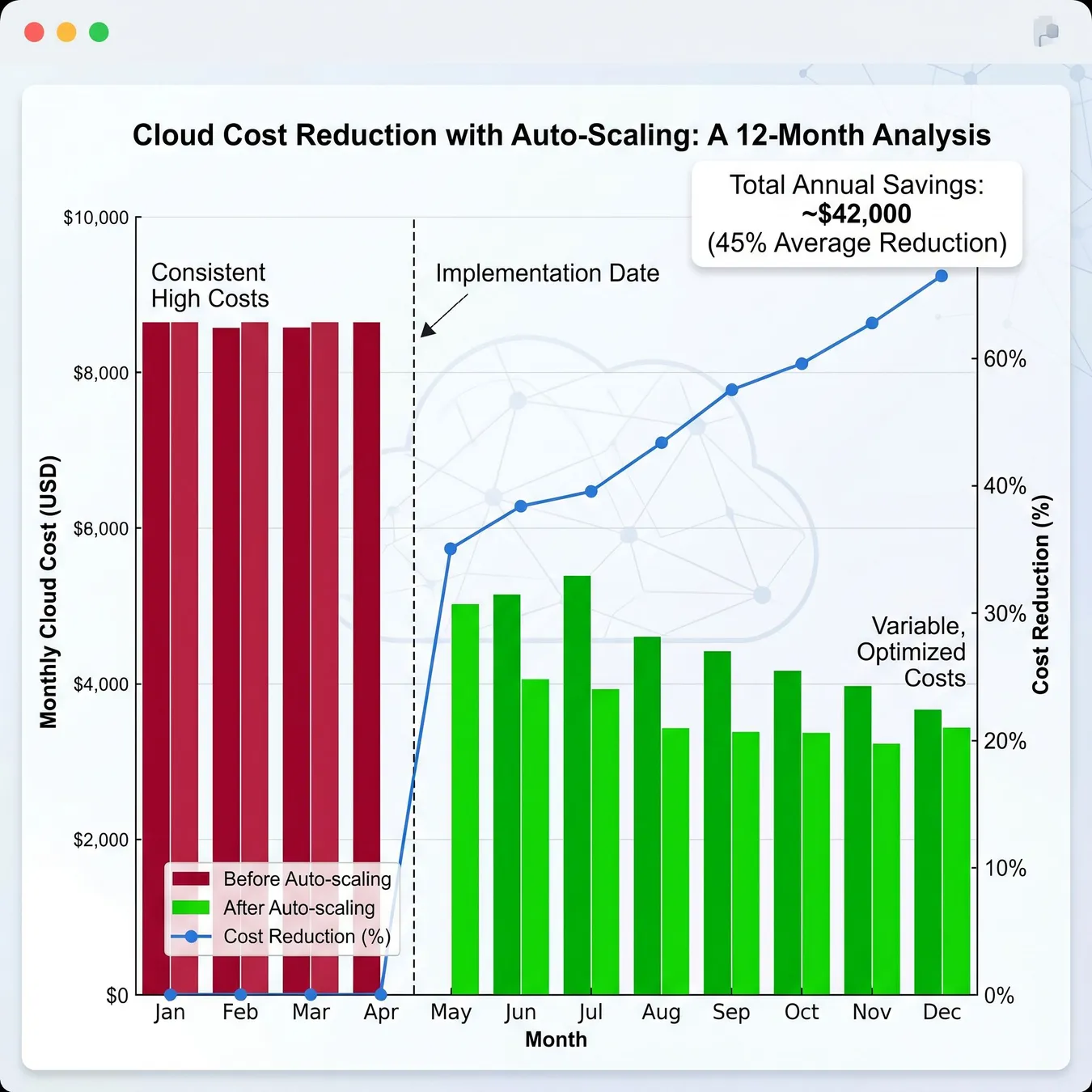
Auto-scaling ensures you only pay for what you use.
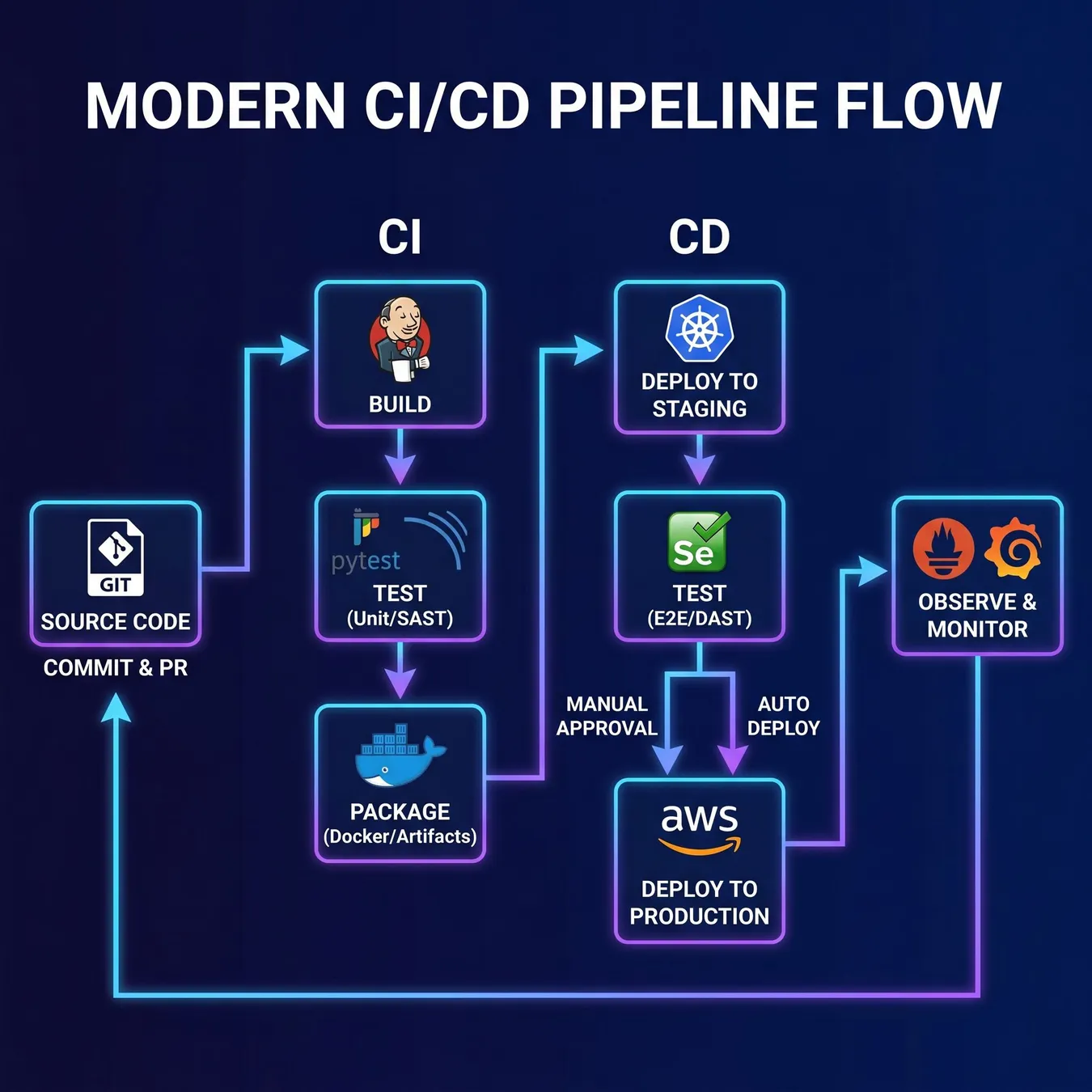
Streamlined pipelines reduce the cost of every release.
Security as a First-Class Citizen
DevSecOps integrates security checks directly into the build process. Instead of a final audit that delays launch, security is verified at every commit.
Automated Compliance
For regulated industries, DevOps provides an immutable audit trail of every change made to the production environment, simplifying compliance reporting.
How to Implement a DevOps Strategy
01 / 04
phase 01 / 04
Audit
phase 02 / 04
Automate
phase 03 / 04
Observe
phase 04 / 04
Iterate
Common DevOps Implementation Pitfalls
Start with small, high-impact automations
Prioritize culture over just buying tools
Measure success with DORA metrics
Empower developers to own their code in prod
Try to automate everything at once
Create a new 'DevOps silo' team
Ignore security until the end of the sprint
Underestimate the need for training
The Role of Cloud Platforms
While DevOps is a methodology, the choice of platform matters. Most modern enterprises find that aws cloud devops tools provide the most robust ecosystem for scaling complex applications.
DevOps for Startups vs. Enterprises
Startups need DevOps for speed and survival; enterprises need it for stability and compliance. Both benefit from the same core principles of automation and observability.
Startup Agility
For a seed-stage team, DevOps means being able to pivot the product without breaking the existing user experience.
Enterprise Reliability
For large organizations, DevOps is the key to managing thousands of microservices without hiring thousands of operations engineers.
Frequently Asked Questions
Bridging Strategy to Execution with Studio 402
Understanding the need for DevOps is the first step; building the infrastructure to support it is where many teams struggle. Studio 402 specializes in turning these strategic goals into production-ready systems.
Whether you are rescuing a fragile prototype or scaling a high-traffic SaaS platform, we provide the engineering depth required to build a durable operational foundation.
DevOps is not a goal, but a never-ending process of continual improvement.
Engineering Lead · Studio 402
Next Steps for Your Infrastructure
If your team is struggling with slow releases, frequent downtime, or unmanaged cloud costs, it's time to formalize your DevOps function. Explore our resources below to find the right path forward.
Ready to Scale Your Infrastructure?
Stop fighting your tools and start shipping with confidence. Let's build a DevOps foundation that grows with your business.
Keep reading
More in Cloud & DevOps Engineering
Trusted by growth-stage teams to handle production-grade cloud scale.
Updated for 2026
Our approach combines senior technical consulting with hands-on building. We don't just deliver a roadmap; we deploy the code that makes it a reality.
Our Core DevOps Capabilities
- Custom CI/CD Pipeline Design
- Kubernetes and Container Orchestration
- Serverless Infrastructure Patterns
- Automated Disaster Recovery
- Cloud Cost Governance
The business value of DevOps is clear: lower risk, higher speed, and better engineering morale. Studio 402 is here to help you realize that value without the overhead of hiring a full in-house platform team.