
Infrastructure Automation: Scaling Cloud with DevOps Tools
Infrastructure automation is the process of using software development automation tools to manage and provision cloud resources through code. By eliminating manual configuration, teams can ensure that their environments are consistent, repeatable, and ready for production-grade scale.
- Cloud Automation
- DevOps Tools
- Infrastructure as Code
- Scalability
The Core Pillars of Infrastructure Deployment Automation
Modern infrastructure deployment automation relies on treating your servers, networks, and databases as software. This approach, often called Infrastructure as Code (IaC), allows you to version control your entire environment just like your application source code.
- Declarative configuration management
- Automated resource provisioning
- Immutable infrastructure patterns
- Continuous integration for cloud resources
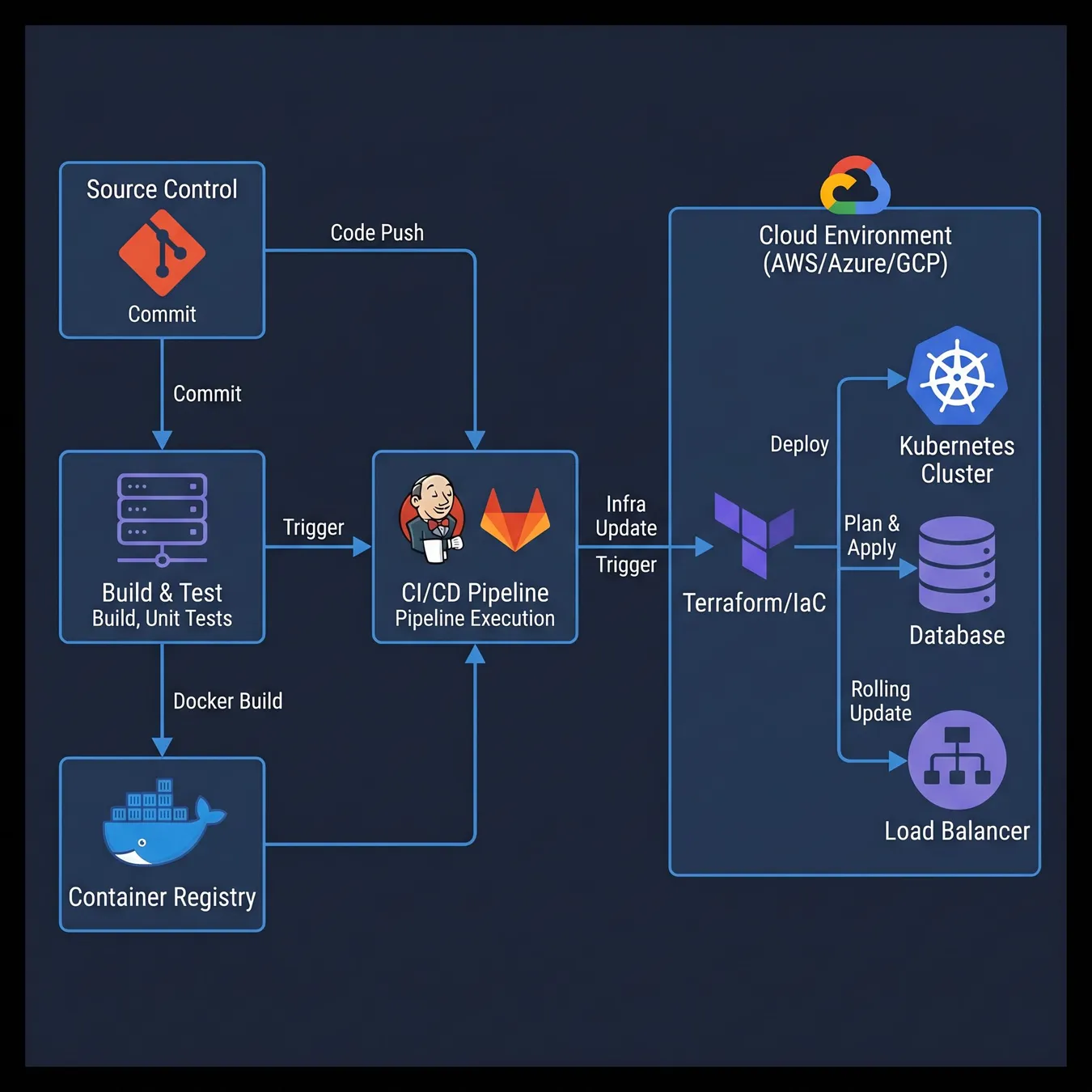
Automated pipelines bridge the gap between code and live cloud resources.
Essential DevOps Infrastructure Tools for 2026
Choosing the right devops infrastructure tools depends on your cloud provider and the complexity of your stack. Whether you are using Terraform for multi-cloud or specialized services for devops on aws, the goal remains the same: reducing manual friction.
| Tool Category | Popular Examples | Primary Use Case |
|---|---|---|
| Provisioning | Terraform, Pulumi | Creating cloud resources |
| Configuration | Ansible, Chef | Setting up software on OS |
| Orchestration | Kubernetes, Nomad | Managing container lifecycles |
Infrastructure as Code (IaC) Frameworks
IaC frameworks allow engineers to define complex networks and clusters in human-readable files. This is a fundamental requirement to automate software development lifecycle stages, ensuring that staging and production environments are identical.
Benefits of DevOps Cloud Automation
Implementing devops cloud automation isn't just about speed; it's about reliability. Manual errors are the leading cause of cloud outages. Automation provides a safety net through validation and testing before any change hits production.
60%
Reduction in deployment time
90%
Fewer manual config errors
4x
Faster recovery from failure
How to Implement Infrastructure Automation Tools for DevOps
Transitioning to automated infrastructure requires a phased approach. You cannot automate everything overnight. Start with the most repetitive tasks, such as environment spinning for QA or automated backups.
01 / 04
phase 01 / 04
Audit Manual Processes
phase 02 / 04
Select Toolchain
phase 03 / 04
Define State
phase 04 / 04
Automate Delivery
Common Pitfalls in Cloud Automation
Version control all infrastructure code
Use modular code for reusability
Implement automated testing for IaC
Hardcode secrets in config files
Make manual changes in the cloud console
Ignore state file security and backups
Managing State and Security
When you automate, security must be baked into the process. This is often referred to as DevSecOps. Automated pipelines should include linting and security scanning to catch vulnerabilities before they are provisioned.
Info.
// Pro Tip: Remote State Management
Scaling with Cloud Platform Engineering
As organizations grow, they often move toward cloud platform engineering. This involves creating internal developer platforms that allow software teams to provision their own infrastructure within pre-approved guardrails.
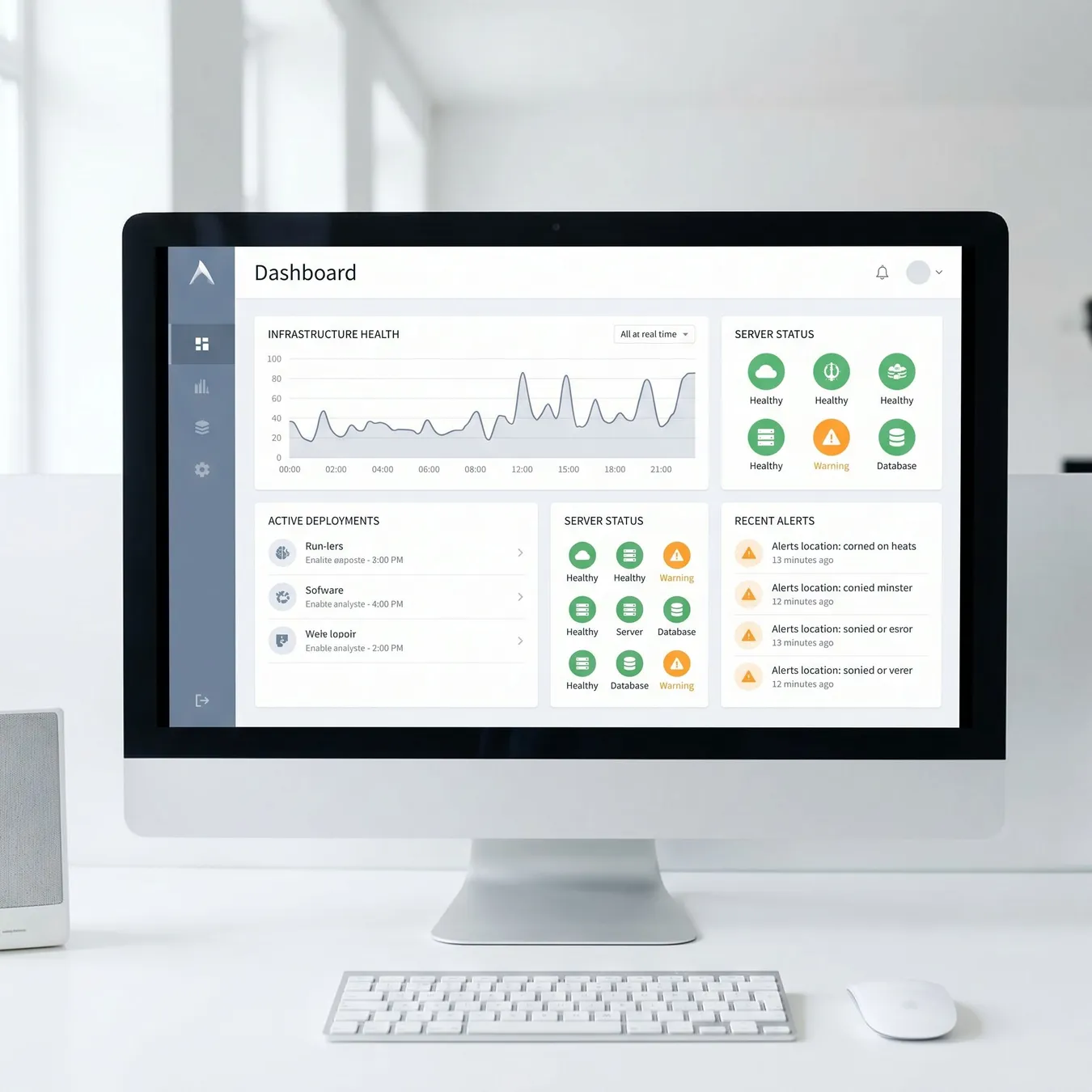
Internal platforms empower developers while maintaining operational standards.
Automation as a Foundation for Scalability
Without automation, scaling to meet high traffic is nearly impossible. A scalable cloud architecture relies on auto-scaling groups and load balancers that are configured to respond instantly to demand spikes.
Trade-off
3 pros · 3 cons
Pros
Instant resource scaling
Consistent environment parity
Reduced operational overhead
Cons
Initial setup complexity
Requires specialized skillsets
Potential for automated errors
Frequently Asked Questions
The Studio 402 Approach to Infrastructure
At Studio 402, we don't just build apps; we build the execution infrastructure that keeps them running. We specialize in taking fragile, manual setups and turning them into production-grade, automated platforms.
Automation is the difference between a prototype that works in a demo and a system that survives real-world scale.
Studio 402 Engineering Team
From Vibe-Code to Production-Ready
Many teams start with 'vibe-coded' infrastructure that works temporarily but fails under load. We audit these systems and implement the devops and automation foundations required for long-term stability.
Infrastructure Audit & Refactor
CI/CD Pipeline Implementation
Cloud Security Hardening
Scalability Planning
Why Partner with a Product Studio?
Building an in-house DevOps team is expensive and slow. Studio 402 provides senior-level engineering leverage immediately, helping you design a roadmap that avoids technical debt and accelerates your release velocity.
Trusted by growth-stage startups to manage production cloud environments.
Updated for 2026 standards.
Custom Solutions for Complex Needs
Whether you are migrating a legacy monolith or launching a new AI-native SaaS, your infrastructure needs to be a competitive advantage, not a bottleneck. We build systems that grow with your business.
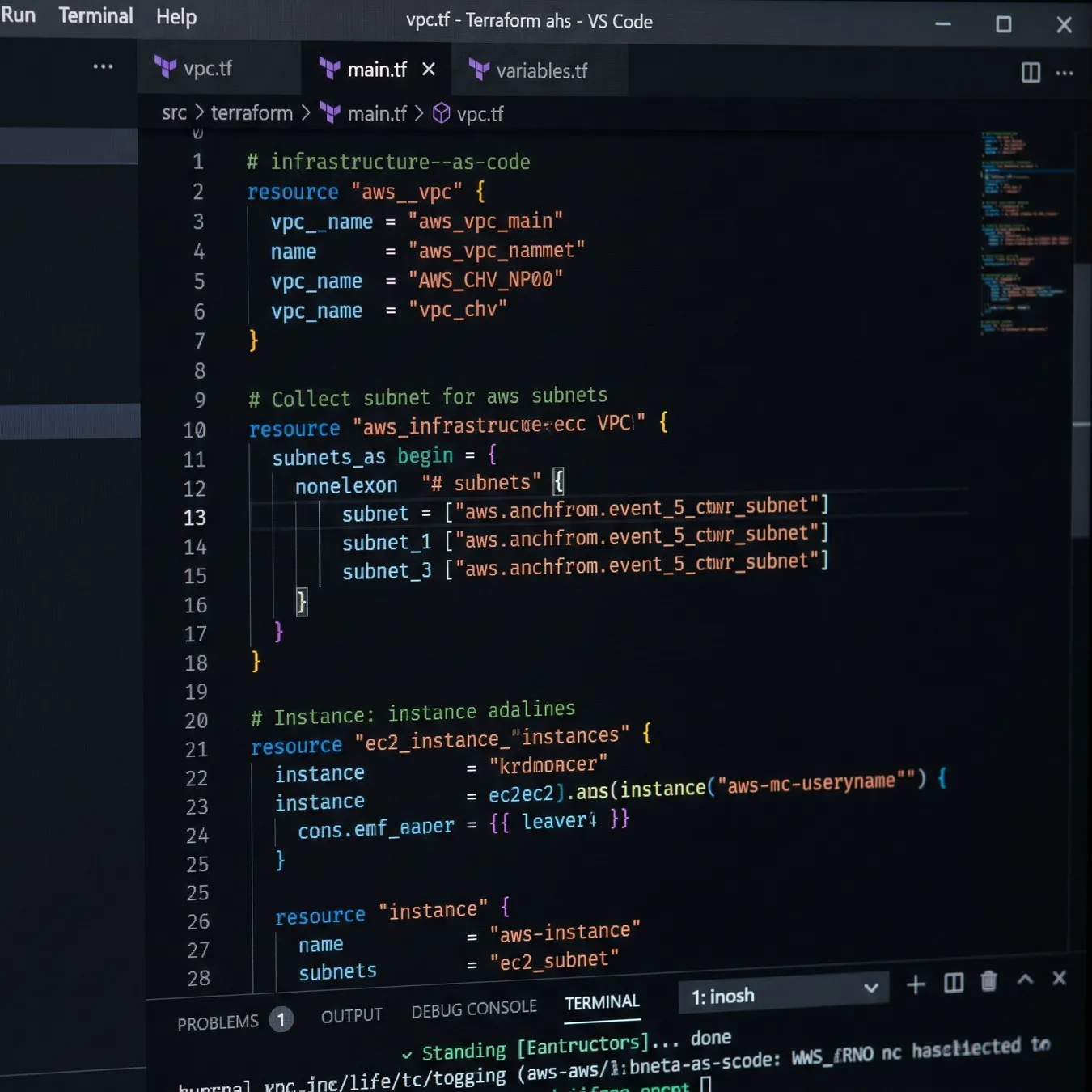
Clean, modular infrastructure code.

Strategic planning for cloud scale.
Take the Next Step in Your Cloud Journey
Infrastructure automation is a journey, not a destination. As your product evolves, your automation strategy must adapt to new security threats and scaling requirements.
Ready to Automate Your Infrastructure?
Stop fighting manual deployments. Let's build a scalable, automated cloud foundation for your product.
Explore Related DevOps Topics
Strategic Guidance
If you are unsure where to begin, our consulting team can help you map out a transition plan that minimizes downtime and maximizes engineering efficiency.
Keep reading
More in Cloud & DevOps Engineering
Studio 402 is a premium remote product studio. We specialize in custom software, AI systems, and the infrastructure that powers them.
For more information on our specific service offerings, please visit our main hub or contact us directly at studio@402.studio.