
Artificial Intelligence for IT Operations (AIOps)
The modern digital landscape demands more than manual oversight. Artificial intelligence for IT operations, or AIOps, represents the shift from reactive troubleshooting to proactive, automated system management. By leveraging machine learning and big data, organizations can now predict outages before they occur and resolve incidents with minimal human intervention.
70%
Reduction in Mean Time to Repair (MTTR)
24/7
Automated Anomaly Detection
50%
Lower Operational Overhead
The Integration of Cloud Computing with Artificial Intelligence
True operational excellence requires the integration of cloud computing with artificial intelligence to handle the sheer volume of telemetry data generated by distributed systems. This synergy allows for dynamic resource allocation and intelligent scaling that traditional scripts simply cannot match.
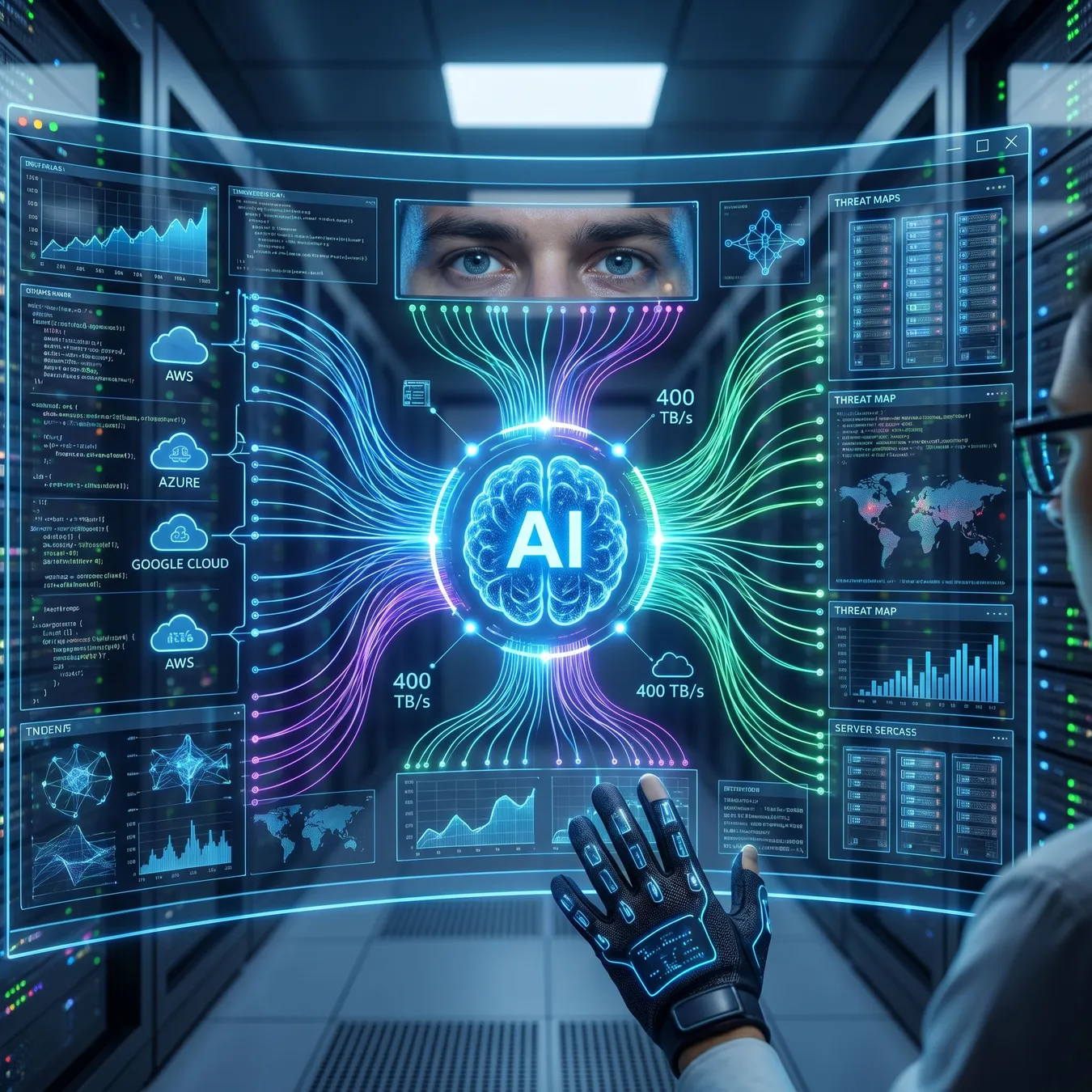
AIOps platforms ingest massive datasets to provide actionable infrastructure insights.
Core Components of an AIOps Strategy
- Data Ingestion: Collecting logs, metrics, and traces from across the stack.
- Pattern Discovery: Using ML to identify correlations between disparate events.
- Anomaly Detection: Separating signal from noise to find true system deviations.
- Automated Remediation: Triggering self-healing workflows based on AI findings.
Business Automation Workflow on Cloud Environments
A robust business automation workflow on cloud infrastructure ensures that IT teams spend less time on repetitive tasks and more on high-value engineering. By automating the response to common alerts, businesses maintain higher availability and better user experiences.
Info.
// Proactive vs. Reactive
How AIOps Transforms Incident Management
01 / 04
phase 01 / 04
Observation
phase 02 / 04
Correlation
phase 03 / 04
Diagnosis
phase 04 / 04
Resolution
AIOps vs. Traditional Monitoring
Trade-off
4 pros · 4 cons
Pros
Predictive capacity planning
Automated root cause analysis
Handles high-velocity data
Reduces noise and false positives
Cons
Static threshold limitations
Manual intervention required
Siloed data views
High rate of alert fatigue
Building the Foundation for AI-Native Ops
Before implementing AI, you must have a solid base of infrastructure deployment automation to ensure your environment is consistent and programmable.
Implementing AIOps on AWS
For teams utilizing aws cloud devops, integrating services like Amazon DevOps Guru can provide an immediate entry point into AI-driven reliability.
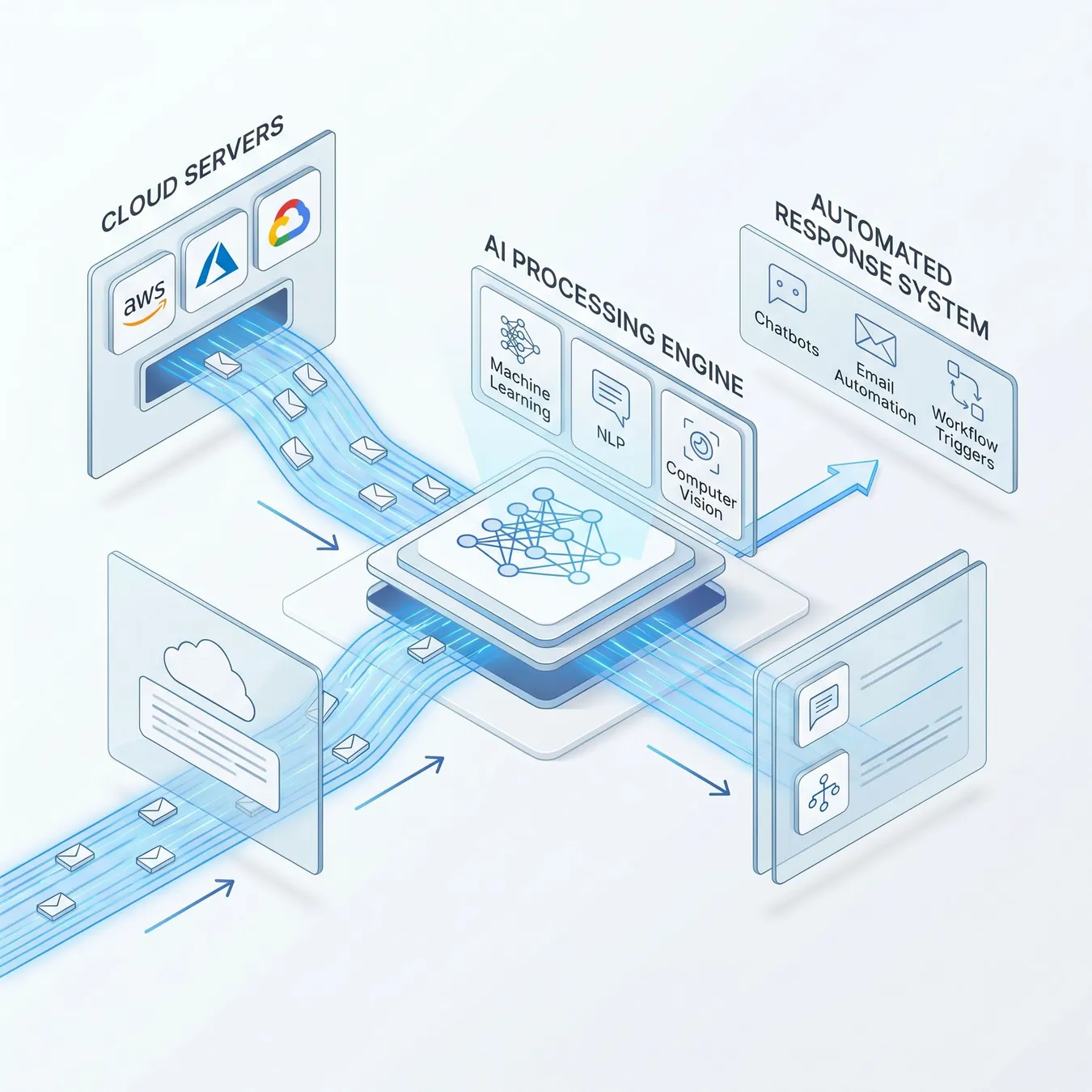
AIOps architecture bridges the gap between raw data and automated action.
The Role of Artificial Intelligence Engineering
Successful AIOps isn't just about buying a tool; it requires specialized artificial intelligence engineering to tune models to your specific business logic and traffic patterns.
Closing the Loop with QA
Monitoring is only half the battle. Integrating these insights back into your development cycle through ai in software engineering creates a continuous loop of improvement.
AIOps Implementation Checklist
Centralize log and metric storage
Define baseline performance metrics
Identify high-value automation targets
Select an AIOps platform or custom build
Train models on historical incident data
Common Challenges in AIOps Adoption
Start with a narrow, well-defined use case
Ensure high data quality before training
Keep a human in the loop for critical actions
Try to automate everything on day one
Ignore the cultural shift required for DevOps
Trust AI models without regular validation
The Future of Autonomous Infrastructure
We are moving toward a world where infrastructure is self-healing, self-scaling, and self-optimizing. AIOps is the engine that makes this autonomous future possible for growth-stage companies.
AIOps is no longer a luxury for the enterprise; it is a necessity for any team managing complex cloud environments at scale.
Studio 402 Engineering · Platform Lead
Frequently Asked Questions
How Studio 402 Can Help
At Studio 402, we don't just build software; we build the systems that keep it running. Whether you are struggling with alert fatigue or need to architect a self-healing cloud foundation, our team combines deep infrastructure expertise with AI-native engineering.

Expert oversight meets automated intelligence.
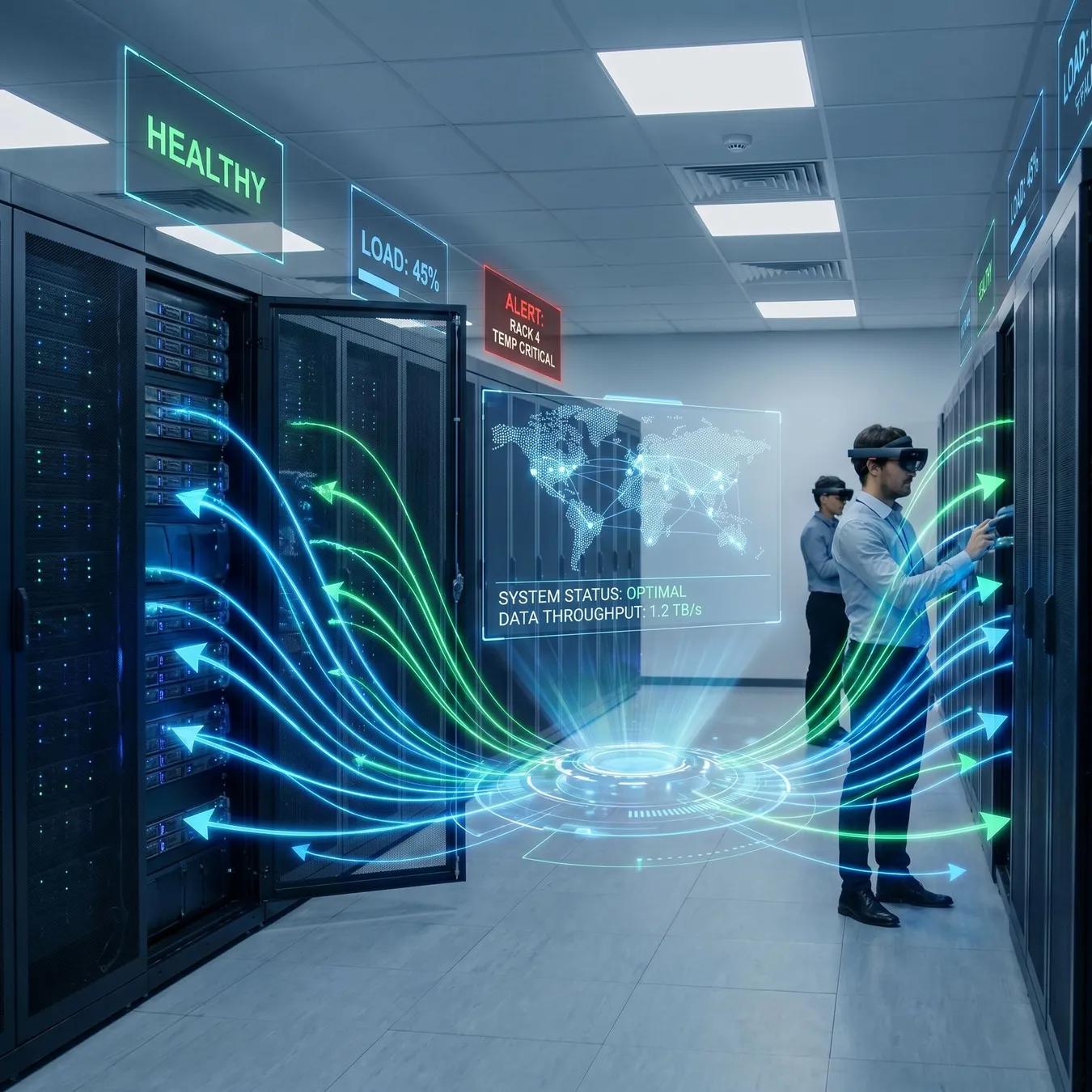
Production-grade infrastructure for real-world scale.
Our Approach to AIOps Integration
- 01
Infrastructure Audit: We identify bottlenecks and data gaps in your current stack.
- 02
Tooling Selection: We help you choose between off-the-shelf AIOps platforms or custom ML models.
- 03
Workflow Orchestration: We build the automated bridges between AI insights and operational actions.
- 04
Continuous Optimization: We refine the system as your product scales and traffic patterns evolve.
Real-World Impact
Studio 402 helped us move from a state of constant fire-fighting to a proactive stance where we often fix issues before customers even notice them.
Ready to Scale Your Operations?
Don't let manual operations hold back your growth. Let's build a reliable, AI-driven foundation for your product.
Build a Smarter Cloud Infrastructure
Connect with Studio 402 to integrate AIOps and automate your operational workflows.
Explore Related Operational Strategies
More in Cloud & DevOps
Keep reading
More in Cloud & DevOps Engineering
Browse All Categories
- AIOps
- Cloud Infrastructure
- DevOps
- AI Integration
- Automation
Trusted by venture-backed startups to scale production infrastructure.
Updated July 2026
AIOps is the final frontier of the modern DevOps journey. By moving away from manual scripts and toward intelligent systems, you unlock the ability to scale without linear increases in headcount.
Whether you are building a new SaaS platform or rescuing a legacy system, AI-driven operations provide the visibility and control needed for 99.99% availability.
Our engineering team specializes in the intersection of cloud architecture and machine learning, ensuring your AIOps implementation is both practical and powerful.
Contact us today to discuss how we can harden your infrastructure and implement the next generation of IT operations.
Studio 402: Engineering the systems that power the future of business.