
Overview
Optimizing Production Processes Using Product Lifecycle Data
Eliminate manufacturing bottlenecks and improve throughput by bridging the gap between hardware development and software intelligence.
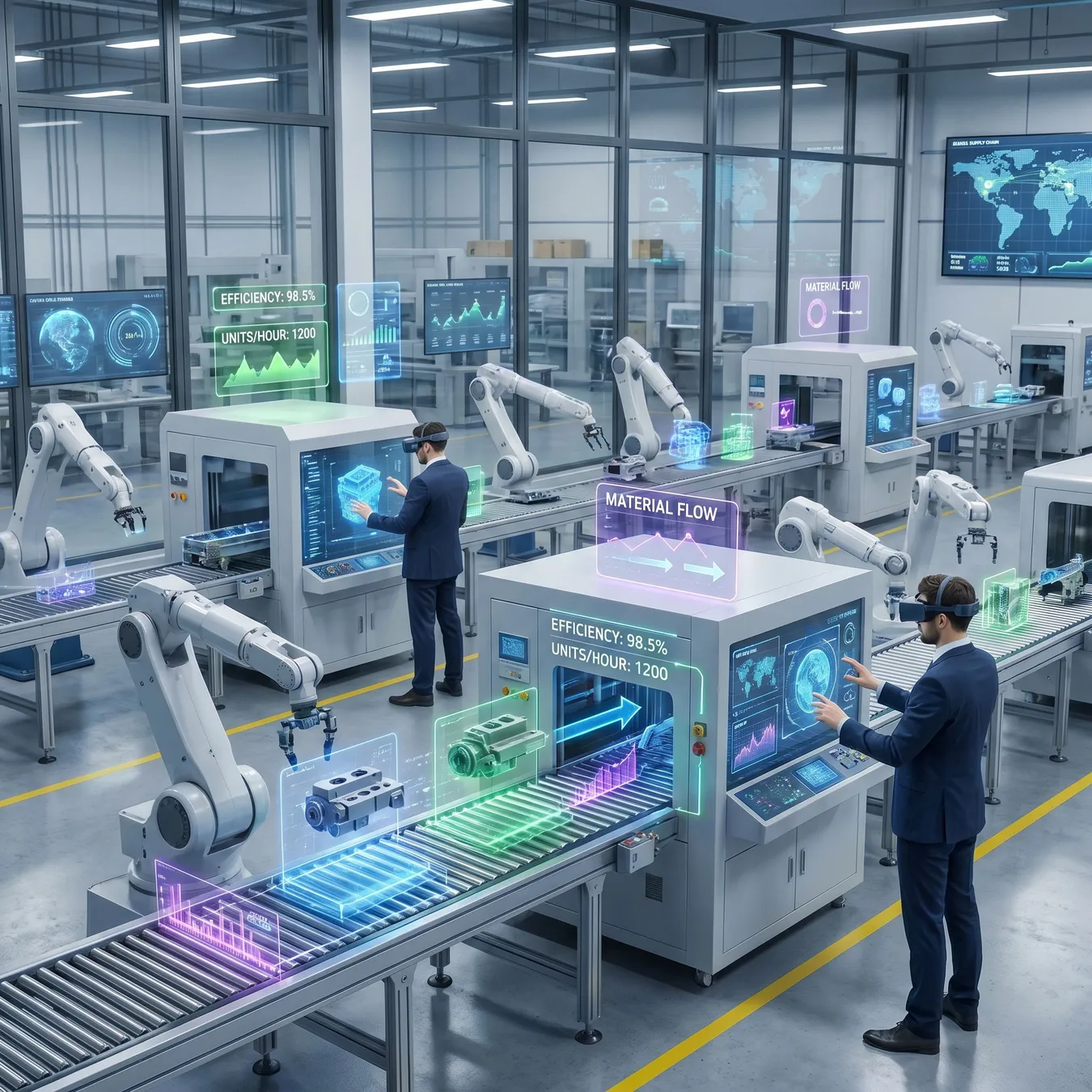
Product Lifecycle Optimization: Data-Driven Production
In modern industrial environments, the ability to achieve efficient product lifecycle management depends on how well you capture and act upon data from every stage of development. By integrating software intelligence into physical production, teams can identify hidden inefficiencies before they become costly delays.
24%
Average throughput increase
15%
Reduction in scrap rates
30%
Faster time-to-market
The Role of Data in Product Lifecycle Optimization
True product lifecycle optimization requires a unified view of both hardware milestones and software iterations. When data is siloed, manufacturing bottlenecks remain invisible until they impact the bottom line. Integrated systems allow for predictive adjustments rather than reactive fixes.
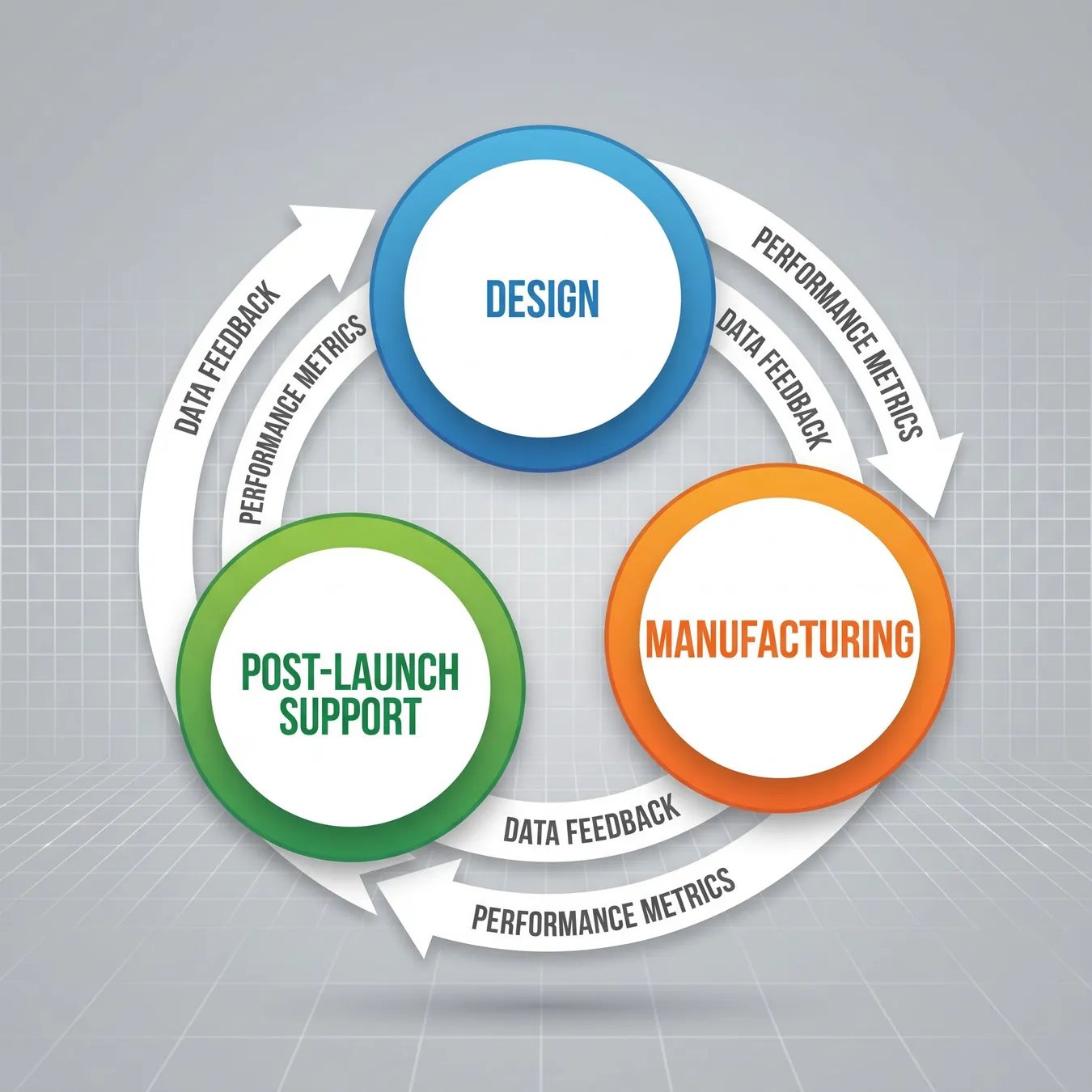
The continuous feedback loop of lifecycle data.
Identifying Bottlenecks with Real-Time Metrics
Optimizing production processes using product lifecycle data starts with visibility. You cannot fix what you cannot measure. By tracking cycle times and component lead times, teams can pinpoint exactly where the flow stalls.
- Real-time sensor data from the factory floor
- Supply chain lead time variability
- Quality control failure rates by batch
- Software deployment velocity for embedded systems
Strategies for Optimizing Production Processes
To achieve high-performance outcomes, teams must move beyond static spreadsheets. Implementing product lifecycle management technology allows for a dynamic response to production variables, ensuring that hardware and software teams remain synchronized.
- 01
Centralize data from disparate hardware and software tools.
- 02
Establish baseline metrics for every lifecycle stage.
- 03
Automate reporting to highlight variances in real-time.
- 04
Iterate on production workflows based on data-driven insights.
Bridging Hardware and Software Workflows
Hardware teams often operate on longer cycles than software teams. This discrepancy is a primary source of friction. Using agile product lifecycle management helps bridge this gap by aligning hardware milestones with software sprints.
Info.
// Synchronization Tip
Comparison: Traditional vs. Data-Driven Production
Trade-off
3 pros · 3 cons
Pros
Predictive maintenance reduces downtime
Automated compliance tracking
Higher resource utilization
Cons
Manual data entry errors
Reactive troubleshooting
Siloed communication channels
Leveraging Custom Production Management Software
Off-the-shelf tools often fail to account for the unique complexities of integrated systems. Building custom production management software ensures that your specific operational logic is baked into the platform, allowing for seamless data flow.
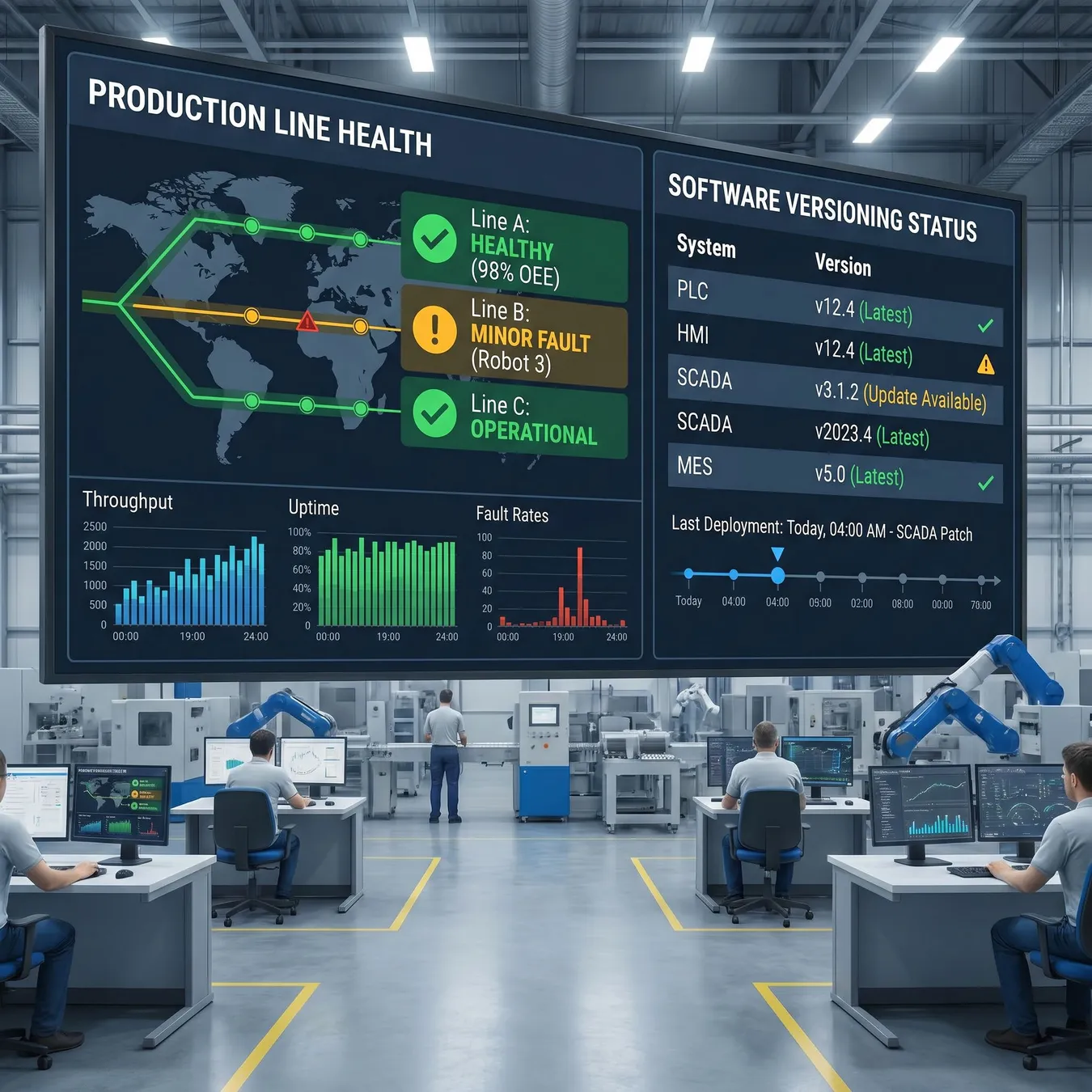
Integrated operational dashboard.
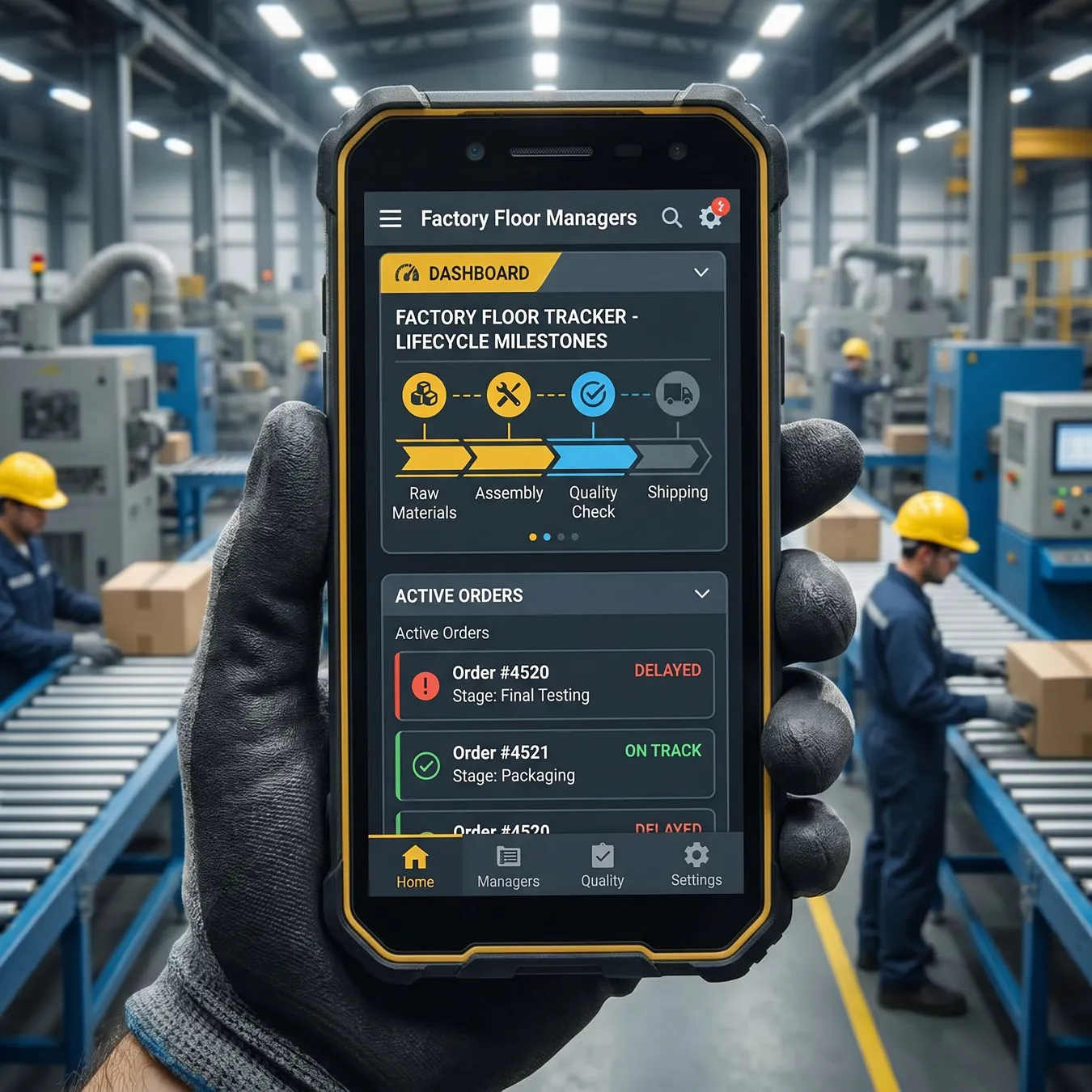
Mobile-first production tracking.
Ensuring Quality Through Data Integration
Quality shouldn't be an afterthought. By utilizing production quality management software, teams can embed automated checks directly into the lifecycle, ensuring that every unit meets rigorous standards before leaving the facility.
Automated firmware validation checks
Real-time component traceability
Environmental stress testing logs
The Impact of Lifecycle Optimization on Throughput
When you optimize the product lifecycle, you aren't just moving faster; you're moving smarter. Data-driven insights allow for the reallocation of resources to the most critical paths, effectively increasing total throughput without increasing headcount.
Reducing Waste and Rework
Rework is the enemy of efficiency. Lifecycle data helps identify the root causes of defects early in the design phase, preventing them from cascading into the manufacturing stage where they are ten times more expensive to fix.
Implementation Timeline for Optimization Systems
01 / 04
phase 01 / 04
Audit
phase 02 / 04
Architecture
phase 03 / 04
Build
phase 04 / 04
Scale
Common Challenges in Lifecycle Data Integration
Many organizations struggle with legacy hardware that lacks modern connectivity. Bridging these systems requires specialized engineering that can translate analog signals into digital insights without disrupting existing workflows.
Standardize data formats across all departments
Prioritize real-time visibility over batch reporting
Involve both hardware and software leads in system design
Ignore small variances that could signal larger failures
Rely on manual spreadsheets for critical path tracking
Build systems that are too rigid for future product iterations
Future Trends in Lifecycle Optimization
As we move further into 2026, AI-native systems are becoming the standard for predictive lifecycle management. These systems don't just report what happened; they forecast what will happen, allowing teams to adjust production before a bottleneck occurs.
AI and Machine Learning in Manufacturing
Machine learning models can now analyze years of lifecycle data to suggest design improvements that reduce manufacturing complexity, leading to inherently more efficient production processes.
Case Study: Scaling Throughput with Custom Systems
A mid-market electronics manufacturer recently replaced their manual tracking with a custom platform. The result was a 40% reduction in lead times and a significant improvement in cross-team collaboration.
The visibility provided by integrated lifecycle data transformed our production floor from a black box into a transparent, high-velocity engine.
Sarah Chen · VP of Operations
How Studio 402 Enables Production Excellence
At Studio 402, we specialize in building the software foundations that hardware-software teams need to scale. Whether you are rescuing a broken prototype or building a new production management system from scratch, we bring senior engineering depth to every engagement.
We understand that production-ready outcomes require more than just code; they require a deep understanding of infrastructure, data flow, and operational reliability. Our team works as your technical partner to eliminate bottlenecks and harden your systems for real-world use.
Frequently Asked Questions
Take the Next Step in Production Optimization
If your production processes are held together by manual workflows and disconnected tools, it's time to build a foundation that grows with your business. Studio 402 helps you turn operational drag into a competitive advantage.
Ready to Optimize Your Production?
Contact Studio 402 to discuss how custom software and integrated data systems can scale your operations.
Trusted by growth-stage hardware teams to build production-ready systems.
Updated July 2026
Keep reading
More in Hardware-Software Integrated Systems
Studio 402 is a product engineering studio focused on shipping software that survives real users. From MVP development to complex industrial integrations, we build for scale.
- Production-Ready
- Hardware-Software
- AI-Native
- Scale-Ready
Our approach combines technical consulting with hands-on execution, ensuring that your roadmap is both ambitious and achievable.
For teams dealing with technical debt or fragile prototypes, our rescue and refactor services provide a clear path back to stability and growth.
We believe in honest scoping and durable documentation, making us the preferred partner for founders who value quality over shortcuts.
Connect with our senior engineering team today to see how we can help you bridge the gap between design and delivery.