
Optimizing Customer Service for Hardware Product Lifecycles
Managing customer service for hardware products requires a strategy that spans years, not just weeks. Effective support must evolve alongside the product, from initial unboxing to long-term maintenance and eventual end-of-life transitions.
84%
Customers prioritize post-purchase support for hardware
3.5x
Higher retention with proactive lifecycle management
40%
Reduction in RMA rates via digital diagnostics
The Role of Customer Satisfaction Over Product Lifecycle
High customer satisfaction over product lifecycle is achieved when support is integrated directly into the hardware experience. This includes providing real-time health data and self-service diagnostic tools that empower users.
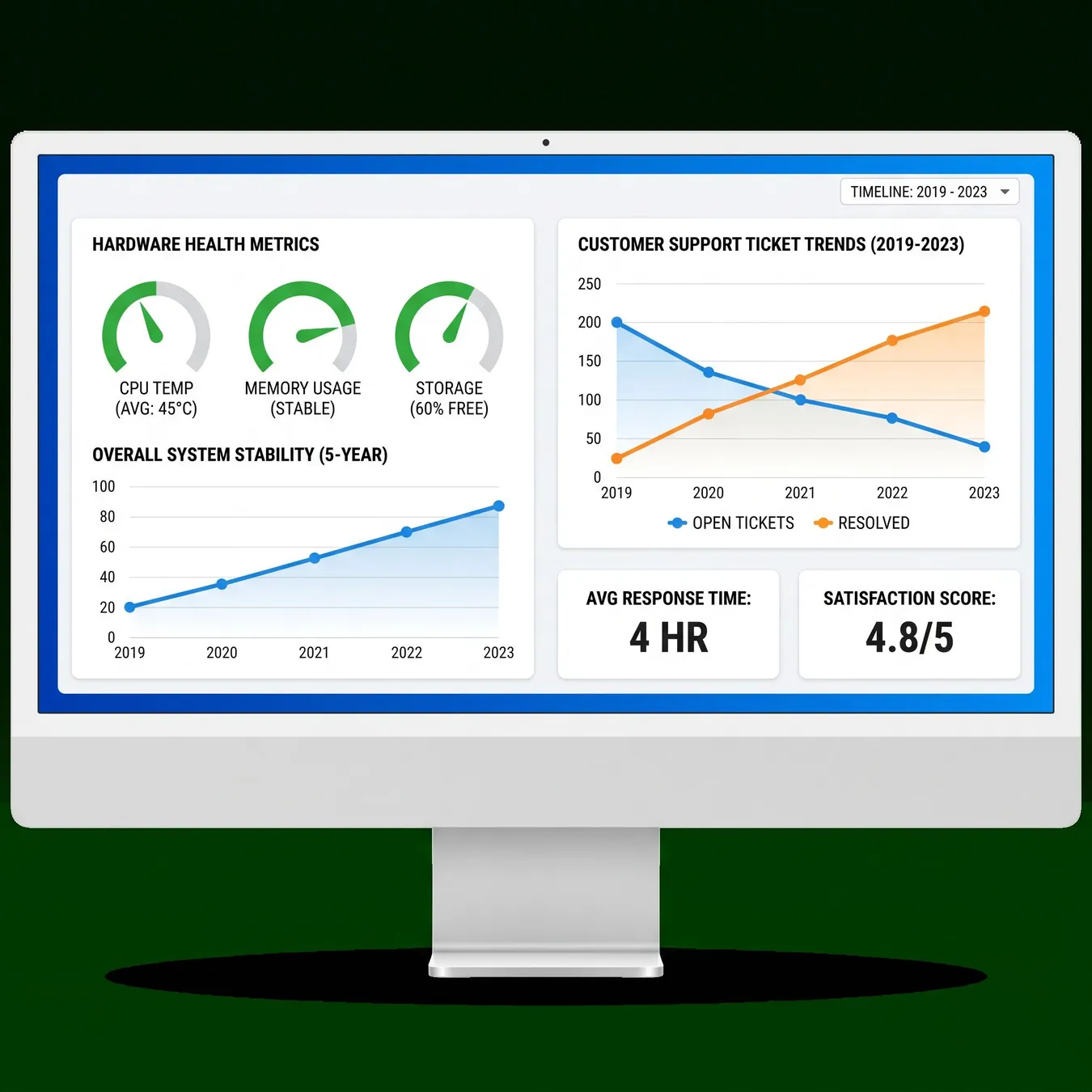
Visualizing the long-term health and support needs of hardware assets.
Leveraging Product Lifecycle Management Customer Feedback
To improve future iterations, teams must treat product lifecycle management customer feedback as a primary data source. Capturing field data through support portals allows engineering teams to identify recurring hardware failures early.
- Automated feedback collection at key usage milestones
- Integration of support tickets with engineering PLM tools
- Sentiment analysis on hardware-specific performance issues
- Closing the loop by notifying users of firmware fixes
Building Custom Support Portals for Hardware Teams
Off-the-shelf help desks often fail to account for serial numbers, firmware versions, and component history. A custom portal provides the specific context needed for hardware-software integrated systems.
Info.
// Proactive Diagnostics
Diagnostic Software as a Service Lever
Diagnostic software reduces the burden on human support teams. By allowing users to run local tests, companies can significantly lower the volume of unnecessary returns and hardware replacements.
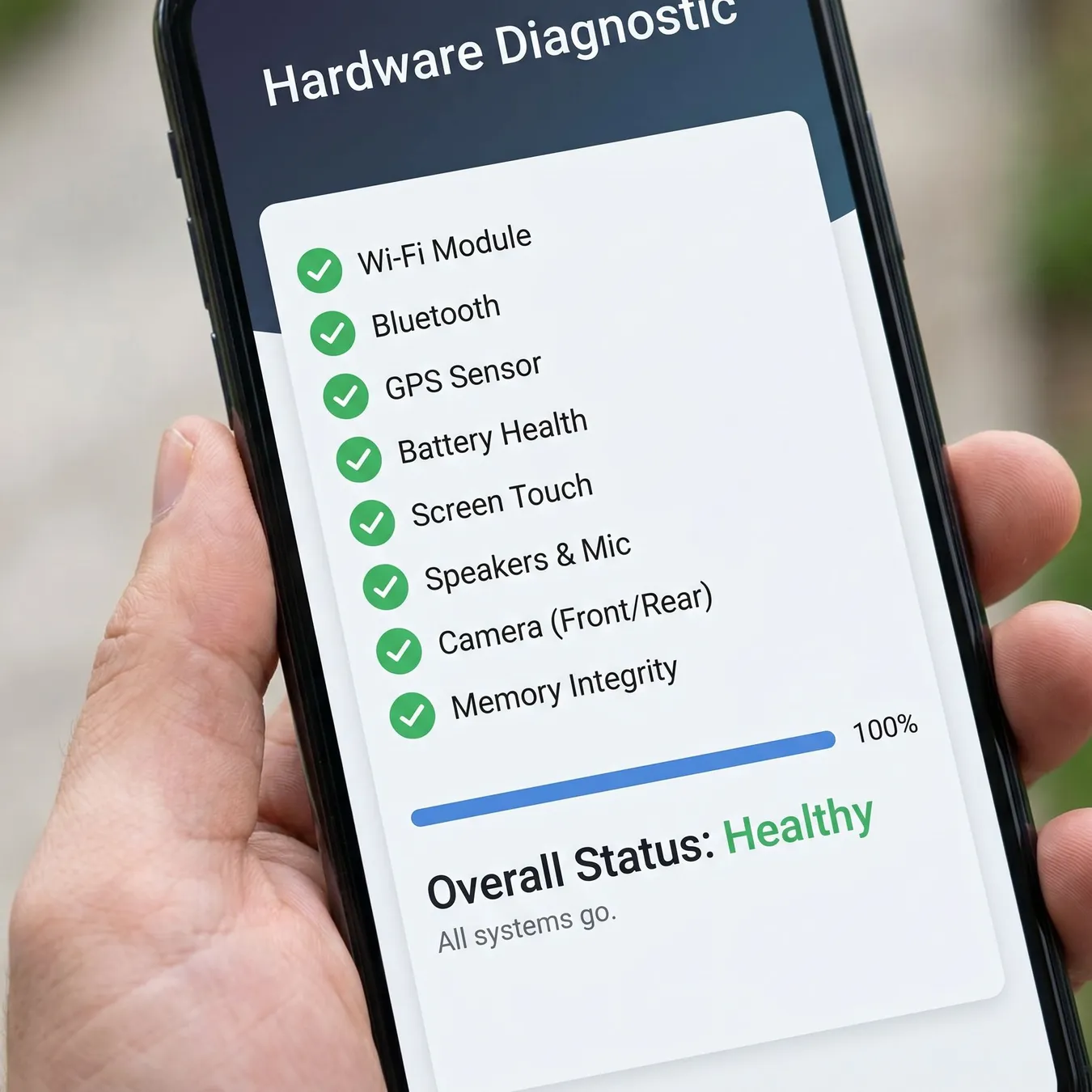
Empowering users with self-service diagnostic tools.
Strategies for Optimizing Customer Service
When optimizing customer service for hardware product lifecycles, focus on the transition points between warranty phases. Clear communication during these shifts maintains trust even as the product ages.
- 01
Map support workflows to specific hardware lifecycle stages
- 02
Implement automated firmware update notifications
- 03
Create a centralized knowledge base for legacy hardware
- 04
Deploy AI-driven chatbots for common hardware troubleshooting
Integrating Software to Extend Hardware Longevity
Thoughtful software updates can extend product lifecycle by optimizing power consumption and adding new features to existing physical components.
Cost Efficiency in Hardware Support
Automation in the support layer is a critical factor in reducing product lifecycle costs. By catching defects early through user feedback, manufacturing adjustments can be made before mass-scale issues occur.
Comparison: Manual vs. Automated Support Systems
Trade-off
3 pros · 3 cons
Pros
Instant resolution for common software glitches
Data-driven insights for engineering teams
Scalable support without increasing headcount
Cons
High overhead for repetitive hardware queries
No visibility into device telemetry
Slower response times for critical failures
Scaling Your Support Infrastructure
As your fleet of devices grows, you must refine your product lifecycle management process to handle the increased data load from connected devices and customer interactions.
Custom Operations for Maintenance Teams
Field technicians and support staff require specialized operations and maintenance software that provides a 360-degree view of the customer's hardware environment.
Common Challenges in Hardware Support
Best Practices for Hardware CX
Provide clear self-service documentation
Use telemetry to predict hardware failure
Integrate support data with R&D teams
Ignore feedback from legacy product users
Force users through generic phone trees
Wait for hardware failure to engage customers
The Future of Integrated Support Systems
As AI becomes more integrated into operational workflows, the ability to provide predictive support will become a standard expectation for hardware manufacturers.
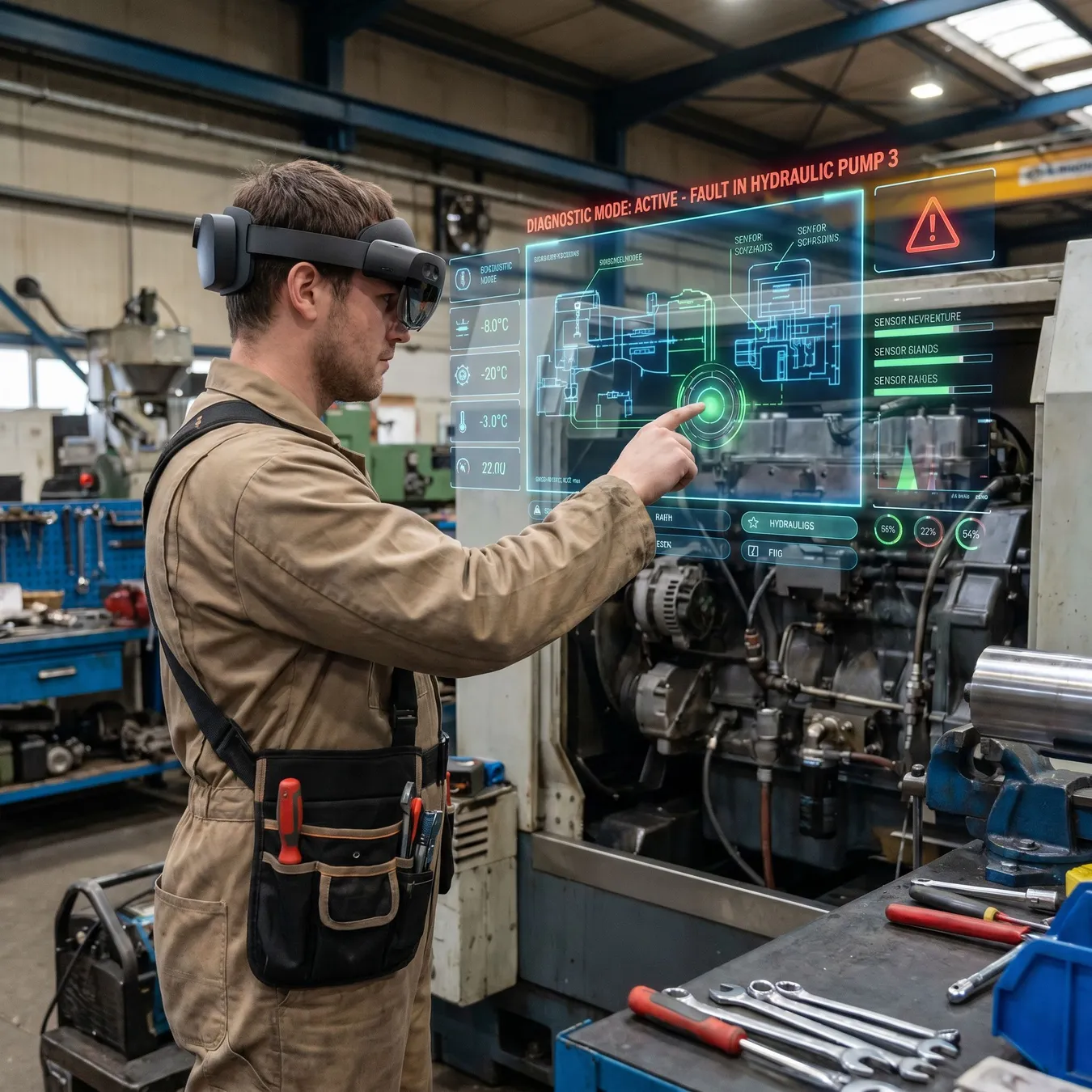
Next-generation field support tools.

Fleet-wide operational intelligence.
Bridging Hardware and Software with Studio 402
At Studio 402, we understand that hardware companies face unique challenges when building digital support infrastructure. We specialize in creating the software layer that makes your physical products more manageable and your customers more satisfied.
Whether you need a custom diagnostic portal, an AI-driven feedback loop, or a complete overhaul of your lifecycle management software, our engineering team builds production-ready systems that scale with your fleet.
Studio 402 transformed our support process from a reactive cost center into a proactive data source for our product team.
Engineering Lead · Industrial IoT Startup
Our Approach to Hardware Lifecycle Software
01 / 04
phase 01 / 04
Discovery & Audit
phase 02 / 04
System Architecture
phase 03 / 04
Engineering & Launch
phase 04 / 04
Iterative Scaling
Ready to Optimize Your Hardware Support?
Don't let fragmented tools and manual processes limit your customer satisfaction. Let's build the software infrastructure your hardware deserves.
Build Better Hardware Support Systems
Contact Studio 402 today to discuss your custom hardware support portal or diagnostic software needs.
Explore More Resources
Support Implementation Checklist
Define key hardware health metrics for telemetry
Map customer touchpoints across the full lifecycle
Select a centralized database for serial number tracking
Develop automated firmware update protocols
Establish a feedback loop between support and R&D
Frequently Asked Questions
Industry Standards for Hardware Service
| Metric | Industry Average | Optimized Target |
|---|---|---|
| First Response Time | 24 Hours | < 2 Hours |
| Self-Service Resolution | 15% | 45%+ |
| RMA Rate | 5-8% | < 3% |
Final Thoughts on Lifecycle CX
Optimizing customer service for hardware product lifecycles is not a one-time project but a continuous commitment to quality and user experience. By investing in custom software, you turn support from a burden into a competitive advantage.
- Hardware CX
- Lifecycle Management
- Custom Software
- Support Portals
Keep reading