
The 6 Critical Stages of the Hardware Product Lifecycle
Navigating the stages in hardware product lifecycle management requires a different playbook than software alone. Physical products demand a rigorous sequence of validation, sourcing, and production milestones.
6
Core Lifecycle Stages
12-24mo
Average Time to Market
80%
Cost Locked in Design
Understanding the Tech Product Lifecycle for Hardware
The tech product lifecycle for integrated systems is defined by the high cost of physical iteration. Unlike SaaS, where you can 'move fast and break things,' hardware errors can lead to expensive scrap or recalls.
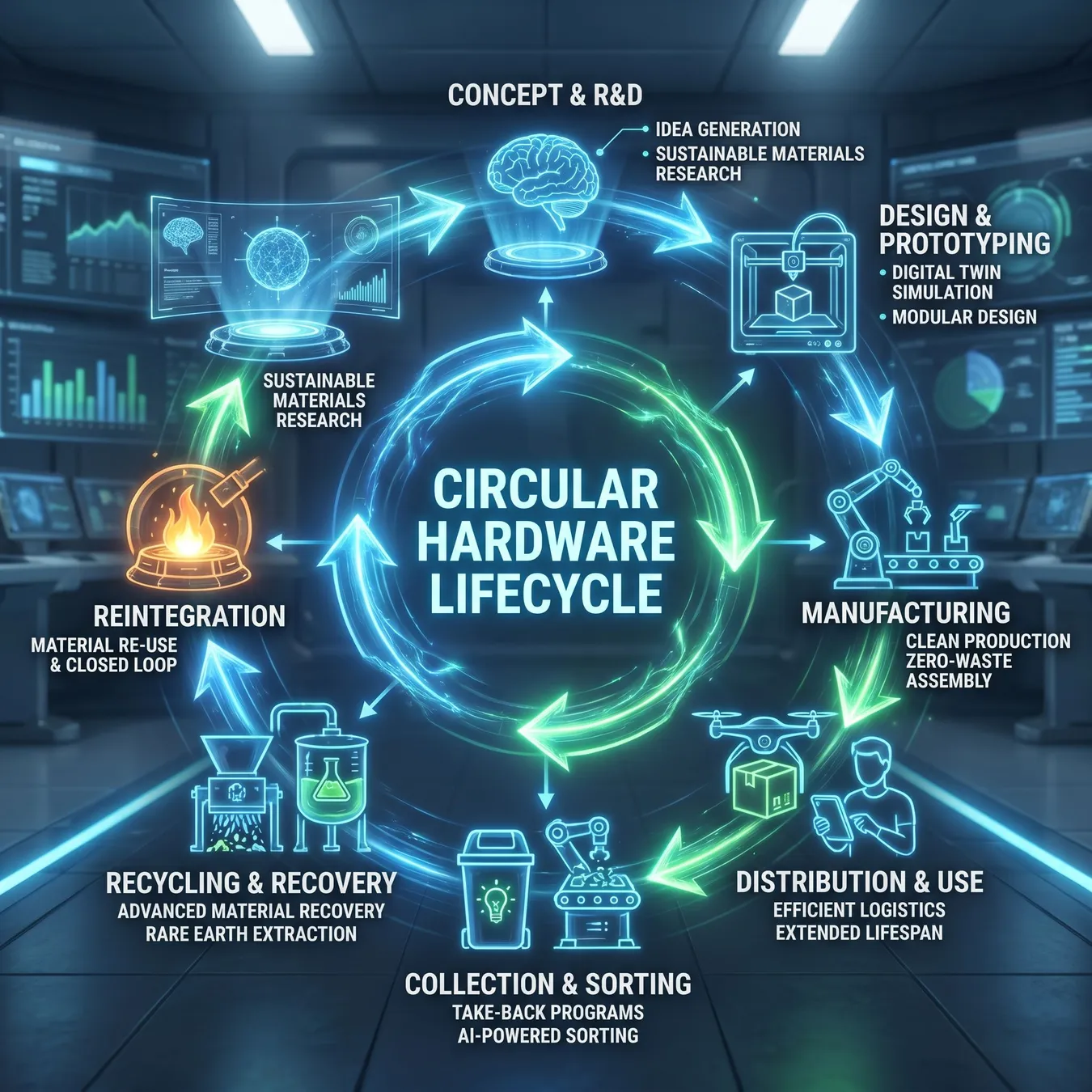
The interconnected nature of modern hardware-software development cycles.
Stage 1: Concept and Feasibility Study
Every hardware journey begins with a concept. This stage focuses on market fit, technical feasibility, and initial cost modeling to ensure the project is viable before significant capital is deployed.
- Market research and user persona definition
- Technical risk assessment and mitigation plans
- Preliminary Bill of Materials (BOM) estimation
- Regulatory and compliance requirement mapping
Stage 2: Design and Prototyping (EVT)
Engineering Validation Testing (EVT) is where the physical product takes shape. This phase involves building functional prototypes to prove that the core technology works as intended in a real-world environment.
Tip.
// Prototyping Tip
The Role of Software in Prototyping
During EVT, software teams often use agile product lifecycle management to keep firmware development in sync with rapidly changing hardware revisions.
Stage 3: Design Validation and Refinement (DVT)
Design Validation Testing (DVT) ensures the product looks, feels, and performs like the final version. This is the stage where you finalize the industrial design and prepare for mass production.
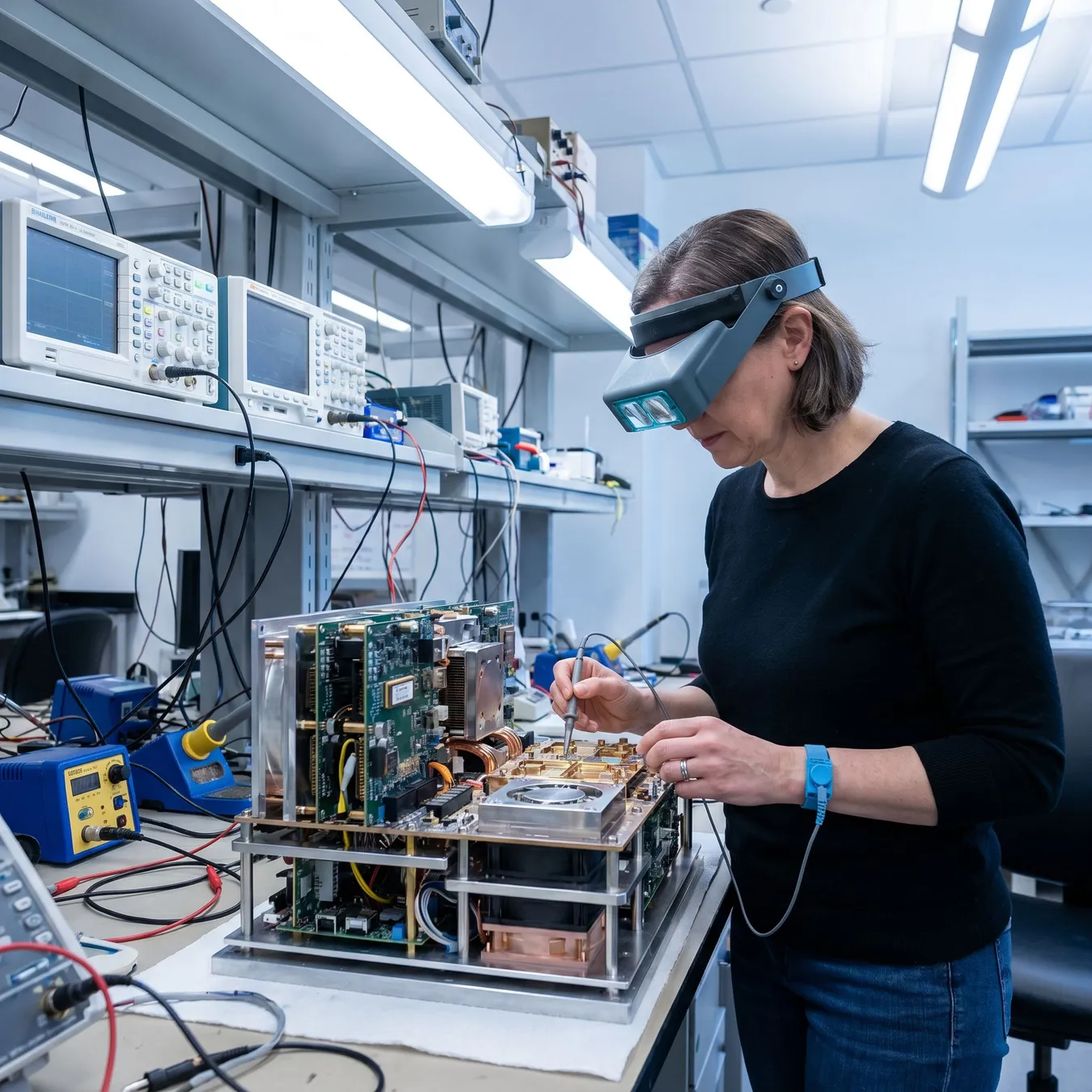
DVT focuses on ensuring the product meets all aesthetic and performance specifications.
Finalize mechanical CAD designs
Complete environmental and stress testing
Secure FCC/CE certifications
Validate software-hardware integration
Stage 4: Production Validation (PVT)
Production Validation Testing (PVT) is the 'pilot run.' You are no longer testing the product; you are testing the manufacturing process itself to ensure consistent quality at scale.
This is one of the most critical steps before launching a product, as it identifies bottlenecks in the assembly line that could delay your market entry.
| Phase | Primary Goal | Typical Quantity |
|---|---|---|
| EVT | Functional Proof | 5-20 units |
| DVT | Design Integrity | 50-100 units |
| PVT | Process Stability | 100-500 units |
Stage 5: Mass Production and Sustaining
Once PVT is successful, the product enters mass production. Sustaining engineering then takes over to manage quality control, yield optimization, and minor iterative improvements.
Teams often find a significant need for product lifecycle management software during this phase to track field failures and manage supply chain logistics efficiently.
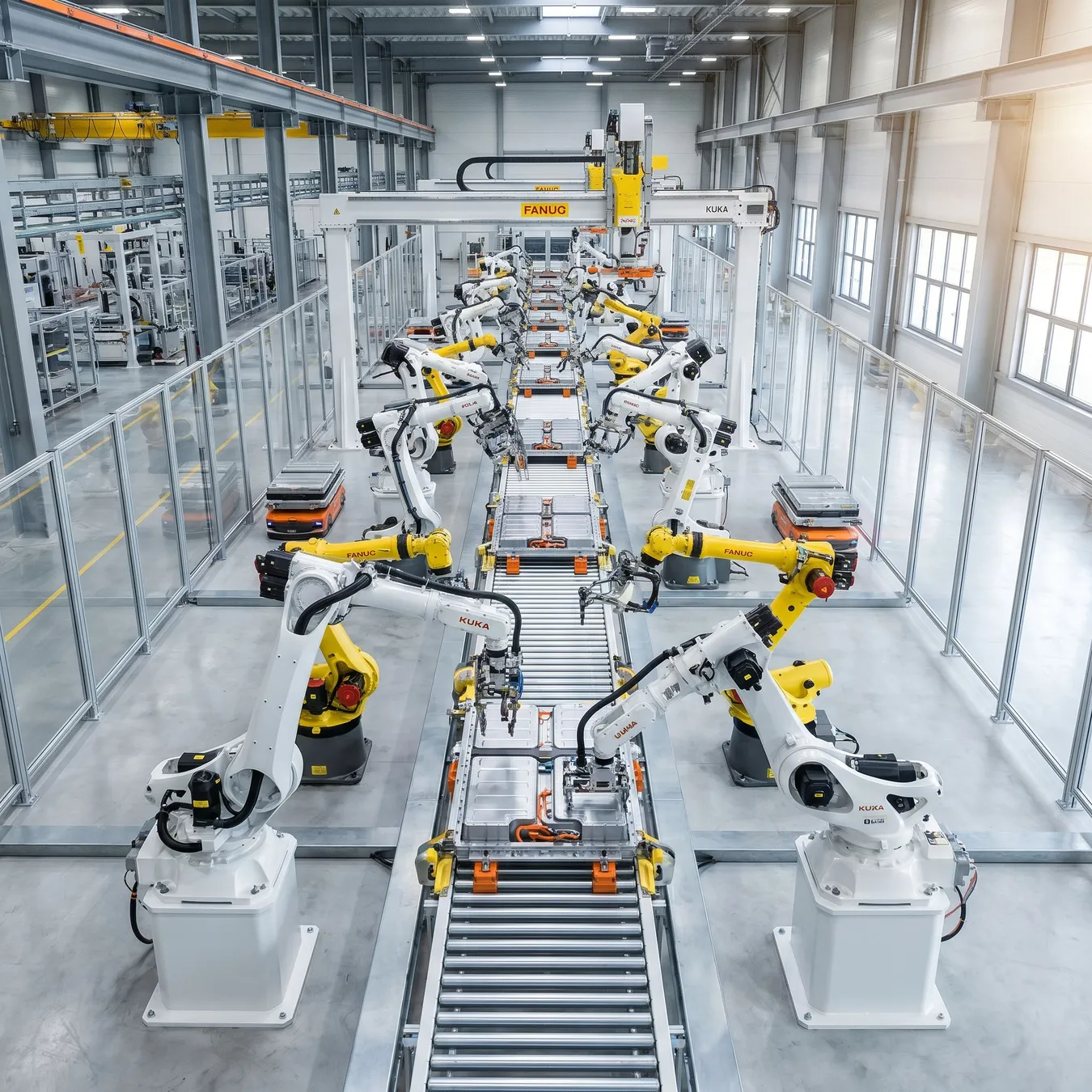
High-volume manufacturing requires precise software orchestration.
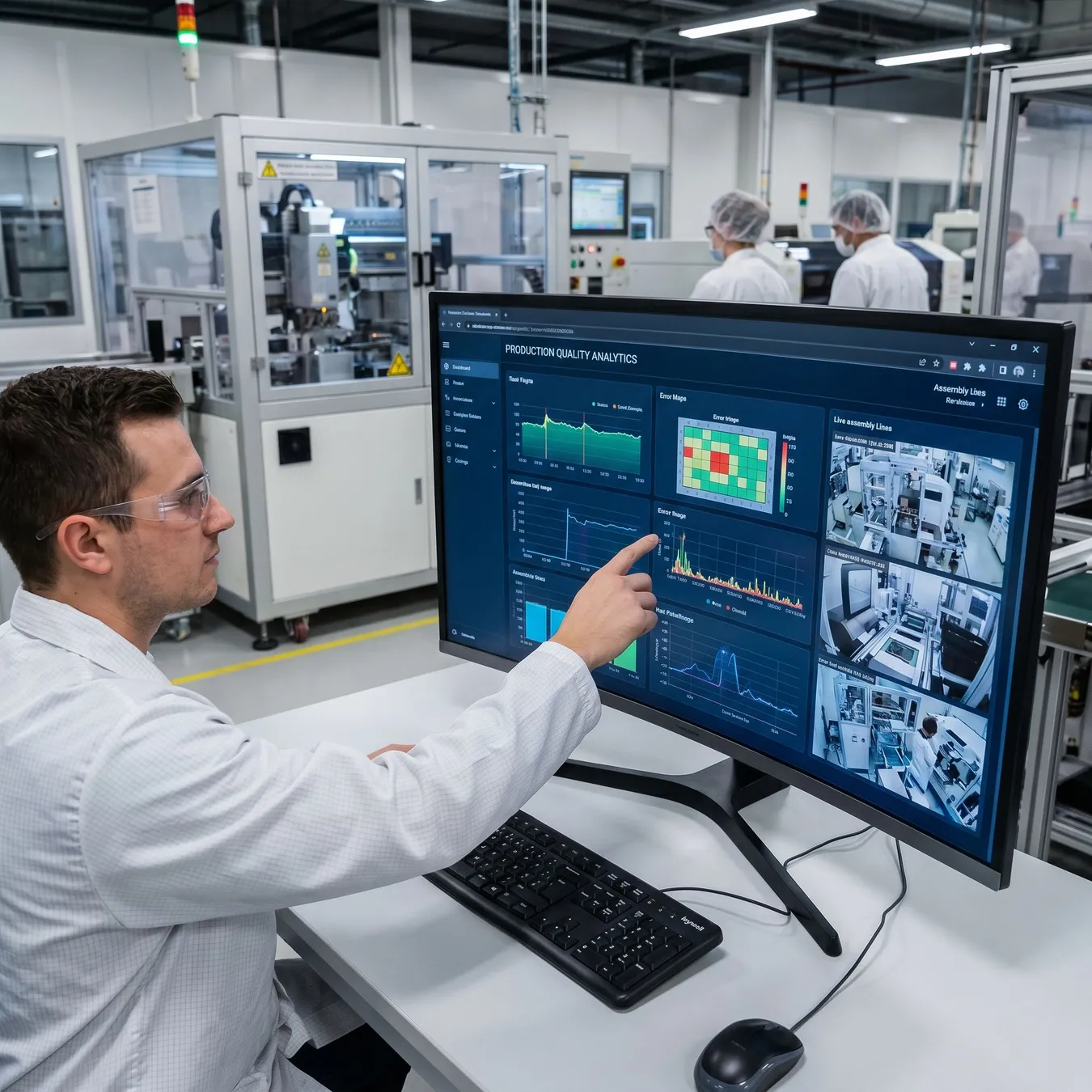
Real-time data tracking during the sustaining phase.
Stage 6: End-of-Life (EOL) and Transition
The final stage involves managing the phase-out of the product. This includes handling remaining inventory, providing long-term support, and planning for the next generation of hardware.
Strategic software updates can often extend product lifecycle utility, allowing older hardware to remain functional even as newer models enter the market.
The Critical Need for Product Lifecycle Management (PLM)
Without a centralized system, hardware teams struggle with version control, siloed data, and communication breakdowns between engineering and manufacturing.
Centralize all BOM data in a single source of truth
Automate engineering change orders (ECOs)
Integrate PLM with your ERP system early
Rely on manual spreadsheets for revision tracking
Ignore software-hardware synchronization requirements
Wait until mass production to think about EOL
Optimizing the Lifecycle with Data
Modern hardware teams use product lifecycle optimization to reduce waste and improve time-to-market. By analyzing data from previous stages, you can predict and prevent manufacturing defects.
Common Lifecycle Challenges
Bridging Hardware and Software Operations
At Studio 402, we understand that the hardware lifecycle is only as strong as the software systems supporting it. We build the custom operational infrastructure that connects your engineering data to the factory floor.
Whether you are managing a fleet of IoT devices or a complex industrial machine, our systems ensure that your hardware-software integration is seamless and scalable.
Why Custom Systems Matter
Off-the-shelf PLM tools often fail to account for the unique workflows of modern tech products. We design bespoke solutions that fit your specific lifecycle stages and compliance needs.
01 / 03
phase 01 / 03
Audit
phase 02 / 03
Design
phase 03 / 03
Build
Real-World Impact of Lifecycle Management
Effective management doesn't just save time; it protects your brand. A well-managed lifecycle ensures that every unit shipped meets the high standards your customers expect.
The difference between a successful hardware launch and a disaster is often the quality of the internal systems managing the transition from prototype to production.
Technical Director · Studio 402
Future-Proofing Your Hardware Strategy
As AI and automation become standard in manufacturing, your lifecycle management must evolve. Integrating intelligent systems into your workflow can unlock new levels of efficiency.
Info.
// The Future of PLM
Next Steps for Your Team
If your hardware development process is currently managed by fragmented tools and manual processes, it's time to build a foundation that scales with your ambition.
Scale Your Hardware Operations
Need custom software to manage your hardware product lifecycle? Let's build the systems that drive your production success.
Deepen Your Lifecycle Knowledge
Keep reading
More in Hardware-Software Integrated Systems
Trusted by growth-stage hardware teams to build production-ready software systems.
Updated for 2026 standards.