
AI Tools for Managing Product Lifecycle in Manufacturing
Modern manufacturing demands more than just assembly lines; it requires a digital thread that connects every stage of production. By integrating artificial intelligence into existing workflows, manufacturers can transform static data into actionable operational intelligence.
- Predictive Maintenance
- Automated Documentation
- Operational Intelligence
- PLM Integration
The Role of AI Tools for Managing Product Lifecycle in Manufacturing
AI tools for managing product lifecycle in manufacturing are designed to bridge the gap between design, engineering, and the factory floor. These systems analyze historical and real-time data to predict outcomes and optimize resource allocation.
25%
Reduction in maintenance costs
40%
Faster documentation cycles
15%
Increase in throughput
Core Capabilities of AI-Native Lifecycle Systems
Effective tools for managing product lifecycle must handle high-velocity data from IoT sensors while maintaining a clean record of engineering changes. AI adds a layer of intelligence that automates the most tedious parts of this oversight.
- Automated technical documentation generation
- Predictive maintenance scheduling for factory hardware
- Real-time supply chain risk assessment
- Automated quality assurance and anomaly detection
- Energy consumption optimization across production lines
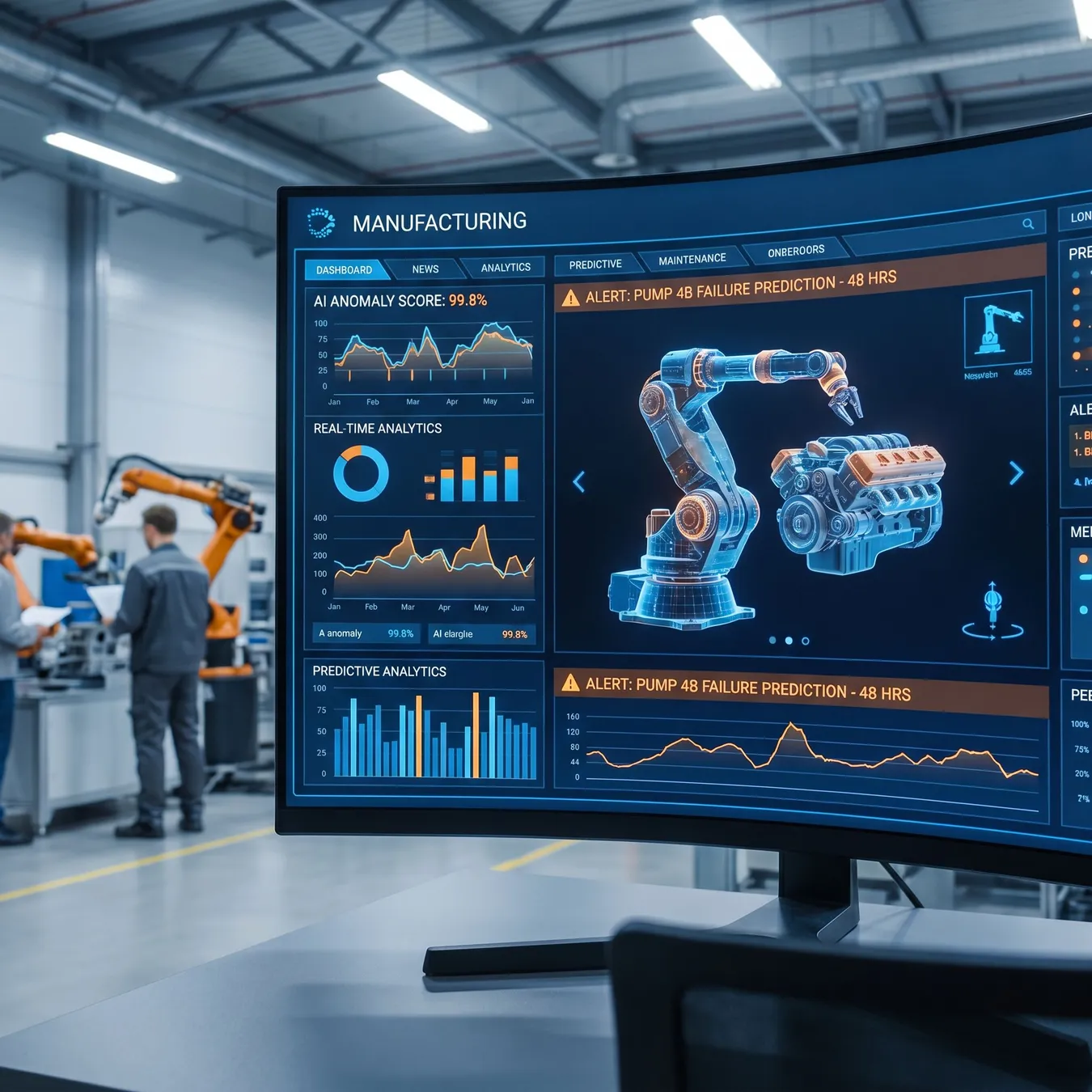
AI-driven dashboards provide a unified view of the entire product lifecycle.
Predictive Maintenance and Hardware Reliability
One of the most immediate benefits of AI integration is the shift from reactive to proactive maintenance. By monitoring vibration, heat, and cycle counts, AI models can flag potential failures before they cause downtime.
Info.
// Data-Driven Reliability
Automating Documentation and Compliance
Manufacturing is heavily regulated, requiring meticulous records. AI tools can automate the generation of compliance reports and technical manuals by pulling data directly from the engineering and production stages.
This level of automation is essential when you want to automate software development lifecycle tasks alongside physical production milestones.
Optimizing Production with Lifecycle Data
Every product manufactured generates a trail of data. When analyzed correctly, this information reveals bottlenecks in the assembly process that human observers might miss.
Focusing on product lifecycle optimization allows teams to refine their manufacturing steps based on actual performance metrics from the field.
Comparison: Traditional vs. AI-Enhanced PLM
Trade-off
3 pros · 3 cons
Pros
Real-time anomaly detection
Automated data entry and cleanup
Predictive scaling of resources
Cons
Manual status updates
Siloed data between departments
Reactive response to failures
Step-by-Step AI Integration Process
01 / 04
phase 01 / 04
Data Audit
phase 02 / 04
Model Selection
phase 03 / 04
Pilot Integration
phase 04 / 04
Full Scale-Up
Operational Intelligence in the Factory
Operational intelligence is the result of connecting disparate systems into a single source of truth. AI acts as the connective tissue, interpreting data from both software and hardware layers.
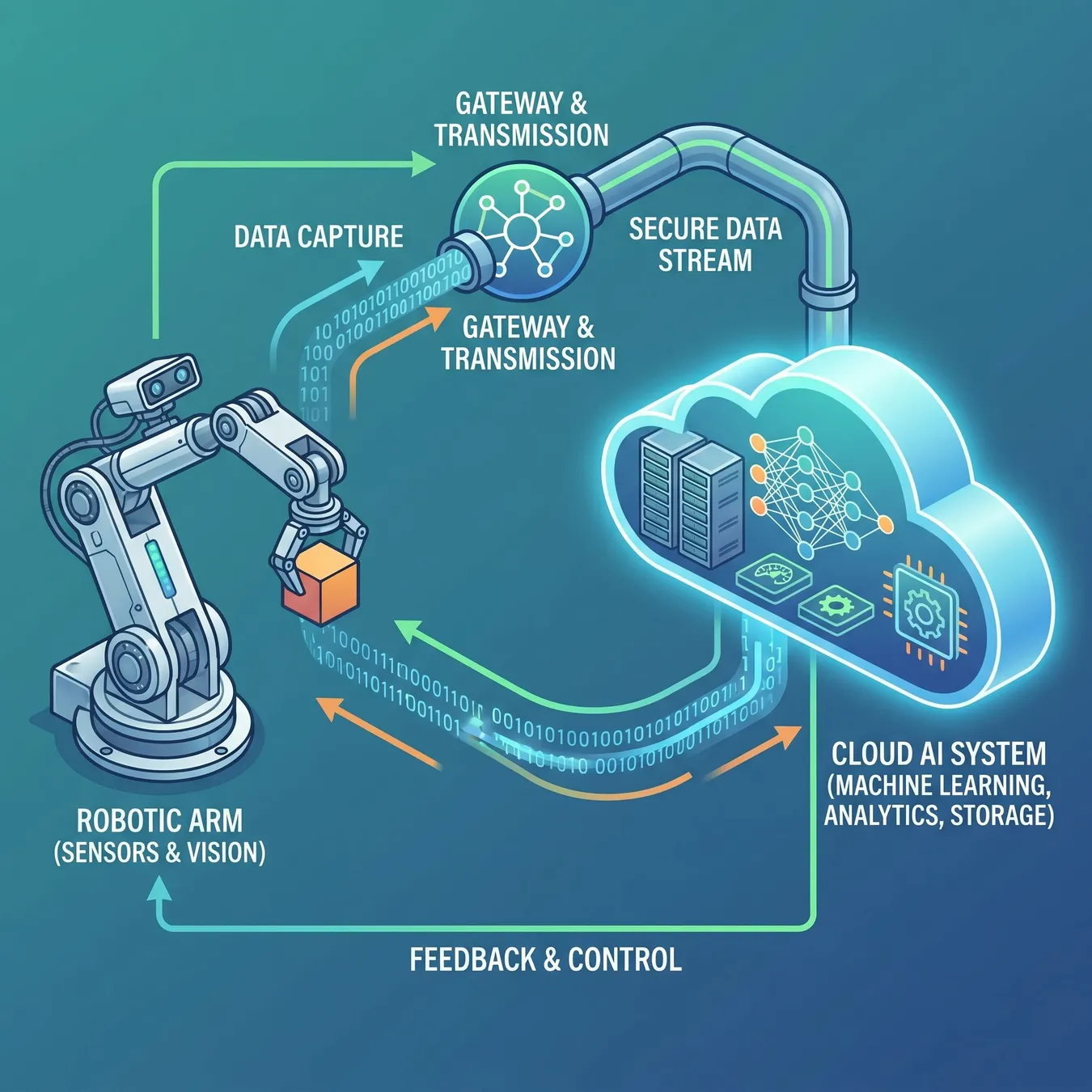
Hardware-to-cloud data integration.
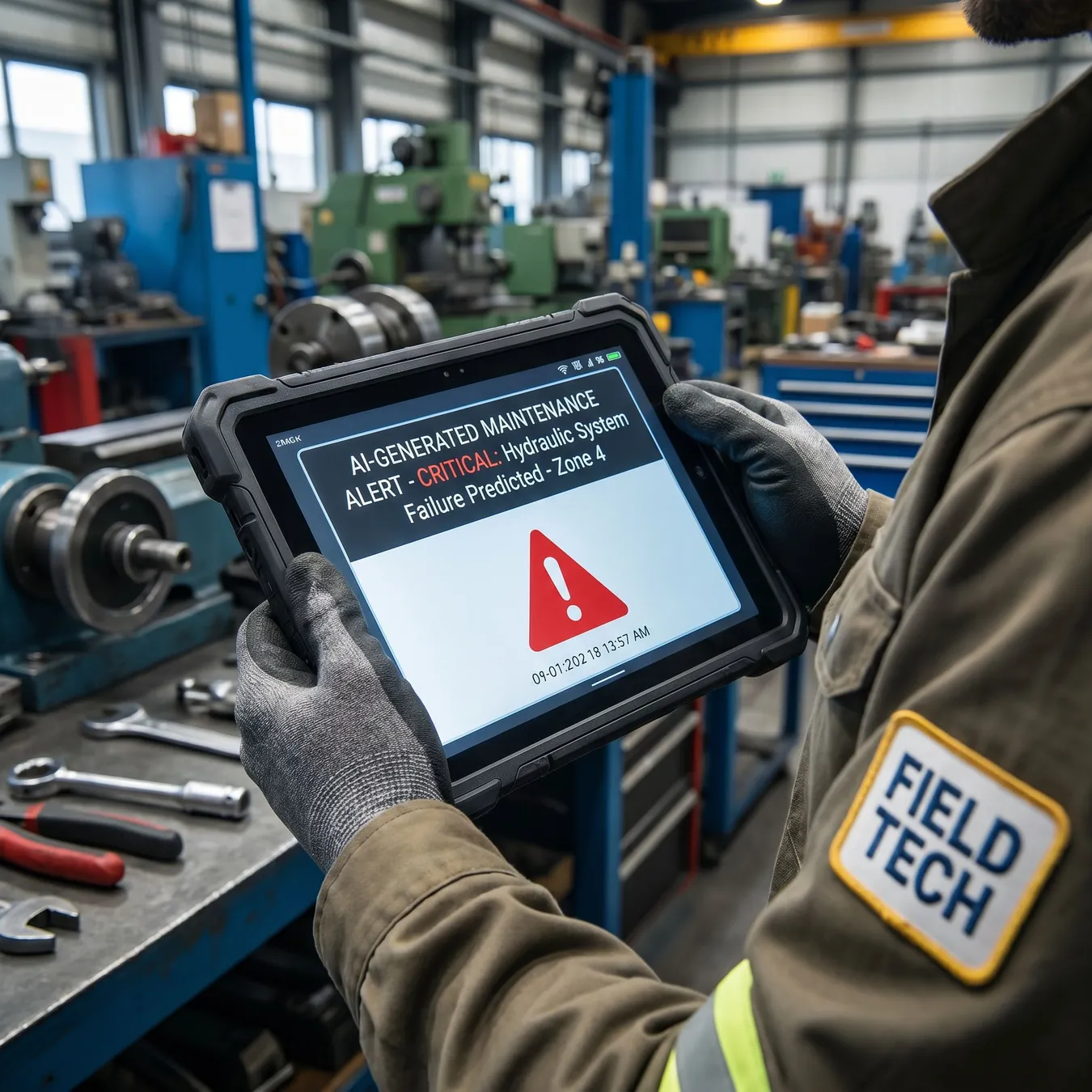
Real-time alerts for floor operators.
Managing Long-Lifecycle Hardware
For products with lifespans of 10+ years, AI tools help manage component obsolescence and firmware versioning, ensuring that the software remains compatible with aging hardware.
Common Challenges in AI Manufacturing Adoption
Start with a specific, high-impact problem
Ensure data security and compliance
Train staff on AI-assisted tools
Try to automate every process at once
Ignore legacy system compatibility
Overlook the need for human-in-the-loop
The Future of AI-Native Manufacturing
As we move further into 2026, the distinction between software and hardware management will continue to blur. AI will not just monitor the lifecycle; it will actively direct it.
Frequently Asked Questions
Bridging to Custom Solutions
Understanding the theory of AI in manufacturing is the first step. The next is building the actual systems that make these efficiencies possible for your specific production environment.
If you are looking for custom software for manufacturing that incorporates these AI capabilities, Studio 402 specializes in building production-ready systems.
How Studio 402 Can Help
At Studio 402, we don't just build prototypes. We design and deploy durable software that survives the rigors of a factory floor and the complexities of global supply chains.
Our Approach to AI Integration
We focus on creating AI-native systems that solve real operational bottlenecks, from refactoring legacy codebases to integrating LLMs for technical documentation.
Hardening Your Infrastructure
We ensure your cloud and on-premise infrastructure is ready for the data loads required by modern AI tools, focusing on security and observability.
Ready to Optimize Your Lifecycle?
The transition to AI-native manufacturing requires a partner who understands both the software stack and the operational reality of hardware production.
Build Your AI-Native Manufacturing System
Let's discuss how custom AI tools can transform your product lifecycle management from a cost center into a competitive advantage.
Explore More Resources
Checklist for AI Readiness
Audit existing sensor data quality
Identify manual documentation bottlenecks
Review legacy system API availability
Define clear ROI metrics for AI pilot
Summary of AI Benefits
| Feature | Benefit | Impact |
|---|---|---|
| Predictive Maintenance | Reduced Downtime | High |
| Auto-Documentation | Compliance Speed | Medium |
| Process Mining | Bottleneck Removal | High |
AI in manufacturing isn't about replacing the worker; it's about giving the worker the intelligence needed to operate at a higher scale.
Studio 402 Engineering Team
Keep reading