
Agile Methodologies for Long-Lifecycle Hardware Products
Bridging the gap between rapid software iteration and multi-year hardware development requires a specialized agile product lifecycle. Traditional agile often fails in physical engineering because it ignores the fixed costs of manufacturing and long lead times.
10+ Years
Average hardware lifecycle
2-Week
Software sprint cadence
40%
Cost reduction in rework
The Challenge of Agile Platforms for Long Lifecycle Products
When selecting agile platforms for long lifecycle products, teams must account for the high cost of change in physical components. Unlike software, where a bug fix is a deployment away, hardware changes involve tooling, supply chains, and physical validation.
- Synchronization of long-lead hardware with short-cycle software
- Managing component obsolescence over decade-long lifespans
- Maintaining traceability for regulatory compliance
- Decoupling software features from physical hardware revisions
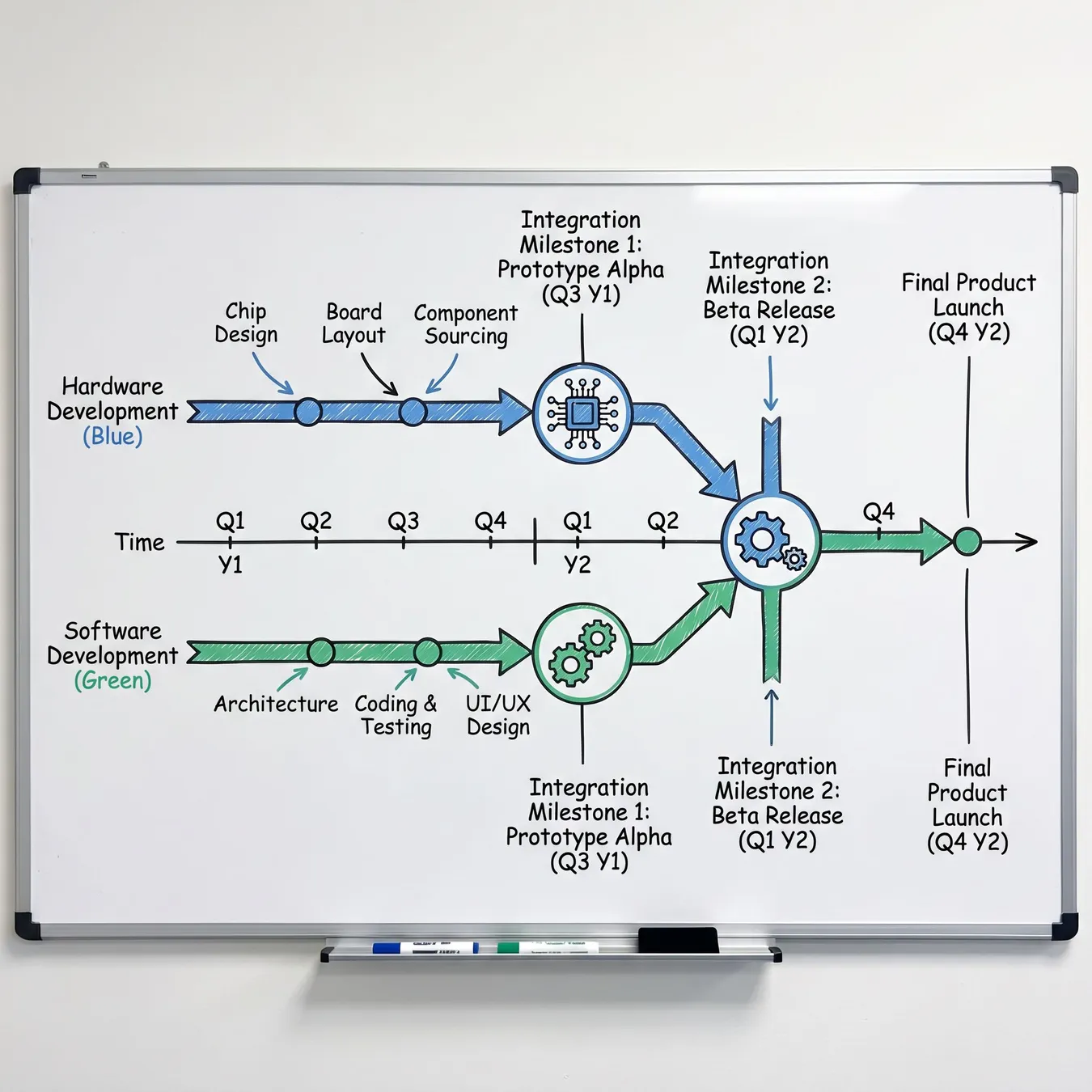
Visualizing the synchronization of hardware and software development cycles.
Core Principles of Agile Product Lifecycle Management
Effective agile product lifecycle management long lifetime products relies on milestone-driven agility. This means using agile for the 'soft' parts of the system while maintaining a rigorous gate process for the 'hard' components.
Info.
// Milestone-Driven Agility
How to Extend Product Lifecycle via Software
One of the most effective ways to extend product lifecycle is through robust firmware and over-the-air (OTA) update capabilities. This allows hardware to remain relevant even as user expectations and security requirements evolve.
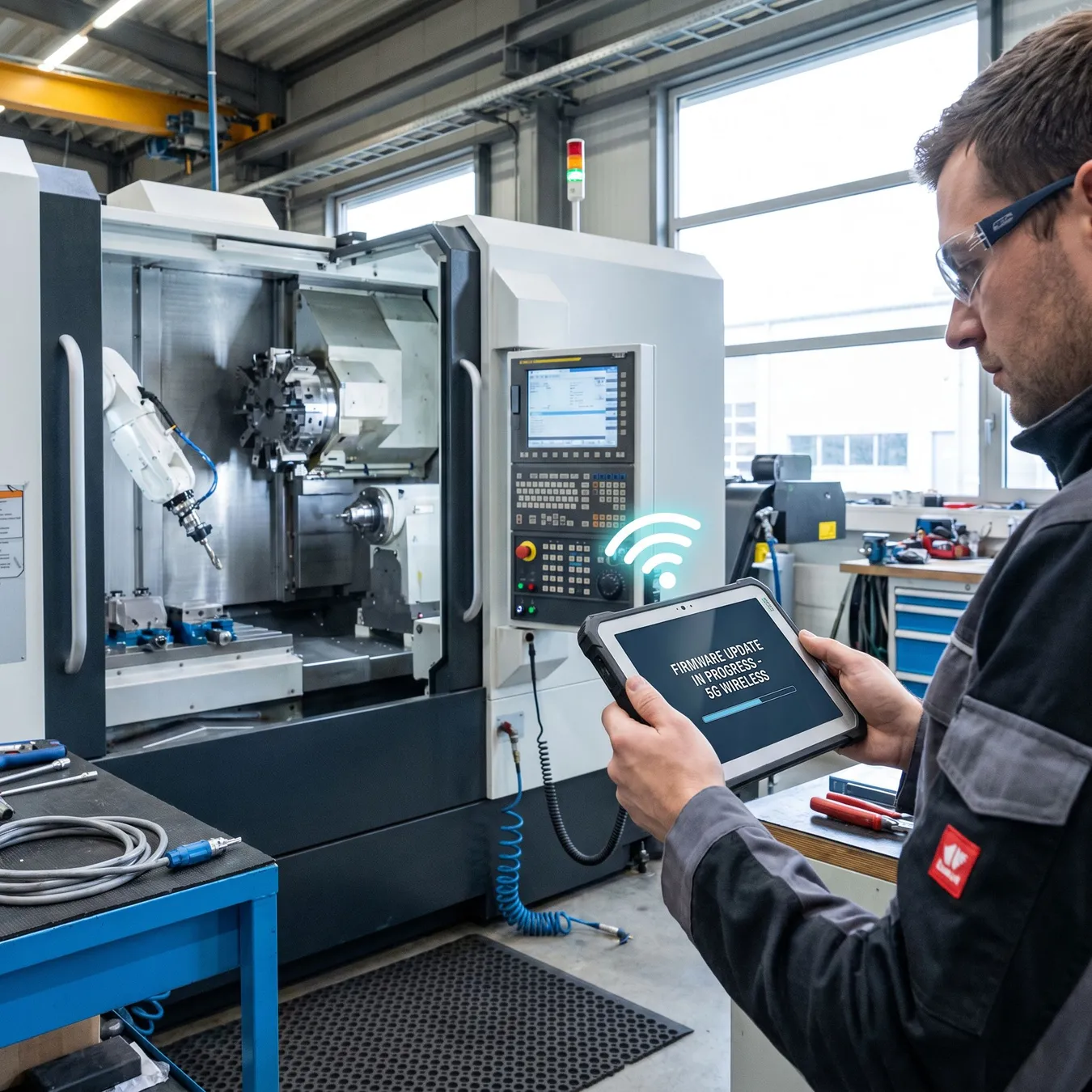
OTA updates are critical for maintaining long-lived hardware assets.
Selecting the Right Agile Software Development Tools
Modern agile software development tools must integrate directly with PLM systems to ensure that software teams are always building against the correct hardware specification.
| Feature | Standard Agile | Hardware-Integrated Agile |
|---|---|---|
| Release Cycle | Continuous | Milestone-Synchronized |
| Traceability | Optional | Mandatory (Regulatory) |
| Dependency Map | Code-based | Hardware-Software Cross-map |
Phases of the Agile Product Management Lifecycle
Understanding the agile product management lifecycle helps teams identify where flexibility is possible and where rigid constraints must be respected.
01 / 04
phase 01 / 04
Discovery & Simulation
phase 02 / 04
Modular Architecture
phase 03 / 04
Continuous Integration
phase 04 / 04
Sustaining Engineering
Best Practices for Integrated Teams
Use an agile product lifecycle management tool for cross-team visibility
Invest in Hardware-in-the-Loop (HIL) testing early
Define clear interface contracts between hardware and software
Assume software can fix fundamental hardware design flaws late in the game
Ignore long-lead procurement times in your sprint planning
Skip documentation in the name of 'agile speed'
Implementing an agile product lifecycle management tool ensures that every stakeholder, from the mechanical engineer to the cloud developer, has a single source of truth.
Case Study: Long-Lifecycle Success
By moving to a milestone-driven agile framework, we reduced our hardware-software integration bugs by 60% and shipped our industrial sensors four months ahead of schedule.
Marcus Chen · Director of Engineering
Navigating Hardware Constraints in Agile
Hardware constraints are not roadblocks; they are the boundaries within which agile software must operate. Successful companies providing agile platforms for products with long lifecycles focus on modularity.
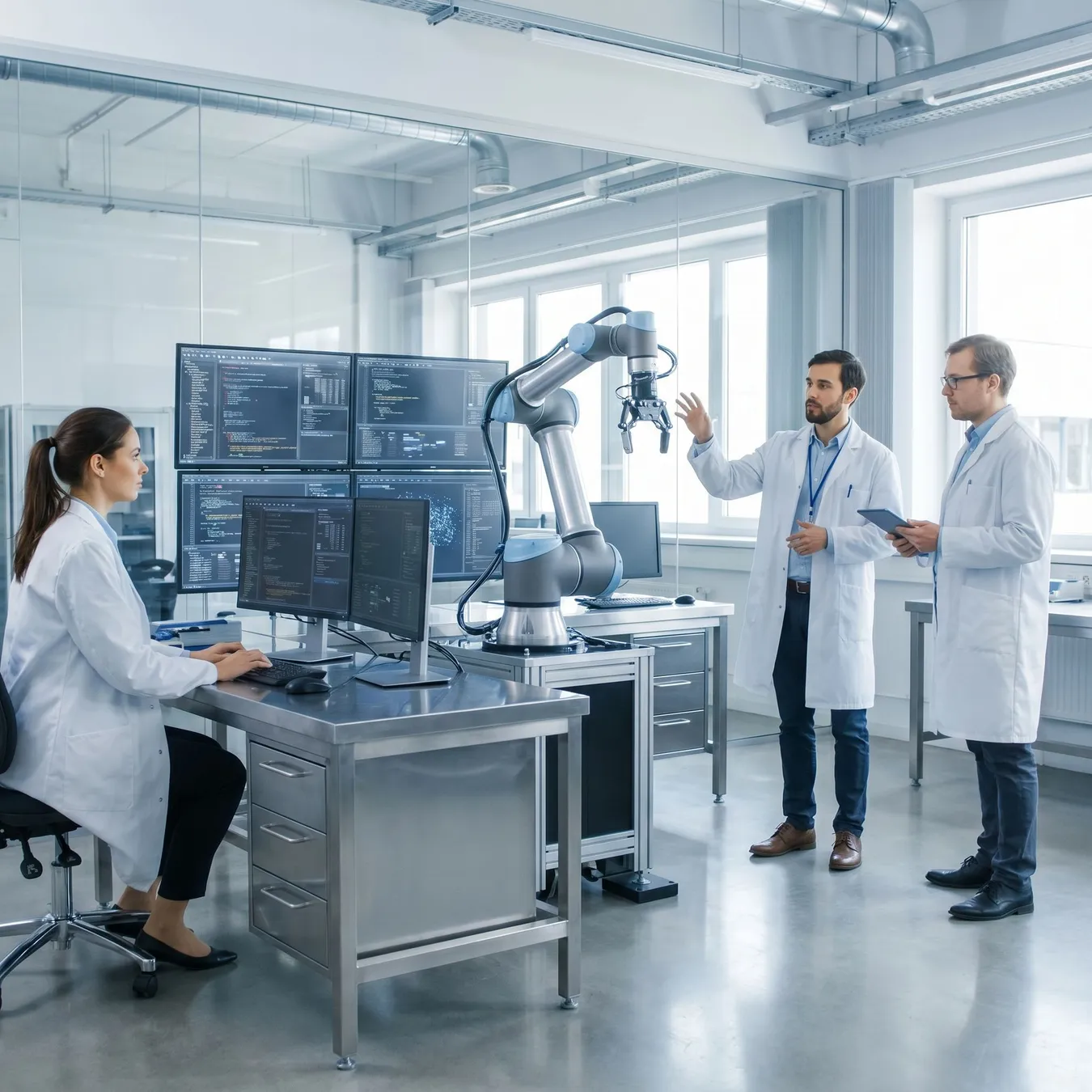
Real-world testing environments are the heart of hardware-software agility.
The Role of AI in Lifecycle Management
AI is increasingly used to predict component failure and optimize supply chains for long-lifetime products. This allows for proactive rather than reactive maintenance cycles.
Common Pitfalls in Hardware Agility
Many teams fail because they try to force 'Pure Agile' (Scrum) onto hardware teams without modification. This leads to burnout and missed physical deadlines.
Future-Proofing Your Product Stack
Future-proofing requires a commitment to software-defined functionality. If the hardware is the skeleton, the software is the nervous system that must be capable of learning new tricks over 10-15 years.
Frequently Asked Questions
Bridging to Production-Ready Systems
At Studio 402, we understand that long-lifecycle products require more than just a 'vibe-coded' prototype. They need durable software infrastructure that can withstand years of operational use and evolving security threats.
Whether you are building a new industrial IoT platform or rescuing a legacy hardware-management system, our engineering team focuses on the architectural depth required for long-term success.
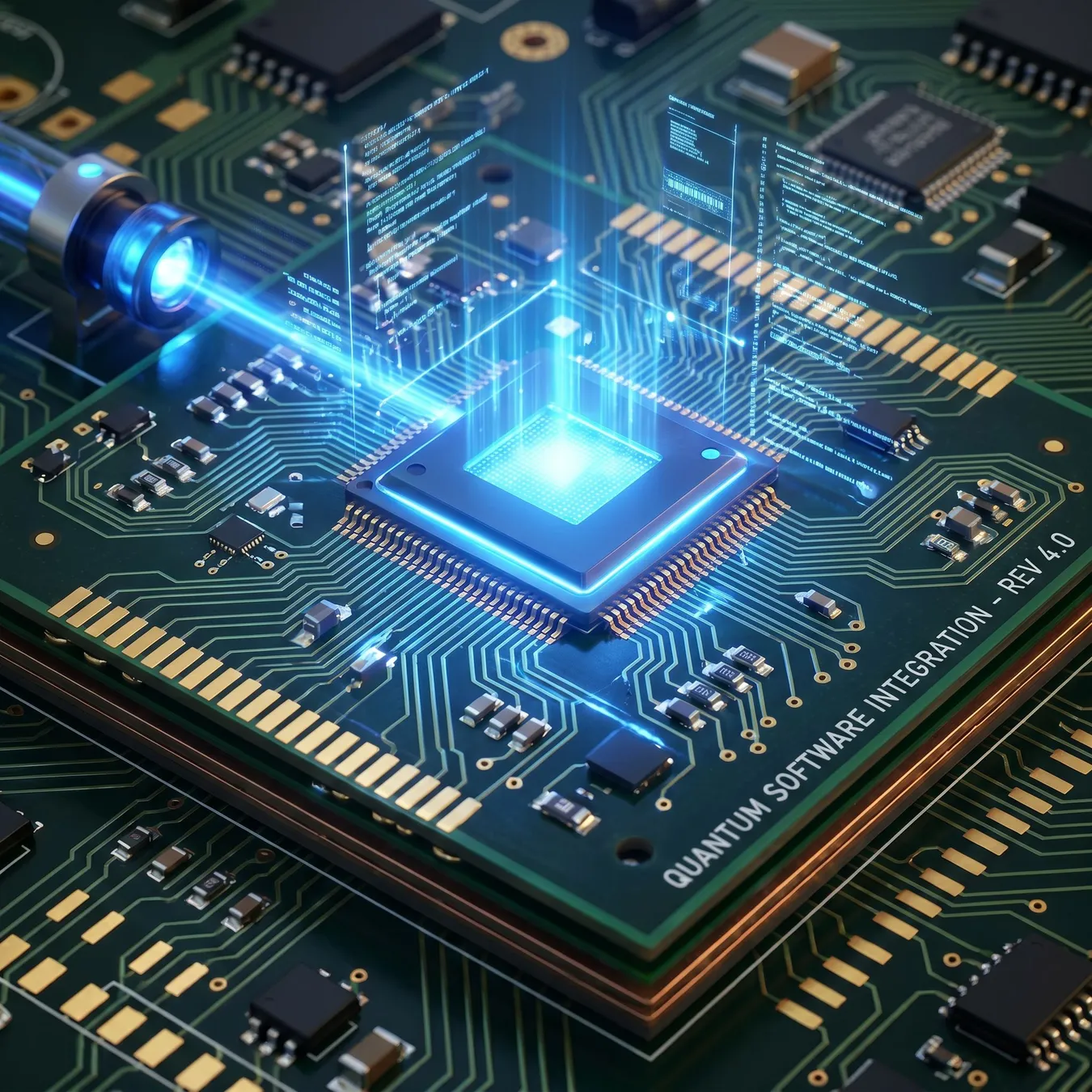
Engineering software that respects the durability of your hardware.
Our Approach to Hardware-Software Systems
Comprehensive code audits for embedded systems
Scalable cloud infrastructure for device fleets
Custom internal tools for lifecycle tracking
Secure OTA update pipeline implementation
Why Studio 402 for Long-Lifecycle Products
We don't just ship features; we build foundations. For products with a 10-year lifespan, the engineering decisions made in month one determine the profitability of year ten.
Build Your Durable Product Foundation
Ready to synchronize your hardware and software lifecycles with production-grade engineering? Let's discuss your roadmap.
Explore More in Lifecycle Management
Trusted by growth-stage hardware teams and industrial operators.
Updated July 2026
Related Resources
Keep reading
More in Hardware-Software Integrated Systems
- Hardware-Software
- Agile
- Lifecycle Management
- Industrial Tech
For more information on our specific capabilities in this sector, visit our hub for hardware product lifecycle management.
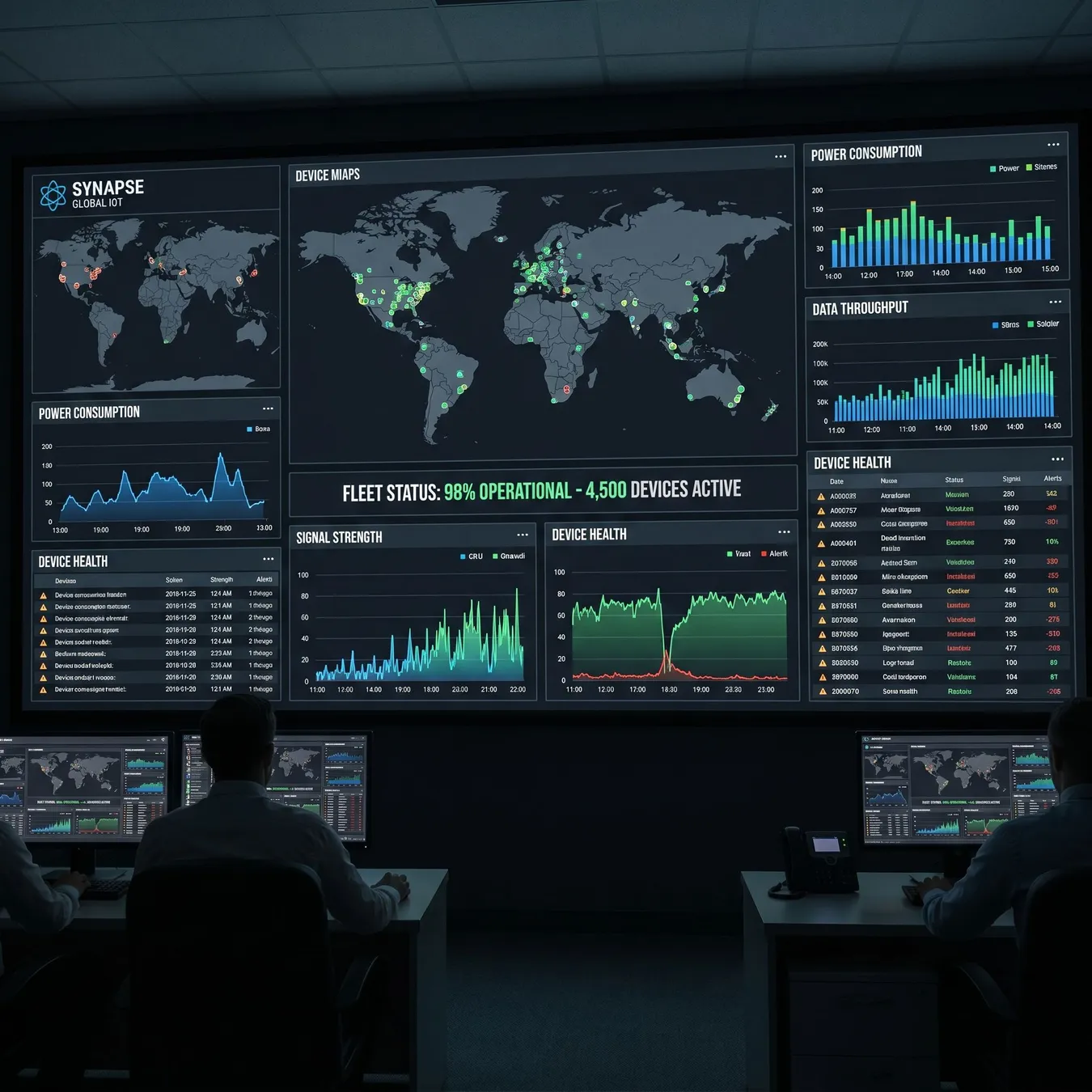
Operational visibility across the product lifecycle.
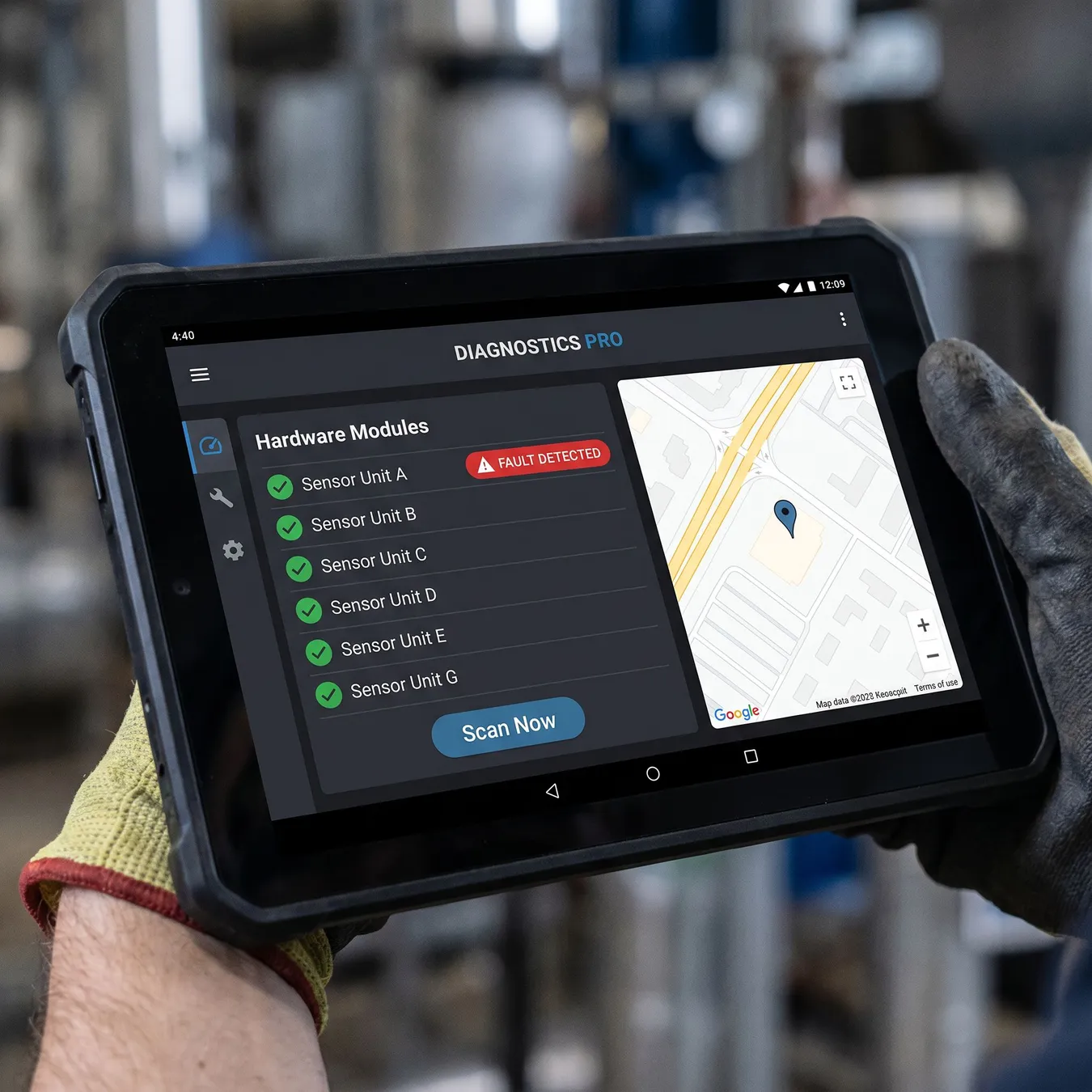
Empowering field teams with custom software.
Conclusion
Agile methodologies for long-lifecycle hardware products are not just a trend; they are a necessity for survival in a software-defined world. By integrating your teams and tools, you ensure durability and innovation coexist.