
Reducing Product Lifecycle Costs Through Software Efficiency
Managing the total cost of ownership for hardware products requires more than just manufacturing optimization. By focusing on reducing product lifecycle costs through intelligent software integration, companies can drastically lower the expenses associated with long-term maintenance and support.
40-60%
Lifecycle costs tied to post-launch support
30%
Reduction in maintenance via remote diagnostics
10+ Years
Average support window for industrial hardware
The Role of Software in Hardware Lifecycle Management
Modern hardware is essentially a physical shell for digital logic. Implementing robust software product life cycle management ensures that the digital layer remains performant without requiring expensive physical interventions.
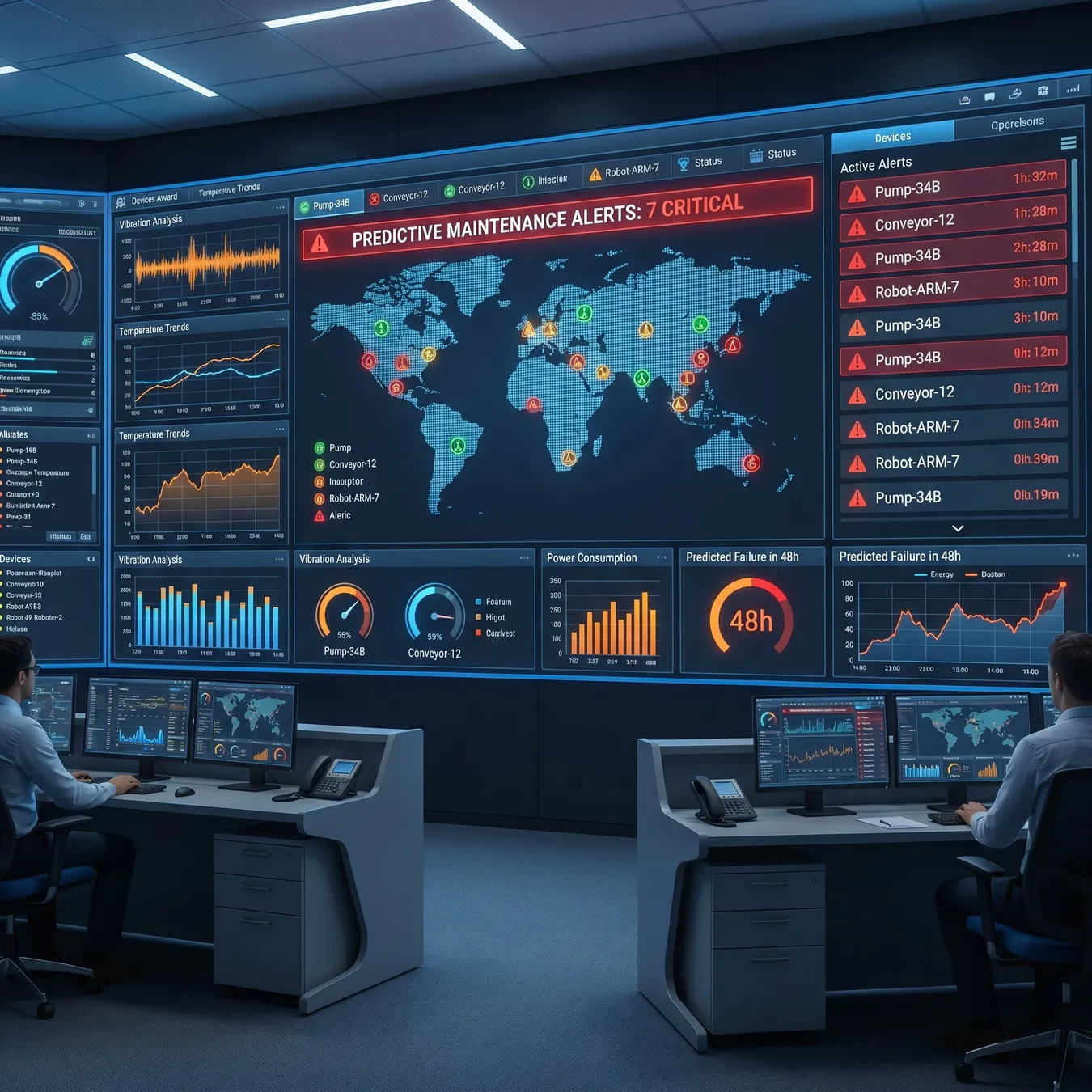
Centralized software dashboards provide the visibility needed to catch hardware failures before they become costly.
Core Strategies for Cost Reduction
To achieve significant savings, teams must look at the product lifecycle management process as a continuous loop of data and updates rather than a linear path from factory to customer.
- Over-the-Air (OTA) updates to fix bugs without recalls
- Remote diagnostic tools to reduce on-site technician visits
- Predictive maintenance algorithms to prevent catastrophic failure
- Digital twins for simulating stress and wear patterns
- Automated compliance reporting and audit trails
Measuring Efficiency in Integrated Systems
Efficiency isn't just a feeling; it must be measured. Utilizing software development efficiency metrics allows hardware teams to see how quickly they can deploy fixes and how those fixes impact the bottom line.
| Metric | Impact on Hardware | Cost Saving Potential |
|---|---|---|
| Deployment Frequency | Faster security patching | High (Prevents liability) |
| Mean Time to Recovery | Less downtime for users | Medium (Improves LTV) |
| Change Failure Rate | Stabilizes firmware | Very High (Reduces RMAs) |
Optimizing Operations and Maintenance
The bulk of a product's cost occurs after the sale. Custom operations and maintenance software can automate the tracking of component health and service schedules.
Tip.
// Proactive Maintenance
The Lifecycle Cost Breakdown
Understanding where the money goes helps in prioritizing software features that offer the highest ROI.
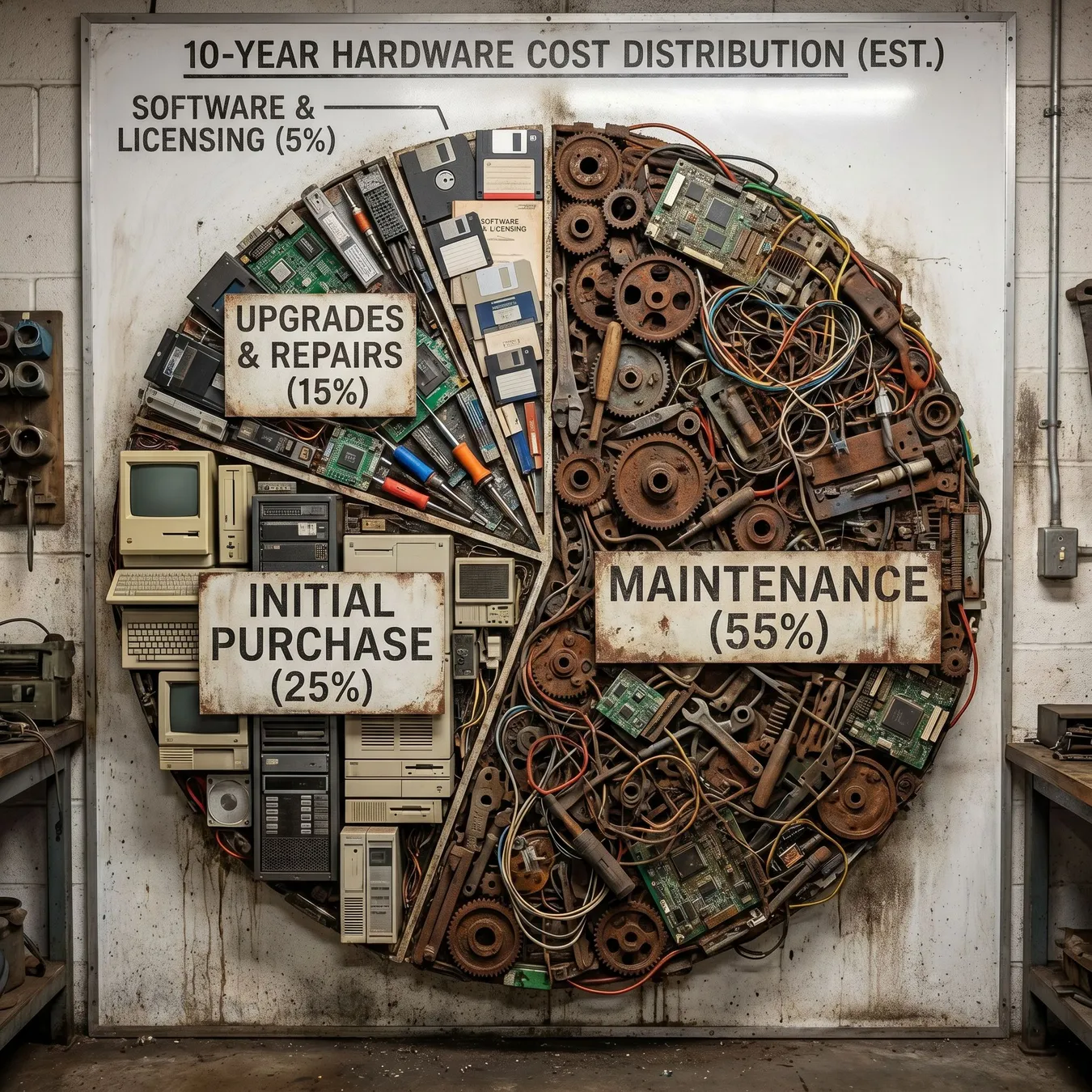
Typical cost distribution for long-lifecycle hardware.
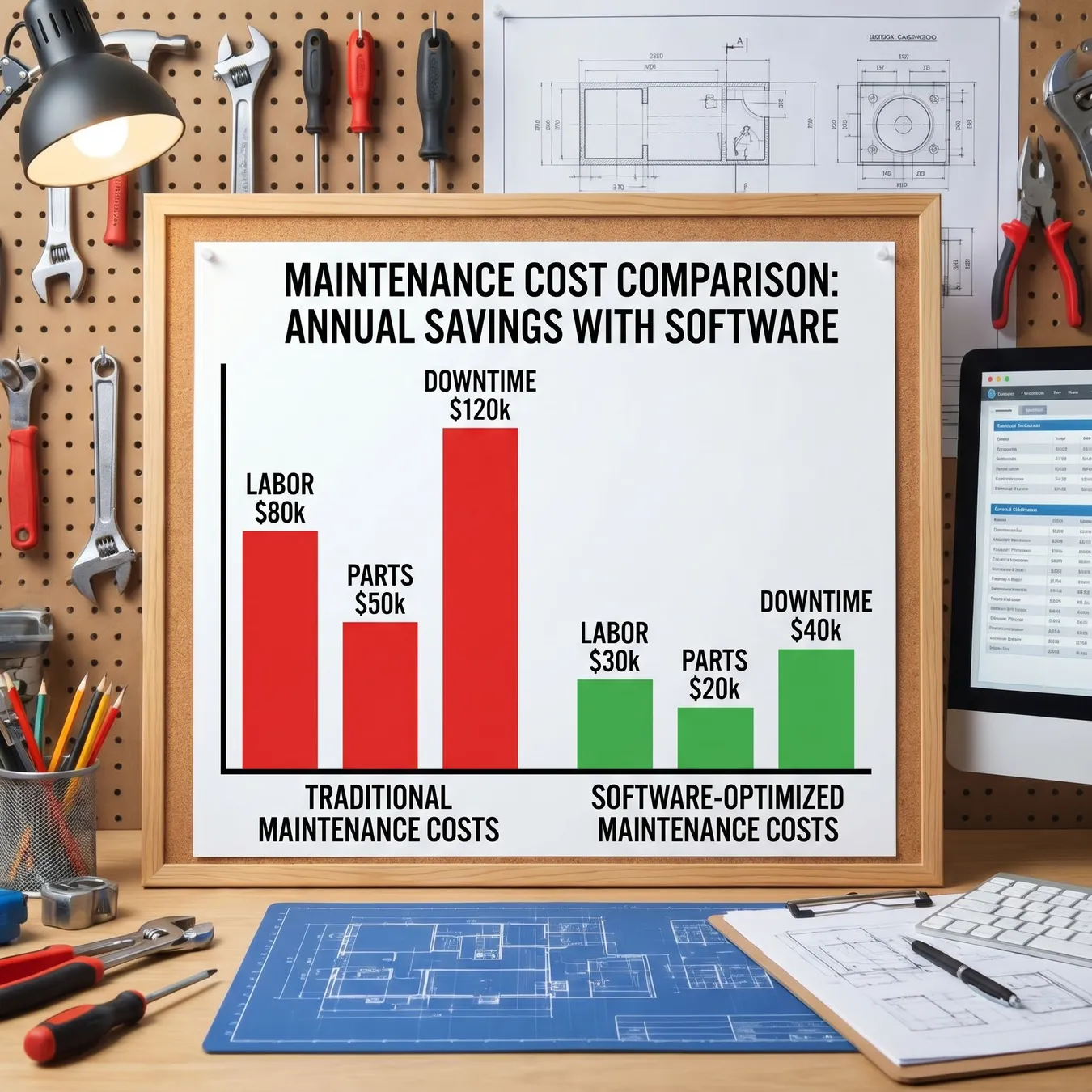
Projected savings with integrated software systems.
Implementing Software-Driven Cost Reductions
- 01
Audit current hardware support workflows for manual bottlenecks.
- 02
Identify high-frequency failure points that can be monitored digitally.
- 03
Develop a secure OTA pipeline for firmware and application updates.
- 04
Integrate field data into a centralized management portal.
- 05
Iterate on software based on real-world performance telemetry.
Common Pitfalls in Integrated Lifecycle Management
Design for modular software updates from day one.
Prioritize security in remote diagnostic connections.
Use telemetry to inform future hardware design iterations.
Hardcode dependencies that prevent future software flexibility.
Ignore legacy hardware when rolling out new management tools.
Wait for a hardware failure to test your recovery software.
The Impact of AI on Lifecycle Efficiency
AI is no longer just a buzzword in lifecycle management. Machine learning models can now predict component failure with high accuracy, allowing for 'just-in-time' maintenance that saves millions in logistics.
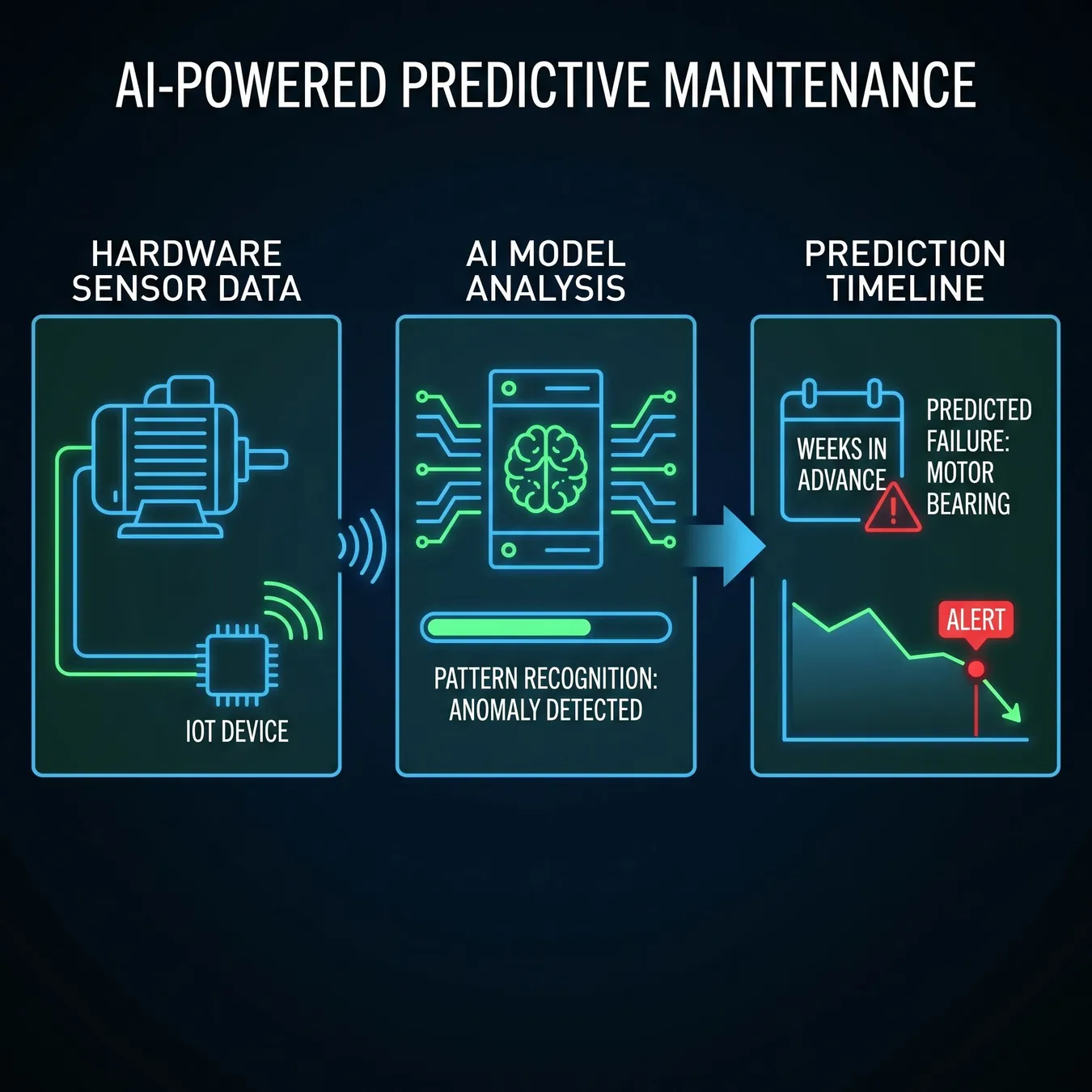
AI-driven predictive maintenance in action.
Case Study: Industrial Fleet Optimization
By integrating a custom software layer into our hardware fleet, we reduced our annual field service budget by 22% while increasing uptime for our clients.
Marcus Chen · Director of Operations
Future-Proofing Your Hardware with Software
As hardware cycles slow down due to supply chain complexity, the ability to extend the utility of existing physical assets through software becomes a competitive advantage.
Frequently Asked Questions
Bridging the Gap with Studio 402
At Studio 402, we specialize in building the production-ready software systems that hardware teams need to scale. Whether you are launching a new product or rescuing a legacy system, we ensure your software infrastructure is a cost-saver, not a debt-generator.
Our approach combines deep engineering expertise with a focus on operational durability. We don't just build apps; we build the systems that keep your hardware running efficiently for years to come.
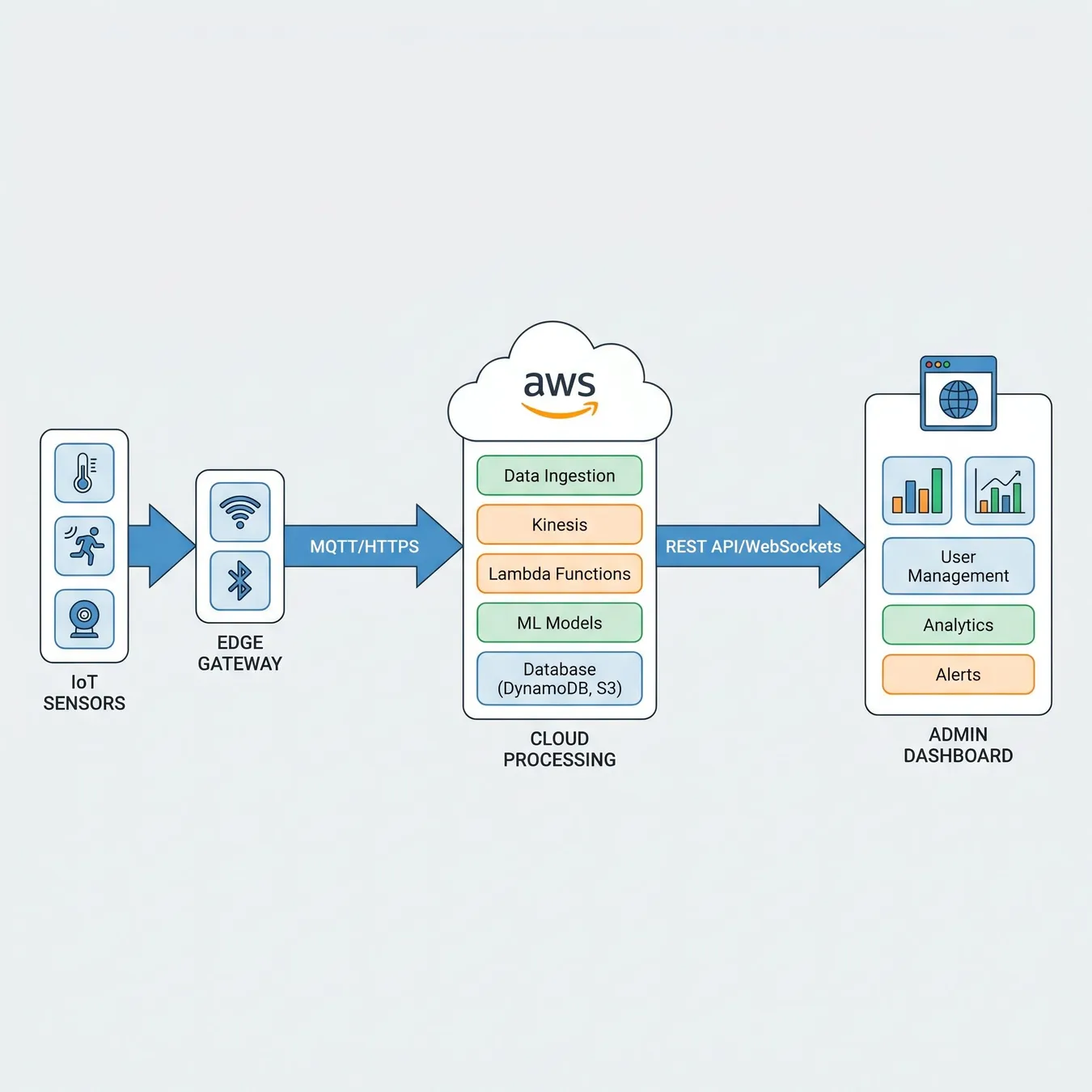
Studio 402 designs architectures built for long-term reliability and scale.
Our Lifecycle Engineering Process
01 / 04
phase 01 / 04
Discovery & Audit
phase 02 / 04
System Architecture
phase 03 / 04
Custom Build
phase 04 / 04
Deployment & Scale
Ready to Optimize Your Product Lifecycle?
Reducing lifecycle costs is a strategic necessity in today's market. Let's build the software that makes your hardware smarter and more profitable.
Start a Conversation with Studio 402
Ready to build durable software systems that reduce your total cost of ownership? Let's discuss your project.
Explore More Resources
Checklist for Lifecycle Efficiency
Automated firmware update pipeline
Real-time hardware health telemetry
Customer-facing diagnostic portal
Predictive failure alerts
Centralized asset management database
Why Efficiency Matters Now
In a high-interest environment, capital expenditure is scrutinized. Software efficiency allows you to sweat your assets longer while maintaining high service levels.
Trusted by growth-stage hardware teams to manage over 500,000 connected devices.
Studio 402 Engineering Excellence 2026
Final Thoughts on Cost Reduction
The most successful hardware companies of the next decade will be those that treat their software as their primary tool for operational leverage.
- Lifecycle Management
- Cost Reduction
- Hardware-Software
- Operational Efficiency
Keep reading
More in Hardware-Software Integrated Systems
Technical Consulting for Hardware Teams
If you are unsure where to start, our advisory services can help you map out a multi-year software roadmap that aligns with your hardware release cycles.
Legacy System Modernization
Don't let old software hold back your physical products. We specialize in refactoring and hardening legacy codebases to meet modern efficiency standards.