
Extending Hardware Longevity via Software Management
The importance of extending the product lifecycle has never been more critical as businesses face rising hardware costs and sustainability pressures. By shifting the focus to software-driven maintenance, companies can increase product lifecycle duration without requiring physical component replacements.
35%
Average increase in hardware lifespan via OTA updates
50%
Reduction in total cost of ownership over 5 years
24/7
Continuous firmware monitoring and optimization
The Role of Software in Increasing Product Lifecycles
To effectively extend product lifecycle outcomes, engineers must treat firmware as a living asset. This involves understanding the various stages in hardware product lifecycle and identifying where software can mitigate physical wear.
- Over-the-air (OTA) security patching
- Performance tuning for aging processors
- Battery health management algorithms
- Remote diagnostic and self-healing protocols
Strategies to Extend Product Lifecycle Durability
Continually improving product lifecycles requires a robust software product life cycle management strategy that accounts for hardware constraints. By optimizing how code interacts with silicon, we can delay obsolescence.
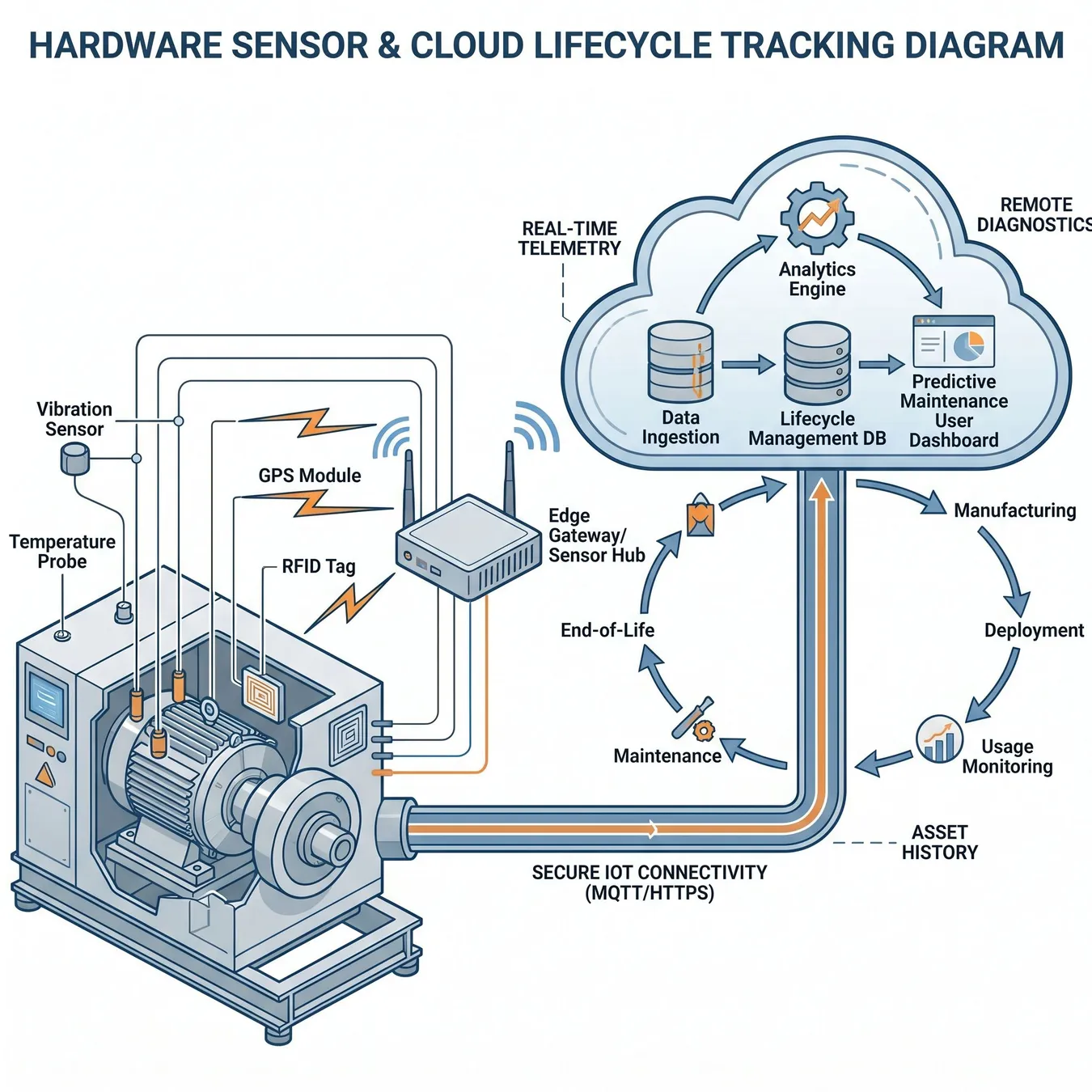
Integrated software layers allow for real-time hardware health monitoring.
Software vs. Hardware: A Longevity Comparison
Trade-off
3 pros · 3 cons
Pros
Infinite iteration via cloud updates
Zero marginal cost for distribution
Adaptable to new security threats
Cons
Physical wear and tear of components
Fixed memory and storage limits
High cost of physical recalls
Implementing OTA Updates for Lifecycle Extension
OTA updates are the primary mechanism for increasing product lifecycles. They allow manufacturers to deploy new features and efficiency improvements long after the product has left the factory floor.
- 01
Establish a secure, encrypted update pipeline.
- 02
Implement A/B partitioning to prevent bricking during updates.
- 03
Monitor fleet telemetry to identify performance bottlenecks.
- 04
Deploy incremental patches to minimize bandwidth usage.
The Importance of Firmware Maintenance
Firmware is the bridge between physical reality and digital logic. Maintaining this layer is essential for extend product lifecycle goals, ensuring that hardware remains compatible with modern cloud standards.
Info.
// Longevity Fact
Modern Tools for Managing Product Lifecycle
Advanced tools for managing product lifecycle now incorporate machine learning to predict when a hardware component might fail, allowing for preemptive software adjustments.
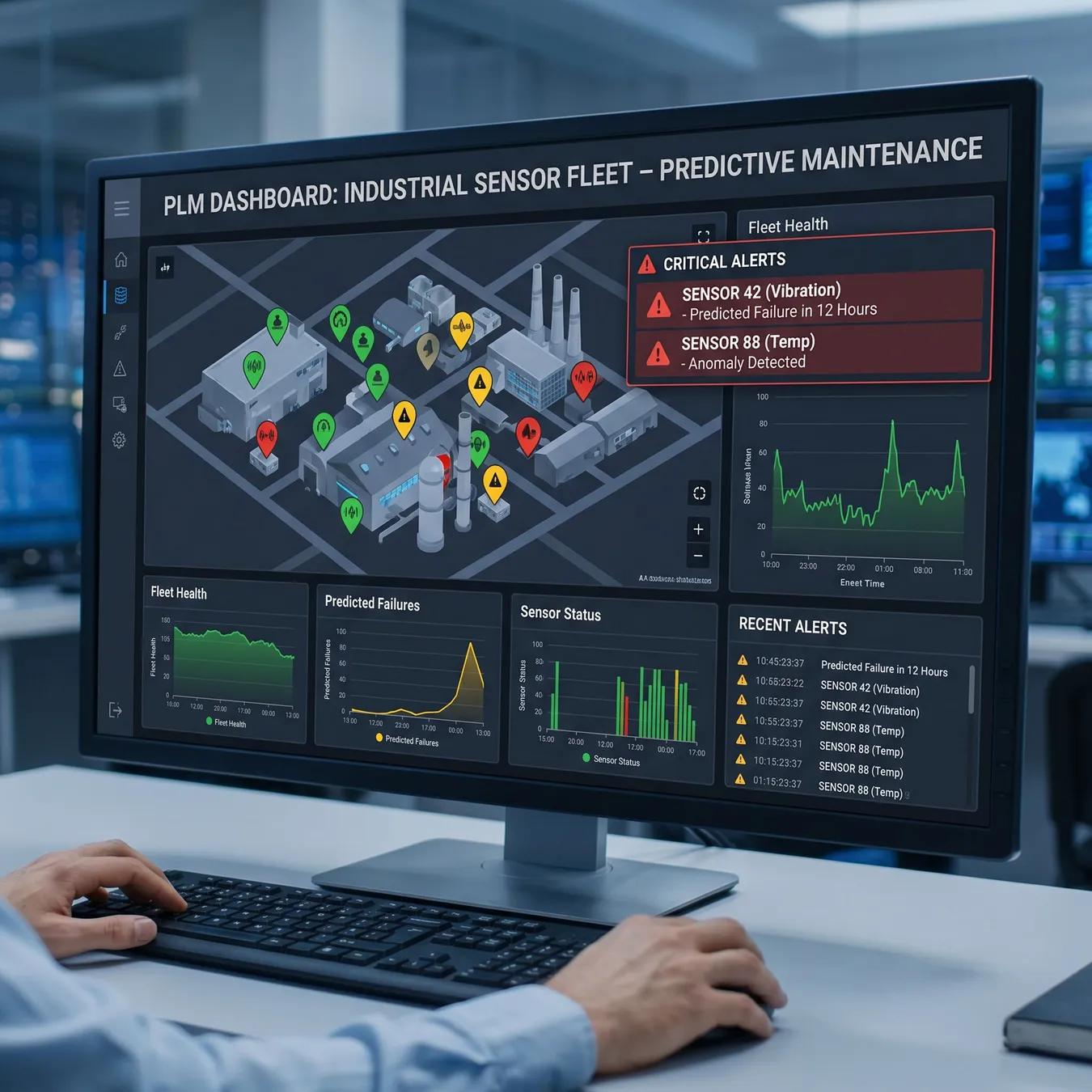
Predictive analytics can extend the operational life of industrial hardware.
Optimizing the Product Lifecycle Management Process
A formalized product lifecycle management process ensures that every software release is tested against the specific hardware revisions currently in the field.
Version Control for Hardware Revisions
Managing software across multiple hardware generations requires strict versioning. This prevents older units from being overwhelmed by software designed for newer, more powerful processors.
Reducing Environmental Impact Through Software
Extending the life of a product is the most effective way to reduce e-waste. Software that keeps hardware functional for two extra years can reduce the carbon footprint of that device by up to 30%.
The greenest hardware is the hardware you already own, kept alive by intelligent software.
Sustainability Lead · Industrial Systems Group
Common Pitfalls in Lifecycle Management
Prioritize security patches over new features for old hardware.
Use lightweight communication protocols like MQTT.
Maintain a legacy hardware lab for regression testing.
Force updates that exceed the device's RAM capacity.
Neglect documentation for older firmware versions.
Ignore telemetry data from the oldest 10% of your fleet.
The Economics of Longevity
While developing durable software requires upfront investment, the long-term savings in support and replacement costs are substantial. Companies that increase product lifecycle duration often see higher customer loyalty.
| Strategy | Cost | Longevity Impact |
|---|---|---|
| Basic Patching | Low | +1 Year |
| Full OTA Suite | Medium | +3 Years |
| AI Predictive Maint. | High | +5 Years |
Future-Proofing Your Software Stack
To ensure your software can support hardware for a decade, use modular architectures. Decoupling the hardware abstraction layer from the application logic allows for easier updates as standards evolve.
Hardware Abstraction Layers (HAL)
A well-designed HAL allows you to swap out underlying drivers or even entire operating systems without rewriting the core business logic that provides value to the user.
Case Study: Industrial Sensor Longevity
By implementing a custom firmware management system, one manufacturer was able to extend the field life of their sensors from 4 years to 9 years, saving millions in deployment costs.
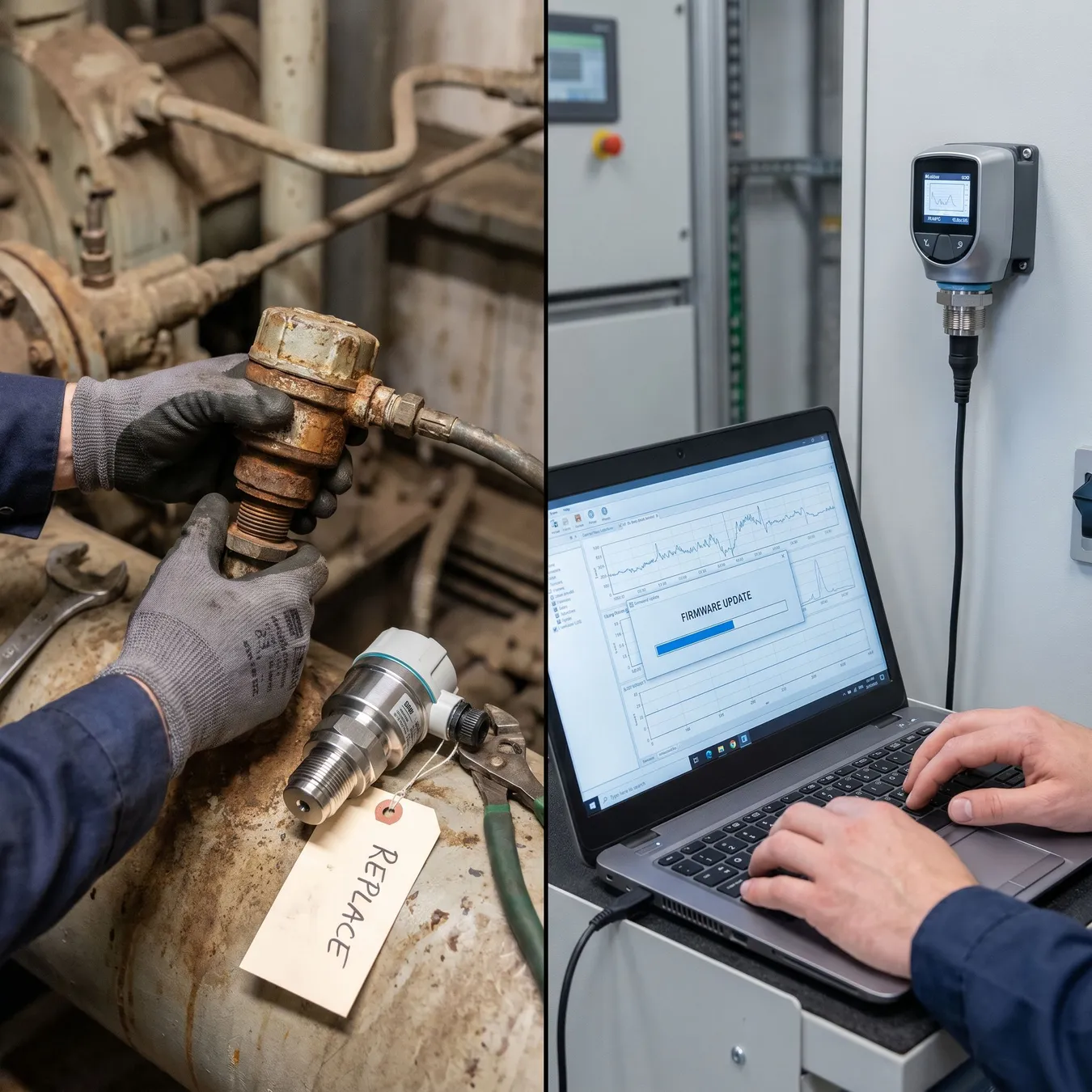
Software updates are significantly cheaper than physical hardware replacement.
Checklist for Lifecycle Software Readiness
Secure boot and signed firmware updates
Remote rollback capability for failed updates
Automated battery and power consumption monitoring
Cloud-based fleet management dashboard
Bridging to Durable Engineering
At Studio 402, we specialize in building the software infrastructure that makes hardware last. Whether you are launching a new product or need to rescue a legacy system, our engineering team ensures your software is as durable as your hardware.
We move beyond prototypes to build production-ready systems that handle the complexities of hardware-software synchronization, ensuring your product stays in the hands of users longer.
Frequently Asked Questions
Build a Durable Software Foundation
Ready to extend your product's lifecycle with production-grade software? Let's discuss your hardware-software integration needs.
Explore More Resources
Our Process for Lifecycle Engineering
01 / 03
phase 01 / 03
Audit
phase 02 / 03
Architecture
phase 03 / 03
Deployment
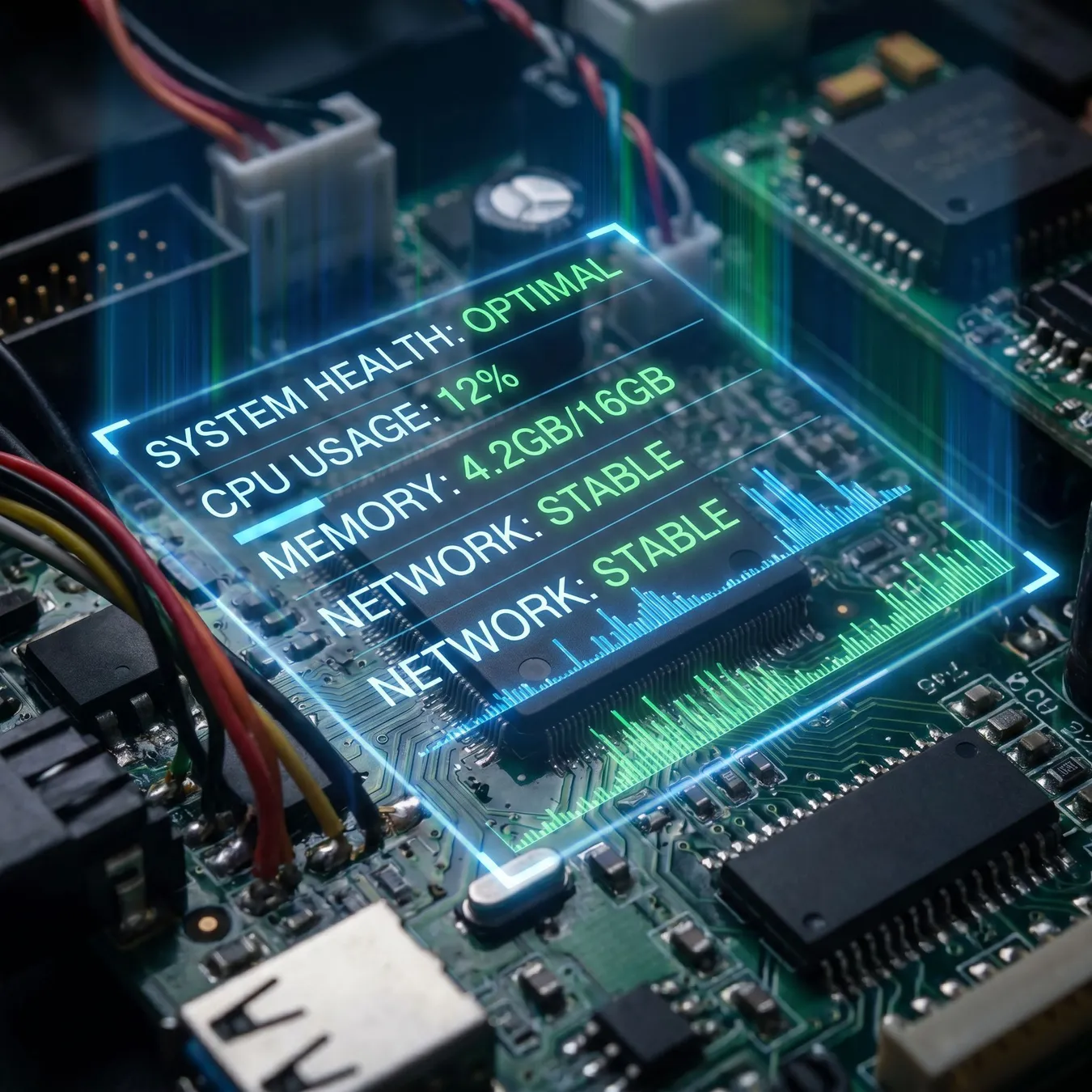
Hardware health starts with software visibility.
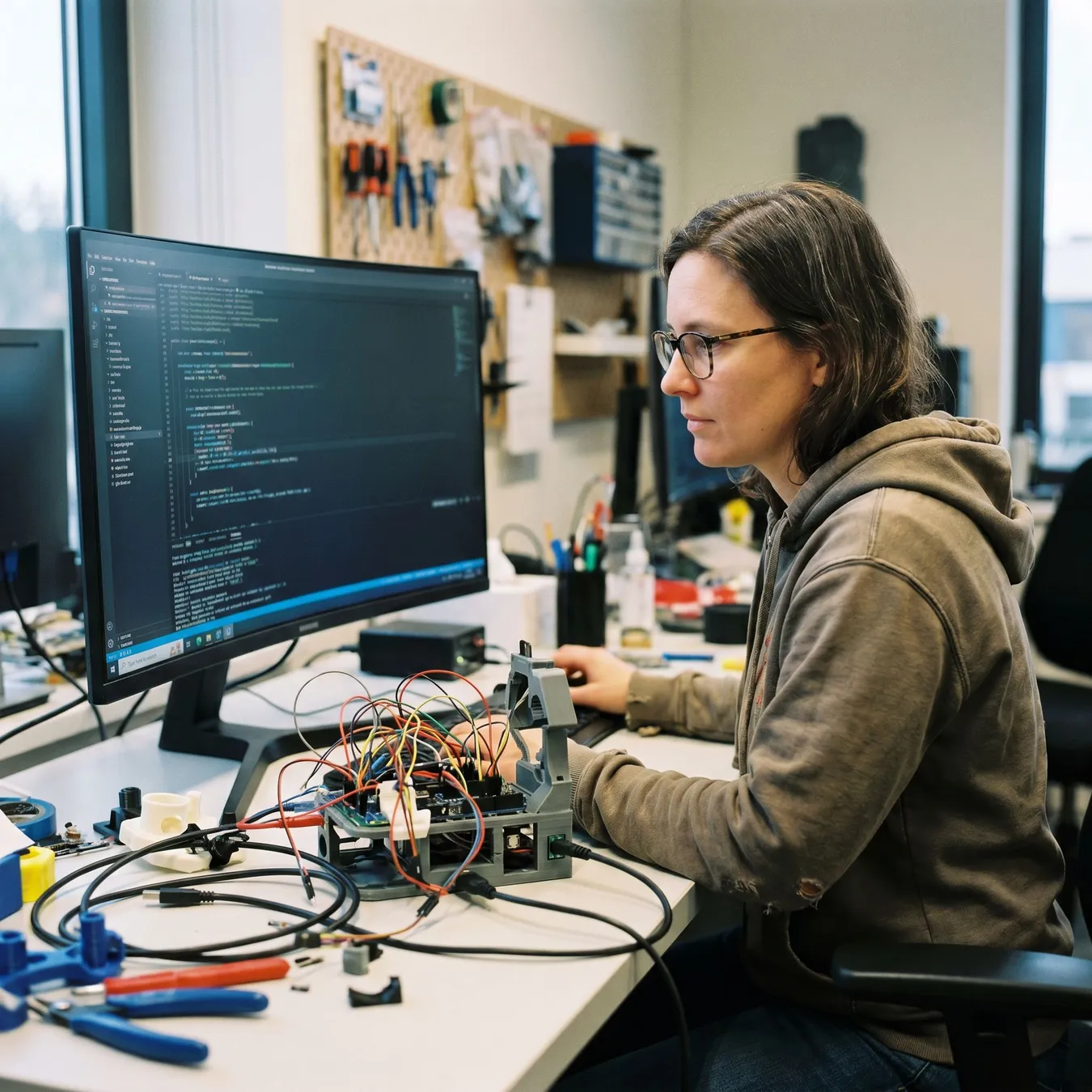
Expert engineering for complex integrated systems.
The Future of Integrated Systems
As we look toward 2026 and beyond, the distinction between hardware and software companies will continue to blur. Success will belong to those who can master the operational lifecycle of their products through code.
Trusted by growth-stage hardware teams to manage over 1M+ active devices.
Studio 402 Production Standards
Keep reading