
Managing Component Obsolescence in Long-Lifecycle Hardware
For products with 10+ year lifespans, component obsolescence is not an if, but a when. Effective management requires a shift from reactive patching to proactive, software-driven tracking of supply chain risks and EOL transitions.
10-15 Years
Average lifecycle for industrial hardware
24 Months
Typical semiconductor lifecycle
40%
Reduction in EOL costs with proactive tracking
Understanding the stages in hardware product lifecycle is the first step in identifying where supply chain risks typically emerge. Early awareness allows for strategic buffer stock or redesign planning.
The Core Challenges of Component Obsolescence
Hardware teams often struggle with the mismatch between fast-moving silicon cycles and the decade-long durability requirements of industrial or medical equipment.
- Sudden End-of-Life (EOL) notices from critical chip vendors
- Difficulty sourcing drop-in replacements for legacy pinouts
- Rising costs of secondary market procurement
- Validation and certification hurdles for new components
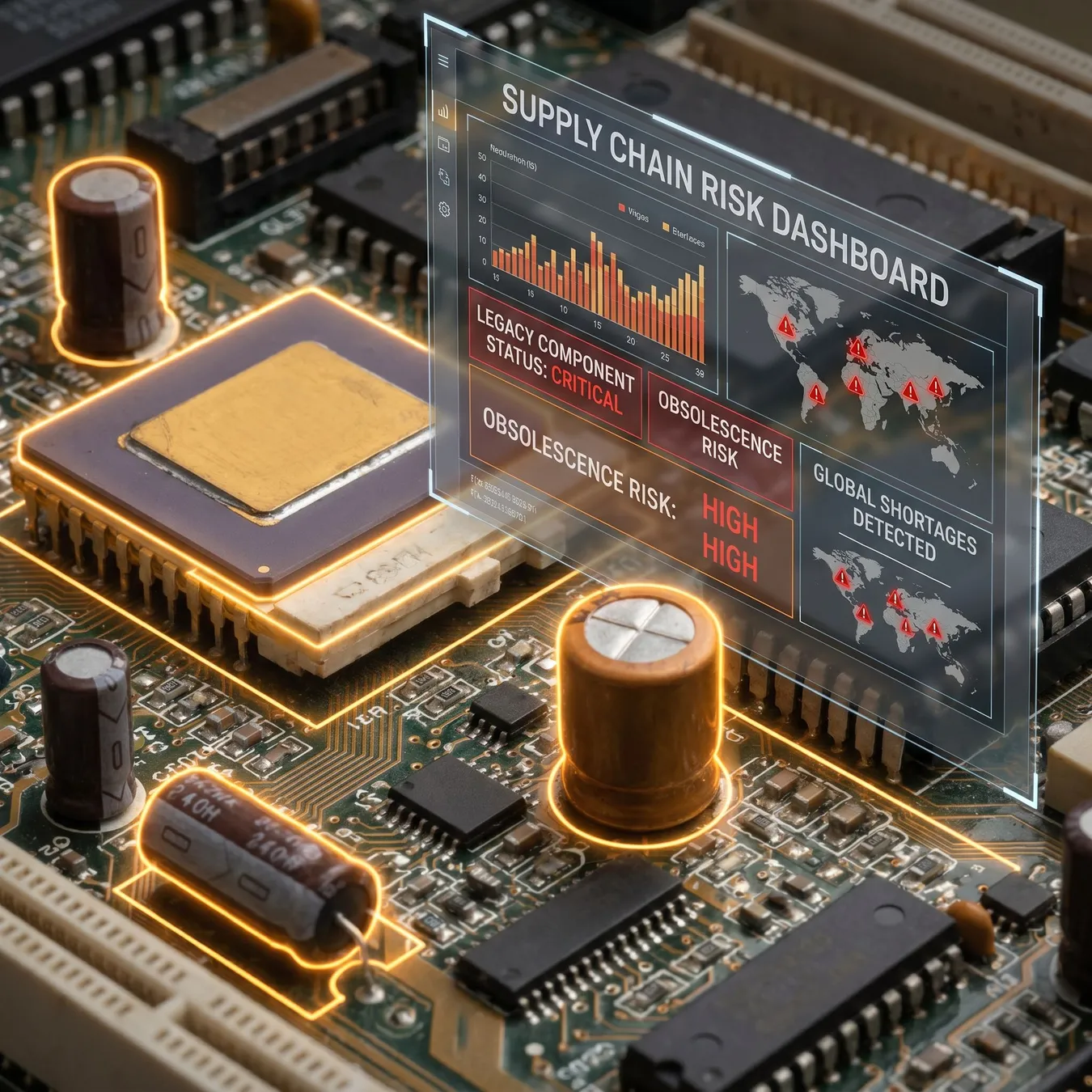
Visualizing component risk across a complex hardware assembly.
Software-Driven Strategies for Obsolescence Management
Modern companies helping with component obsolescence long lifecycle products rely on integrated software systems to automate the monitoring of vendor databases and market availability.
Tip.
// Proactive Monitoring
Implementing Automated Risk Scoring
By assigning risk scores to every component in your BOM based on age, vendor stability, and multi-sourcing availability, you can prioritize engineering efforts before a crisis occurs.
| Risk Level | Indicator | Recommended Action |
|---|---|---|
| Low | Active production, multiple vendors | Routine monitoring |
| Medium | Single source, >5 years in market | Identify alternate parts |
| High | EOL notice issued | Last time buy or redesign |
Bridging Hardware and Software Cycles
One of the most effective ways to mitigate hardware aging is to extend product lifecycle through modular software architecture that decouples hardware-specific drivers from core logic.
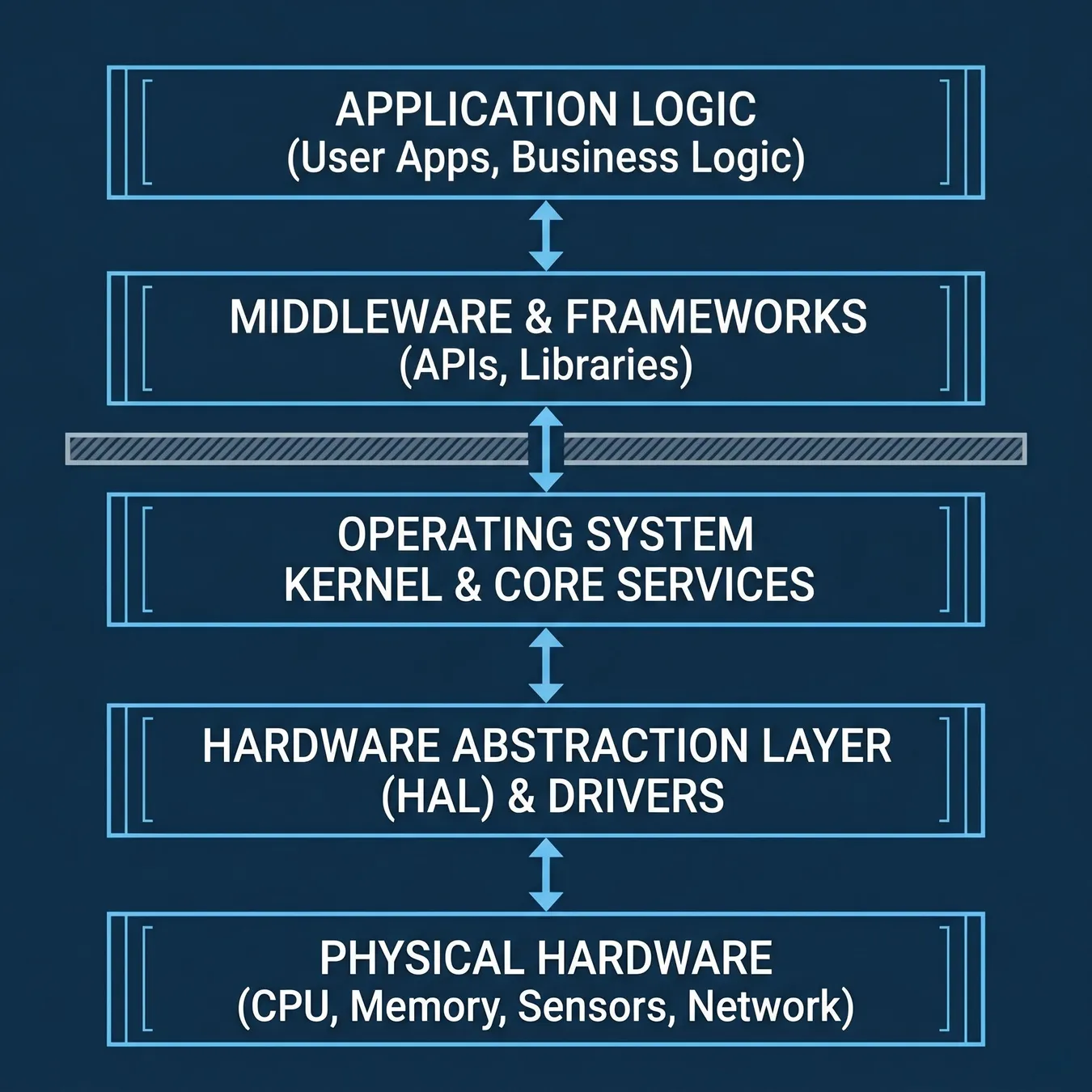
Modular software architecture for hardware abstraction.
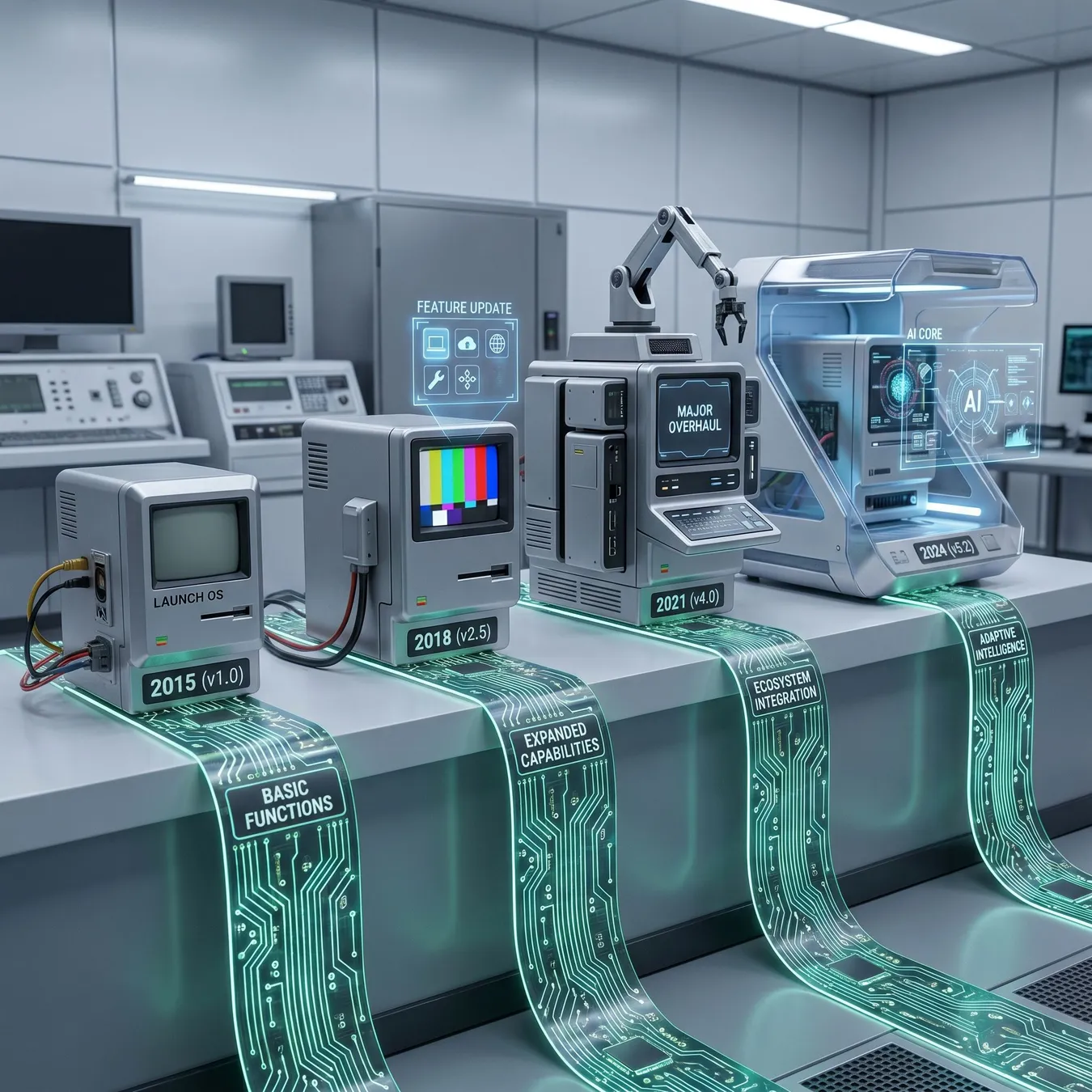
Software updates extending physical product utility.
Tools for Managing Product Lifecycle
Selecting the right tools for managing product lifecycle is essential for synchronizing the efforts of procurement, engineering, and support teams.
- PLM (Product Lifecycle Management) integrations
- ERP-linked inventory tracking
- Automated EOL notification scrapers
- Digital twin simulations for replacement testing
The Role of Agile in Hardware Obsolescence
While hardware is fixed once shipped, agile product lifecycle management allows teams to maintain a backlog of software adaptations that can support new component revisions in the factory.
Managing Last-Time Buys (LTB)
When a critical component reaches EOL, a Last-Time Buy is often necessary. Software systems help calculate the exact quantity needed based on projected support lifespans and failure rates.
Maintain a multi-vendor sourcing strategy
Use software to track component health in the field
Plan for redesigns every 3-5 years
Store buffer stock in climate-controlled environments
Rely on a single supplier for critical ICs
Ignore EOL notices until inventory is zero
Assume software drivers will work with newer revisions
Skip validation testing for 'equivalent' parts
Redesign vs. Component Substitution
Deciding between a minor substitution and a full board redesign is a financial and technical calculation that should be driven by data.
Trade-off
3 pros · 3 cons
Pros
Lower immediate engineering cost
Minimal certification impact
Faster time to implementation
Cons
Limited long-term viability
Potential for 'Frankenstein' codebases
Higher risk of secondary obsolescence
Software Hardening for Legacy Hardware
As hardware ages, the software environment often becomes the primary vulnerability. Hardening legacy systems ensures that obsolete hardware remains secure and functional.
The Importance of Virtualization
In some cases, legacy hardware can be emulated or virtualized on modern systems, allowing the original software to run long after the physical components have failed.
Supply Chain Visibility Systems
Building a custom dashboard that integrates real-time supply chain data with your engineering roadmap is the gold standard for long-lifecycle management.
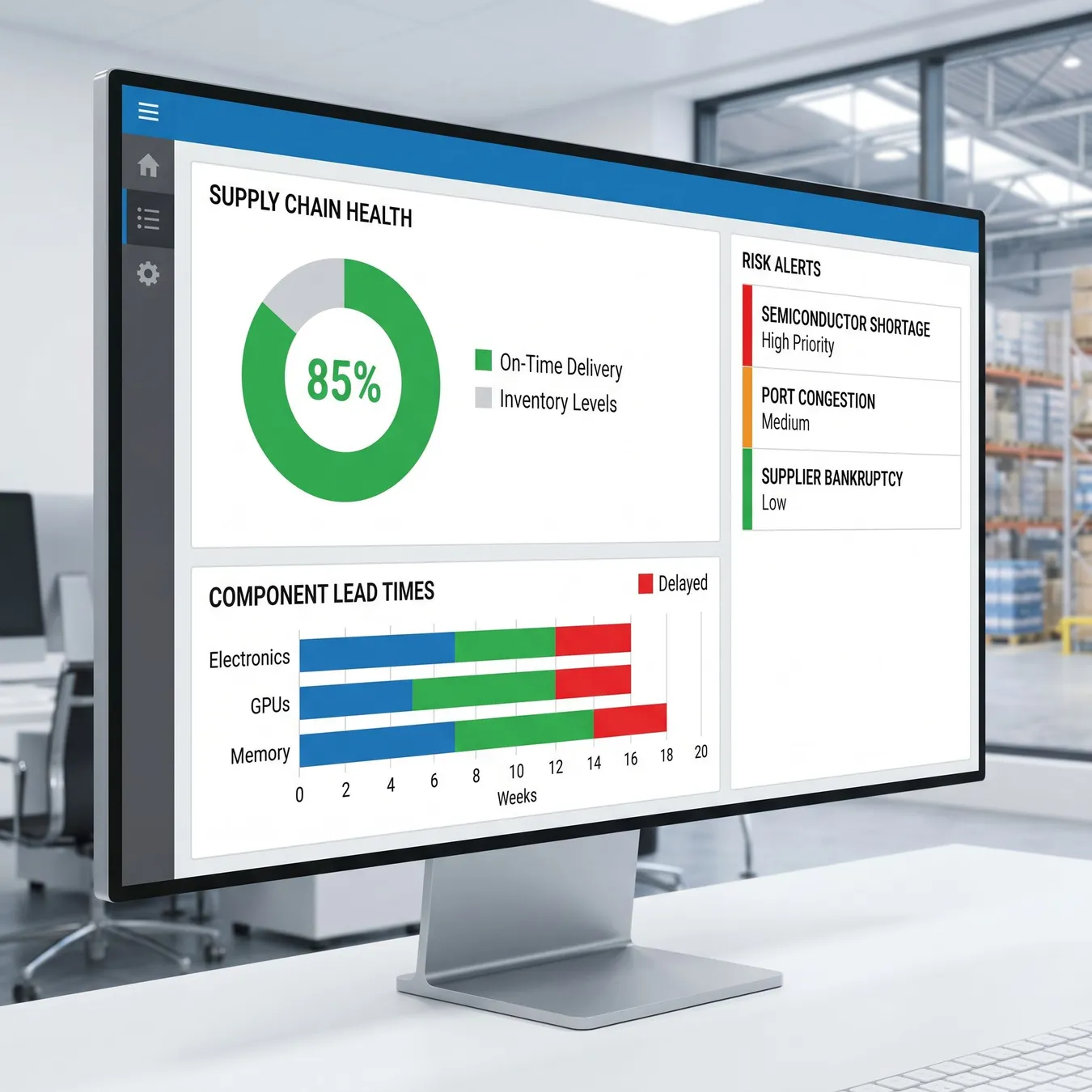
Custom supply chain visibility software.
Managing Firmware Transitions
When a component changes, firmware must often be branched. Managing these branches across a global fleet of devices requires robust deployment infrastructure.
OTA Updates for Hardware Longevity
Over-the-air (OTA) updates allow you to deploy firmware patches that compensate for component variations or hardware degradation over time.
Obsolescence Management FAQ
Building Durable Operational Systems
At Studio 402, we specialize in building the software infrastructure that keeps hardware companies moving. Whether you need a custom PLM integration or an AI-driven supply chain risk engine, we build for the long haul.
From Prototype to Production-Ready
We help hardware-software teams move beyond spreadsheets and fragile no-code tools into durable, scalable systems that manage the complexities of long-lifecycle products.
01 / 04
phase 01 / 04
Audit
phase 02 / 04
Architecture
phase 03 / 04
Build
phase 04 / 04
Scale
Why Software Infrastructure Matters
In the world of long-lifecycle hardware, your software is your most flexible asset. Don't let legacy components or broken tracking systems stall your growth.
The most expensive component is the one you can't find when your customer needs a replacement. Software-driven visibility is the only cure for supply chain blindness.
Engineering Lead · Industrial Systems
Next Steps for Your Lifecycle Strategy
Centralize your BOM data in a digital format
Set up automated alerts for vendor EOL notices
Identify critical single-source components
Evaluate software-driven hardware abstraction layers
Build Your Lifecycle Management System
Need a custom platform to track obsolescence and manage long-term hardware durability? Let's build a system that scales with your product.
Keep reading