
Agile Product Lifecycle Management for Hardware & Software
Modern engineering requires a unified approach to agile product lifecycle management plm to bridge the gap between rapid software sprints and long-lead physical manufacturing.
- Agile PLM
- Hardware Integration
- Operational Strategy
- Systems Engineering
The Challenge of Synchronizing Hardware and Software
Hardware development often follows a linear path due to tooling and manufacturing lead times, while software thrives on continuous iteration. Reconciling these speeds is the core goal of an agile product lifecycle management framework.
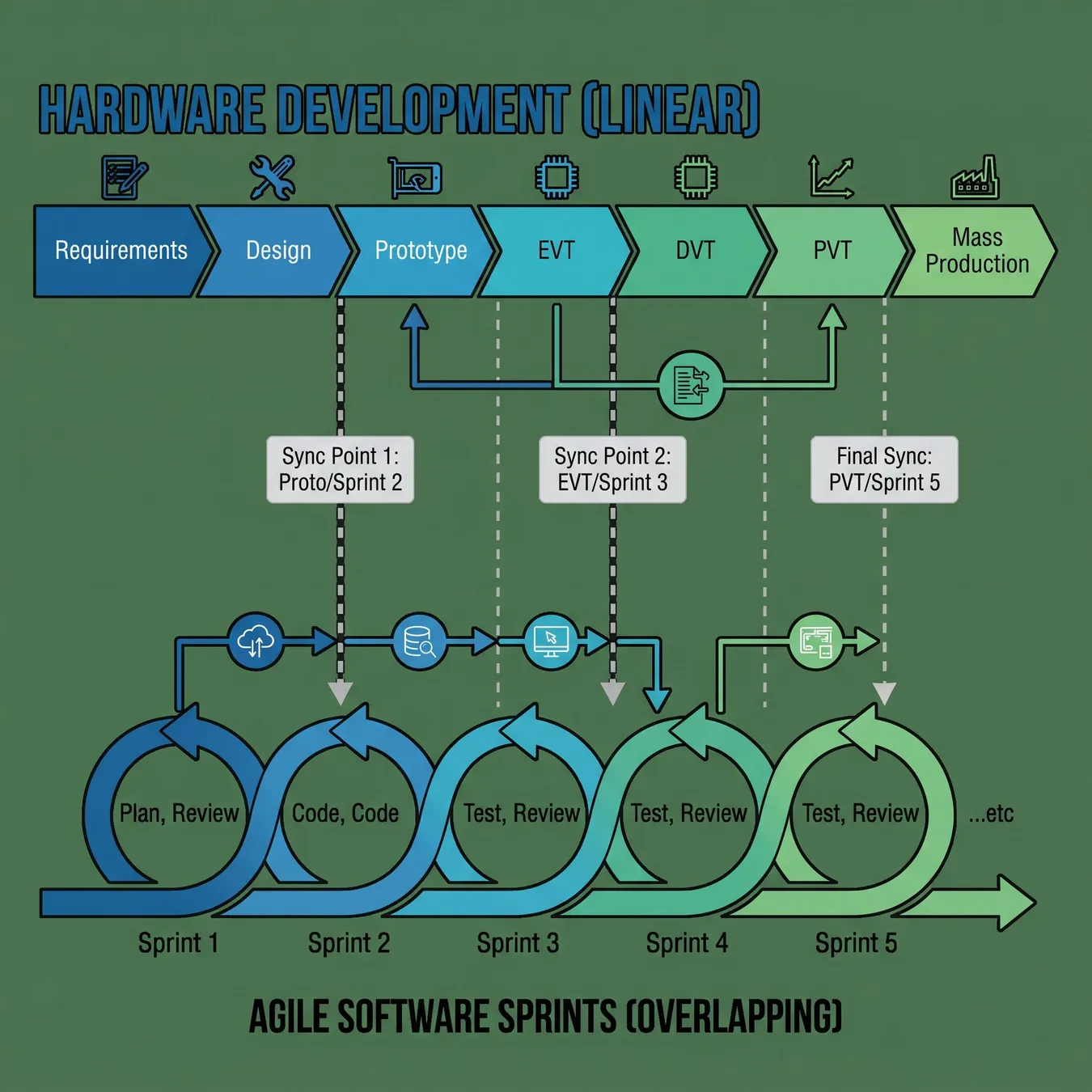
Visualizing the synchronization of software sprints with hardware milestones.
Core Principles of Agile PLM for Integrated Systems
- Modular architecture to decouple software updates from physical constraints.
- Continuous integration for firmware and embedded systems.
- Milestone-driven synchronization points rather than rigid phase gates.
- Cross-functional teams spanning electrical, mechanical, and software disciplines.
Implementing the Product Lifecycle Management Process
To scale successfully, teams must refine their product lifecycle management process to ensure that data flows seamlessly between CAD tools, PLM software, and CI/CD pipelines.
Phase 1: Discovery and Architecture
Define the interfaces between physical components and digital logic early. This allows software teams to build against simulated hardware environments while the physical product is in design.
Phase 2: Iterative Prototyping
Use 3D printing and rapid prototyping to validate physical form factors while software teams iterate on the user interface and core logic.
Comparing Traditional vs. Agile PLM
Trade-off
3 pros · 3 cons
Pros
Faster time-to-market for software features
Reduced risk of late-stage integration failures
Higher adaptability to market feedback
Cons
Higher initial coordination overhead
Requires advanced simulation tooling
Cultural shift for traditional hardware teams
The Role of Data in Lifecycle Optimization
Leveraging real-time telemetry from connected devices allows engineering teams to optimize production and identify bottlenecks before they impact the bottom line.
40%
Reduction in integration bugs
2x
Faster firmware release cycles
15%
Lower manufacturing scrap rates
Extending Product Longevity Through Software
A robust agile strategy allows you to extend product lifecycle utility by shipping over-the-air updates that add value to physical assets long after they leave the factory.
Financial Impact of Agile Implementation
By automating documentation and streamlining handoffs, companies are effectively reducing product lifecycle costs while maintaining high quality standards.
Step-by-Step Implementation Roadmap
01 / 04
phase 01 / 04
Audit Current Workflows
phase 02 / 04
Define Synchronization Points
phase 03 / 04
Deploy Integrated Tooling
phase 04 / 04
Pilot with a Single Product
Best Practices for Hardware-Software Teams
Use hardware-in-the-loop (HIL) testing early
Maintain a unified bill of materials (BOM)
Empower cross-functional decision making
Treat software as an afterthought to hardware
Wait for final hardware to start software QA
Silo data in disconnected legacy tools
Common Questions on Agile PLM
Bridging Strategy to Execution with Studio 402
Implementing agile product lifecycle management is not just a process change; it requires a technical foundation that supports synchronization. Studio 402 specializes in building the custom software and operational infrastructure that hardware teams need to ship at software speeds.
Info.
// Our Approach
Why Engineering Leaders Choose Studio 402
- Deep expertise in hardware-software synchronization.
- Custom-built PLM extensions and integration middleware.
- Production-ready systems that replace fragile spreadsheets.
- Focus on long-term maintainability and system durability.
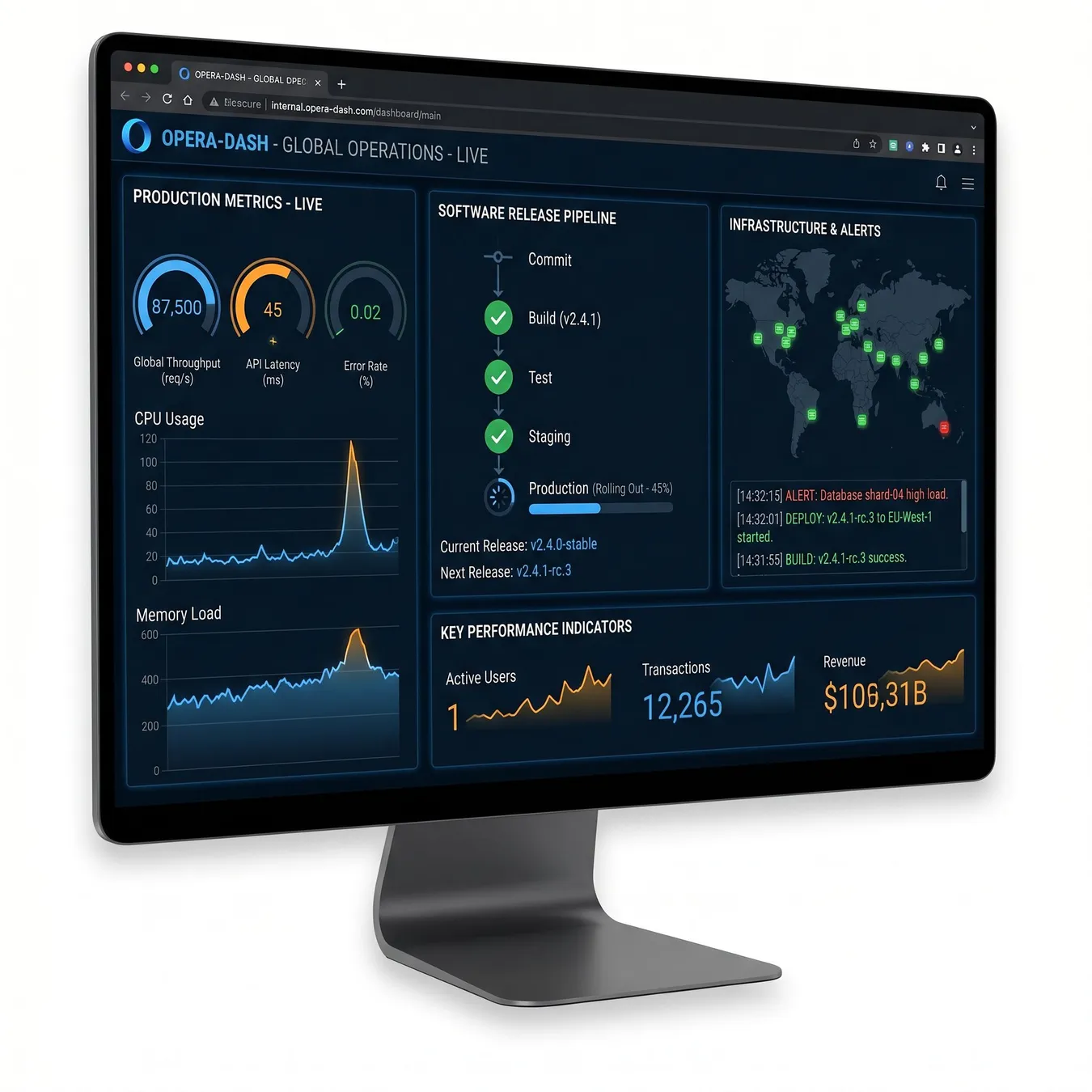
Custom dashboards for integrated lifecycle visibility.
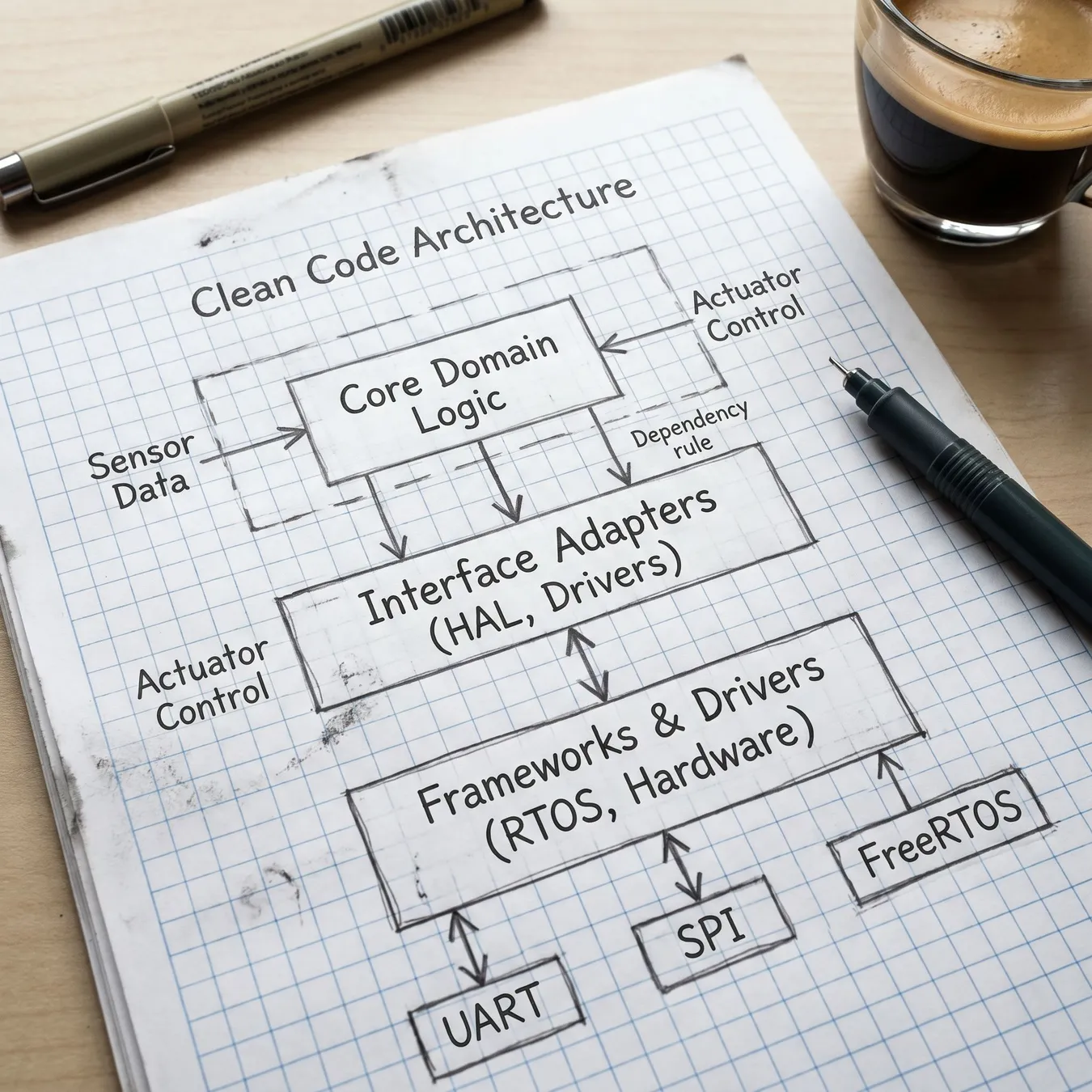
Architecting for durability and scale.
Case Study: Scaling Integrated Systems
Studio 402 helped us turn a fragmented development cycle into a unified engine. We now release firmware updates 3x faster without compromising hardware reliability.
Marcus Chen · VP of Engineering, Industrial Robotics
Ready to Modernize Your Lifecycle Management?
Whether you are building a new integrated product or rescuing a legacy system that no longer scales, we provide the senior engineering leverage needed to stabilize and grow.
Build Your Integrated System
Let's discuss how to synchronize your hardware and software workflows with production-ready infrastructure.
Explore More Resources
Keep reading
More in Hardware-Software Integrated Systems
Implementation Checklist
Map all hardware-software dependencies
Select a unified data management platform
Establish a cross-functional steering committee
Automate firmware deployment pipelines
Define KPIs for lifecycle efficiency
Final Thoughts on Agile PLM
The future of hardware is software-defined. By adopting agile product lifecycle management today, you ensure your physical products remain competitive, updateable, and efficient for years to come.
Trusted by 50+ engineering teams to build durable systems.
Updated for 2026 standards.
Technical Consulting for Scale
If your current process is held together by manual workflows and disconnected tools, it is time for a professional audit and rebuild.

Studio 402: Your partner in complex product engineering.
Contact Our Team
Reach out to studio@402.studio to schedule a discovery call and learn how we can help you implement a production-grade agile PLM system.