
Custom Fintech Ops Systems & Infrastructure
Managing high-growth financial platforms requires more than just a ledger; it demands robust fintech ops that eliminate manual bottlenecks. As transaction volumes scale, relying on spreadsheets and manual entry creates unacceptable operational drag and risk.
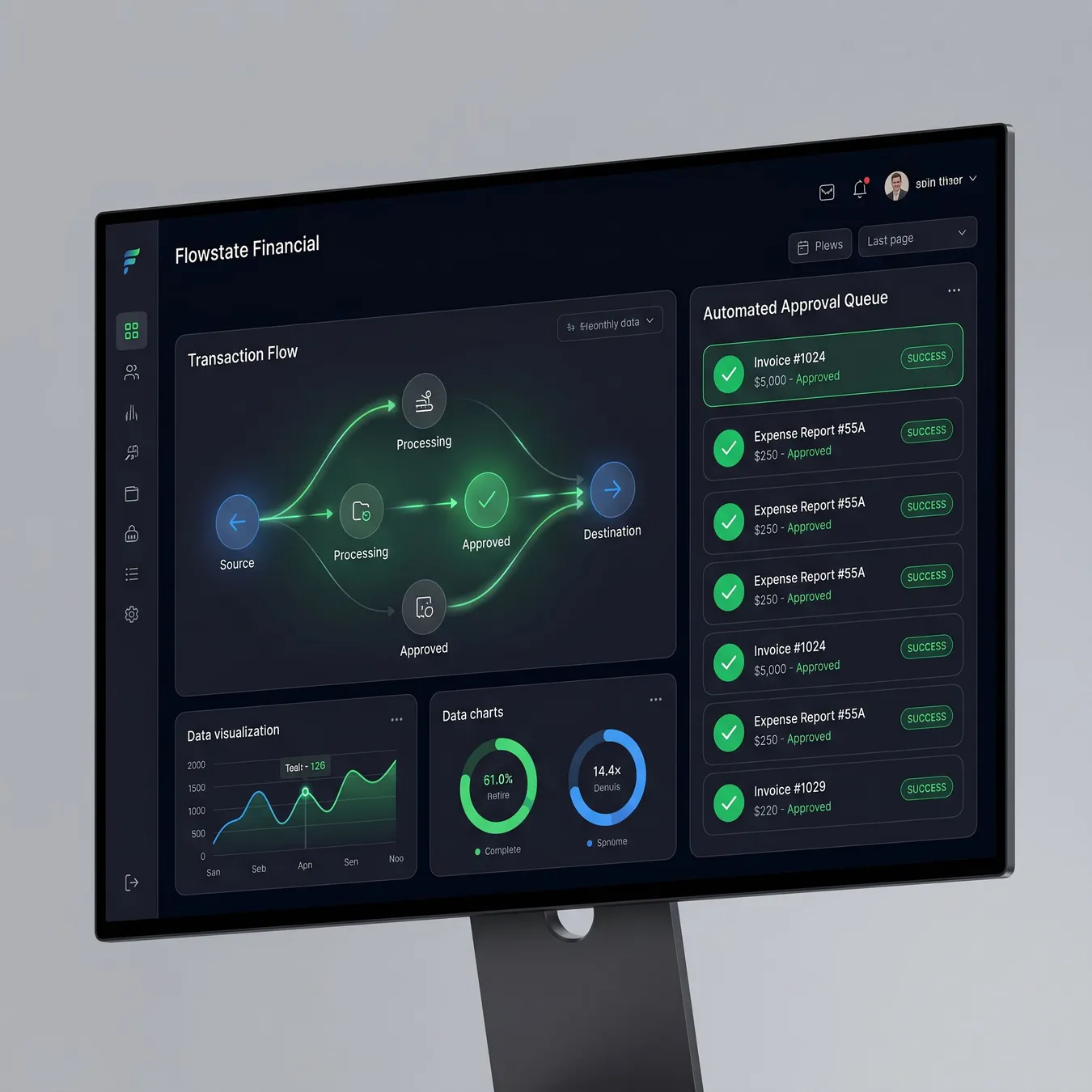
Modern fintech operations require real-time visibility into automated workflows.
The Role of Robotic Process Automation in Fintech
Implementing robotic process automation fintech strategies allows teams to offload repetitive data tasks to software agents. This isn't just about speed; it's about ensuring data integrity across complex financial ecosystems.
- Automated reconciliation across multiple bank feeds and internal ledgers.
- Real-time KYC/AML data verification and flagging.
- High-volume invoice processing and metadata extraction.
- Automated disbursement scheduling based on liquidity rules.
Essential Fintech Ops Tools for Scaling Platforms
To maintain velocity, operators need specialized fintech ops tools that bridge the gap between raw banking APIs and accounting software. These systems act as the central nervous system for your money movement.
90%
Reduction in manual data entry errors
4x
Increase in transaction processing capacity
Sub-second
Latency for automated ledger updates
Building Durable Financial Infrastructure
Durable infrastructure for fintech is built on the principle of auditability. Every automated action must leave a trace, ensuring that compliance and reporting remain seamless even as you scale.
Info.
// Compliance by Design
Common Bottlenecks in Financial Workflows
Many teams struggle with fragmented data silos where payment status in a CRM doesn't match the bank statement. This is where custom workflow automation software becomes critical for synchronization.
Trade-off
4 pros · 4 cons
Pros
Instant reconciliation
Scalable transaction volume
Full audit transparency
Reduced operational overhead
Cons
Manual spreadsheet errors
Delayed financial reporting
High headcount dependency
Fragile data handoffs
Implementing Custom Fintech Operations
01 / 04
phase 01 / 04
Audit
phase 02 / 04
Architect
phase 03 / 04
Automate
phase 04 / 04
Monitor
Security and Reliability Standards
Fintech systems cannot afford downtime or security lapses. Production-ready infrastructure requires multi-tenant isolation, encrypted data at rest, and automated failover protocols.
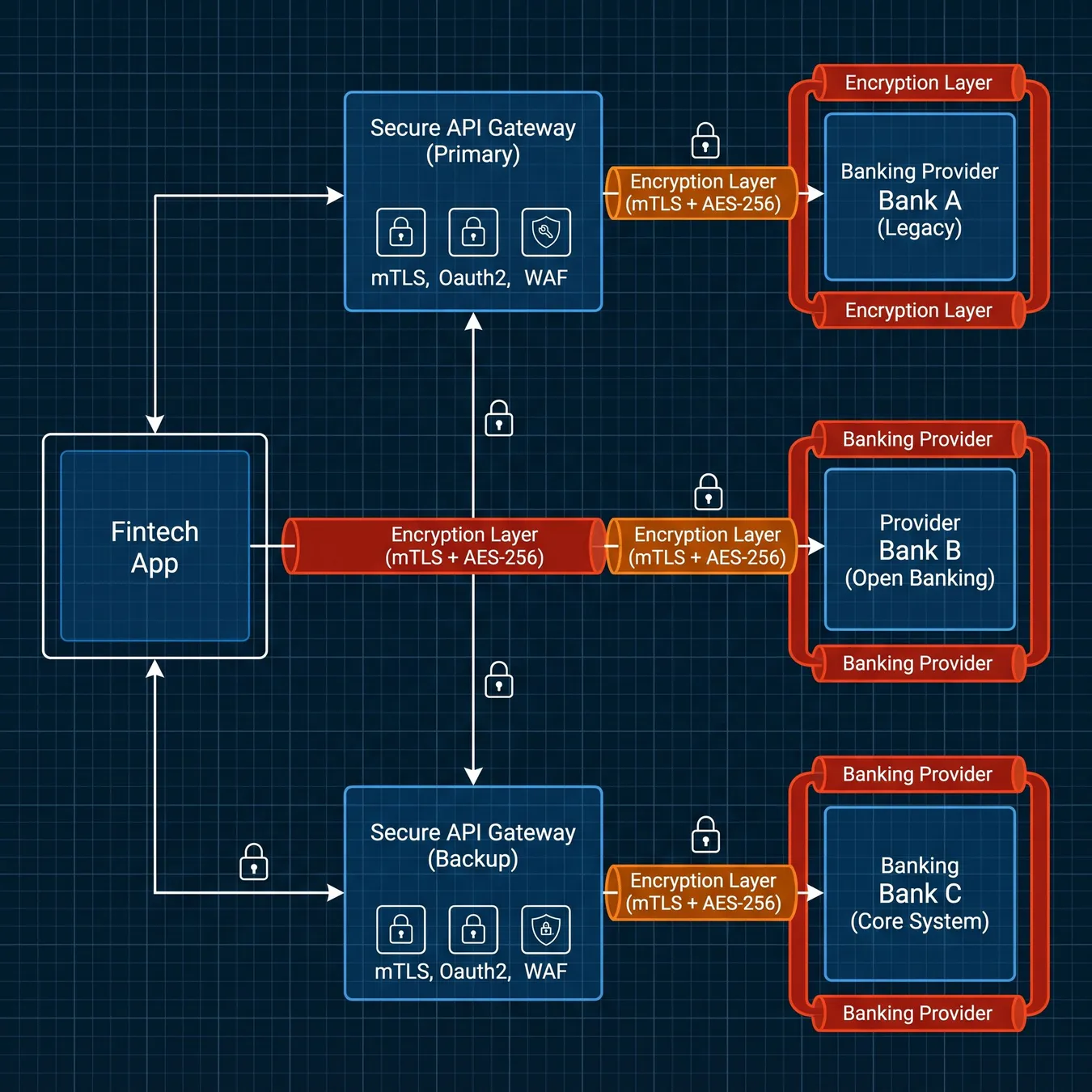
Security architecture is the foundation of any fintech operational system.
The Transition from Spreadsheets to Software
Moving away from manual processes often requires a specialized financial operations software approach that respects the nuances of your specific business model.
Use immutable ledgers for all transactions.
Automate exception handling alerts.
Integrate directly with banking APIs.
Maintain clear role-based permissions.
Rely on manual CSV uploads for data sync.
Hardcode business logic in fragile scripts.
Ignore edge cases in payment failure loops.
Store sensitive financial data in plain text.
Operational Visibility and Reporting
Automation is only as good as the visibility it provides. Custom admin panels allow finance teams to intervene when anomalies occur without stopping the entire pipeline.
| Feature | Manual Ops | Custom Fintech Ops |
|---|---|---|
| Processing Speed | Hours/Days | Seconds |
| Error Rate | High (Human) | Near Zero |
| Auditability | Fragmented | Centralized/Automatic |
Strategic Automation for Finance Leaders
For leaders at growth-stage companies, the goal is to decouple headcount growth from transaction volume. Custom systems allow you to scale 10x without 10x-ing your back-office team.
The most successful fintechs don't just have better products; they have better operational infrastructure that allows them to move money faster and more safely than incumbents.
Studio 402 Engineering Team
How Studio 402 Builds Fintech Infrastructure
At Studio 402, we specialize in turning manual financial bottlenecks into durable software. Whether you are scaling a new payment product or hardening an existing platform, we build the systems that survive real-world use.
API-first architecture for banking integrations
Custom approval workflows and internal tools
Automated reconciliation and reporting engines
Compliance-ready audit logging and security
Fintech Operations FAQ
Ready to Scale Your Fintech Operations?
Stop fighting manual bottlenecks and start building durable financial systems. Let's discuss your infrastructure needs.
Keep reading