
Operational Analytics in Finance: Building Data Systems
In the modern financial landscape, static spreadsheets are no longer sufficient for high-growth teams. Operational analytics in finance transforms raw data into a live feedback loop that informs daily decision-making and long-term strategy.
85%
Finance teams using manual data
10x
Speed of automated reporting
0%
Manual entry error target
To move beyond basic accounting, teams must implement automation in finance and accounting to ensure that data flows seamlessly from transaction to dashboard without human intervention.
What is Operational Analytics in Finance?
Operational analytics refers to the process of using data analysis to improve daily business operations. In finance, this means tracking cash flow, burn rates, and vendor performance in real-time rather than waiting for month-end close.
- Real-time cash flow monitoring
- Automated vendor spend analysis
- Predictive budget variance alerts
- Live unit economic tracking
The Core Components of a Data-Driven Finance System
Building a robust system requires more than just a dashboard. It requires a resilient data pipeline that connects disparate sources like ERPs, bank feeds, and CRM data into a single source of truth.
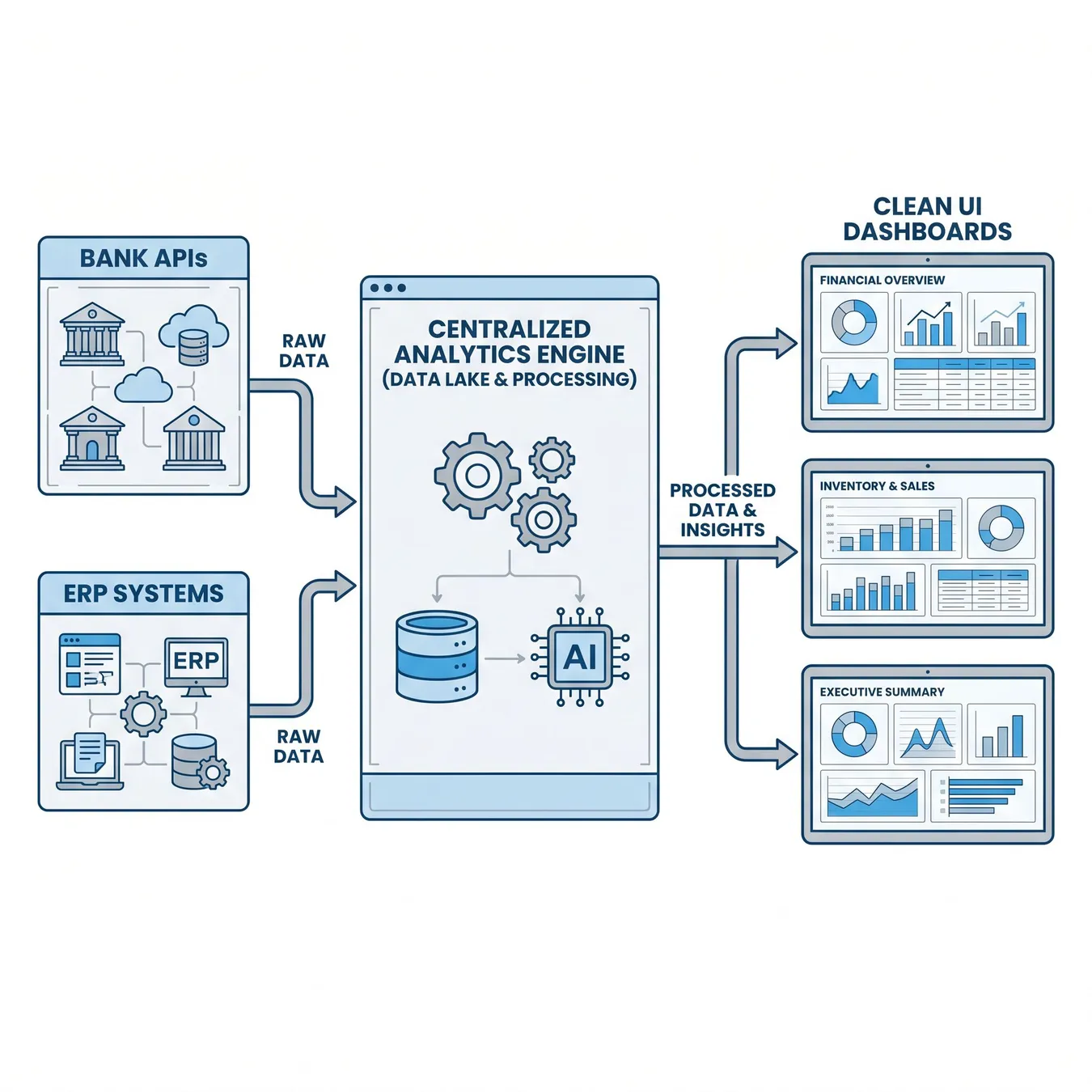
Modern financial data architecture connects raw sources to actionable insights.
Data Ingestion and Normalization
The first step is moving data from silos. This often involves using financial reporting automation tools to extract data from legacy systems and format it for analysis.
Key Metrics for Financial Operations
| Metric | Operational Impact | Frequency |
|---|---|---|
| DSO (Days Sales Outstanding) | Cash flow predictability | Daily |
| Burn Multiple | Capital efficiency | Weekly |
| AP Aging | Vendor relationship health | Real-time |
Implementing Agentic AI in Financial Workflows
Advanced teams are now deploying agentic ai in finance to handle complex reconciliation and anomaly detection. These systems don't just report data; they act on it by flagging discrepancies automatically.
Info.
// Pro Tip
Steps to Build Your Analytics Infrastructure
01 / 04
phase 01 / 04
Audit Current Data Silos
phase 02 / 04
Define Key Performance Indicators
phase 03 / 04
Build Automated Pipelines
phase 04 / 04
Deploy Visualization Layers
Common Pitfalls in Finance Analytics
Ensure data integrity at the source
Automate reconciliation daily
Build for scalability from day one
Rely on manual CSV exports
Overcomplicate dashboards with too many KPIs
Ignore data security and compliance
The Role of Workflow Automation
To maintain a data-driven system, you need workflow automation software that ensures every transaction follows a standardized path, creating clean data for your analytics engine.
Visualizing Financial Performance
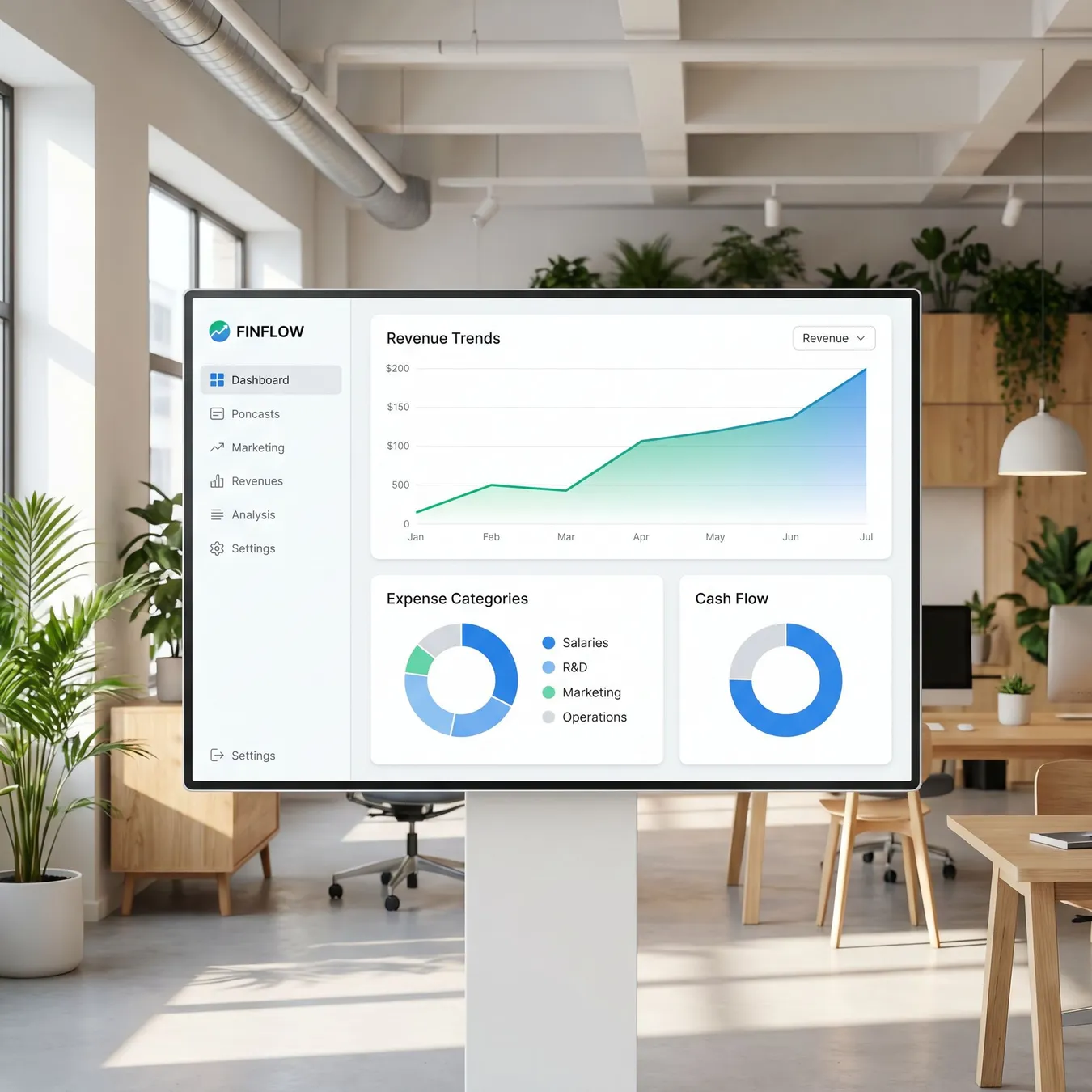
Executive-level financial overview.
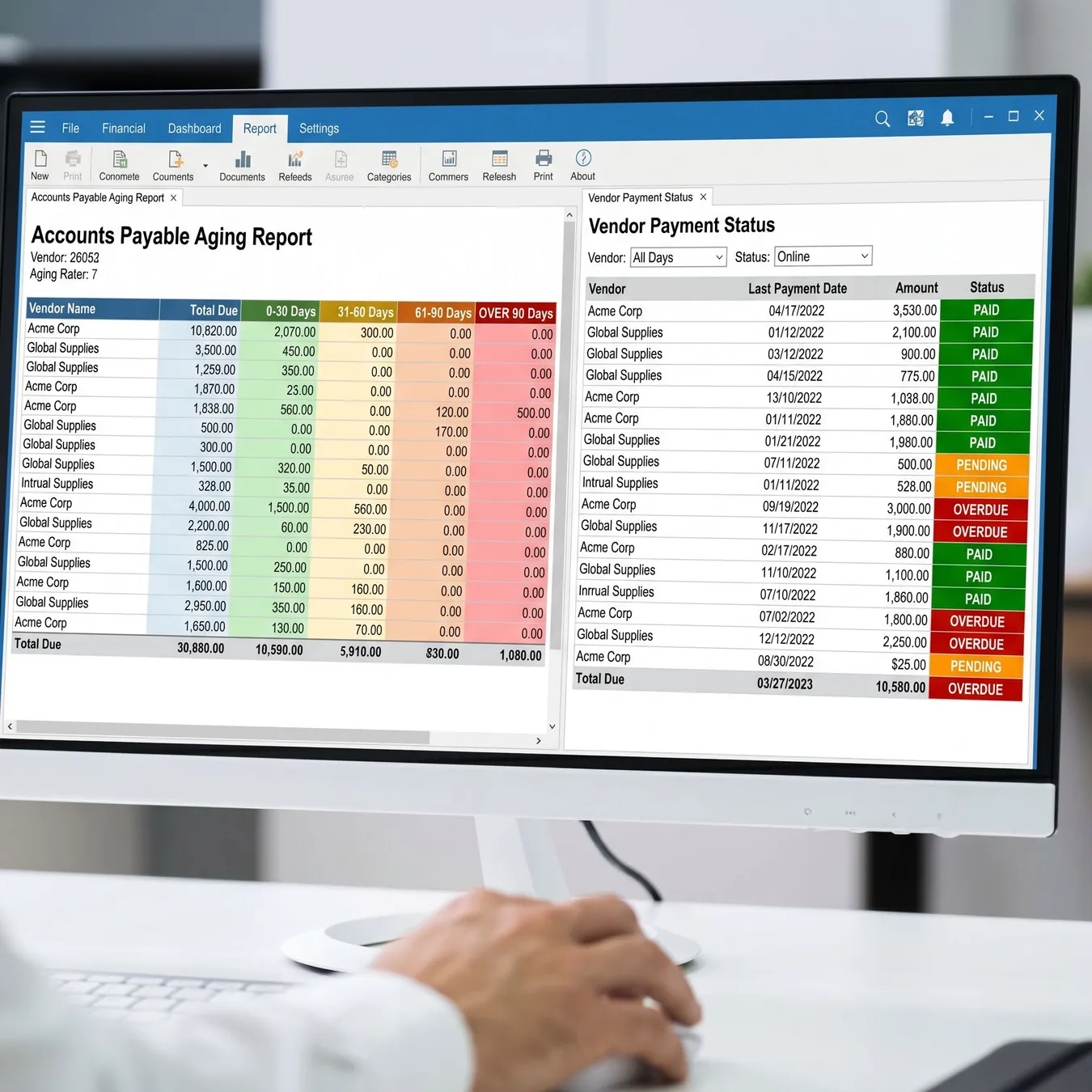
Operational AP tracking.
Comparing Manual vs. Automated Analytics
Trade-off
3 pros · 3 cons
Pros
Real-time visibility
Reduced human error
Scalable reporting
Cons
High manual effort
Lagging indicators
Inconsistent data quality
Frequently Asked Questions
Scaling Your Financial Operations
As your company grows, the volume of data will increase exponentially. A system built on a fragile foundation will break. You need production-grade engineering to ensure your analytics remain accurate.
Bridging Data to Execution
At Studio 402, we specialize in turning these complex data requirements into durable software. We help finance teams move from spreadsheets to scalable systems that provide a competitive edge.
The difference between a growing startup and a scaling leader is the ability to see financial truth in real-time.
Studio 402 Engineering Team
Why Custom Systems Matter
Off-the-shelf tools often fail to account for the unique workflows of a high-growth business. Custom operational analytics systems are designed to fit your specific data model and reporting needs.
Our Approach to Financial Systems
- 01
Deep discovery of your current financial stack
- 02
Architecture design for data integrity
- 03
Development of custom ETL pipelines
- 04
Deployment of secure, internal analytics portals
Ready to Automate Your Finance Ops?
If you are struggling with manual reporting or disconnected financial tools, it is time to build a system that scales with you. We help you bridge the gap between raw data and strategic action.
Build Your Financial Data System
Stop fighting spreadsheets and start making data-driven decisions. Let's build your custom operational analytics platform.
Explore Related Finance Solutions
Operational Analytics Checklist
Identify all manual data entry points
Verify API access for all core financial tools
Define user roles and data permissions
Establish a single source of truth for metrics
Advanced Data Integration
Modern systems must handle more than just numbers. They must integrate with communication tools, document storage, and external market data to provide a full picture of financial health.

The future of the finance department is a command center.
Data Governance and Compliance
In finance, accuracy is non-negotiable. Every automated system we build includes rigorous audit trails and validation checks to ensure compliance with financial regulations.
- SOC2 Compliant
- Real-time Audit
- Data Integrity
- Secure Auth
The Impact of Real-Time Insights
When you move to real-time operational analytics, you reduce the time spent on reporting by up to 90%, allowing your senior finance talent to focus on high-level strategy.
Trusted by growth-stage finance teams to manage millions in monthly spend.
Studio 402 Systems Engineering
Next Steps for Your Team
The journey to a data-driven finance system starts with a single conversation. We can help you audit your current processes and design a roadmap for automation.
Keep reading