
Designing Automated Accounts Payable Workflows
Modern finance teams are moving away from manual data entry toward accounts payable workflow automation to reduce errors and accelerate processing times. By digitizing the intake and approval process, businesses can ensure that every invoice is tracked from receipt to reconciliation without human intervention.
80%
Reduction in manual entry
5 Days
Average approval speed
100%
Audit trail visibility
The Core Components of an Automated Accounts Payable Workflow
An effective automated accounts payable workflow relies on a sequence of integrated steps that handle document capture, data extraction, and routing. When these components work in harmony, the finance department transforms from a cost center into a strategic operation.
- Multi-channel invoice ingestion (email, portal, scan)
- OCR-driven data extraction for header and line items
- Automated three-way matching with POs and receipts
- Dynamic approval routing based on department or amount
- Direct ERP synchronization for ledger posting
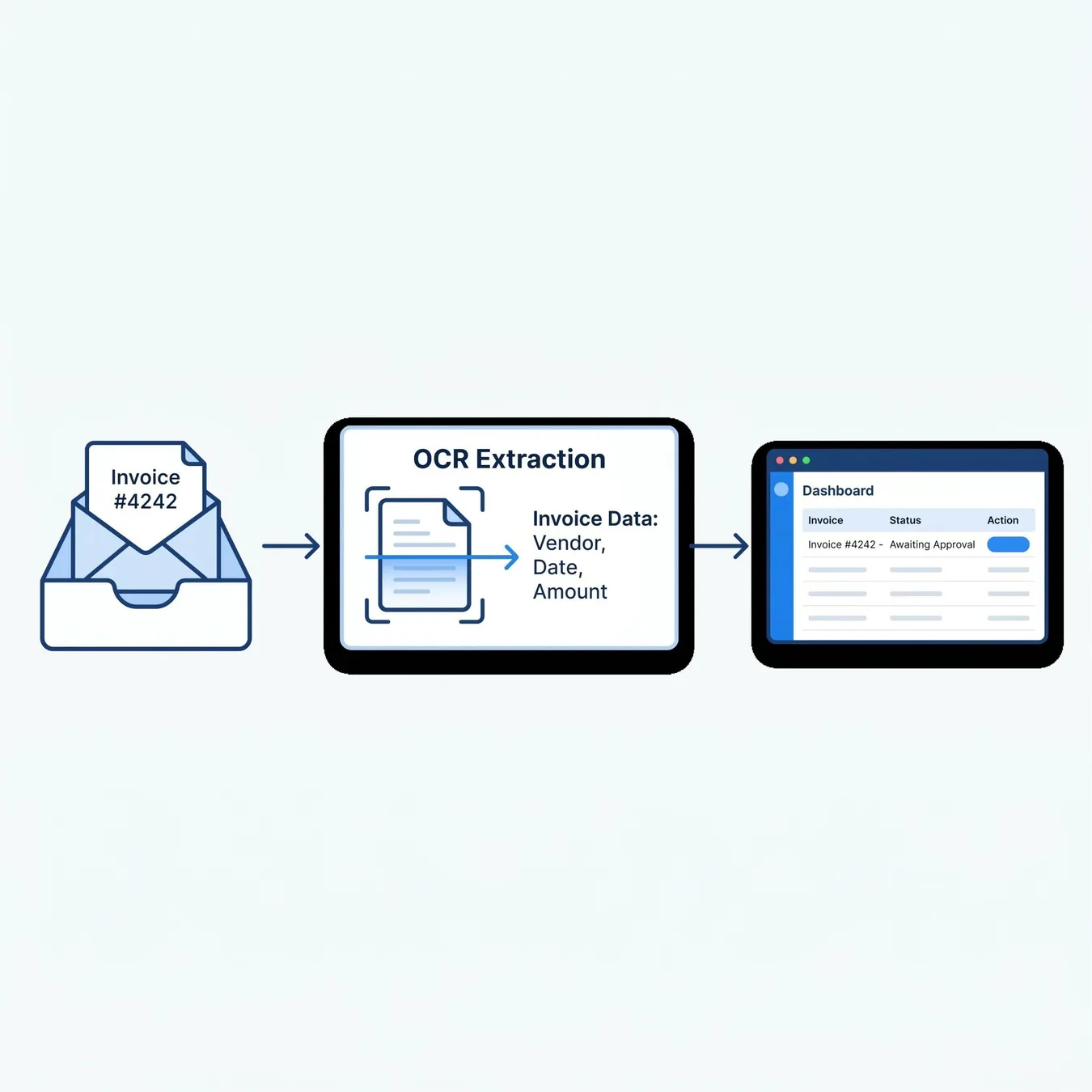
Visualizing the path of an automated invoice from capture to payment.
Designing Your Accounts Payable Automation Process
The accounts payable automation process begins with mapping your current manual bottlenecks. Most teams find that the majority of delays occur during the manual verification of vendor details or waiting for department heads to sign off on expenses.
01 / 04
phase 01 / 04
Document Ingestion
phase 02 / 04
Intelligent Extraction
phase 03 / 04
Validation Logic
phase 04 / 04
Approval Routing
Handling Exceptions in Automated Accounts Payable Workflows
Not every invoice will be perfect. Your automated accounts payable workflows must include exception handling routes for mismatched totals or unrecognized vendors. This ensures that the system doesn't stall when it encounters an edge case.
Tip.
// Exception Routing
Selecting Accounts Payable Workflow Solutions
Choosing between off-the-shelf accounts payable workflow solutions and custom-built systems depends on your technical complexity. For teams with unique ERP configurations or high-volume requirements, a custom approach often yields better long-term ROI.
Trade-off
3 pros · 3 cons
Pros
Lower per-transaction costs
Deep integration with legacy ERPs
Custom approval logic flexibility
Cons
Higher initial development effort
Requires internal technical ownership
Longer initial setup time
Technical Requirements for Payable Workflow Automation
To build a robust system, you need more than just a simple script. Proper payable workflow automation requires a secure cloud environment, encrypted data storage, and reliable API connectors to your banking and accounting platforms.
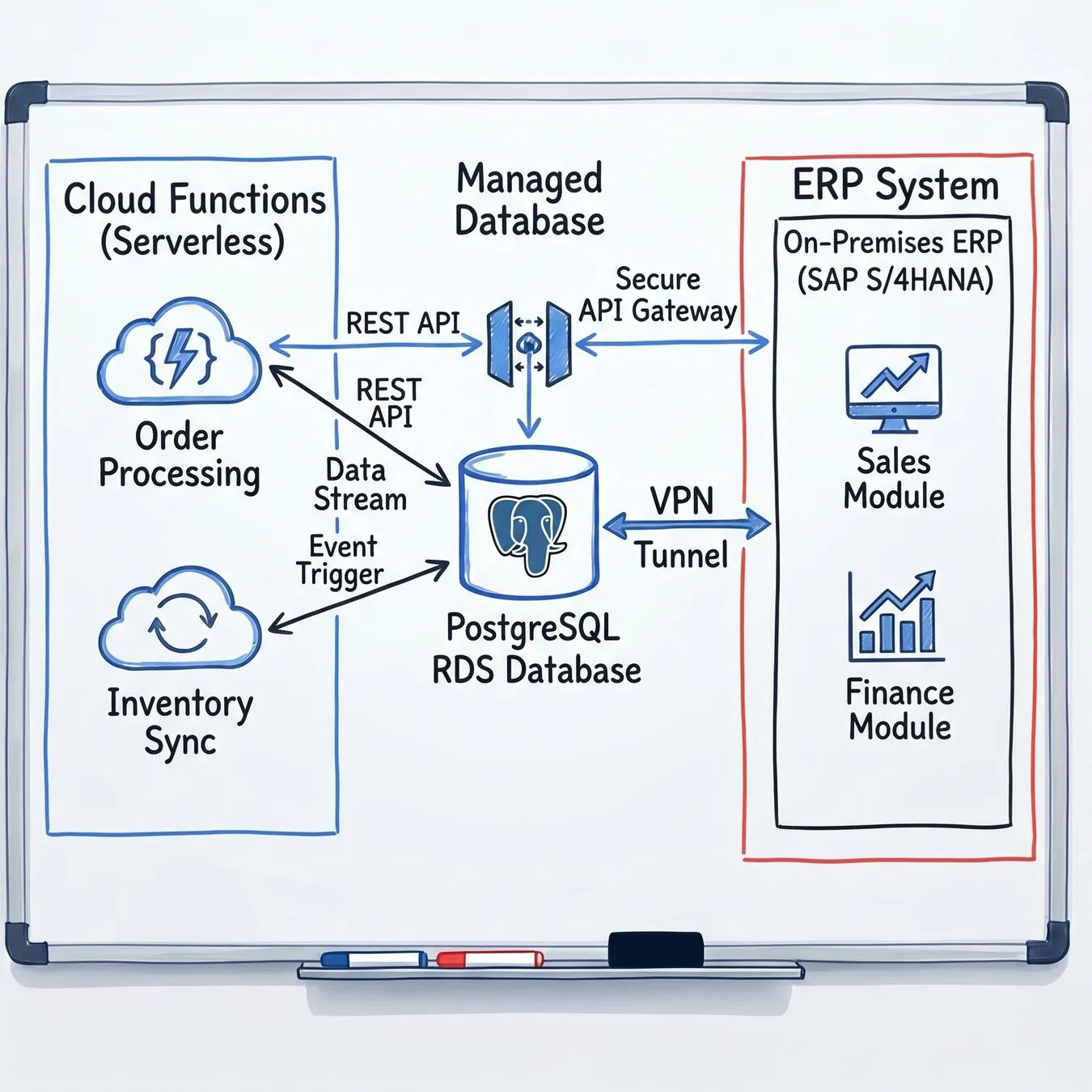
The infrastructure required to support secure financial automation.
The Role of Workflow Automation Software
Leveraging professional workflow automation software allows developers to build state machines that track the lifecycle of every payment. This creates a durable record that is essential for annual audits and compliance checks.
Best Practices for Implementation
Start with a single high-volume vendor
Implement role-based access controls
Maintain a human-in-the-loop for large payments
Automate a broken manual process
Ignore edge cases in the design phase
Hard-code approval limits in the script
Strategic Benefits of Payables Workflow Automation
Implementing payables workflow automation isn't just about saving time; it's about data. When every invoice is digitized, finance leaders gain real-time visibility into liabilities and cash flow trends that were previously buried in paper files.
Automation allowed our finance team to shift from data entry clerks to financial analysts, providing the board with insights we never had before.
Sarah Jenkins · CFO at GrowthScale
Modernizing Your Finance Stack
The transition toward automation in finance and accounting is a necessary step for companies looking to scale without linearly increasing their back-office headcount. Durable systems replace the fragility of spreadsheets with production-grade code.
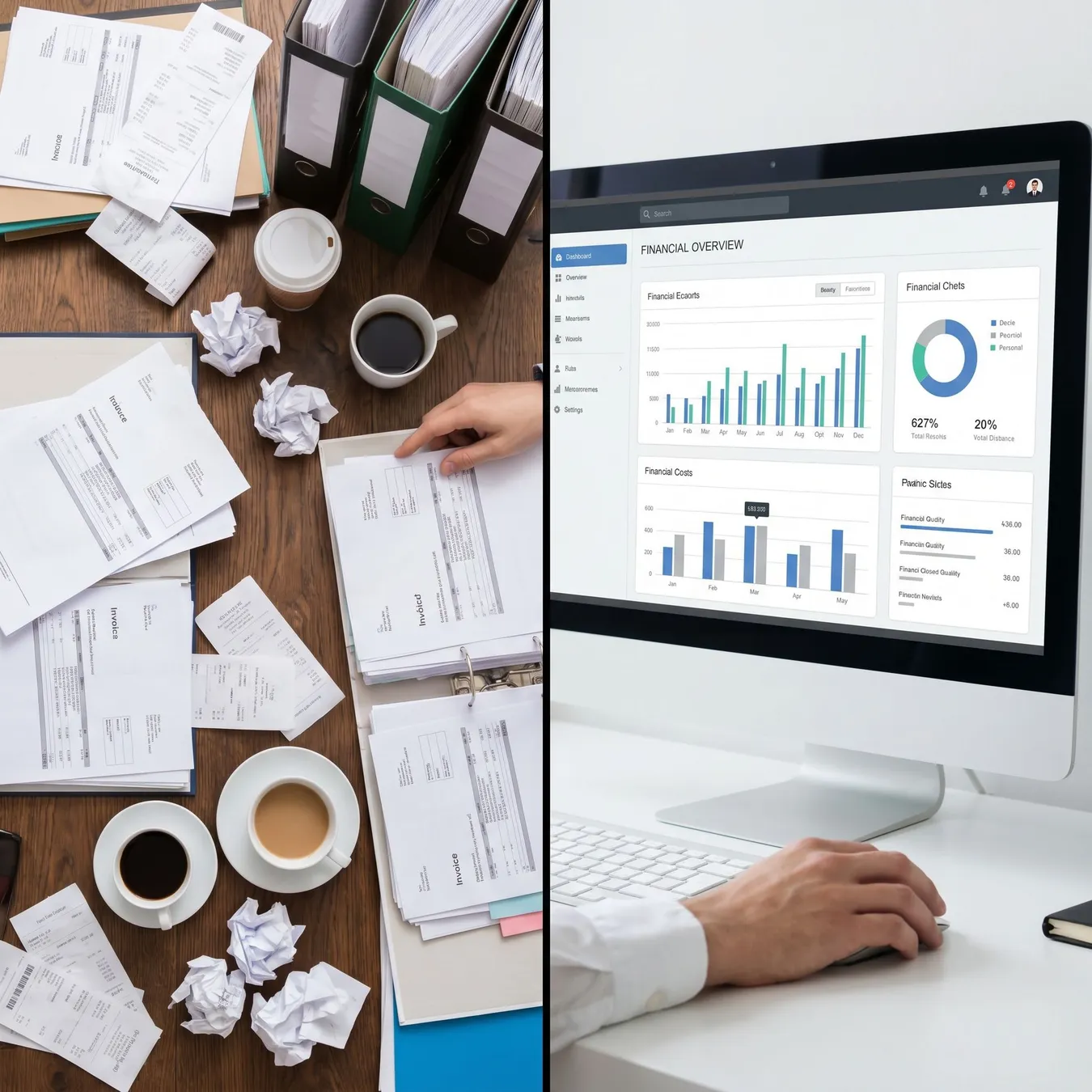
Transforming manual chaos into digital order.
Frequently Asked Questions
Bridging the Gap to Production-Grade Systems
Designing an automated accounts payable workflow is the first step, but executing that design requires a partner who understands both financial logic and scalable engineering. At Studio 402, we specialize in building these durable operational systems.
Whether you are looking to replace a manual setup or rescue a failing prototype, we provide the technical depth needed to ship reliable financial infrastructure that grows with your business.
Ready to Automate Your AP Workflow?
Let's build a custom solution that eliminates manual entry and secures your financial operations.
Deep Dives in Financial Automation
Keep reading