
Engineering Support for Seed-Stage Product Milestones
For a seed stage startup, the transition from a successful raise to a market-ready product is a high-stakes sprint. Engineering at this phase isn't just about writing code; it's about building the technical foundations that allow for rapid iteration and high growth.
- Seed Stage
- Product Engineering
- High Growth
- Scale Ready
A successful seed round product build requires balancing immediate feature delivery with long-term architectural integrity. Many teams fail by over-engineering for a future that hasn't arrived or under-engineering a prototype that collapses under its first hundred users.
Defining Technical Milestones for Seed-Stage Success
To reach your next funding milestone, your engineering output must demonstrate more than just a working demo. It needs to prove that your product can handle real-world operational stress and tenant isolation.
- Core feature completion for primary user personas
- Production-grade authentication and data security
- Scalable cloud infrastructure and deployment pipelines
- Observable system health and error monitoring
- Clean API documentation for future integrations
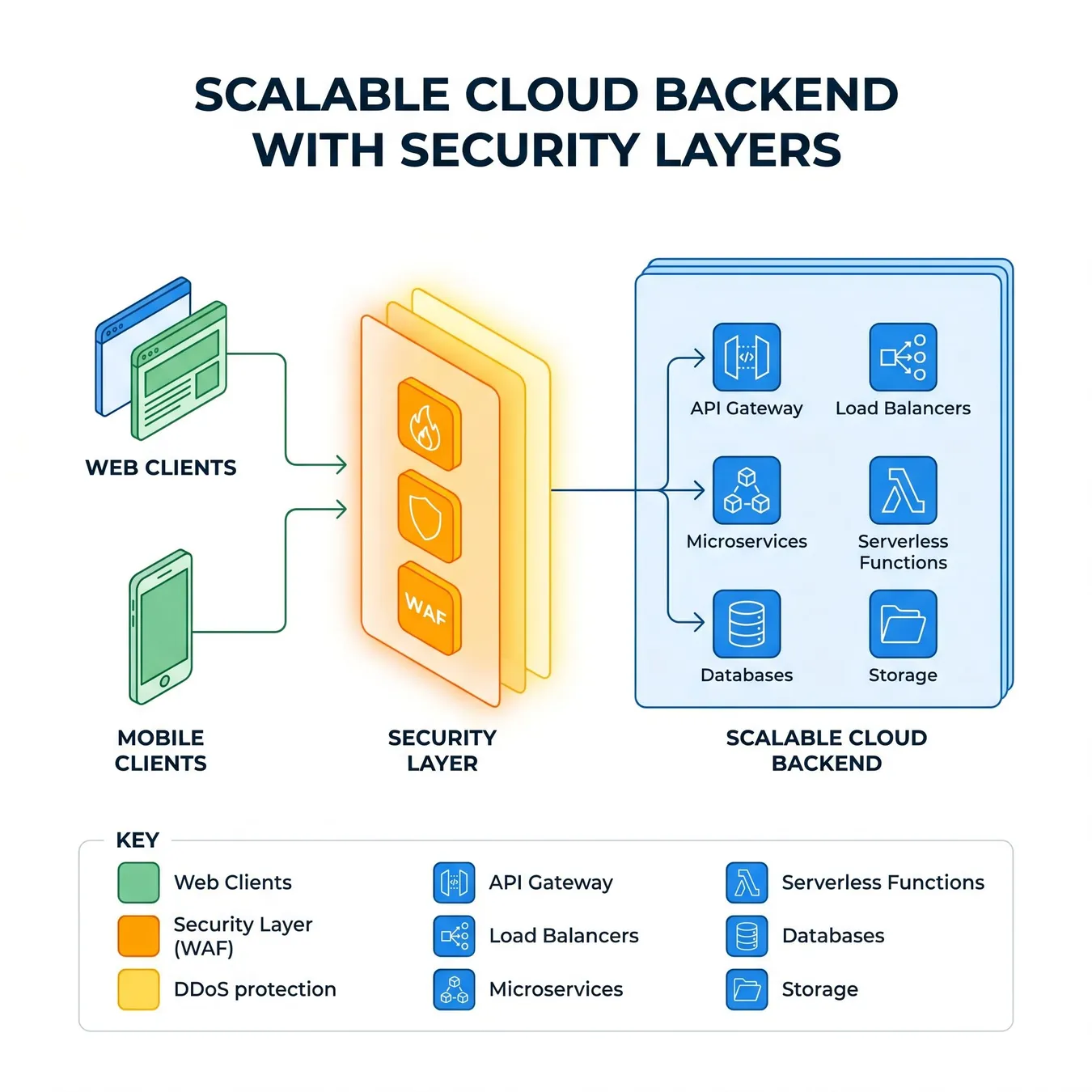
A production-ready architecture designed for seed-stage growth.
The Role of Lean Startup Software Development
Adopting lean startup software development principles allows your team to focus on high-leverage features while minimizing waste. This approach ensures that every engineering hour spent contributes directly to validating your product-market fit.
Prioritize features that validate core business hypotheses
Invest in automated testing for critical user paths
Build modular systems that are easy to refactor
Document architectural decisions for future hires
Build custom solutions for commoditized features like billing
Ignore security until after the product launch
Hard-code configurations that vary by environment
Over-optimize performance before identifying bottlenecks
Structuring Your Engineering Team for Growth
As you scale, your engineering team structure will likely evolve from a flat group of generalists to specialized pods. Planning for this transition early prevents the 'coordination tax' that slows down many high-growth startups.
40%
Reduction in technical debt with early senior oversight
2x
Faster feature release cycles with CI/CD foundations
99.9%
Uptime targets for production-hardened MVPs
Custom Software Development for High Growth Startups
When off-the-shelf tools and no-code platforms hit their limits, custom software development for high growth startups becomes the only way to maintain a competitive edge. This is where your unique intellectual property lives.

Monitoring growth in real-time.

Maintainable code for long-term scale.
Transitioning from MVP to a Scalable Platform
The end of the seed stage often requires a shift in focus. You need a clear product roadmap mvp strategy to ensure that your technical debt doesn't become a blocker for your Series A round.
| Feature | Seed Stage Focus | Growth Stage Focus |
|---|---|---|
| Infrastructure | Reliable Single-Region | Multi-Region / High Availability |
| Security | Auth & Data Isolation | SOC2 / Compliance Hardening |
| Development | Speed to Market | Standardization & Scale |
Common Engineering Pitfalls in Seed Rounds
Many founders fall into the trap of 'vibe-coding'—building features based on excitement rather than architectural necessity. This often leads to fragile systems that require a total rebuild within months.
Tip.
// Founder Tip
Leveraging Bespoke MVP Development Services
For teams that need to hit aggressive milestones without hiring a full in-house team immediately, bespoke mvp development services provide the senior engineering leverage required to ship high-quality software.
The Importance of Infrastructure as Code
Modern seed-stage engineering relies on Infrastructure as Code (IaC). By defining your servers and databases in code, you ensure that your environments are reproducible and scalable from day one.
Automated CI/CD pipelines configured
Database migrations version-controlled
Environment variables managed securely
Cloud resource tagging for cost tracking
AI Integration for Seed-Stage Products
In 2026, many seed-stage startups are integrating AI as a core capability. This requires more than just calling an API; it requires a robust data strategy and a system designed for LLM orchestration.
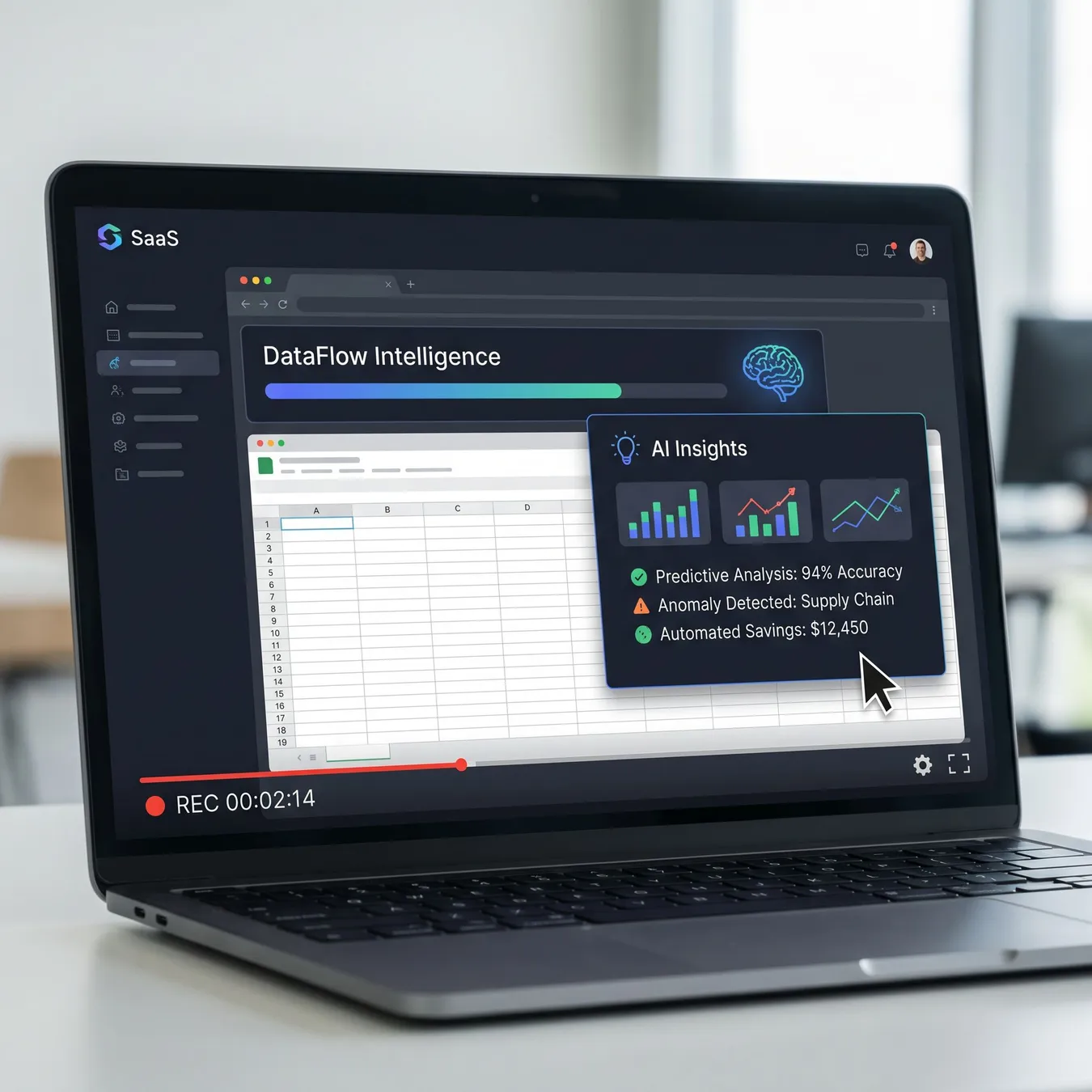
Integrating AI into your core product workflows.
Security and Compliance from Day Zero
Waiting until your Series A to think about security is a mistake. High-growth startups are targets for data breaches, and institutional customers will demand security audits before signing contracts.
Trade-off
3 pros · 3 cons
Pros
Automated vulnerability scanning
Secret management services
Comprehensive logging and alerts
Cons
Manual security patches
Hard-coded secrets
Lack of audit logs
How Studio 402 Supports Seed-Stage Founders
At Studio 402, we act as the high-leverage engineering partner for funded startups. We don't just build features; we design systems that survive real-world use and provide a credible path to scale.
Studio 402 didn't just build our MVP; they built the foundation that allowed us to triple our user base in six months without a single minute of downtime.
Alex Rivera · Founder of FintechScale
Our Approach to Seed Round Product Builds
01 / 04
phase 01 / 04
Discovery & Architecture
phase 02 / 04
Production Build
phase 03 / 04
Hardening & Launch
phase 04 / 04
Scale & Support
Bridging the Gap Between Vision and Execution
If you're a founder who has just closed a seed round, your priority is execution. You need a partner who can translate your roadmap into a production-ready reality while you focus on growth and fundraising.
Frequently Asked Questions
Ready to Hit Your Next Milestone?
Don't let technical debt or slow shipping cycles hold back your growth. Partner with a studio that understands the unique pressures of the seed stage.
Build Your Foundation for Scale
Let's discuss your product roadmap and how we can help you hit your next major milestone.
Explore More Resources
Keep reading
More in MVP Development & Product Strategy
Trusted by venture-backed founders to ship production-grade software.
Updated for July 2026
Engineering support for seed-stage startups is about more than just code—it's about building a durable business asset. Whether you're building from zero or rescuing a prototype, the right partner makes the difference.
Technical Due Diligence Readiness
Preparing for a Series A means your code will be audited. We ensure your documentation, security protocols, and architecture are ready for investor scrutiny.
Scalable Data Modeling
We design data schemas that handle complex relationships and multi-tenant isolation, preventing the need for painful migrations as you acquire larger customers.
Automated Quality Assurance
By implementing automated testing early, we reduce the risk of regressions and allow your team to ship new features with confidence.
API-First Development
Building with an API-first mindset ensures your product can easily integrate with third-party services and support future mobile or web clients.
Cloud Cost Optimization
We architect for efficiency, ensuring your cloud bills don't spiral out of control as your traffic grows.
Observability and Monitoring
We set up comprehensive monitoring so you can identify and fix issues before your users even notice them.
Continuous Deployment
Our CI/CD pipelines allow for multiple deployments per day, ensuring that your product evolves as fast as your market demands.
Senior Engineering Leadership
Get the benefit of fractional CTO-level guidance without the overhead of a full-time executive hire at the seed stage.