
The Non-Technical Founder’s Guide to App Development
Building a product from scratch is a daunting journey for any non technical founder app enthusiast. Without a background in engineering, the process of translating a vision into a functional, production-ready application can feel like navigating a foreign landscape without a map.
This guide provides the strategic roadmap you need to bridge the gap between your business goals and technical execution. We will cover everything from how to create an app prototype to managing engineering partners effectively.
Phase 1: Defining Your Vision and Requirements
Before you write a single line of code or hire a developer, you must define what you are building. For a non technical founder app project, clarity is your most valuable asset. You need to document your 'User Stories'—simple descriptions of a feature told from the perspective of the person who desires the new capability.
- Identify the core problem your app solves.
- Define your primary target audience.
- List the 'must-have' features for a Minimum Viable Product (MVP).
- Outline the user journey from signup to completion.
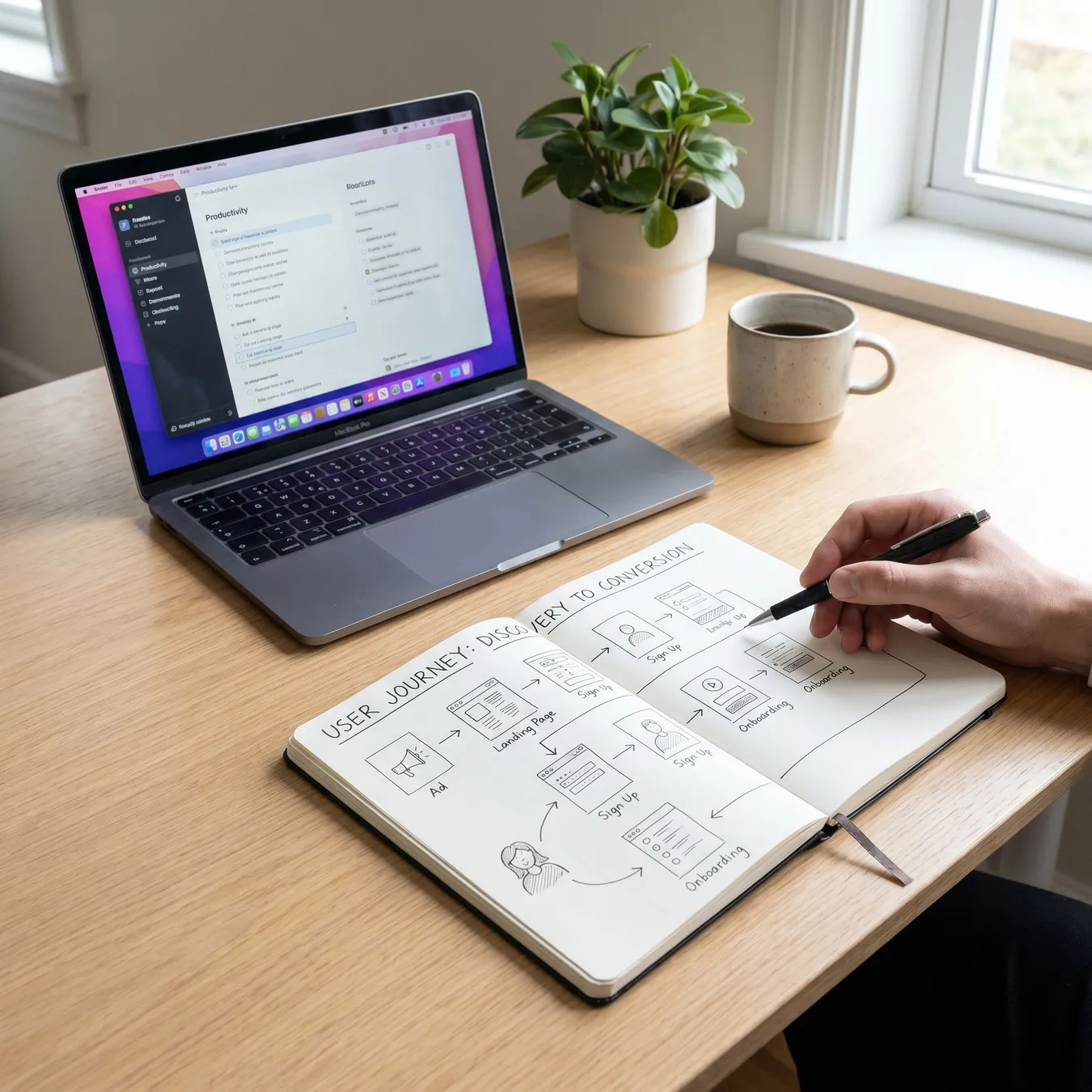
The first step in building a product from scratch is mapping the user journey.
How to Create an App Prototype Without Code
You don't need to be an engineer to visualize your product. Learning how to make a prototype for an app is about communication, not coding. Tools like Figma or even simple paper sketches allow you to show developers exactly how you want the app to behave.
Tip.
// Founder Tip
- 01
Sketch your screens on paper to understand the flow.
- 02
Use a digital tool like Figma to create high-fidelity wireframes.
- 03
Link the screens together to simulate a clickable user experience.
- 04
Test the prototype with potential users for feedback.
Choosing Your Technical Path
One of the most critical decisions is when to build custom software versus using off-the-shelf solutions. If your core value proposition relies on a unique workflow, custom development is usually necessary.
Trade-off
3 pros · 3 cons
Pros
Full ownership of IP
Unlimited scalability
Unique competitive advantage
Cons
Higher upfront cost
Longer time to initial launch
Requires ongoing maintenance
Finding and Evaluating Engineering Partners
As you begin building a startup from scratch, you will likely need external help. Whether you choose a freelancer, an agency, or a product studio, you must evaluate them on more than just price.
Check their portfolio for production-ready apps, not just demos.
Ask for references from other non-technical founders.
Verify their experience with your specific tech stack.
Ensure they have a clear process for project management.
The Non-Technical Founder's Tech Stack Primer
You don't need to know how to code, but you should understand the components of your app. This helps you have meaningful conversations with your engineering team.
| Component | What it does | Common Examples |
|---|---|---|
| Frontend | What the user sees and touches | React, Next.js, Swift |
| Backend | The logic and data processing | Node.js, Python, Go |
| Database | Where information is stored | PostgreSQL, MongoDB |
| Infrastructure | Where the app 'lives' | AWS, Google Cloud |
Managing the Development Process
Successful projects rely on consistent communication. Use agile methodologies to break the build into two-week 'sprints'. This allows you to see progress regularly and make adjustments before too much time is invested.
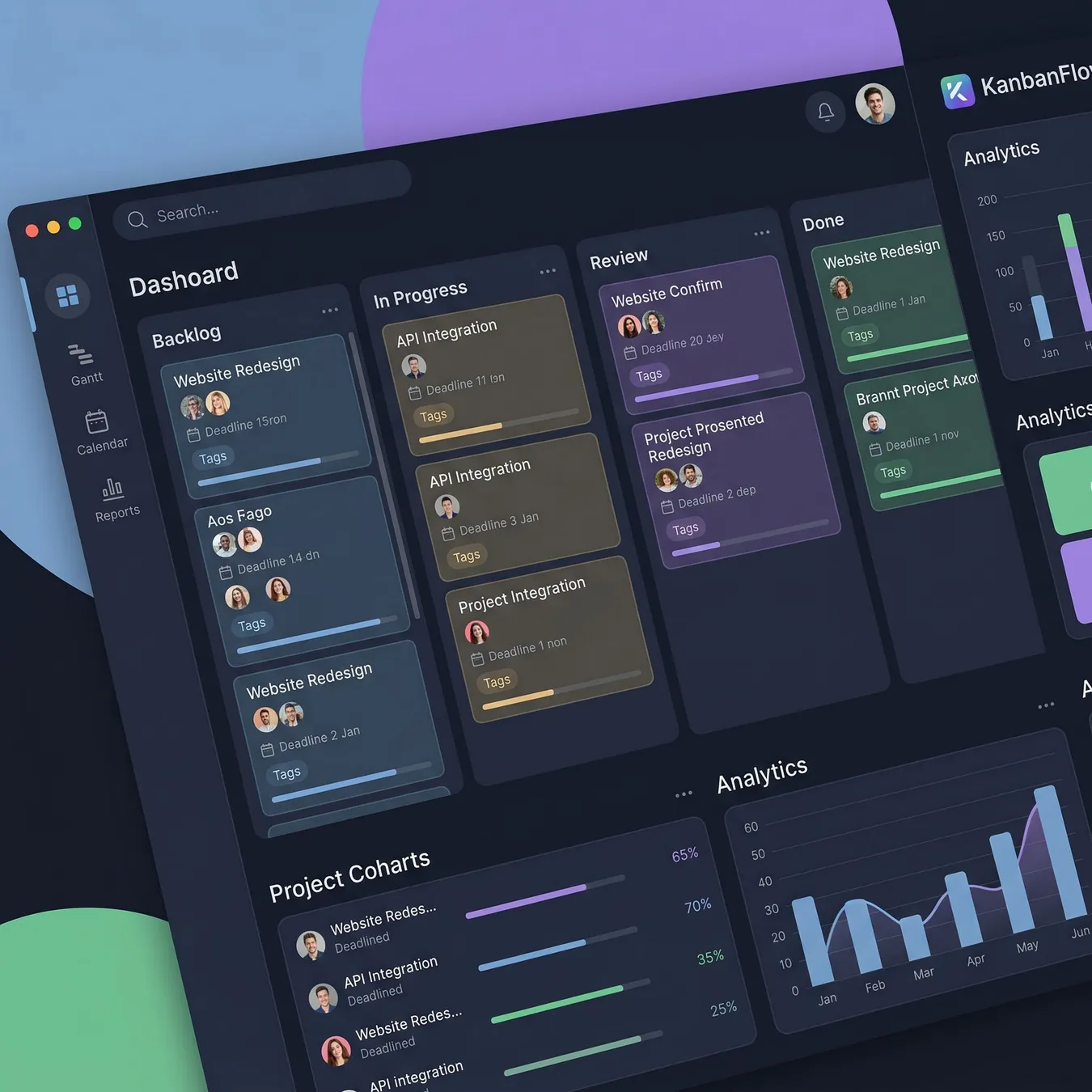
Use tools like Linear or Trello to track feature progress.

Weekly syncs ensure the vision stays aligned with the build.
Common Pitfalls to Avoid
Prioritize core features over 'nice-to-haves'.
Get a code audit if you are unsure of quality.
Focus on user feedback early and often.
Don't ignore technical debt for the sake of speed.
Don't assume 'vibe-code' is production-ready.
Don't skip the testing phase before launch.
Planning for the Future
Your MVP is just the beginning. Once you launch, you need a product roadmap mvp strategy to handle user requests and technical scaling.
Scaling Your Technical Team
Eventually, you may want to bring engineering in-house. Knowing how to hire software engineers is a skill every growing founder needs to master.
Frequently Asked Questions
The Studio 402 Approach to Founder Success
At Studio 402, we specialize in helping non-technical founders turn ambitious visions into durable, production-ready software. We don't just build features; we build foundations that scale with your business.
12 Weeks
Average MVP Launch Time
100%
Production Hardening
High-Trust
Founder Satisfaction
Bridging the Gap to Production
If you are struggling with mvp software development challenges, you aren't alone. Many founders find that their initial prototypes hit a ceiling when it comes to security or user load.
Studio 402 took my messy prototype and turned it into a platform that actually handled our first 1,000 customers without breaking.
Alex Rivera · SaaS Founder
Next Steps for Your Product
Ready to move from a sketch to a shipped product? Whether you need a full build or a technical audit of your existing code, we are here to help you navigate the complexities of engineering.
Turn Your Vision Into Production-Ready Software
Let’s discuss your vision and build a technical roadmap that actually works for your business.
Additional Resources for Founders
Explore our other guides to deepen your understanding of the software development lifecycle and startup strategy.
Keep reading
More in MVP Development & Product Strategy
Understanding Technical Debt
Technical debt is the cost of choosing an easy solution now instead of a better approach that would take longer. For non-technical founders, managing this debt is crucial for long-term health.
The Importance of Security
Never compromise on security. Even in an MVP, protecting user data is a non-negotiable requirement for any production-ready application.
Choosing the Right Cloud Provider
Whether it's AWS, Azure, or Google Cloud, your infrastructure choice impacts your costs and scalability. We help you make the right choice for your specific needs.
The Role of AI in Modern Apps
AI isn't just a buzzword; it's a capability. From chatbots to data analysis, we integrate AI where it adds real value to your users.
Post-Launch Support
Shipping is only half the battle. Ongoing maintenance and feature iteration are what keep a product alive and growing in a competitive market.
Trusted by 50+ founders to build and scale their products.
Updated for 2026