
Overview
Building Scalable SaaS Platforms from the Ground Up
A technical guide to engineering production-ready SaaS MVPs with multi-tenancy, secure isolation, and subscription infrastructure for 2026.
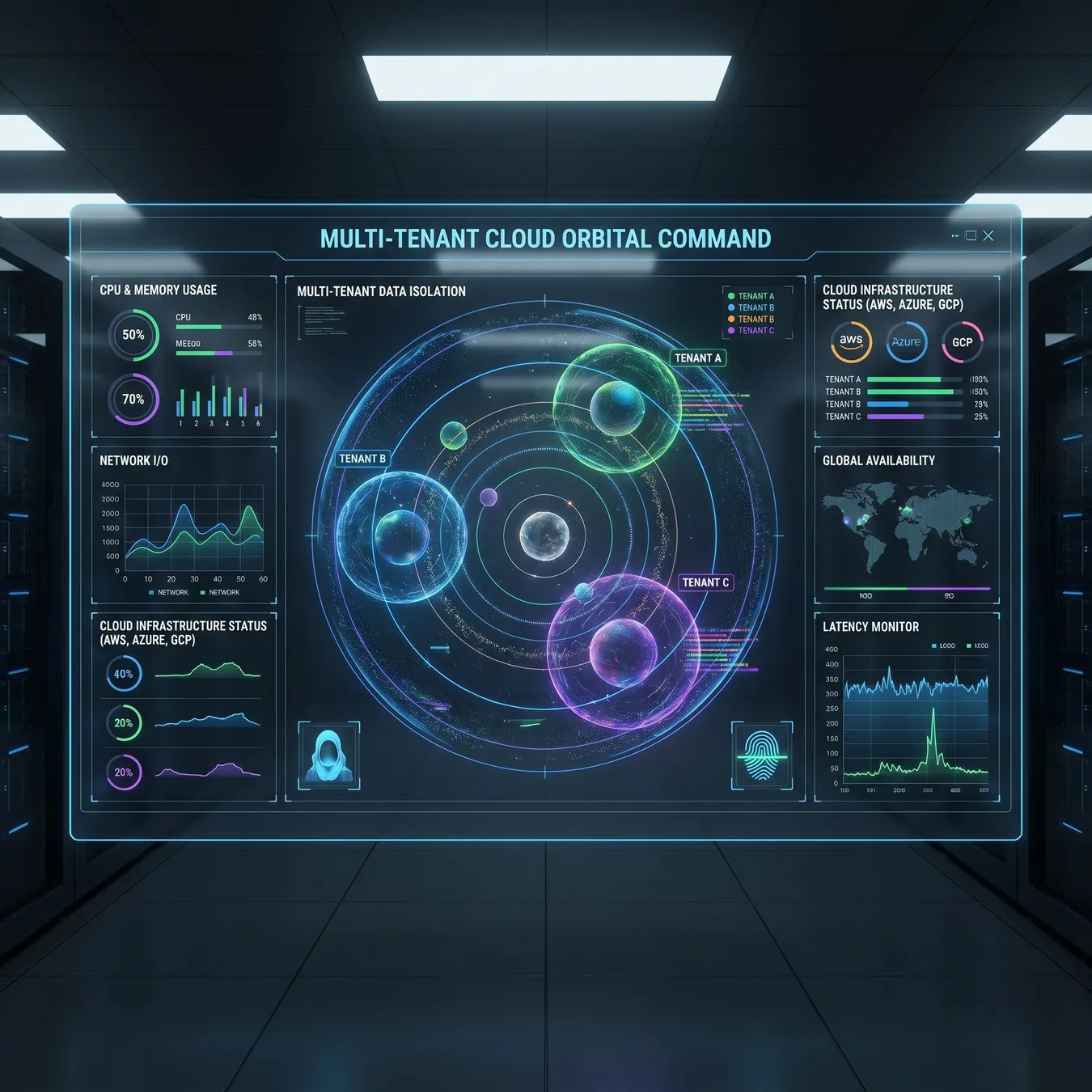
Building SaaS MVP: Scalable Software for SaaS Startups
Building a SaaS MVP in 2026 requires more than just a functional prototype; it demands a production-ready foundation that can handle real-world scale, security, and multi-tenancy. For founders, the goal is to validate the core value proposition while ensuring the underlying architecture doesn't become a bottleneck during growth.
To succeed, teams must balance speed with structural integrity. Utilizing lean startup software development principles allows you to iterate quickly based on user feedback without accumulating the kind of technical debt that leads to a total rebuild after six months.
65%
SaaS failures due to scaling issues
10x
Cost to fix architecture post-launch
2026
Standard for data isolation
Core Pillars of Scalable SaaS Startup Software Development
The transition from a simple web app to a true SaaS platform involves three critical technical pillars: multi-tenancy, secure data isolation, and robust subscription management. These elements must be baked into the initial build to avoid catastrophic security leaks or billing failures.
- Multi-tenant database architecture (Shared vs. Isolated)
- Role-based access control (RBAC) for enterprise users
- Automated subscription and usage-based billing logic
- Scalable API-first backend for cross-platform support
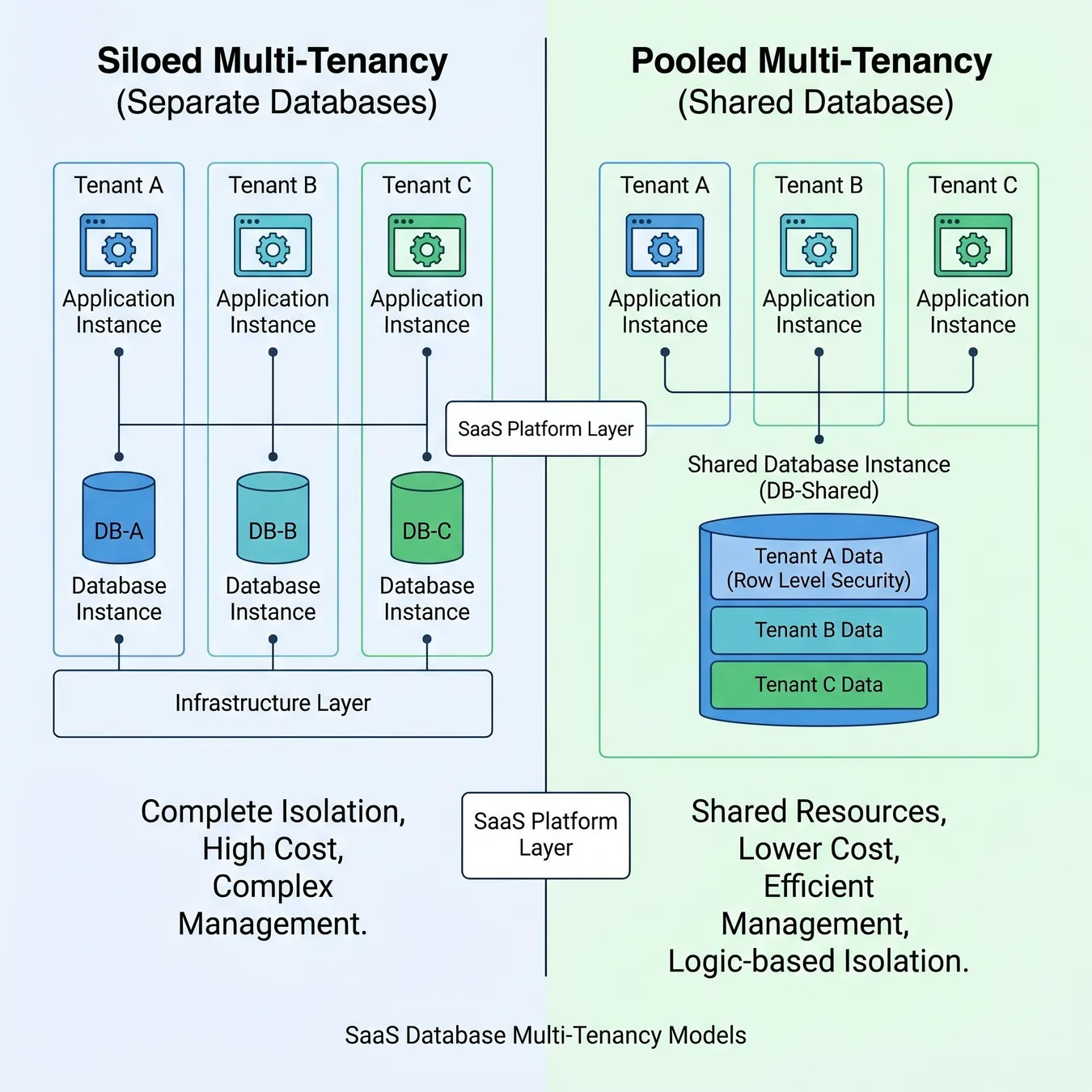
Choosing the right data isolation model for your MVP.
Designing for Multi-Tenancy and Data Isolation
Data isolation is the most critical security requirement for any SaaS platform. Whether you choose a 'database-per-tenant' or a 'schema-per-tenant' approach, the goal is to ensure that Tenant A can never access Tenant B's data, even in the event of an application-level bug.
Info.
// Security First
Rapid Prototyping vs. Production Hardening
Many teams fall into the trap of using saas app development platforms rapid prototyping mvp launch support tools that create 'vibe-code'—software that looks great in a demo but lacks the logging, observability, and error handling required for production.
Use a modular monolith or microservices architecture
Implement centralized logging from day one
Automate your CI/CD pipeline for rapid iteration
Hardcode tenant IDs into your application logic
Ignore database indexing for multi-tenant queries
Skip automated testing for critical billing paths
Subscription Infrastructure and Billing Logic
Your billing engine is the heartbeat of your SaaS. Integrating with providers like Stripe or Paddle requires a deep understanding of webhooks, idempotent processing, and grace periods for failed payments.
| Feature | MVP Level | Scale Level |
|---|---|---|
| Billing | Fixed Monthly Tiers | Usage-based Metering |
| Auth | Email/Password | SSO / SAML Integration |
| Logs | Basic Console Logs | Distributed Tracing |
Selecting the Right Technology Stack
Choosing a stack for building saas mvp involves evaluating developer velocity against long-term performance. Modern frameworks like Next.js and Go provide a high ceiling for both speed and scale.
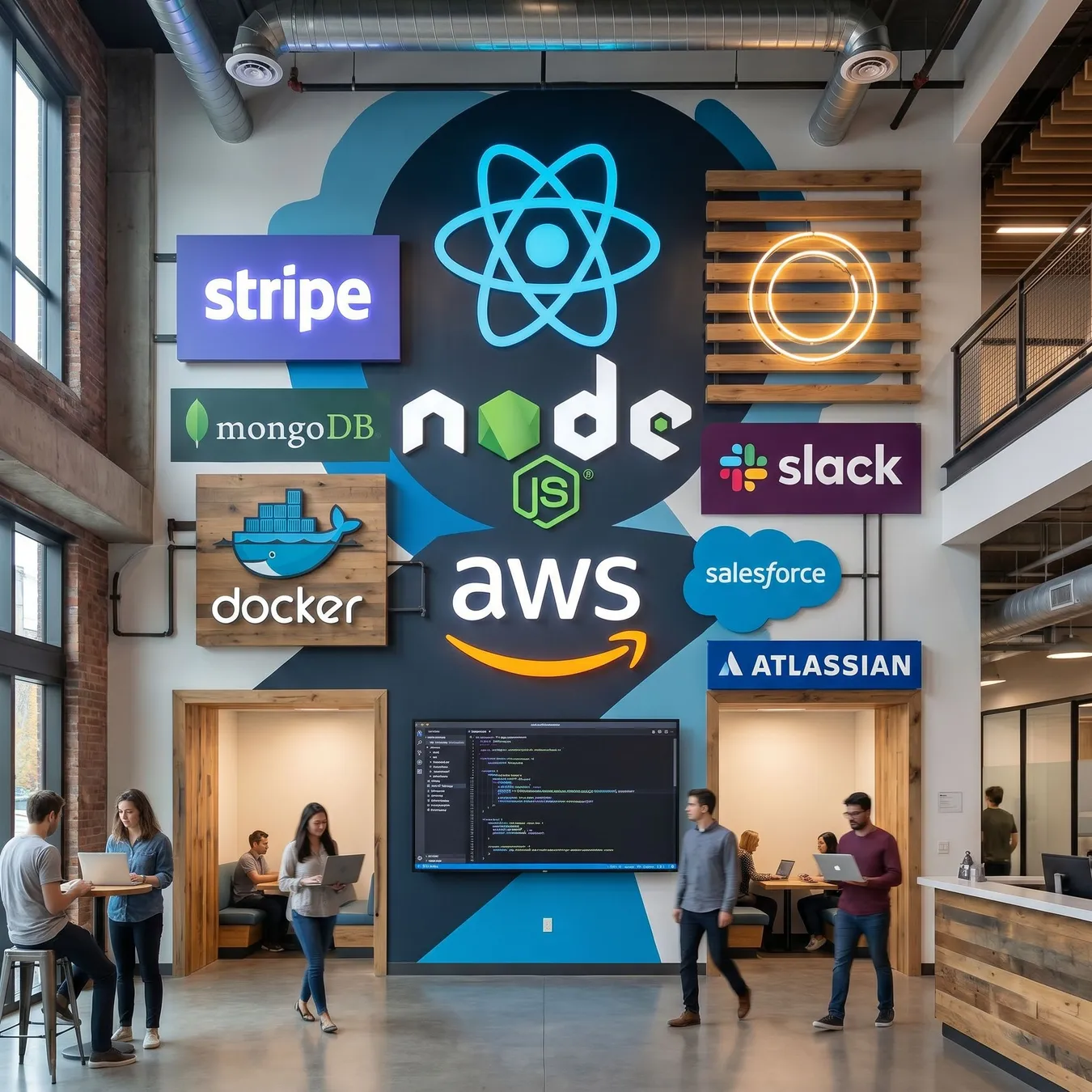
The modern SaaS stack.

Engineering for high velocity.
The Role of Agile in SaaS Engineering
Execution is just as important as architecture. Adopting an agile development mvp approach ensures that your engineering team stays aligned with the product roadmap while shipping updates weekly.
Common SaaS Development Pitfalls
Even the best saas product development teams for fast prototyping and iteration can struggle if they don't account for the 'noisy neighbor' problem in shared infrastructure.
Infrastructure and Deployment Strategy
Scalable SaaS requires a cloud-native approach. Leveraging containerization (Docker) and orchestration (Kubernetes) allows you to scale specific services independently as traffic grows.
- 01
Containerize application services
- 02
Set up automated staging and production environments
- 03
Implement health checks and auto-scaling groups
- 04
Configure CDN for global asset delivery
Observability and Error Tracking
You cannot scale what you cannot measure. Real-time monitoring and error tracking are essential for identifying bottlenecks before they impact your entire customer base.
Tip.
// Pro Tip
The Importance of API-First Design
An API-first approach ensures that your SaaS backend can serve web, mobile, and third-party integrations seamlessly. This flexibility is vital for future-proofing your product.
Managing Technical Debt in a Startup
Technical debt is inevitable, but it must be managed. The key is to make conscious trade-offs—choosing speed for non-critical features while maintaining high standards for the core engine.
User Onboarding and Tenant Provisioning
Automating the 'New Tenant' flow is a hallmark of a scalable SaaS. This includes database migrations, default settings creation, and welcome email sequences.
01 / 03
phase 01 / 03
Registration
phase 02 / 03
Provisioning
phase 03 / 03
Configuration
Security Audits and Compliance
As you move toward enterprise customers, SOC2 or HIPAA compliance will become requirements. Building with these standards in mind saves months of refactoring later.
Building vs. Buying SaaS Components
Don't reinvent the wheel. Use specialized services for auth (Clerk/Auth0), billing (Stripe), and search (Algolia) so your team can focus on your unique value proposition.
Trade-off
3 pros · 3 cons
Pros
Faster time to market
Higher security standards
Reduced maintenance burden
Cons
Higher monthly OpEx
Potential vendor lock-in
Less control over feature roadmap
Scaling the Engineering Team
As the product grows, so must the team. Transitioning from a single developer to a structured engineering department requires clear documentation and standardized environments.
Partnering for SaaS Success
For many founders, mvp development outsourcing is the most efficient way to access senior architectural talent without the overhead of immediate full-time hiring.
If you are looking for custom saas mvp development services that prioritize production-grade engineering over simple prototypes, Studio 402 provides the technical depth needed to build foundations that last.
The difference between a successful SaaS and a failed one is often the quality of the code written in the first three months.
Studio 402 Engineering Team
Ready to Build Your Scalable SaaS?
Studio 402 specializes in turning complex SaaS visions into durable, high-performance software. Whether you're starting from scratch or need to rescue a prototype that won't scale, we are your senior engineering partner.
Launch Your SaaS MVP with Confidence
Stop worrying about technical debt and start focusing on your customers. Let's build a production-ready platform together.
Trusted by venture-backed startups to ship production-ready code.
Engineering excellence for the 2026 SaaS landscape.
Define multi-tenancy model
Select core tech stack
Implement RBAC permissions
Set up billing webhooks
Configure CI/CD pipelines
Keep reading
More in MVP Development & Product Strategy
- SaaS Engineering
- MVP Strategy
- Cloud Infrastructure
- Scalability