
Architecting Scalable Web Applications for Growth
Overview
Build Scalable Web Applications for High-Traffic Success
Master the principles of architecting high performing scalable and available enterprise web applications to support millions of users without downtime.

To build scalable web applications in today's digital landscape, you must look beyond simple code execution. Scalability is the ability of a system to handle a growing amount of work by adding resources to the system, ensuring that performance remains consistent as user demand spikes.
- High Availability
- Performance
- Cloud Native
- Enterprise Scale
Core Principles of Scalable SaaS Development
When approaching scalable saas development, the architecture must be decoupled. This means separating the frontend, backend services, and data storage so they can scale independently based on specific load requirements.
- Horizontal scaling over vertical scaling
- Stateless application design
- Database sharding and replication
- Asynchronous processing for heavy tasks
- Edge caching and Content Delivery Networks (CDNs)
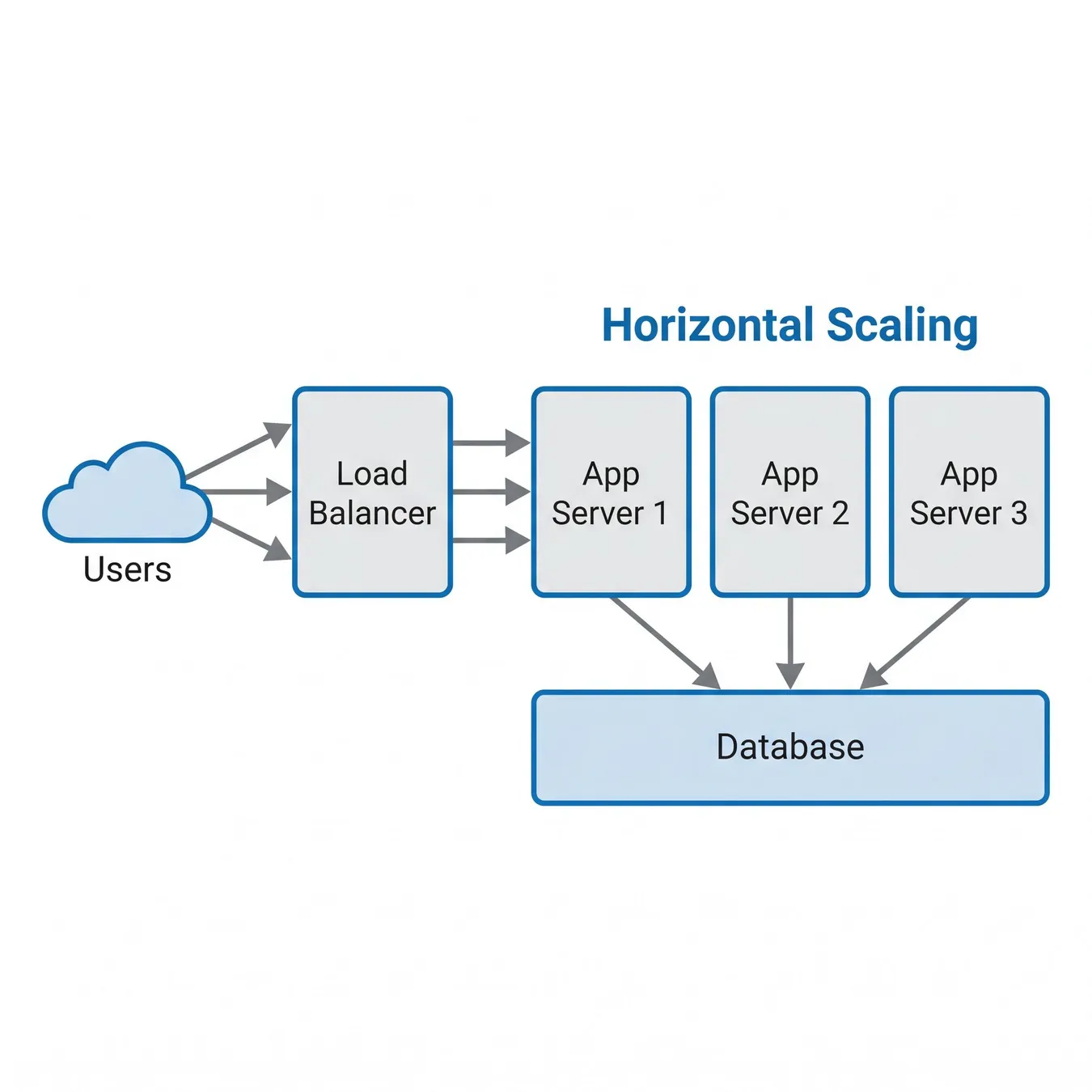
Horizontal scaling allows for infinite growth by adding more nodes.
Best Practices for Scalable Custom Software Development
Implementing best practices for scalable custom software development requires a proactive approach to bottlenecks. You should prioritize observability from day one to identify which components fail under pressure.
Tip.
// The Golden Rule of Scale
Database Optimization Strategies
Data is often the hardest part of the stack to scale. Using read replicas can offload traffic from your primary write database, while caching layers like Redis can prevent frequent hits to the disk.
| Strategy | Benefit | Complexity |
|---|---|---|
| Read Replicas | Offloads read traffic | Low |
| Sharding | Distributes data across servers | High |
| Caching | Reduces latency significantly | Medium |
Architecting for High Availability
High availability ensures that your application remains accessible even if individual components fail. This involves multi-region deployments and automated failover mechanisms.
Use automated load balancing
Implement health checks for all services
Design for graceful degradation
Automate database backups and recovery
Store session data in local memory
Rely on a single cloud availability zone
Ignore slow-running queries
Hardcode IP addresses in configuration
The Role of Microservices in Scaling
While monoliths are easier to start with, a complex software architecture often benefits from microservices. This allows teams to scale specific parts of the app—like payment processing—without scaling the entire codebase.
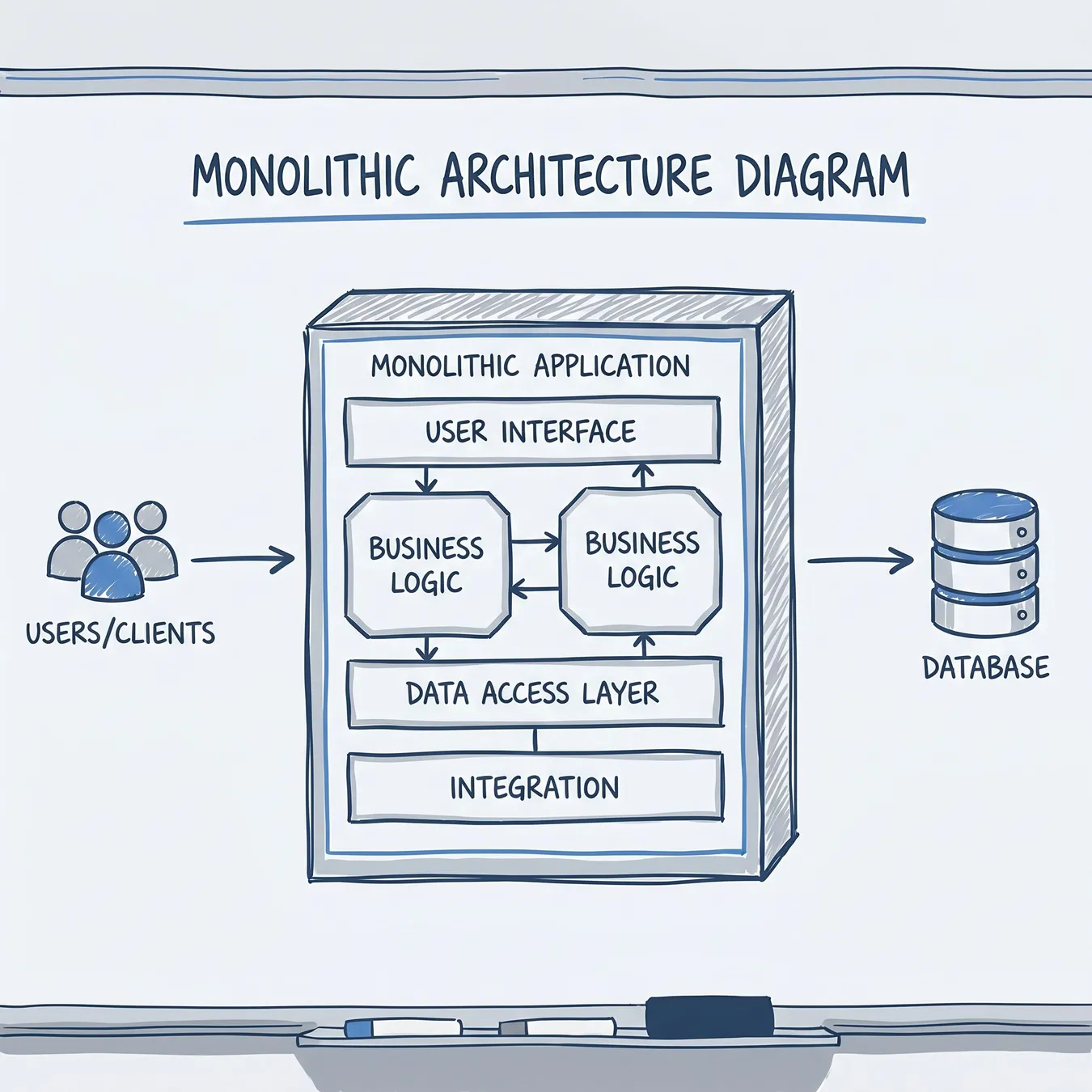
Monolith: Simple but scales as one unit.
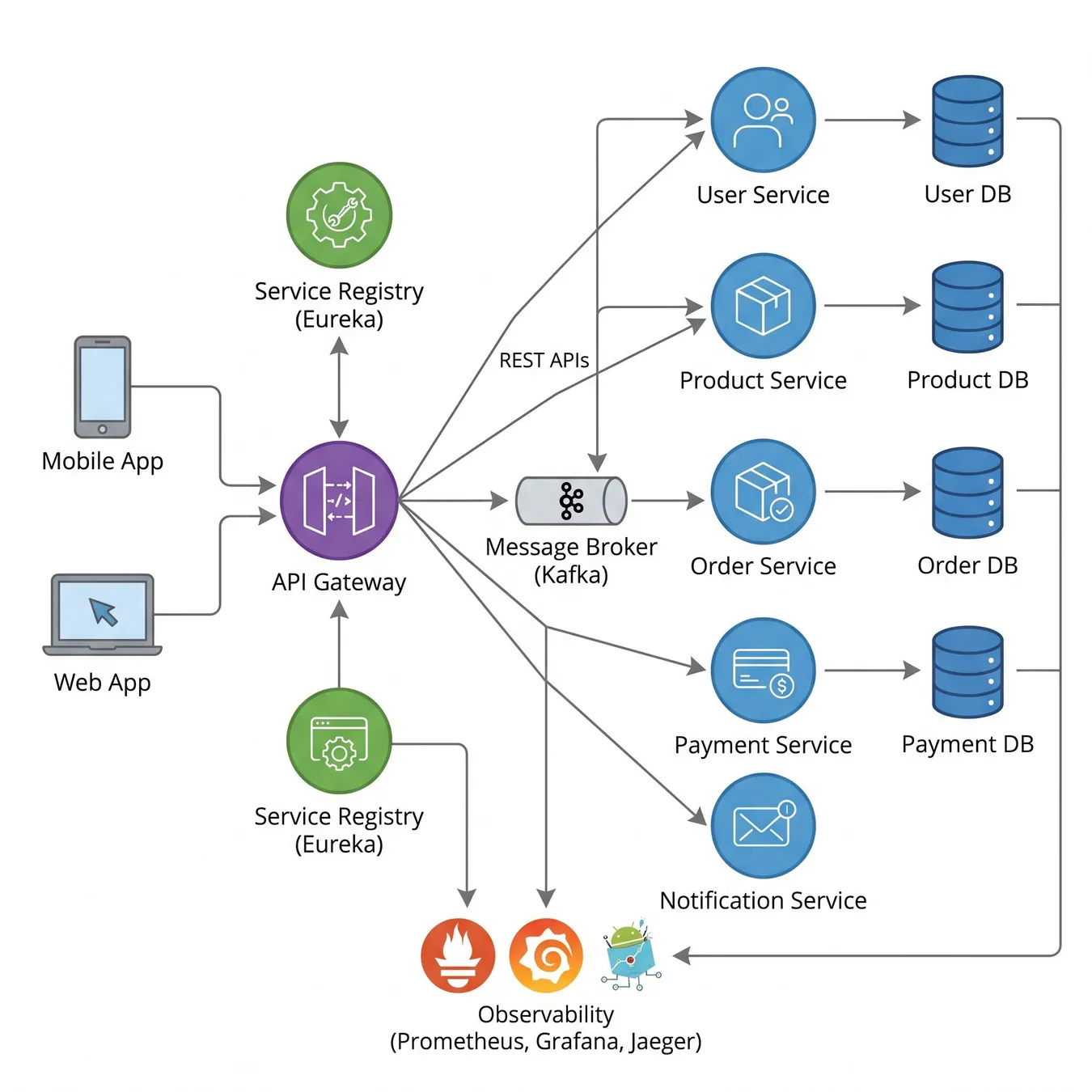
Microservices: Complex but scales independently.
Performance Tuning and Latency Reduction
Scaling isn't just about capacity; it's about speed. High-traffic applications must minimize latency at every layer, from the DNS lookup to the final database query execution.
100ms
Max acceptable latency
99.99%
Target uptime for enterprise
2x
Typical traffic spike during events
Load Balancing and Traffic Management
A robust load balancer acts as the traffic cop for your web application software development project. It distributes incoming requests to healthy instances and prevents any single server from being overwhelmed.
- 01
SSL termination at the load balancer level
- 02
Round-robin or least-connection algorithms
- 03
Web Application Firewall (WAF) integration
- 04
Global Server Load Balancing (GSLB) for multi-region
Designing for Multi-Tenancy
For SaaS products, a scalable saas architecture must handle multiple customers (tenants) on shared infrastructure without compromising data security or performance isolation.
Data Isolation Models
You can choose between siloed databases for each tenant, a shared database with a discriminator column, or a sharded approach that balances isolation with cost efficiency.
Infrastructure as Code (IaC)
Manual infrastructure management is the enemy of scale. By using tools like Terraform or CloudFormation, you can treat your servers and networks like code, allowing for repeatable and error-free deployments.
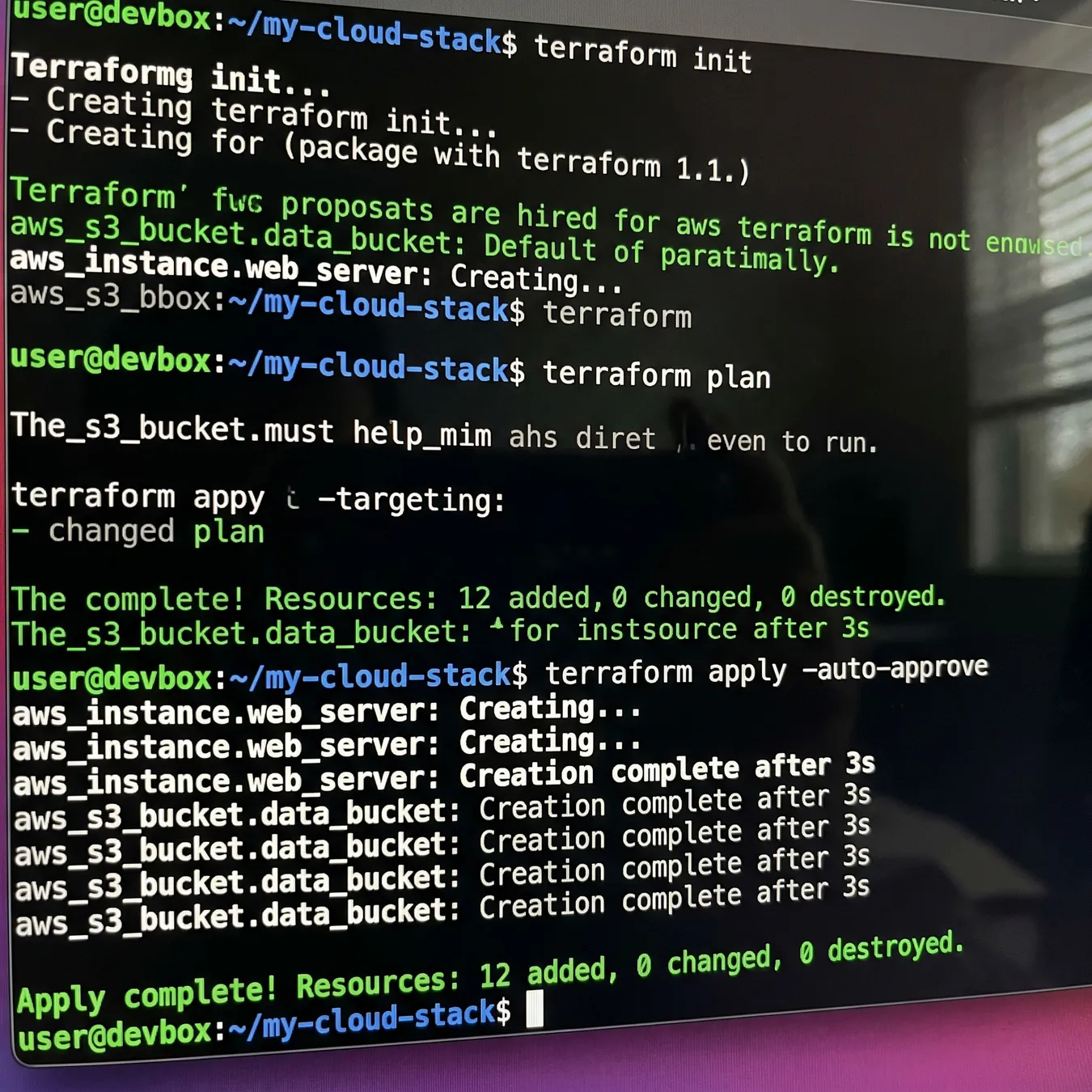
Automating infrastructure deployment with IaC.
Monitoring and Observability
You cannot scale what you cannot measure. Real-time monitoring provides the data needed to trigger auto-scaling events and alerts engineers to performance regressions before they impact users.
Set up centralized logging (ELK/Splunk)
Implement distributed tracing
Configure real-time error tracking
Define Service Level Objectives (SLOs)
The Human Element: Technical Leadership
Scaling a system often requires a dedicated software engineering architect to oversee the long-term technical roadmap and ensure that short-term features don't compromise the system's integrity.
Scalability is not a feature you add later; it is a mindset you adopt during the first line of code.
Engineering Lead · Studio 402
Common Scaling Pitfalls to Avoid
Many teams fall into the trap of 'over-engineering' too early. It is vital to balance the need for future scale with the reality of current user demand and development speed.
Trade-off
3 pros · 3 cons
Pros
Future-proof architecture
High reliability under load
Easier maintenance at scale
Cons
Higher initial development cost
Increased system complexity
Longer time to market
How Studio 402 Architects for Scale
At Studio 402, we don't just build prototypes; we build foundations. We bridge the gap between a founder's vision and the technical reality of high-traffic growth by applying production-grade engineering to every project.
Whether you are launching a new SaaS platform or rescuing a codebase that is buckling under pressure, our team ensures your software is ready for the next 10x growth spurt.
Trusted by growth-stage teams to handle millions of requests.
Studio 402 Engineering Standards 2026
Scaling Roadmap for Growing Teams
01 / 04
phase 01 / 04
Audit
phase 02 / 04
Stabilize
phase 03 / 04
Refactor
phase 04 / 04
Automate
Frequently Asked Questions
Ready to Scale Your Application?
Building for scale is a journey, not a destination. If your current system is hitting its limits, or if you're planning a new build that needs to survive real-world traffic, we can help.
Scale Your Product with Studio 402
Get a senior engineering partner to audit, architect, and build your high-traffic web application.
Keep reading