Multi-Tenant SaaS Architecture: Secure Cloud Isolation
Multi-tenancy is the architectural backbone of modern software-as-a-service. It allows a single instance of an application to serve multiple customers, or tenants, while maintaining strict data boundaries. For multi-tenant saas application developers, the primary challenge is balancing resource efficiency with absolute security.
- SaaS Architecture
- Cloud Security
- Data Isolation
- Scalability
When developing multi tenant applications for the cloud, you must decide how to partition resources. This decision impacts everything from database performance to regulatory compliance and operational overhead.
Core Models of Multi-Tenant Isolation
Choosing an isolation model is the first step in designing scalable systems that can handle growth without compromising tenant privacy. There are three primary patterns used by any experienced multi-tenant saas architecture development firm.
| Model | Isolation Level | Cost Efficiency | Complexity |
|---|---|---|---|
| Silo (Full Stack) | Highest | Low | High |
| Bridge (Shared App, Separate DB) | Medium | Medium | Medium |
| Pool (Shared Everything) | Lowest | Highest | Low |
The Silo Model: Maximum Isolation
In a silo model, each tenant gets their own dedicated infrastructure. This is often required for enterprise clients with strict compliance needs where data co-mingling is strictly prohibited.
- Eliminates 'noisy neighbor' performance issues
- Simplifies tenant-specific compliance audits
- Allows for custom versions per tenant
- Higher infrastructure costs per user
The Pool Model: Maximum Efficiency
The pool model shares all resources across tenants. Isolation is handled purely at the application logic and database query level. This is the standard for high-volume, lower-cost B2B SaaS products.
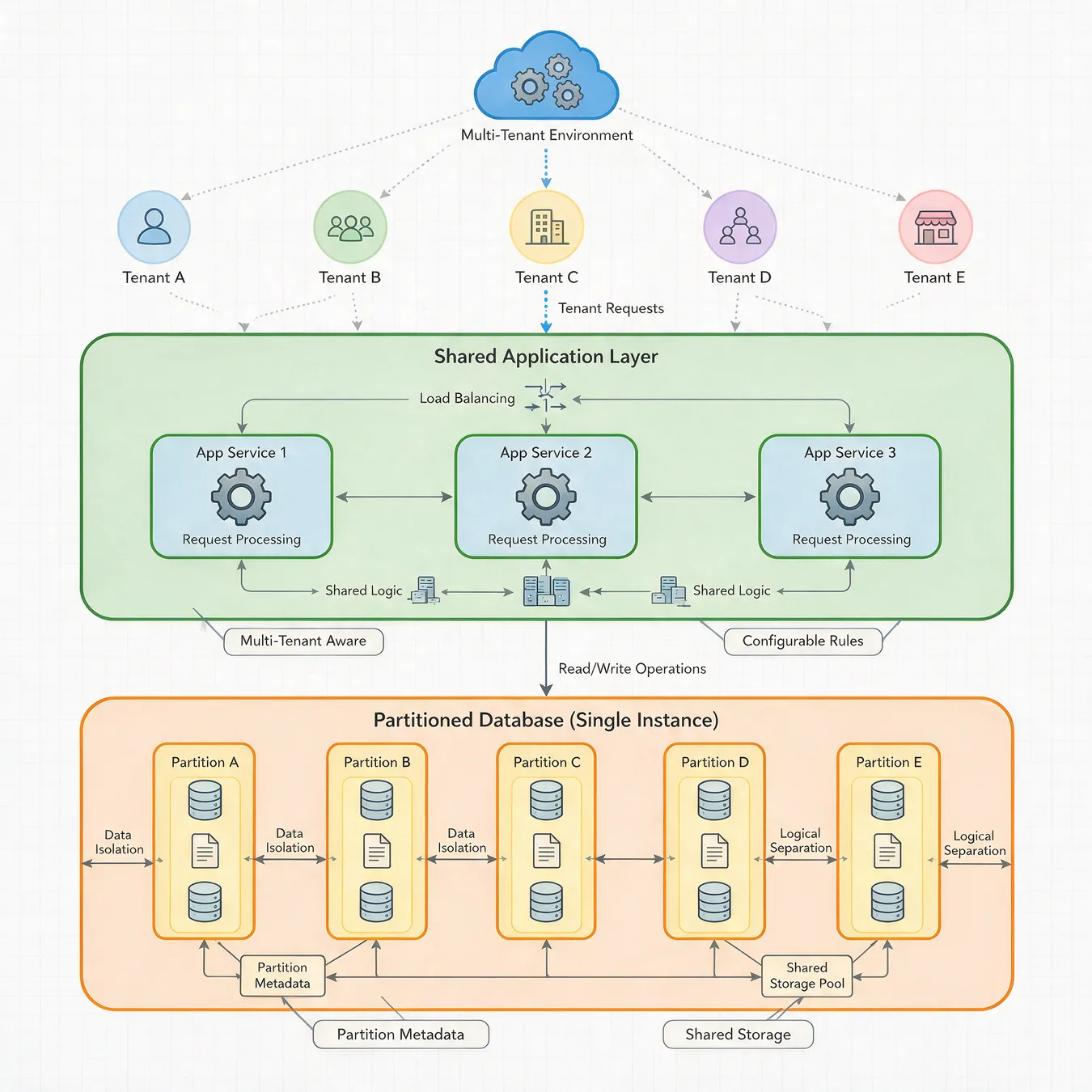
The Pool Model: Shared infrastructure with logical data partitioning.
Database Partitioning Strategies
How you store data is the most critical part of complex software architecture. Developers must choose between separate databases, separate schemas, or shared schemas with a Tenant ID column.
Tip.
// Architect's Tip
Security and Identity in Multi-Tenancy
Identity is the gatekeeper of multi-tenancy. Every request must be authenticated and authorized within the context of a specific tenant. This requires securing cloud infrastructure at the IAM and VPC levels.
Implement JWTs with tenant_id claims
Enforce Row-Level Security at the database layer
Use tenant-specific encryption keys for sensitive data
Audit all cross-tenant data access attempts
Operationalizing Multi-Tenant Deployments
Managing updates across hundreds of tenants requires a robust devops saas strategy. You cannot manually update databases or application servers; everything must be automated.
01 / 03
phase 01 / 03
Provisioning
phase 02 / 03
Migration
phase 03 / 03
Monitoring
Common Pitfalls in SaaS Isolation
Use automated tenant onboarding scripts
Implement global search across tenants carefully
Limit database connection pools per tenant
Hardcode tenant IDs in application logic
Allow one tenant to monopolize shared CPU/RAM
Store global and tenant data in the same table
Scalability and Performance Metrics
< 5%
Average Tenant Isolation Overhead
5,000+
Max Tenants per DB Instance
< 2 min
Onboarding Automation Speed
The Role of a SaaS Development Firm
Building these systems in-house is often a recipe for technical debt. A specialized multi-tenant saas architecture development firm brings the patterns and tooling required to ship safely and fast.

Expert engineering teams ensure your SaaS foundation is built for scale.
Frequently Asked Questions
Why Studio 402 for SaaS Architecture?
At Studio 402, we don't just build apps; we build production-ready infrastructure. Our approach to developing multi tenant applications for the cloud focuses on long-term maintainability and security.
Trade-off
3 pros · 3 cons
Pros
Rigorous logical partitioning
Fully automated CI/CD pipelines
Compliance-ready data handling
Cons
Fragile 'vibe-coded' isolation
Manual tenant provisioning
Security through obscurity
Our Multi-Tenant Build Process
- 01
Discovery and compliance requirement mapping
- 02
Database and isolation model selection
- 03
Identity provider and IAM configuration
- 04
Automated infrastructure provisioning setup
- 05
Application-layer tenant context implementation
Expert Insights on SaaS Growth
Multi-tenancy isn't a feature you add later; it's the foundation you build on. If your isolation fails, your customer trust disappears instantly.
Alex Rivera · Lead Architect at Studio 402
Case Study: Scaling to 10k Tenants
We recently helped a fintech startup move from a monolithic single-tenant setup to a fully automated multi-tenant cloud architecture, reducing their infrastructure costs by 60% while improving security.
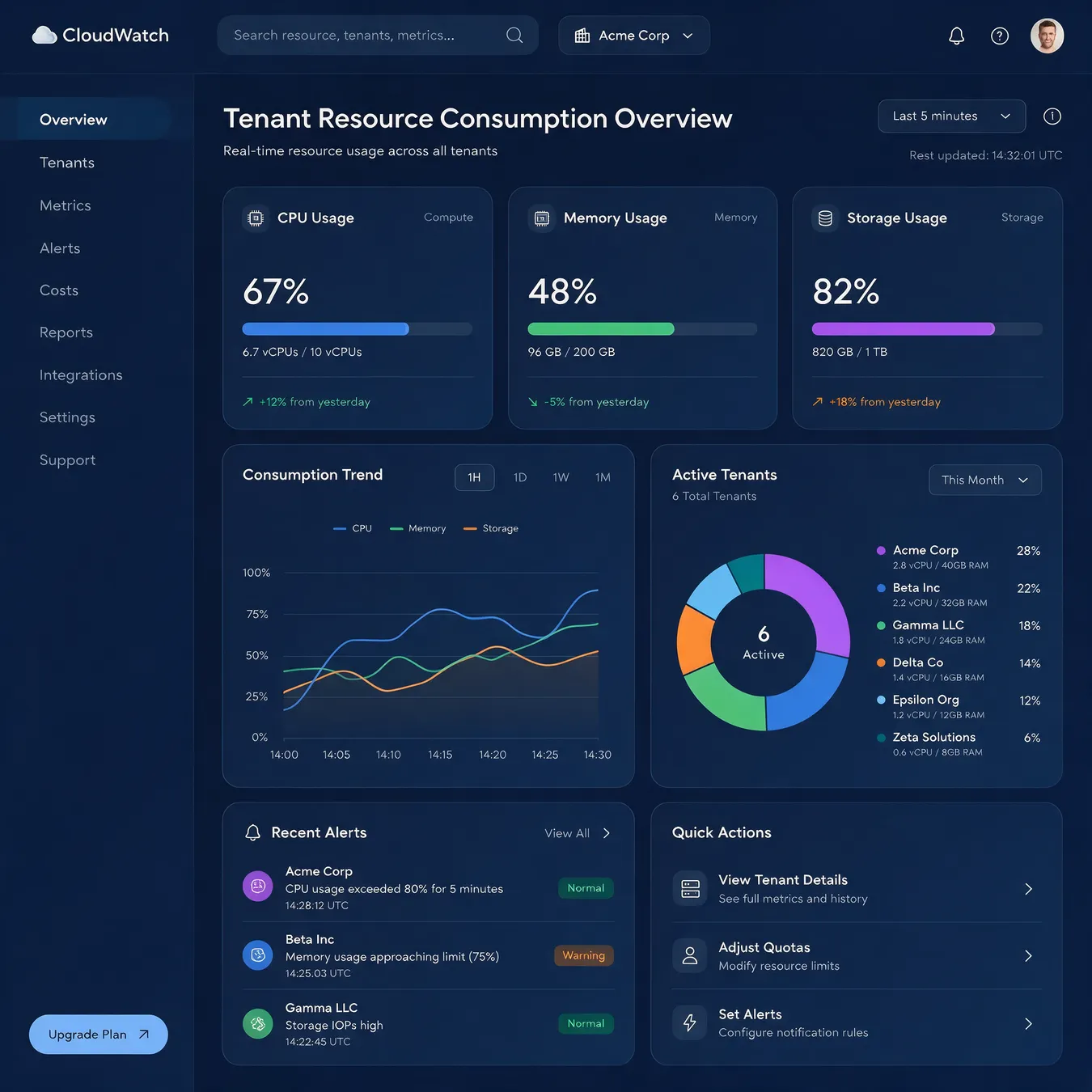
Real-time monitoring of tenant health.
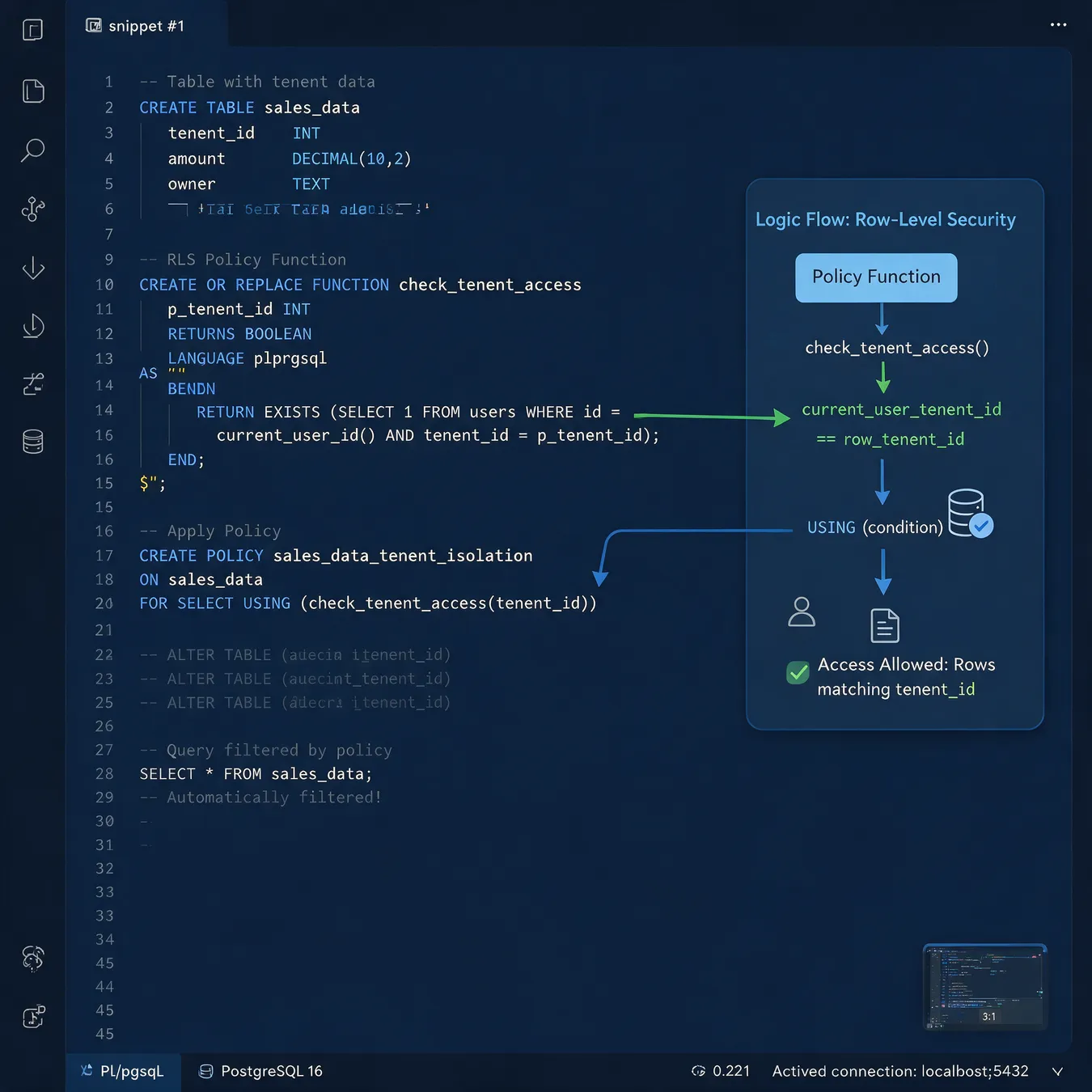
Hardened database security policies.
Ready to Build Your SaaS Foundation?
Whether you are starting from zero or need to rescue a prototype that won't scale, our team of multi-tenant saas application developers is ready to help you ship a secure, production-grade platform.
Trusted by 50+ scaling startups and enterprise teams.
Updated for July 2026
Build a Scale-Ready SaaS Platform
Get a technical audit or start your multi-tenant SaaS build with a senior engineering partner.
Explore Further
Related Resources
For more information on high-level system design, visit our hub for software engineering architecture.
Keep reading
More in Custom Software & SaaS Development
Technical Requirements Checklist
Define data retention policies per tenant
Configure per-tenant backup and recovery
Establish tenant-aware logging and tracing
Implement rate limiting per tenant ID
Validate cross-tenant isolation in CI/CD
Infrastructure as Code for SaaS
Modern SaaS platforms rely on Infrastructure as Code (IaC) to manage tenant environments. This ensures that every tenant environment is identical, reducing the risk of configuration drift and security vulnerabilities.
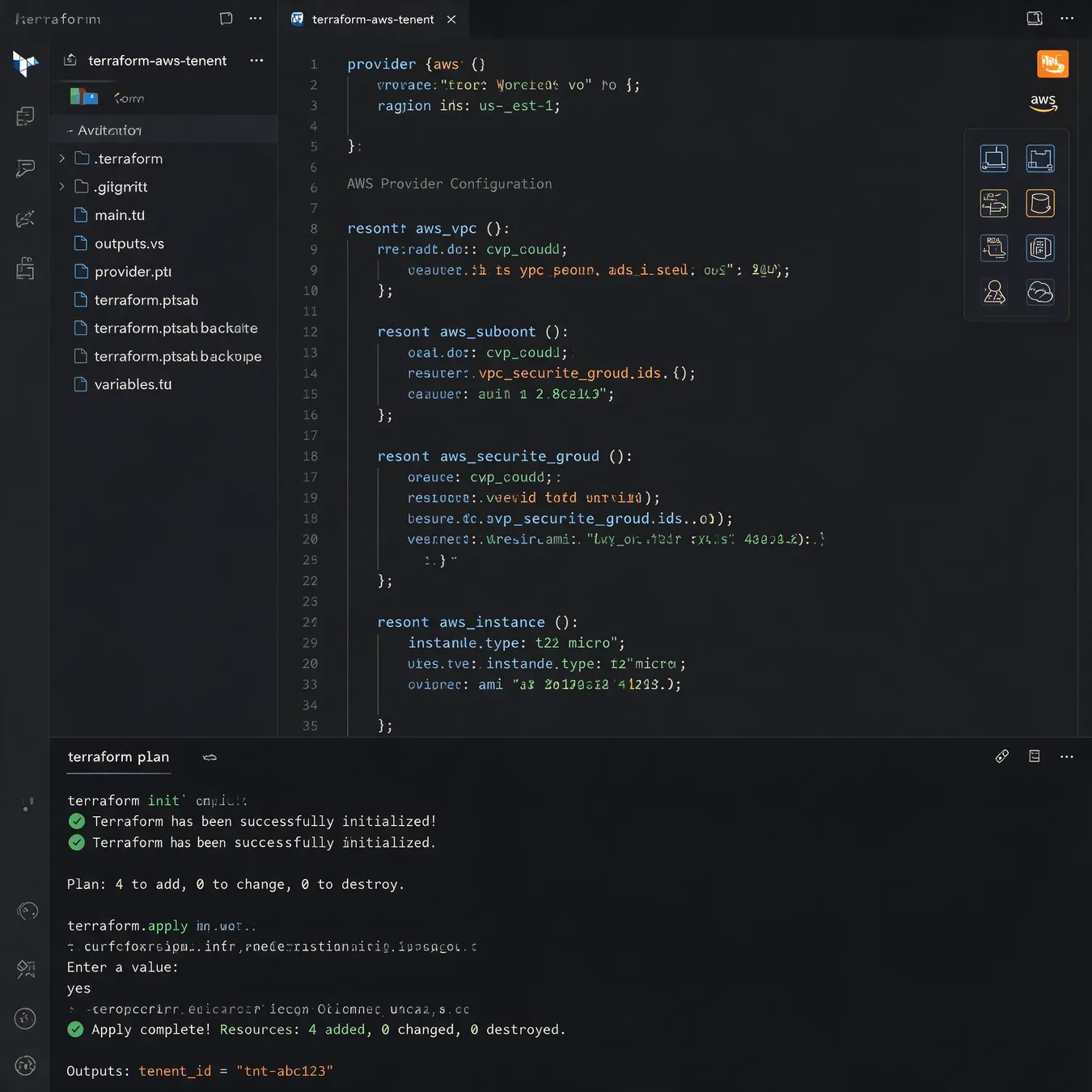
Automated tenant environment deployment via IaC.
Final Thoughts on Multi-Tenancy
The journey from a single-tenant application to a robust multi-tenant cloud platform is complex but necessary for scale. By focusing on isolation, security, and automation, you create a foundation that can support thousands of customers efficiently.
Studio 402 transformed our brittle prototype into a multi-tenant powerhouse. We can now onboard new enterprise clients in minutes instead of days.