
How to Build a Production-Ready SaaS Product
SaaS product development is more than just writing code; it is about building a durable system that survives real-world use. Founders often start with a prototype, but moving to a production-ready application requires a shift toward multi-tenancy and security.
90%
of SaaS failures stem from scaling issues
2026
Modern standards for cloud-native SaaS
10x
Lower cost to fix bugs in design vs production
Defining Your SaaS Product Strategy
Before developing a saas application, you must define the core problem you are solving. This clarity prevents scope creep and ensures your engineering efforts align with market demand.
- Identify the primary user persona
- Map out the critical path to value
- Define the billing and subscription model early
- Establish data residency and compliance requirements
The Architecture of a Scalable SaaS Product
Building a saas product requires a foundation that supports multiple customers on shared infrastructure. You must implement a scalable saas architecture to ensure that one tenant's heavy usage doesn't degrade performance for others.
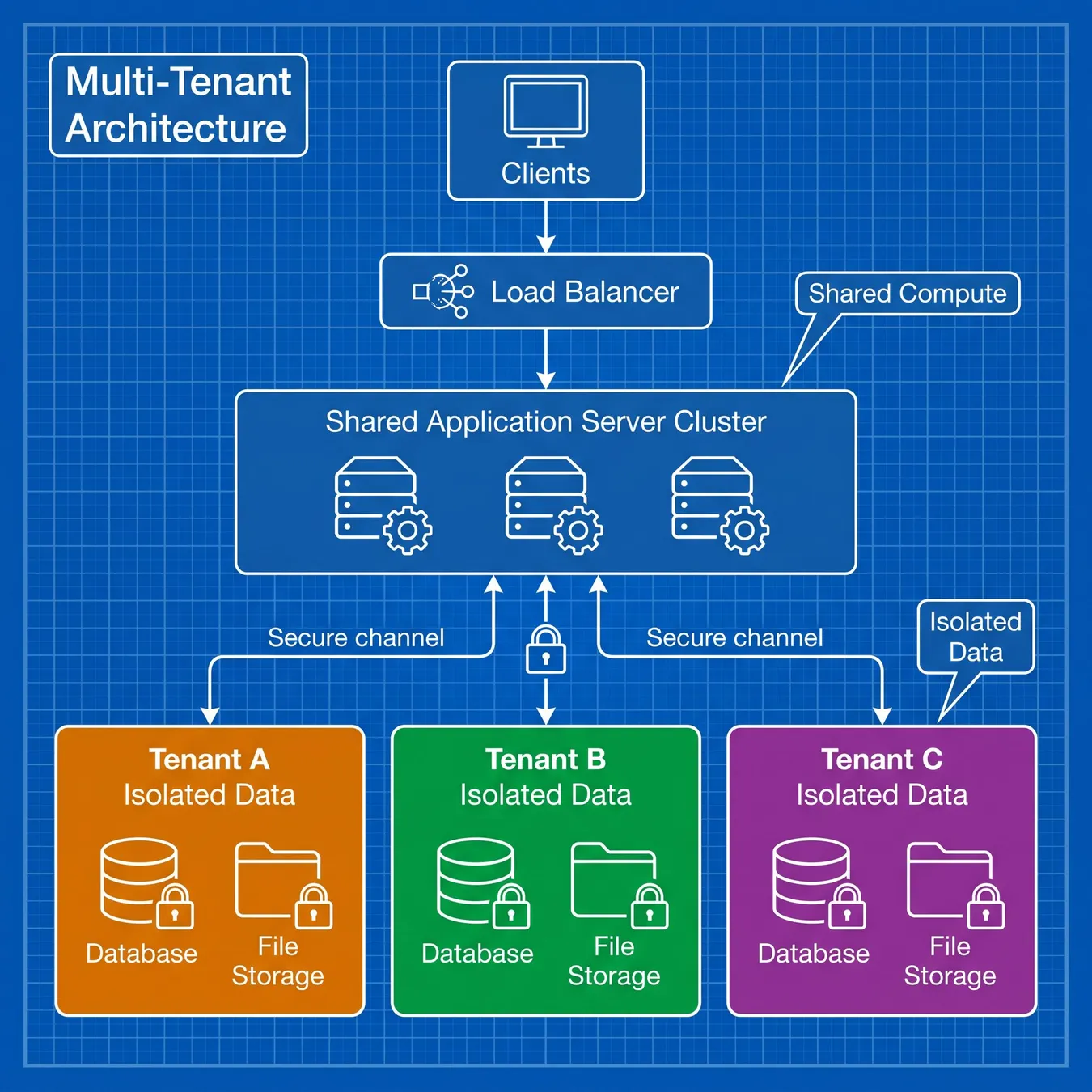
Visualizing multi-tenant isolation for secure SaaS scaling.
Step-by-Step: How to Develop SaaS Application
- 01
Requirement Gathering and Market Validation
- 02
Technical Architecture and Database Schema Design
- 03
UI/UX Prototyping and User Flow Mapping
- 04
Core Backend Development and API Integration
- 05
Frontend Implementation and State Management
- 06
Security Hardening and Penetration Testing
- 07
Deployment and Infrastructure Monitoring
Choosing the Right Technology Stack
Your stack determines your hiring ease and long-term maintenance costs. Most modern SaaS products leverage cloud-native tools to handle auto-scaling and managed services.
| Layer | Recommended Tech | Why it Works |
|---|---|---|
| Frontend | React / Next.js | Fast rendering and SEO-friendly |
| Backend | Node.js / Go | High concurrency for multi-tenancy |
| Database | PostgreSQL | Robust relational data and JSON support |
| Auth | Clerk / Auth0 | Secure, managed tenant isolation |
The Role of Documentation in SaaS Success
Engineering discipline starts with a software engineering design document. This ensures that every developer on the team understands the 'why' behind architectural decisions.
Tip.
// Pro Tip
Security Hardening for Production Readiness
Security is not a feature; it is a prerequisite. When building a saas product from scratch, you must consider data encryption at rest and in transit from day one.
Implement Role-Based Access Control (RBAC)
Enable Multi-Factor Authentication (MFA)
Sanitize all user inputs to prevent SQL injection
Set up automated vulnerability scanning
Balancing Speed and Quality with Agile
Founders often struggle with the 'build fast' vs 'build right' dilemma. We recommend an agile development mvp approach that prioritizes core functionality without sacrificing system integrity.
Common Pitfalls in SaaS Development
Use managed services for databases
Automate your CI/CD pipeline
Monitor performance metrics early
Build your own authentication system
Hardcode tenant-specific logic
Ignore technical debt for too long
Scaling Your Engineering Team
As your product grows, you will eventually need to hire a software development team. Finding a partner who understands both product strategy and deep engineering is critical for long-term survival.
Multi-Tenancy Models Compared
Trade-off
3 pros · 3 cons
Pros
Shared database is cost-effective
Easier to maintain and update
Faster deployment cycles
Cons
Higher risk of data leakage
Difficult to scale individual tenants
Complex query logic required
The Importance of Observability
You cannot fix what you cannot see. Production-ready SaaS requires logging, monitoring, and alerting to catch issues before your customers do.
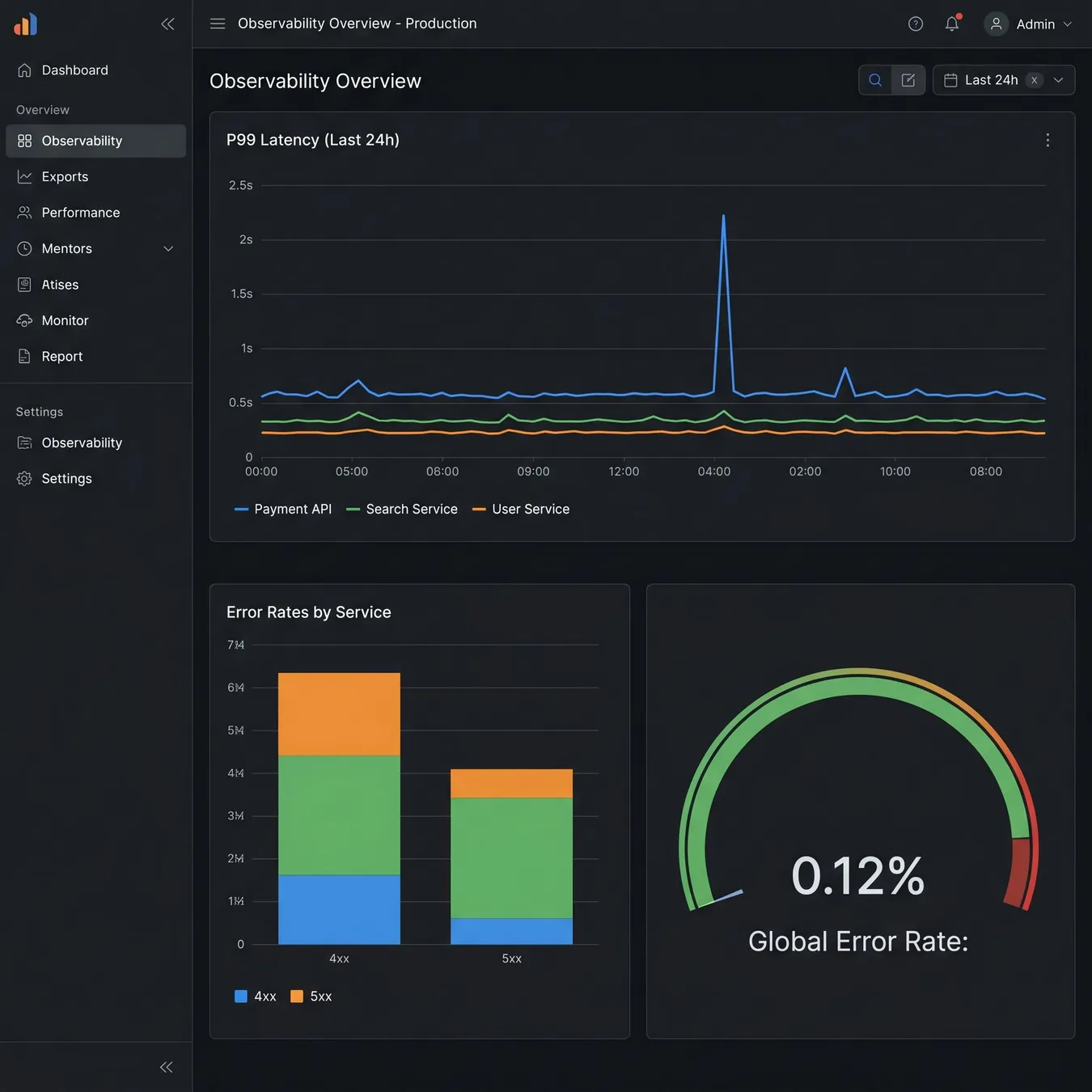
Real-time monitoring for production SaaS.
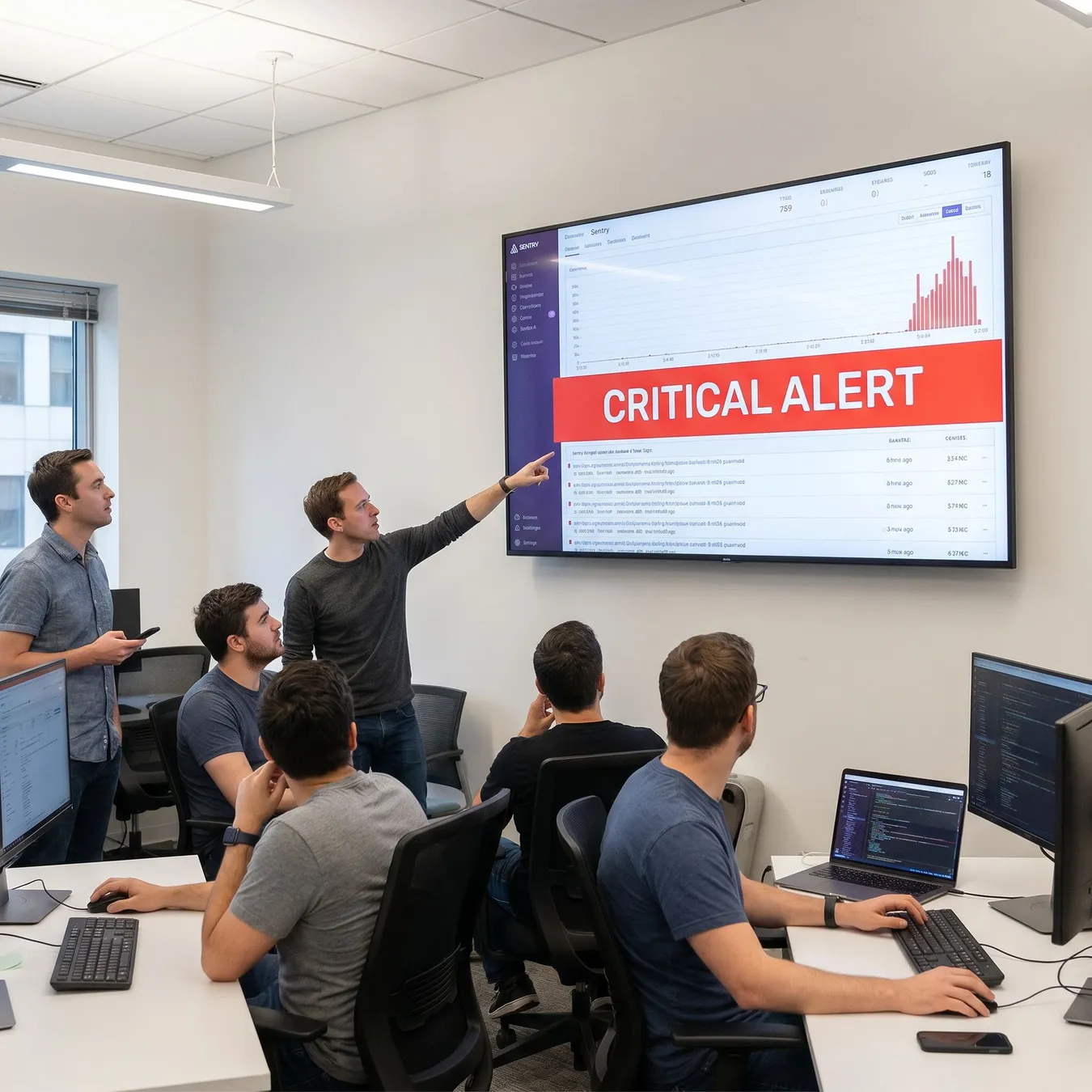
Proactive alerting prevents downtime.
Infrastructure and Deployment
Your deployment strategy should be invisible to the user. Zero-downtime deployments and blue-green environments are standard for any serious SaaS based product development company.
SaaS Development Lifecycle
01 / 04
phase 01 / 04
Discovery
phase 02 / 04
Alpha Build
phase 03 / 04
Beta Launch
phase 04 / 04
Production
Future-Proofing Your SaaS
Technology moves fast. Building for 2026 means considering how AI and automation will integrate into your core workflows.
Frequently Asked Questions
Bridging the Gap to Production
If you are planning to build a SaaS product, Studio 402 can help by providing the architectural depth and engineering craft required to ship software that scales. We don't just build prototypes; we build foundations.
The difference between a demo and a product is how it handles the things the user never sees: security, scale, and failure.
Studio 402 Engineering Team
Next Steps for Your SaaS Journey
Ready to move from a vision to a production-grade application? Explore our related resources or start a conversation with our team.
Summary of SaaS Development Principles
- Prioritize tenant isolation and security
- Invest in automated testing and CI/CD
- Keep your architecture modular for future growth
- Focus on solving the user's problem first
Ready to Build for Real-World Scale?
Let’s build a SaaS product that is actually ready for production. Reach out to discuss your architecture and roadmap.
Explore More Resources
Keep reading
More in Custom Software & SaaS Development
Trusted by venture-backed startups and growth-stage operators.
Studio 402: Production-grade engineering.
For more information on the specific tools we recommend, check out our guide on the best tools for saas platform development.
- SaaS
- Engineering
- Startup Guide
- Production-Ready
Building a SaaS is a marathon, not a sprint. Ensuring your technical foundation is solid from the start is the best way to ensure you reach the finish line.