
Essential SaaS Development Tools for Scalable Apps in 2026
Building a modern SaaS product requires more than just code; it requires a robust ecosystem of saas application development tools that handle multi-tenancy, security, and global scale from day one.
85%
SaaS market growth by 2026
10x
Scale factor for modern infra
40%
Dev time saved with AI tools
Core Frameworks for SaaS Platform Development
The best tools for saas platform development in 2026 prioritize developer velocity and built-in security features. Choosing the right foundation is critical for long-term maintenance.
- Next.js 16 for unified frontend and serverless backend logic
- Rust-based tooling for high-performance data processing
- TypeScript for type-safe, enterprise-grade codebases
- Go for high-concurrency microservices
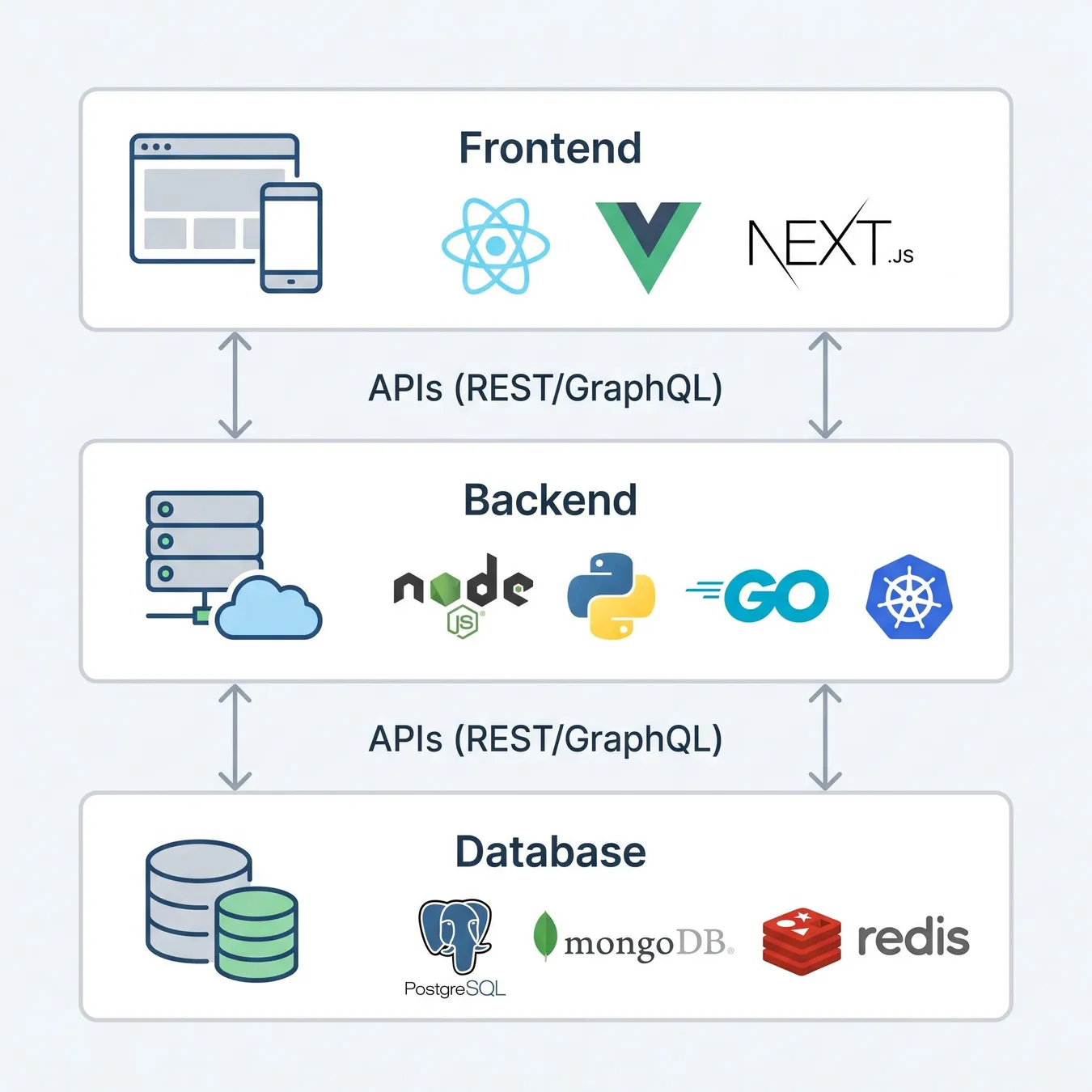
The modern SaaS architecture stack for 2026.
Database and Data Management Solutions
Scalable app creation depends on databases that support multi-tenant isolation. Modern developers are moving toward serverless and edge-ready data layers.
| Database Type | Best For | Scalability |
|---|---|---|
| PostgreSQL | Relational data & ACID | High (with Citus) |
| PlanetScale | MySQL at massive scale | Infinite |
| Pinecone | Vector search & AI | Elastic |
Authentication and Identity Management
Security is non-negotiable. Using essential saas development tools for scalable app creation means offloading identity to specialized providers.
Warning.
// Security First
AI-Native Development Tools
In 2026, the best developer platforms for building saas products 2025 and beyond integrate deeply with ai tools for saas development to automate testing and code generation.
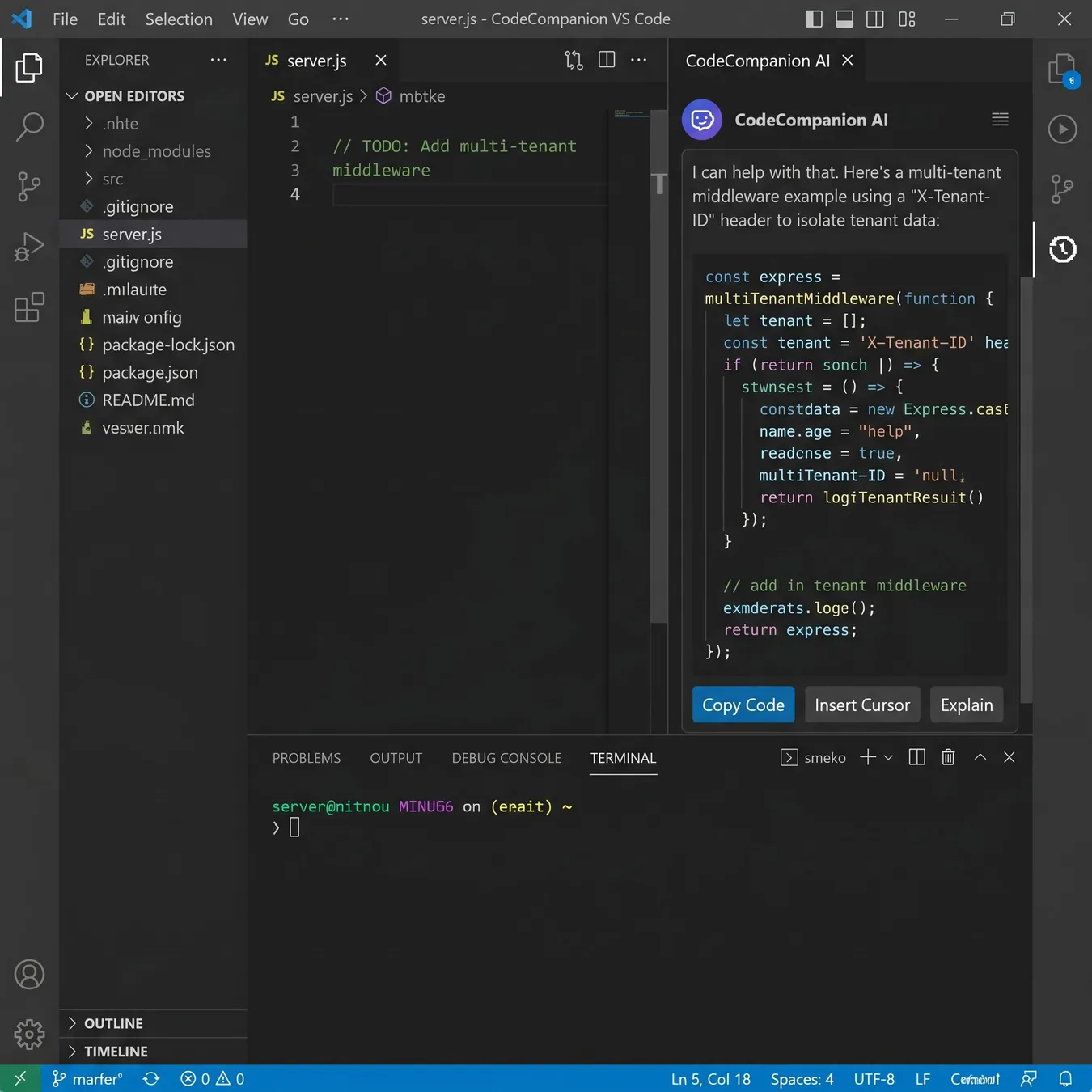
AI-assisted coding speeds up SaaS boilerplate.
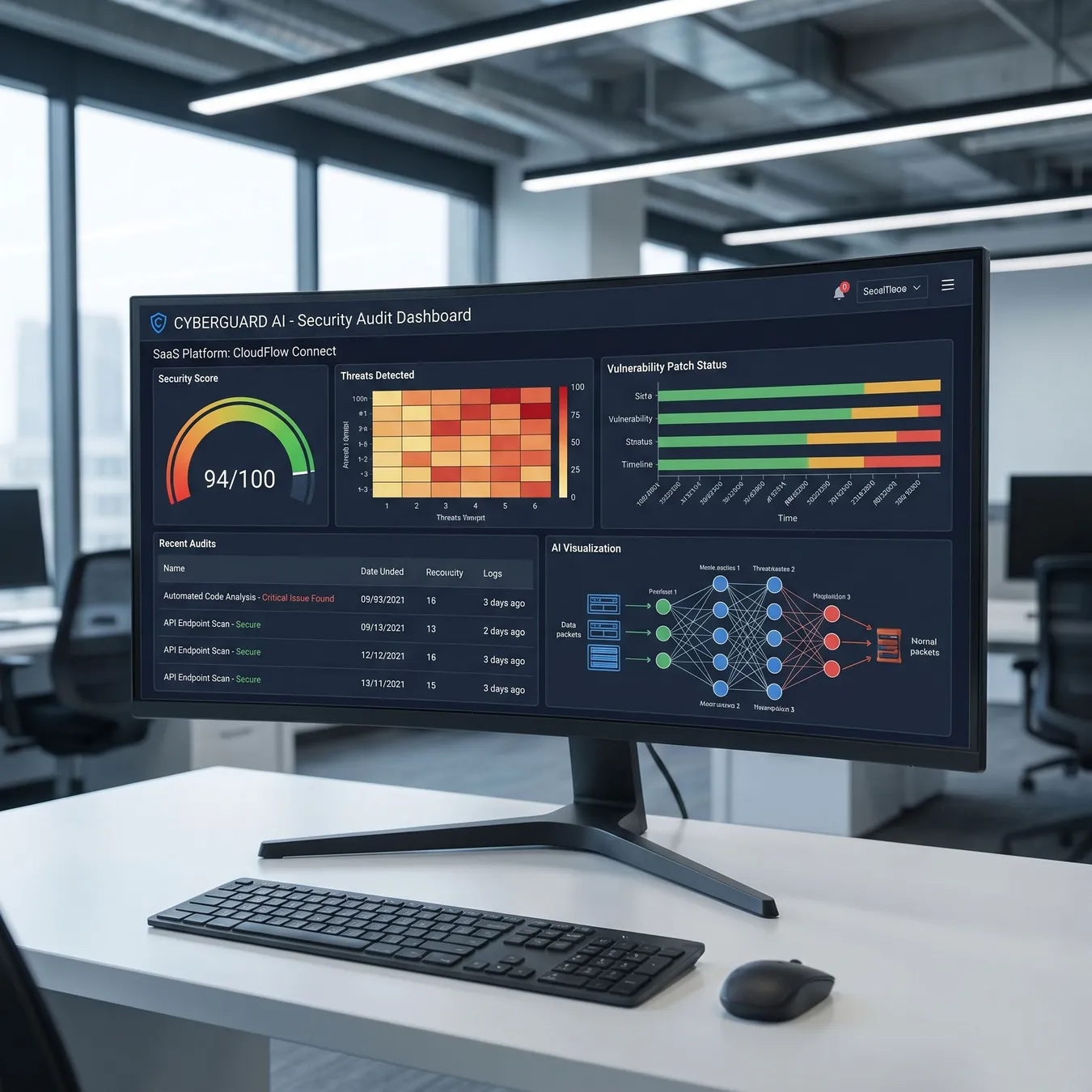
Automated security hardening.
Infrastructure and Deployment Platforms
Deploying your application requires a robust devops saas strategy to ensure high availability and automated scaling.
- Vercel for frontend and edge functions
- AWS Lambda for event-driven backend tasks
- Kubernetes for complex container orchestration
- Terraform for infrastructure as code
Monitoring and Observability
You cannot scale what you cannot measure. Modern SaaS tools provide deep visibility into user behavior and system performance.
- Real-time
- Error Tracking
- Log Management
- APM
Project Management for Engineering Velocity
To maintain speed, teams must use agile software development tools that bridge the gap between product requirements and engineering tasks.
Payment and Subscription Infrastructure
Monetization is the core of SaaS. Tools like Stripe and Paddle have become industry standards for handling global tax, compliance, and recurring billing.
Use hosted billing portals to save dev time
Implement webhooks for real-time sync
Support multiple currencies from day one
Build your own subscription logic
Store credit card data on your servers
Ignore regional tax compliance
API Design and Documentation
A successful SaaS is often an API-first product. Tools that automate documentation ensure that your customers can integrate with your platform easily.
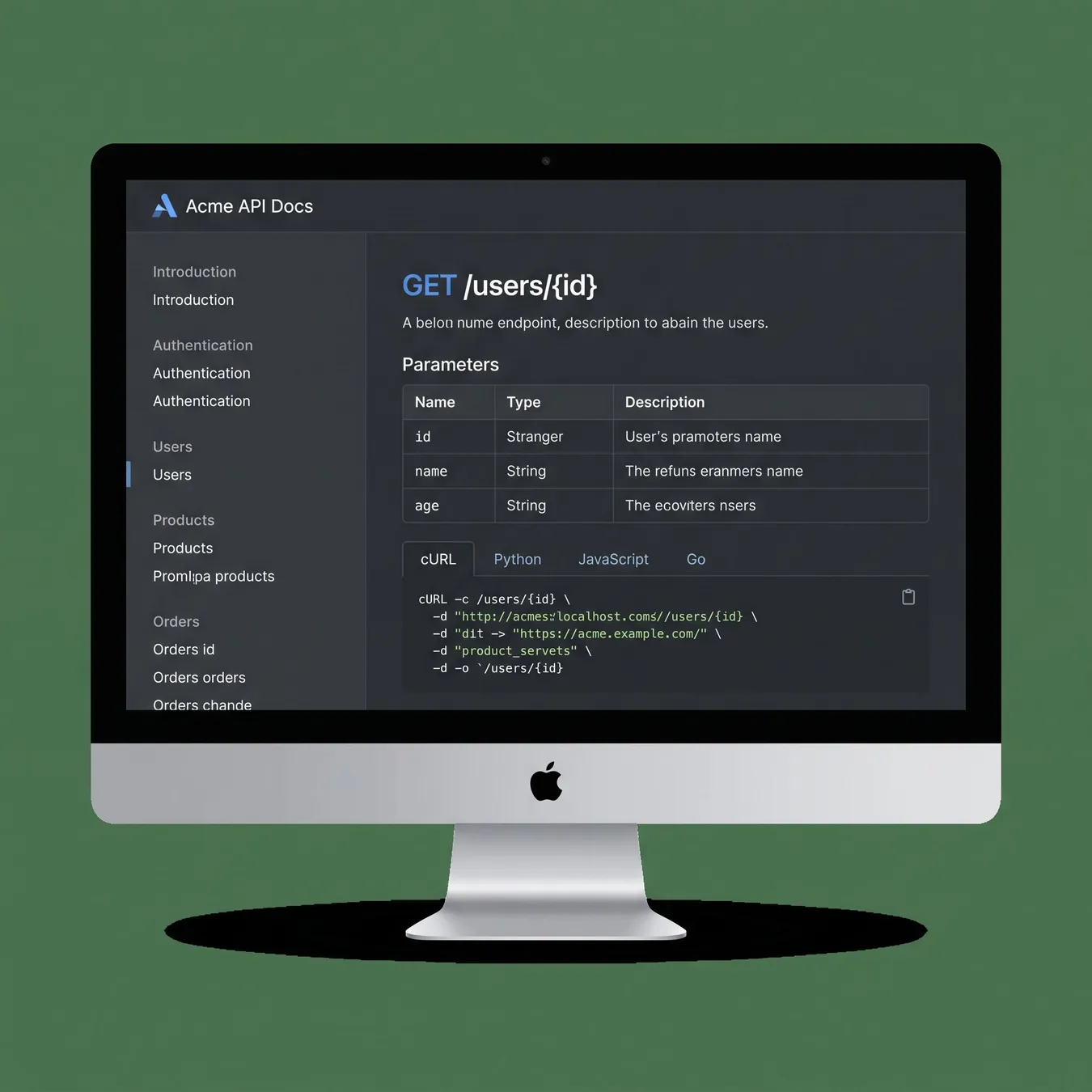
Self-serve API documentation is a SaaS essential.
Testing and Quality Assurance
Automated testing is the only way to ensure stability during rapid iteration. End-to-end testing tools have become significantly more reliable in 2026.
Unit tests for core business logic
Integration tests for API endpoints
E2E tests for critical user paths
Security vulnerability scanning
Customer Communication and Support
Integrating support tools directly into your app helps reduce churn. In-app chat and automated help centers are now standard features.
The Path to Production-Ready SaaS
Selecting the right tools is only the beginning. Professional saas application development involves weaving these tools into a cohesive, secure, and scalable system.
Common Pitfalls in Tool Selection
Many teams fall into the trap of 'over-engineering' early on, choosing complex tools that slow down their initial launch.
Trade-off
3 pros · 3 cons
Pros
Faster time to market
Lower initial costs
Easier to pivot
Cons
Potential technical debt
Scaling bottlenecks later
Limited customization
Future-Proofing Your SaaS Stack
As we look toward the end of 2026, the focus is shifting toward 'composable' SaaS architectures where tools can be swapped out as the business evolves.
SaaS Development FAQ
Bridging the Gap Between Tools and Execution
While these tools provide the foundation, building a production-grade platform requires senior engineering expertise. If you are moving from a prototype to a scalable product, Studio 402 can help.
The difference between a demo and a production system is the depth of the underlying infrastructure and the reliability of the toolchain.
Studio 402 Engineering Team
How Studio 402 Scales Your SaaS
01 / 03
phase 01 / 03
Audit & Stack Review
phase 02 / 03
Infrastructure Hardening
phase 03 / 03
Feature Acceleration
Ready to Build for Real-World Scale?
Don't let a fragile stack hold back your growth. Whether you are building from zero or rescuing a prototype, we provide the engineering depth to ship with confidence.
Build Your Scalable SaaS Platform
Partner with Studio 402 to turn your vision into a production-ready application that survives real user load.
Explore More SaaS Resources
Keep reading