
Resolving Engineering Bottlenecks with Linear
Engineering velocity is often throttled not by talent, but by the friction inherent in outdated project management systems. Identifying linear project management software engineering bottlenecks is the first step toward building a high-performance delivery culture.
40%
Time lost to context switching
2.5x
Velocity increase with streamlined tools
15 min
Average daily planning overhead
Common Friction Points in Software Delivery
Bottlenecks typically manifest as invisible queues where work sits idle. Without a modern system like Linear, these delays are often masked by manual status updates and fragmented communication across Slack and Jira.
- Information silos between product and engineering
- Over-complicated issue tracking workflows
- Lack of real-time visibility into cycle times
- Manual handoffs that delay code reviews
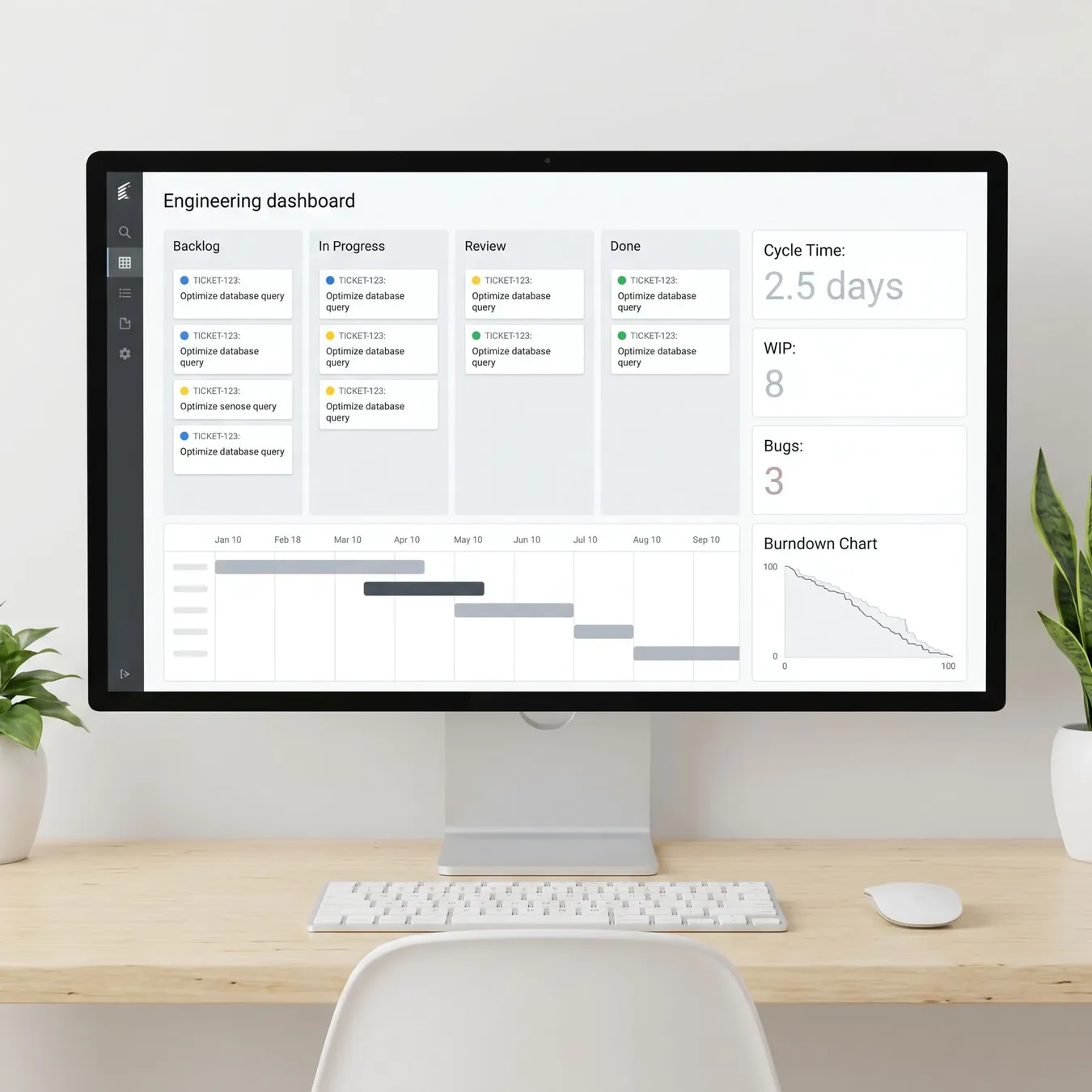
Modern project management tools prioritize clarity and speed over complex configuration.
How Linear Solves the Bottleneck Problem
Linear is built specifically for high-performance software teams. It eliminates the 'clutter' of legacy enterprise tools, focusing instead on keyboard-first navigation and automated workflows that keep engineers in flow state.
Automated Issue Life Cycles
By automating the transition of issues from 'In Progress' to 'Done' via GitHub or GitLab integrations, Linear reduces the administrative burden on developers. This directly impacts lead time in software development by ensuring the board reflects reality.
Tip.
// Flow State Preservation
Measuring Success with Velocity Metrics
You cannot fix what you cannot measure. Modern project management systems provide built-in analytics that highlight where work is stalling, whether in code review or QA.
| Metric | Legacy Impact | Modern Impact |
|---|---|---|
| Cycle Time | Manual tracking, often inaccurate | Automated, real-time visibility |
| Planning Time | Hours of meetings per week | Asynchronous, continuous grooming |
| Developer Joy | High frustration with 'tooling tax' | High adoption and tool satisfaction |
Optimizing the Handoff Process
The most common bottleneck occurs during the software engineering workflow when requirements are passed from product to engineering. Linear’s 'Cycles' and 'Projects' features help bridge this gap.
- 01
Define clear project milestones in Linear
- 02
Link technical specs directly to parent issues
- 03
Use automated sync to update stakeholders
- 04
Review cycle analytics to identify recurring delays
Comparing Modern Agile Toolsets
While Linear is a leader in the space, it is important to evaluate it against other agile software development tools to find the right fit for your team's specific scale and complexity.
Trade-off
3 pros · 3 cons
Pros
Exceptional speed and UI responsiveness
Opinionated workflows that prevent sprawl
Deep Git-provider integrations
Cons
Less flexible than Jira for non-dev teams
Limited native reporting for enterprise
Higher learning curve for complex hierarchies
Diagnostic Steps for Engineering Leaders
Before switching tools, leaders must apply process optimization techniques to ensure they aren't just digitizing a broken process.
Audit current issue-to-deployment lead time
Identify the 'waiting' state in your workflow
Survey developers on tool satisfaction
Simplify status categories to 4-5 stages
Visualizing the Pipeline
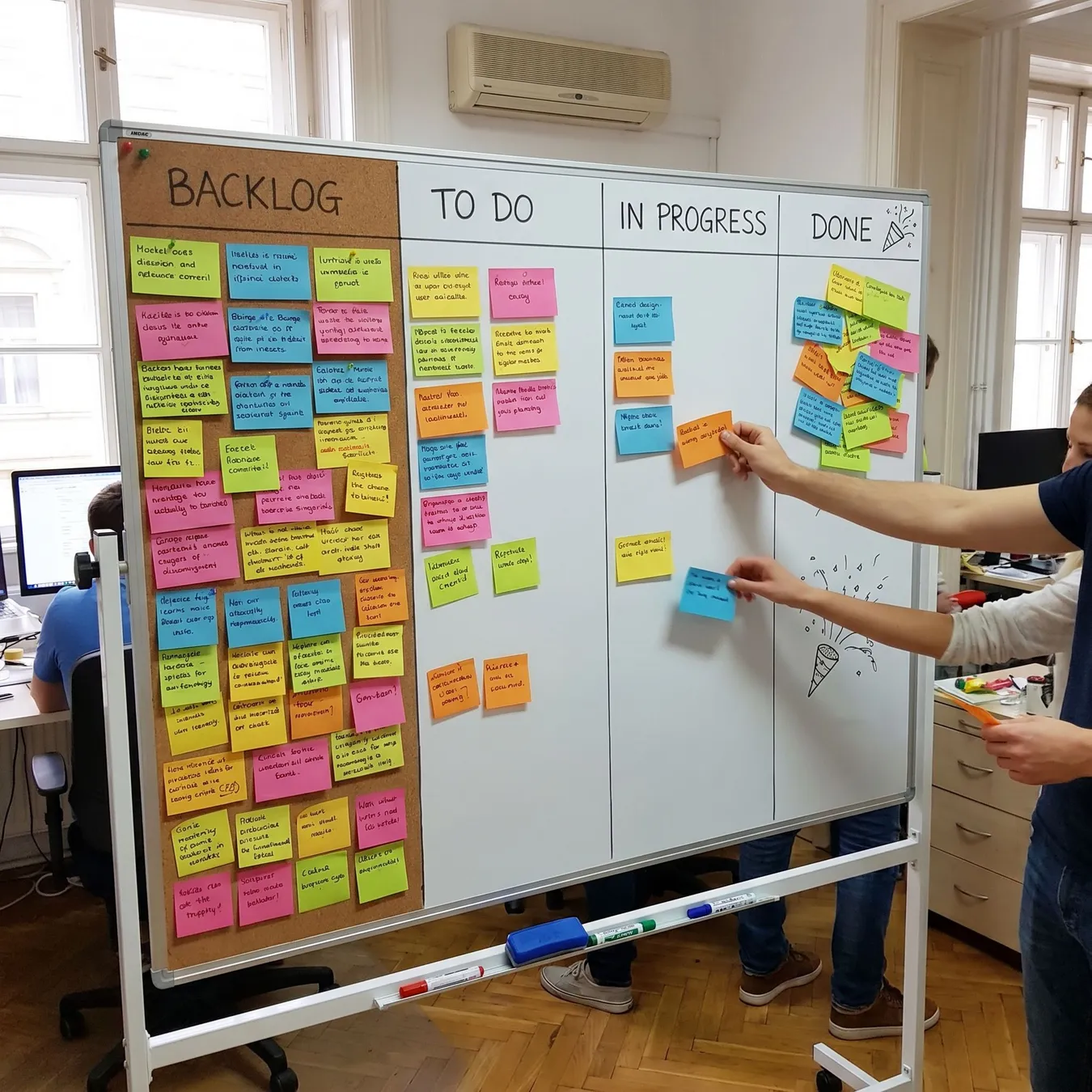
Visual flow helps identify where work piles up.
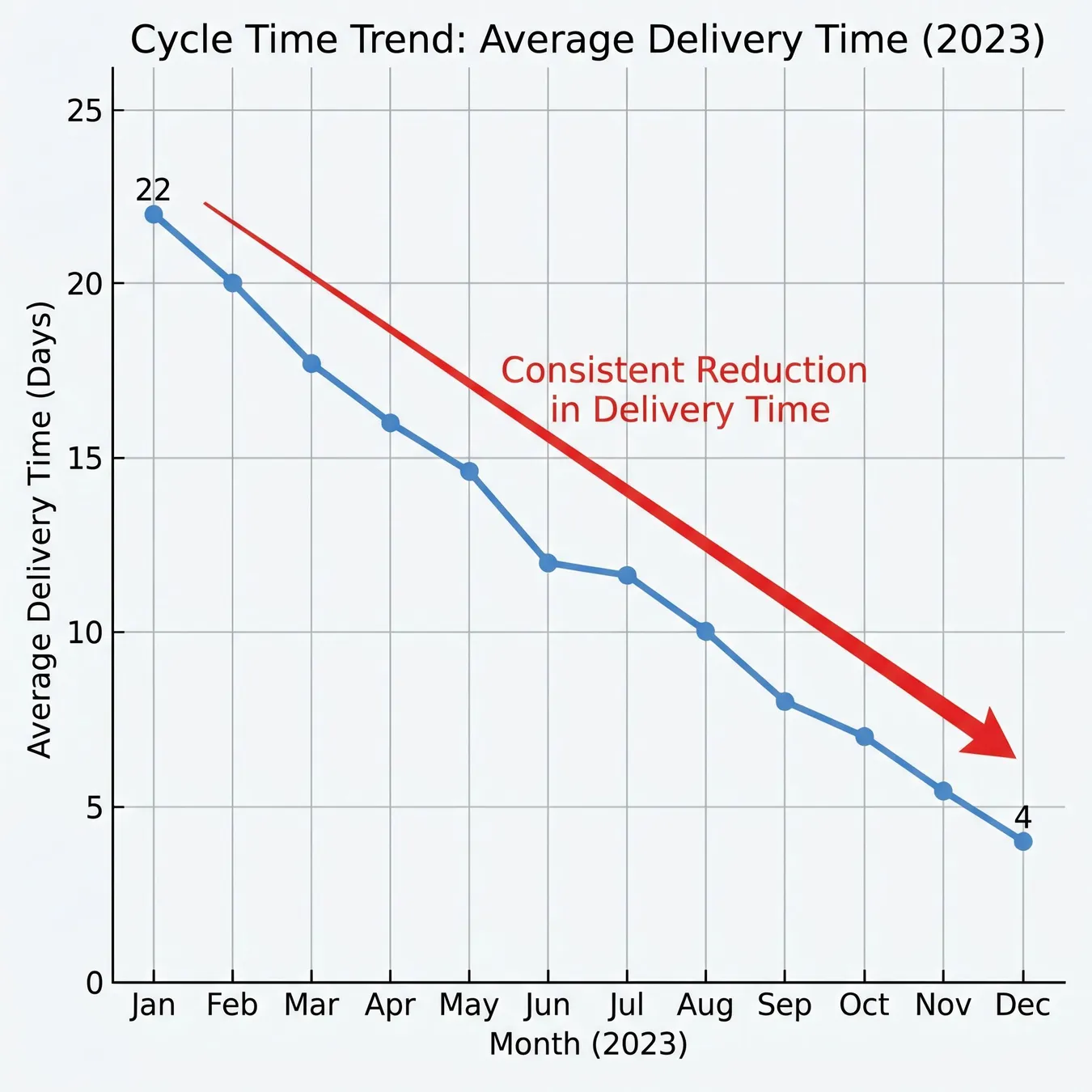
Data-driven insights prove process improvements.
Case Study: Scaling with Linear
Switching to Linear felt like removing a weighted vest from our engineering team. We stopped talking about the tool and started talking about the product.
Alex Rivera · VP of Engineering
For teams scaling from 10 to 50 engineers, the coordination tax can become lethal. Linear provides the guardrails necessary to maintain speed without sacrificing architectural integrity.
Common Implementation Pitfalls
Keep issue titles action-oriented
Automate status updates via PRs
Use Triage for incoming requests
Create hundreds of custom labels
Force non-technical teams into the tool
Ignore cycle time outliers
Frequently Asked Questions
Bridging to Production-Grade Systems
At Studio 402, we don't just build software; we build the systems that build software. We recognize that even the best tools like Linear require a foundation of sound engineering leadership and clear operational strategy.
If your team is struggling with shipping speed or if your current project management setup feels like a bottleneck, we can help audit your workflow and implement a durable execution engine.
Our Approach to Engineering Operations
01 / 03
phase 01 / 03
Audit
phase 02 / 03
Architect
phase 03 / 03
Execute
Whether you are rescuing a prototype or scaling a SaaS platform, the right management infrastructure ensures your engineering talent is focused on creating value, not managing tickets.
Trusted by venture-backed startups to ship production-ready code.
From MVP to Series B execution.
Next Steps for Your Engineering Team
Ready to eliminate engineering friction?
Let's discuss how to optimize your delivery pipeline and build software that scales.
Explore More Resources
Keep reading
More in Product Management & Operations
Modern engineering requires a blend of the right tools and the right culture. By focusing on bottleneck resolution, you unlock the true potential of your technical team.
Studio 402 remains committed to helping founders and operators navigate the complexities of custom software development through senior-level partnership.
For more insights on scaling your technical organization, browse our full library of product management and engineering leadership guides.
Our goal is to ensure that your software is not just a demo, but a durable asset that grows with your business.
Contact us today at studio@402.studio to learn more about our product engineering and rescue services.
We specialize in turning operational drag into engineering leverage through custom software and AI-native systems.
Thank you for reading our guide on resolving engineering bottlenecks with Linear.
Stay tuned for more updates on modern project management and high-velocity shipping.
Final thoughts: the best tool is the one that gets out of the way of the code.