
Integrating App Analytics Platforms for Product Success
Modern product management relies on moving beyond intuition to evidence-based decision making. By effectively integrating app analytics platforms, teams can transform raw user interactions into a strategic roadmap that drives measurable growth.
- Product Strategy
- Data Integration
- User Growth
- Technical Guide
To achieve data driven product management software outcomes, you must first establish a foundation of clean, reliable data. This requires a deep understanding of how application analytics tools capture events across different user touchpoints.
The Role of App Analytics Tools in Modern Product Management
The primary goal of apps analytics is to provide visibility into the user journey. Without these insights, product leaders are essentially flying blind, making guesses about which features provide value and which create friction.
- Identify high-friction points in the onboarding funnel
- Measure feature adoption and retention rates
- Segment users by behavior to personalize experiences
- Validate product hypotheses with real-world usage data
Essential Analytics Tools for Product Managers
Selecting the right analytics tools for product managers depends on your specific stage of growth and the complexity of your software product life cycle management process.
| Tool Category | Primary Use Case | Key Benefit |
|---|---|---|
| Event Tracking | Granular user actions | Precision behavior data |
| Session Replay | Visualizing user friction | Contextual bug discovery |
| Product Intelligence | Cohort and funnel analysis | Retention insights |
| Heatmaps | UI/UX interaction patterns | Optimized layouts |
Key Steps for Successful Analytics Integration
Integration is not a one-time setup; it is a continuous alignment between product management and development to ensure that tracking remains accurate as the product evolves.
01 / 04
phase 01 / 04
Define Tracking Plan
phase 02 / 04
Select the Stack
phase 03 / 04
Implementation
phase 04 / 04
Validation
Common Pitfalls in Application Analytics Tools Deployment
Start with a small set of high-impact events
Maintain a centralized data dictionary
Audit data quality at least once per quarter
Track every single click without a clear goal
Ignore privacy regulations like GDPR and CCPA
Let tracking debt accumulate during rapid shipping
Integrating with Agile Software Development Tools
To close the feedback loop, your data must be accessible where decisions are made. Integrating analytics with agile software development tools allows teams to link user behavior directly to sprint tasks.
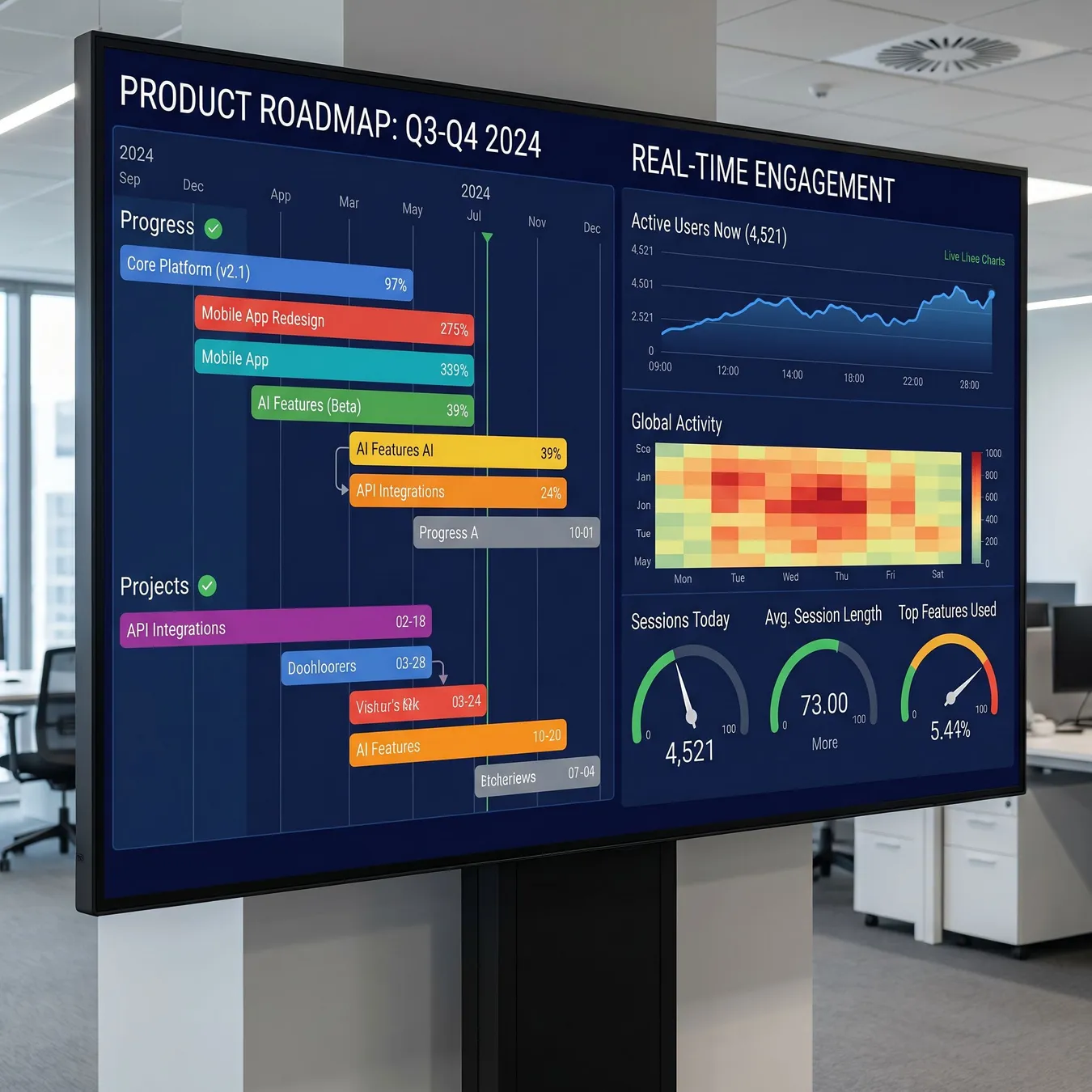
Connecting data insights directly to your development roadmap.
The Importance of Architectural Oversight
A dedicated software engineering architect is often required to ensure that tracking implementations do not bloat the application or create security vulnerabilities.
Warning.
// Performance Warning
Comparing Top App Analytics Platforms
Trade-off
3 pros · 3 cons
Pros
Real-time user behavior tracking
Powerful cohort and retention analysis
Seamless integration with marketing stacks
Cons
High cost for high-volume data
Steep learning curve for advanced features
Potential for data silos if not integrated
Data Privacy and Compliance Standards
In 2026, data privacy is not optional. When selecting application analytics tools, ensure they provide robust features for data anonymization and user consent management.
Verify SOC2 or ISO 27001 compliance
Implement PII masking at the SDK level
Configure data retention policies
Leveraging Analytics for Feature Prioritization
Data-driven product management software allows PMs to move away from 'loudest voice wins' prioritization. By looking at feature usage frequency and drop-off rates, you can objectively rank your backlog.
24%
Avg. increase in retention with data-driven roadmaps
30%
Reduction in wasted dev time on unused features
Advanced Integration: Server-Side vs. Client-Side
While client-side tracking is easier to implement, server-side integration offers higher data reliability and better protection against ad-blockers and browser restrictions.
When to Choose Server-Side Tracking
Server-side tracking is ideal for sensitive data like revenue events or when you need to enrich event data with information from your internal database before sending it to the analytics platform.
Visualizing User Journeys with Image Sets
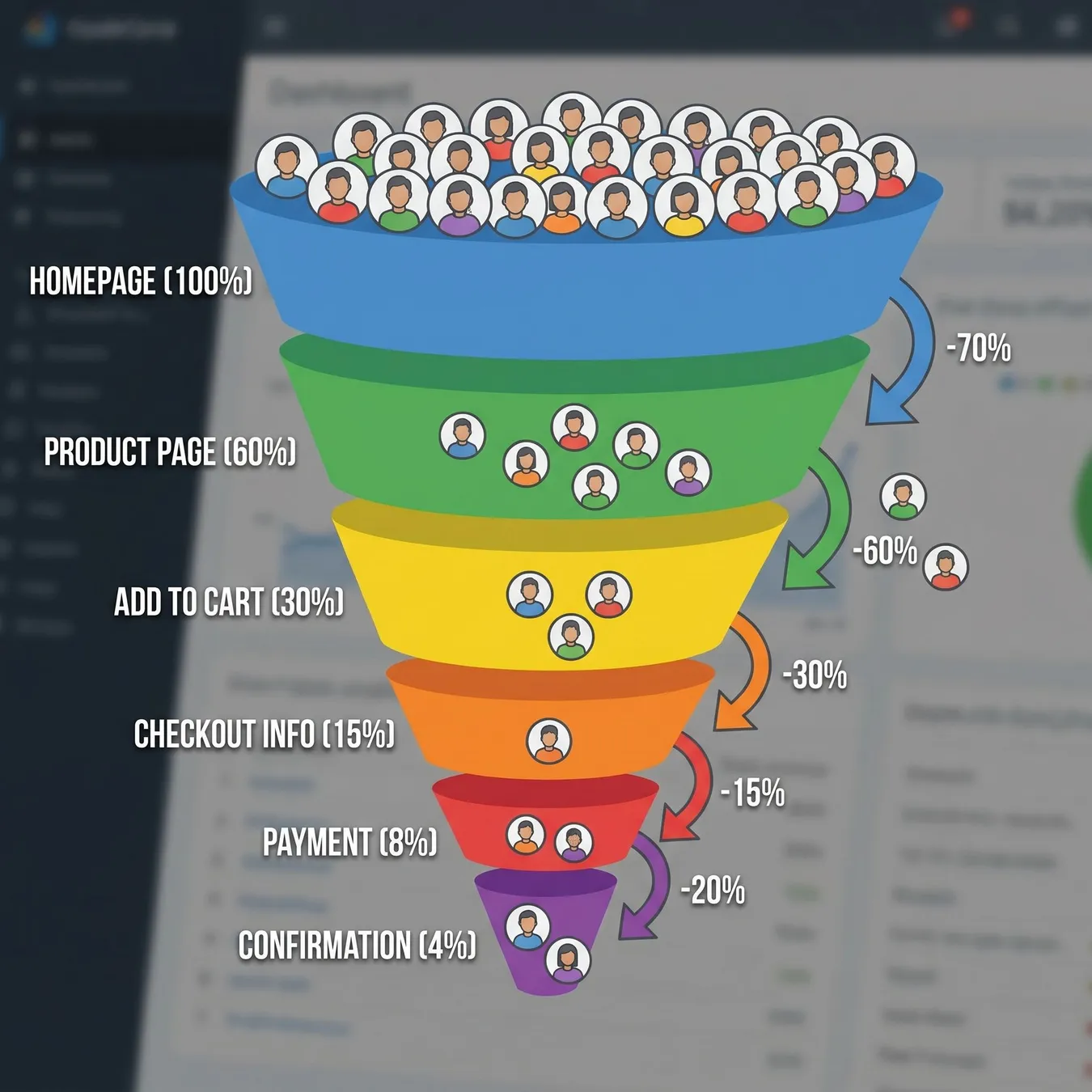
Funnel analysis identifying conversion leaks.
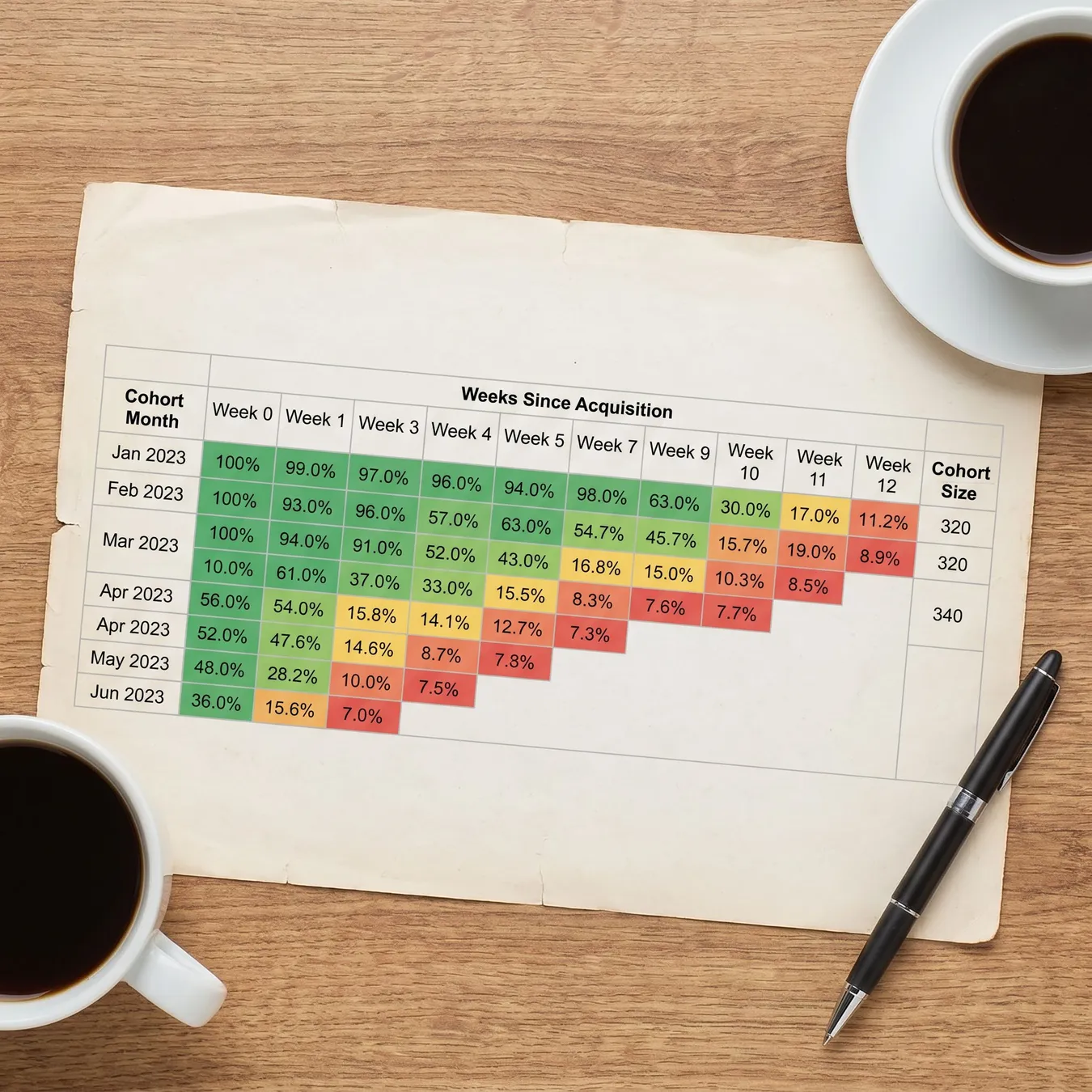
Retention cohorts tracking long-term value.
The Future of Analytics: AI and Predictive Insights
The next generation of app analytics tools is moving toward predictive modeling. Instead of just telling you what happened, these platforms will predict which users are likely to churn.
Data is the fuel, but analytics is the engine. Without a properly integrated platform, you're just sitting on a pile of potential with no way to move forward.
Alex Chen · Head of Product
Building a Culture of Data Literacy
Tools alone won't solve product problems. Teams must be trained to interpret the data correctly, avoiding common biases like survivorship bias or confusing correlation with causation.
Frequently Asked Questions
Bridging the Gap to Production-Ready Systems
At Studio 402, we understand that analytics are only as good as the systems they monitor. If your current application is struggling with technical debt or inconsistent data, it's difficult to gain actionable insights.
We help companies move from fragmented data to unified, production-grade systems. Whether you are building from scratch or rescuing a prototype, we ensure your analytics are integrated into a foundation built for scale.
Trusted by growth-stage teams to build and scale durable software.
Studio 402: Engineering for real-world impact.
Build Your Data-Driven Future
Ready to turn your user data into a scalable product roadmap? Let’s build a system that grows with your business.
Continue Your Product Management Journey
Keep reading
More in Product Management & Operations
Effective app analytics platforms are the cornerstone of modern product management. By following a structured integration process, you ensure your team is always working on the features that matter most to your users.
Final Thoughts on Implementation
Don't let the complexity of application analytics tools stop you from starting. Begin with the most critical user actions and expand your tracking as your product and team maturity grows.
- 01
Audit your current tracking capabilities
- 02
Identify the top 5 questions you need data to answer
- 03
Consult with an engineering partner to ensure scalable implementation