
Setting and Tracking Agile Project Milestones
Agile project milestones serve as the vital connective tissue between a high-level vision and the granular reality of daily development. While sprints focus on what is being built now, milestones define the significant progress markers that ensure the project remains on track for predictable delivery.
- Product Management
- Agile Delivery
- Project Planning
- Engineering Leadership
Defining Agile Project Milestones for Success
Unlike traditional waterfall phases, agile project milestones are outcome-based rather than task-based. They represent the completion of a functional capability or a significant reduction in technical risk, providing stakeholders with tangible evidence of progress.
- Completion of a core user journey or feature set
- Successful integration with a critical third-party API
- Achievement of a specific performance or security benchmark
- Validation of a technical prototype with real user data
- Readiness for a beta release or internal stakeholder demo
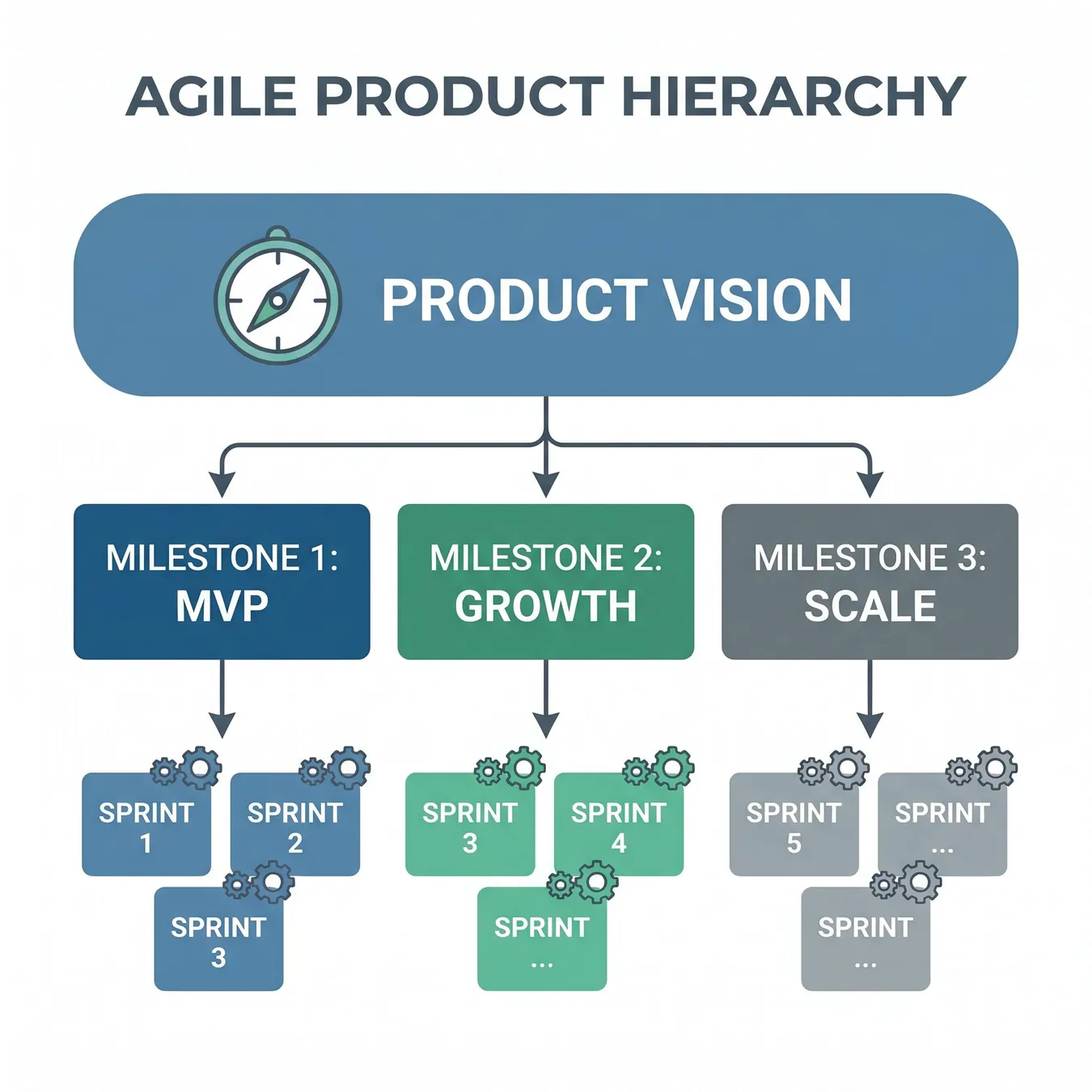
Milestones bridge the gap between long-term strategy and short-term execution.
The Role of Product Owner Planning in Milestone Setting
Effective product owner planning involves looking beyond the immediate backlog to identify the 'big rocks' that move the needle. By anchoring milestones to business value, product owners can facilitate better communication with non-technical stakeholders.
Tip.
// Pro Tip
How to Track Milestones Without Micromanagement
Tracking milestones requires the right agile development process tools to maintain visibility without slowing down the engineering team. The focus should be on velocity and burn-up charts relative to the milestone target.
85%
Predictability increase with clear milestones
3-4
Average sprints per milestone
Bridging Strategy and Execution
Milestones are the primary tool for product management planning, ensuring that every line of code written contributes to the broader strategic goals of the organization.
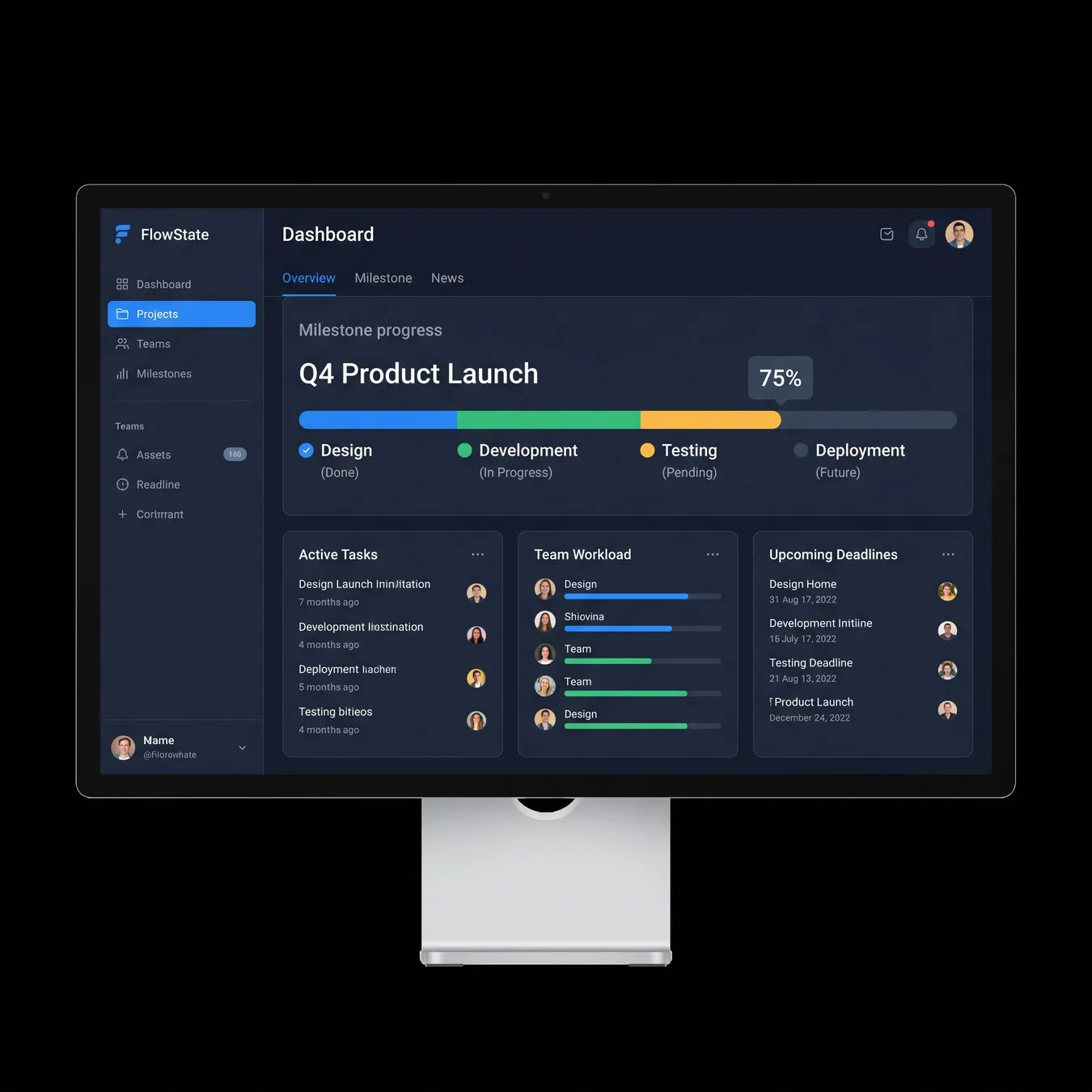
Visualizing milestone progress for the team.
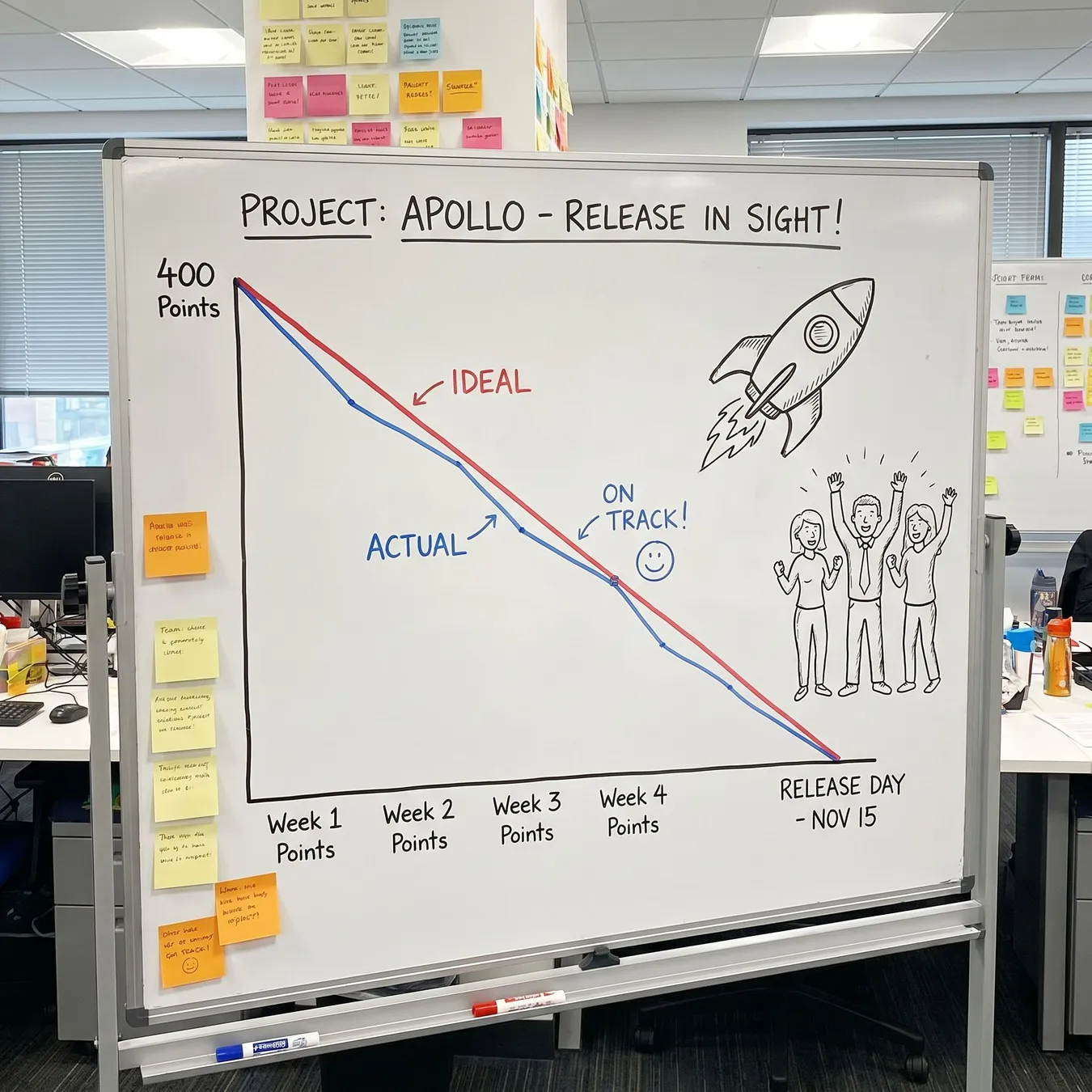
Using data to predict delivery dates.
Milestones vs. Sprints: Key Differences
| Feature | Sprint | Milestone |
|---|---|---|
| Duration | 1-2 Weeks | 4-8 Weeks |
| Focus | Tasks & User Stories | Capabilities & Outcomes |
| Audience | Dev Team | Stakeholders & Customers |
The Product Manager's Role in Sprint Planning
During product manager sprint planning, the milestone acts as a North Star. If a proposed story doesn't contribute to the current milestone, it should be questioned or deprioritized.
Common Milestone Pitfalls to Avoid
Make milestones measurable and binary
Align milestones with business value
Communicate milestone shifts early
Use milestones as rigid deadlines
Set too many milestones at once
Ignore technical debt to hit a date
Milestones as Release Triggers
In larger environments, milestones often serve as the gate for scaled agile release management, ensuring that all dependencies are met before code hits production.
Step-by-Step: Setting Your First Milestone
01 / 04
phase 01 / 04
Identify Value
phase 02 / 04
Define Criteria
phase 03 / 04
Map Dependencies
phase 04 / 04
Communicate
Predictable Delivery Through Data
Predictability isn't about working harder; it's about understanding team capacity and historical velocity. When milestones are tracked accurately, you can forecast completion dates with high confidence.
Adapting Milestones During the Project
Agile is about responding to change. If discovery reveals a better path, milestones should be adjusted. The goal is the outcome, not the adherence to an outdated plan.
Milestone Checklist for Product Owners
Is the milestone tied to a specific business goal?
Can the team demonstrate progress at the end?
Are all technical dependencies identified?
Has the stakeholder group approved the target?
Visualizing the Milestone Roadmap
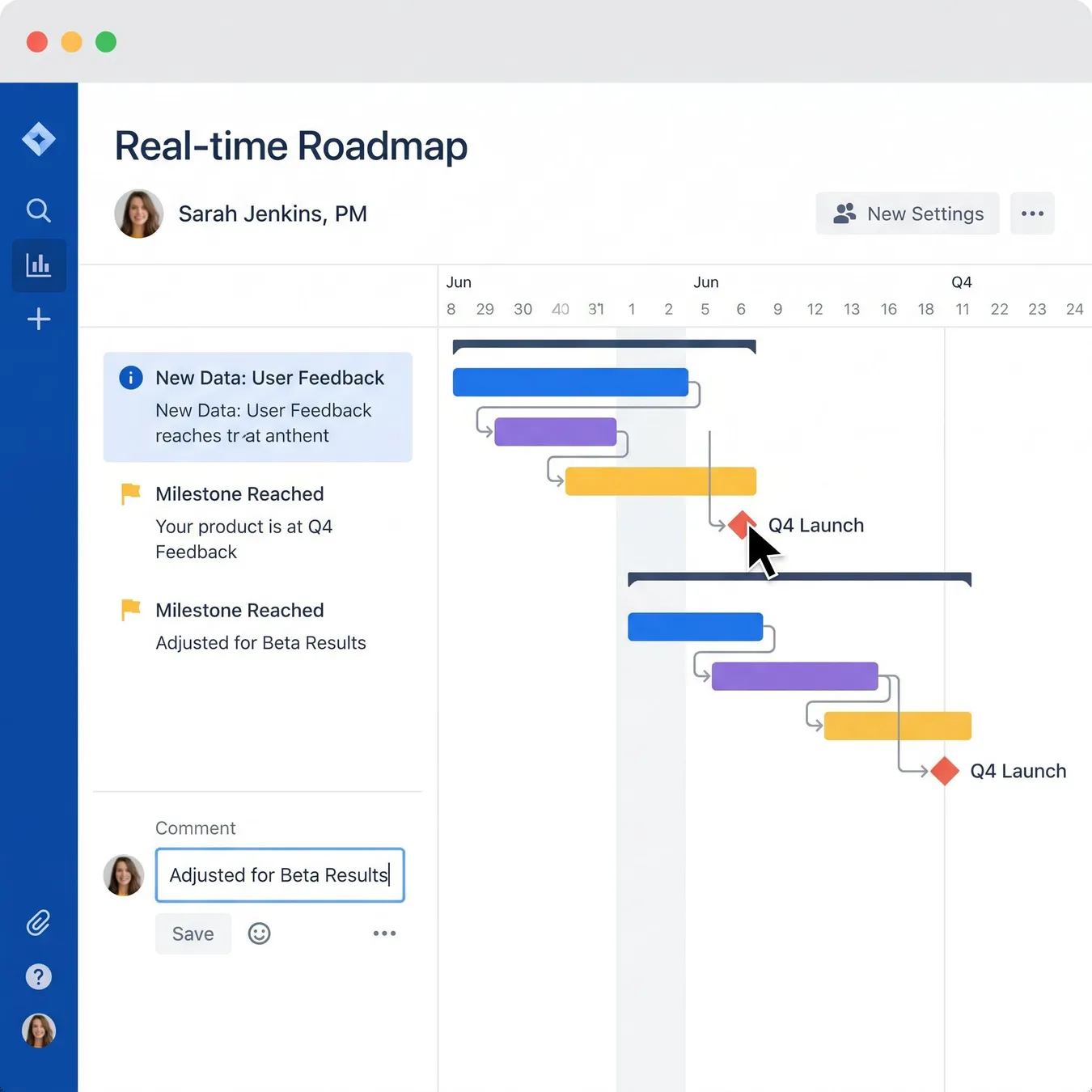
Dynamic roadmapping keeps the whole team aligned.
Milestones in Custom Software Development
For custom builds, milestones are the primary way to manage budget and timeline expectations. They provide the 'check-in' points necessary for high-stakes projects.
Frequently Asked Questions
The Studio 402 Approach to Execution
At Studio 402, we don't just build software; we build systems for delivery. We understand that for startups and growth-stage teams, predictability is as important as the code itself.
Whether you are launching a new MVP or rescuing a prototype that has hit its limits, our engineering-first approach ensures that milestones are met with production-grade quality.
Predictability in software isn't a luxury; it's a requirement for growth. We build the infrastructure that makes that possible.
Studio 402 Engineering Team · Product Engineering
From Planning to Production
If your current development process feels like a black box, it's time to implement a milestone-driven framework that provides clarity and confidence.
Ready for Predictable Delivery?
Let's discuss how we can help you define, build, and ship your next major product milestone.
Related Resources
Keep reading
More in Product Management & Operations
Trusted by venture-backed startups to ship production-grade software.
Updated July 2026
Establishing a cadence of delivery is the best way to build trust with your team and your investors. By focusing on milestones, you move away from 'working on it' to 'shipping it'.
Final Thoughts on Agile Milestones
The most successful products are built one meaningful milestone at a time. Start small, measure everything, and iterate based on real-world feedback.
For more insights on engineering leadership and product operations, explore our full library of guides and articles.
- SaaS Development
- MVP Strategy
- Cloud Infrastructure
- AI Systems