
Agile MVP Development: Building Scale-Ready Products
Understanding the role of an mvp in software development is the first step toward building a product that survives market testing. It is not just about the smallest set of features, but the most efficient path to learning.
- Agile Methodology
- MVP Strategy
- SaaS Growth
- Product Ops
The Core Principles of Agile Development for MVPs
Successful agile development mvp cycles prioritize iterative learning over rigid documentation. By focusing on small, high-impact releases, teams can validate assumptions before committing to heavy infrastructure.
- Iterative feedback loops with real users
- Continuous integration and deployment (CI/CD)
- Prioritized backlog based on user value
- Cross-functional collaboration between product and engineering
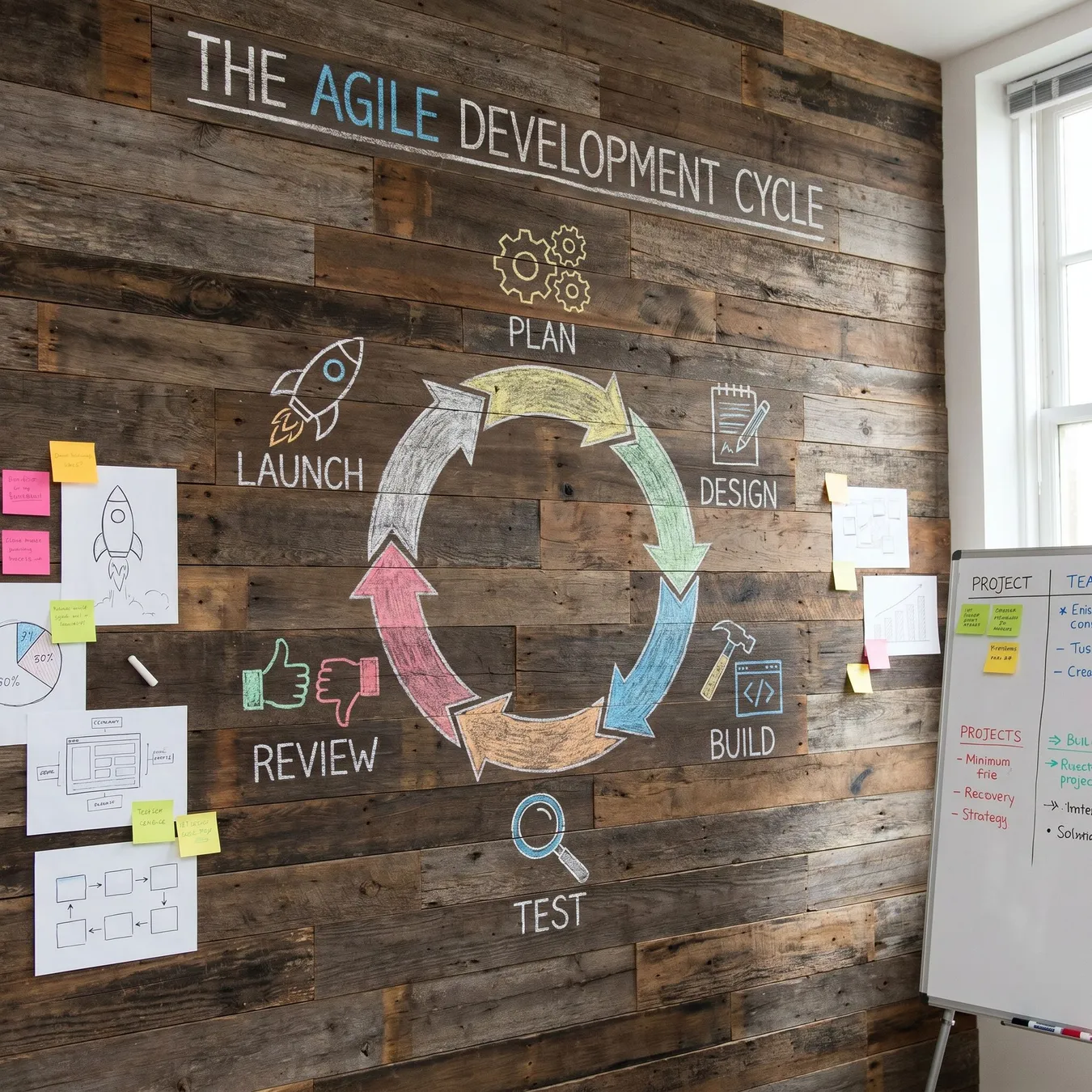
The continuous cycle of agile MVP development ensures constant improvement.
Defining the Minimally Viable Product in an Agile Context
A minimally viable product agile approach means building just enough to satisfy early customers. This allows for lean startup product development where the goal is to minimize waste while maximizing insights.
Info.
// Quality vs. Scope
Developing an MVP Roadmap for SaaS Products
When developing an mvp roadmap for saas products, you must balance immediate feature needs with long-term architectural stability. A roadmap is a living document that evolves as you gather user feedback.
01 / 04
phase 01 / 04
Discovery & Research
phase 02 / 04
Backlog Prioritization
phase 03 / 04
Sprint Zero
phase 04 / 04
Iterative Build Cycles
Mastering SaaS Agile Development Cycles
Effective saas agile development requires clear communication between stakeholders and the engineering team. This ensures that technical debt is managed while maintaining a high shipping velocity.
2 Weeks
Average Sprint Duration
40%
Reduction in Time-to-Market
100%
Focus on Core Value
Comparison: Agile MVP vs. Traditional Development
Trade-off
4 pros · 3 cons
Pros
Faster market validation
Lower initial capital risk
User-centric feature growth
Flexible to market changes
Cons
Requires high stakeholder involvement
Potential for scope creep
Needs senior architectural oversight
Tracking Progress with Agile Project Milestones
To maintain momentum, teams should establish clear agile project milestones. These markers help the team celebrate wins and stay aligned with the broader business objectives.
Define 'Definition of Done' for all tasks
Conduct weekly sprint reviews
Update the product backlog daily
Monitor sprint velocity and burn-down charts
Technical Foundations for Scale-Ready MVPs
An MVP shouldn't be 'throwaway' code. When building saas mvp, use a modular architecture that allows you to swap components as your user base grows.
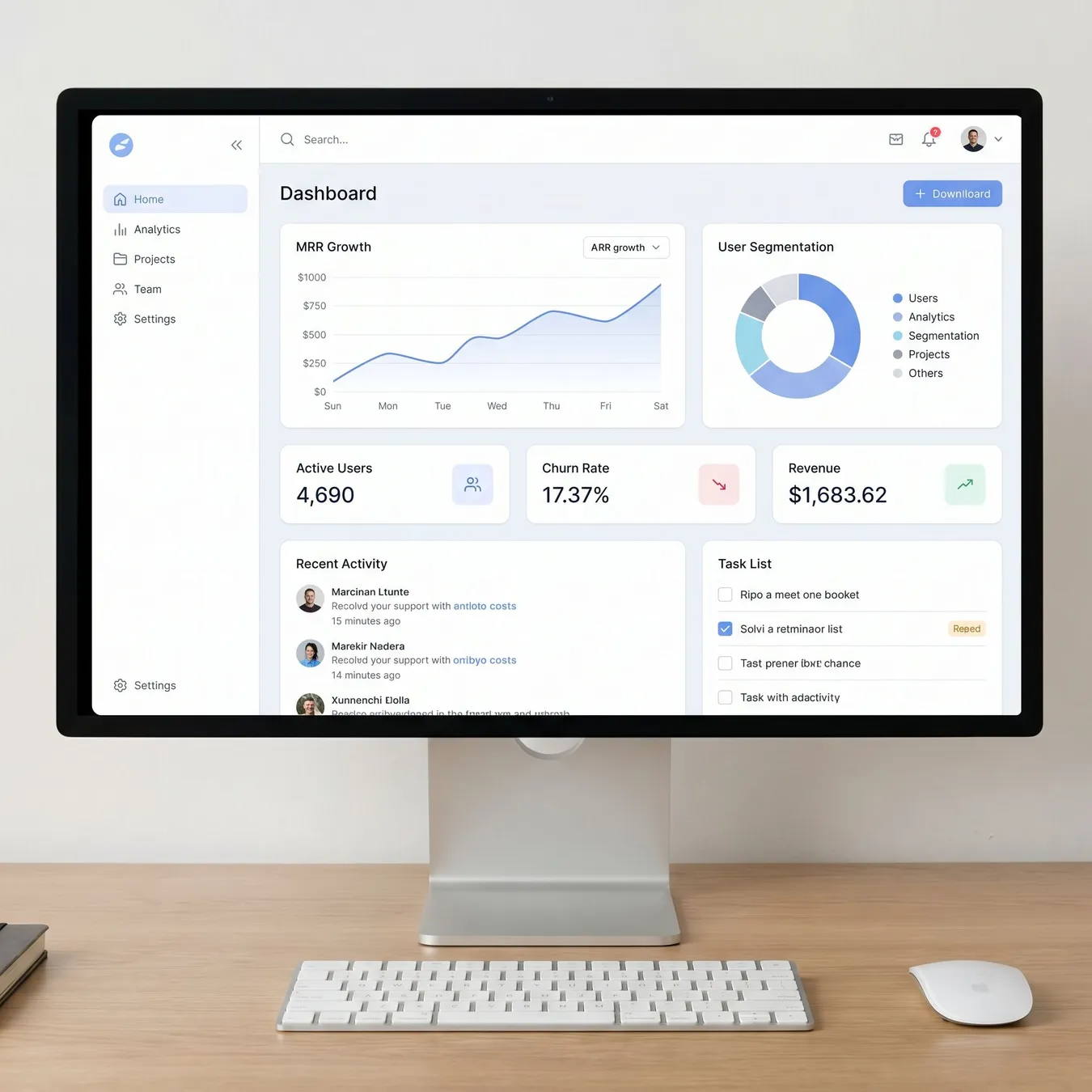
A production-grade UI builds trust with early adopters.
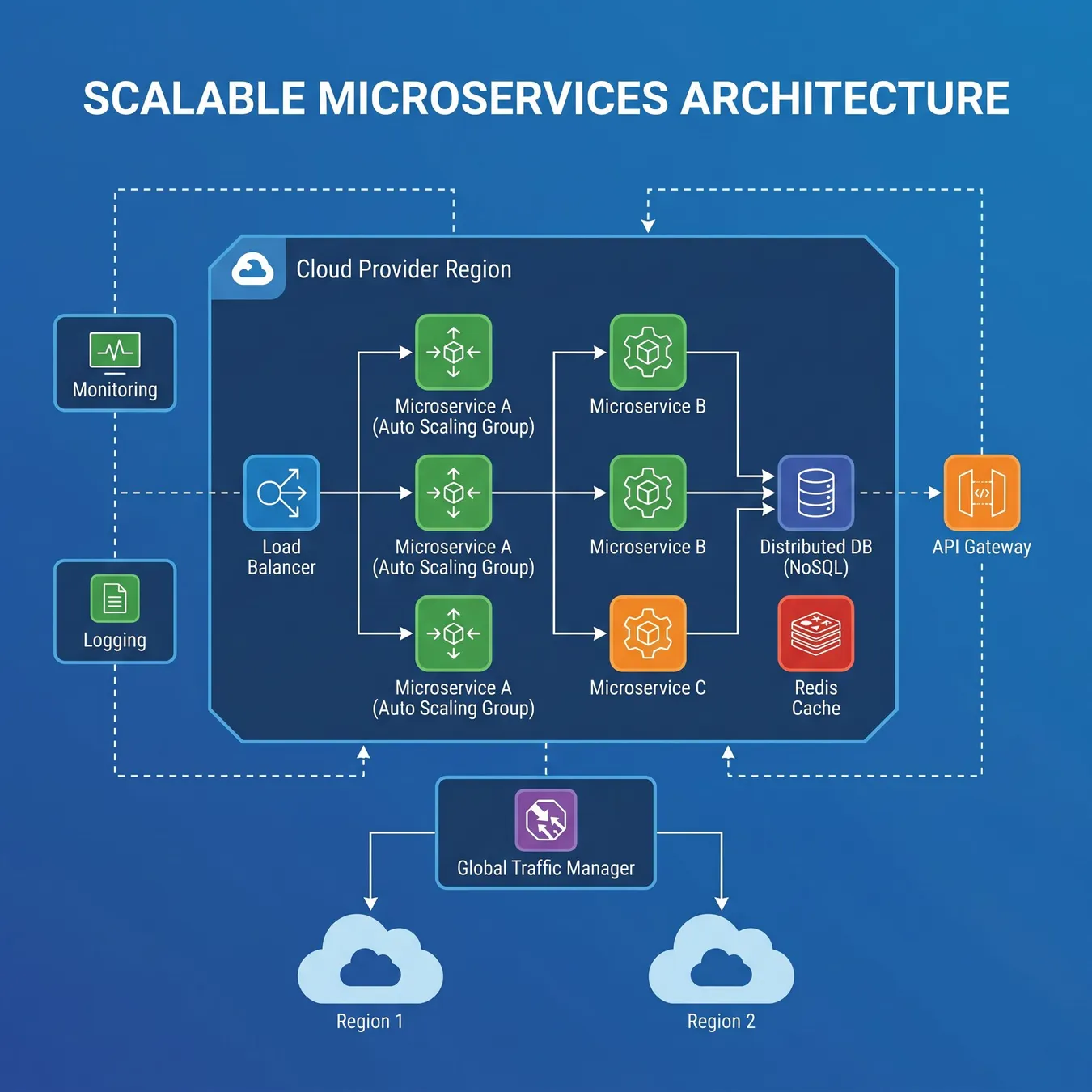
Scalable infrastructure is the backbone of a successful MVP.
Common Pitfalls in Agile MVP Development
Focus on one core problem
Automate testing early
Listen to negative feedback
Keep documentation lightweight
Over-engineer for future users
Ignore security best practices
Build features without data
Skip the sprint retrospective
The Role of Product Management in Agile
Product managers act as the bridge between the market and the engineers. In an agile environment, they must be ruthless about prioritization to ensure the team stays focused on the MVP's goal.
Agile is not about doing more work in less time; it's about doing more of the right work by eliminating what doesn't matter.
Senior Product Lead · Studio 402
Scaling Beyond the MVP
Once the MVP is live, the focus shifts to scaling. This involves hardening the codebase, optimizing performance, and expanding the feature set based on the roadmap you've developed.
| Phase | Primary Goal | Key Metric |
|---|---|---|
| MVP | Validation | User Retention |
| Growth | Market Fit | CAC / LTV |
| Scale | Efficiency | System Uptime |
Frequently Asked Questions
Bridging Strategy to Execution
Moving from a high-level vision to a functional product requires more than just a list of features. It requires a partner who understands how to build foundations that don't need to be ripped out six months later.
At Studio 402, we specialize in helping founders navigate the complexities of agile development. We don't just ship code; we build durable software systems designed for real-world use.
Trusted by over 50 startups to launch production-grade MVPs.
From seed stage to Series B.
How Studio 402 Accelerates Your MVP
- Senior-led engineering teams
- AI-native development workflows
- Cloud-native architecture by default
- Transparent, milestone-based delivery
Studio 402 took our vague requirements and turned them into a scalable SaaS platform in record time. Their agile process kept us in the loop every step of the way.
Next Steps for Your Product
Ready to turn your idea into a scale-ready product? Whether you are starting from zero or need to rescue a prototype that isn't performing, we can help.
Build Your Scale-Ready MVP
Partner with Studio 402 to design, build, and launch your product with production-grade engineering.
Explore More Resources
Related Challenges
Building an MVP often comes with technical and operational hurdles. Learn how to navigate these common software development challenges to keep your project on track.
- Managing scope creep in early sprints
- Balancing speed with security compliance
- Integrating with legacy third-party APIs
Conclusion
Agile MVP development is the most reliable way to build products that users actually want. By focusing on iterative value and production-grade quality, you set your SaaS up for long-term success.
Keep reading
More in Product Management & Operations
For more insights on product operations and engineering excellence, visit our main category page.

Collaboration is the heart of the agile process.
Final Thoughts on SaaS Strategy
The journey from MVP to a market-leading SaaS product is a marathon, not a sprint. Agile provides the rhythm you need to maintain pace without burning out your engineering resources.