
Implementing Dual-Track Development for Faster Discovery
Dual track product development is a framework that splits the product development process into two parallel streams: discovery and delivery. This approach ensures that teams are building the right things while simultaneously building things right, preventing engineering bottlenecks caused by unvalidated features.
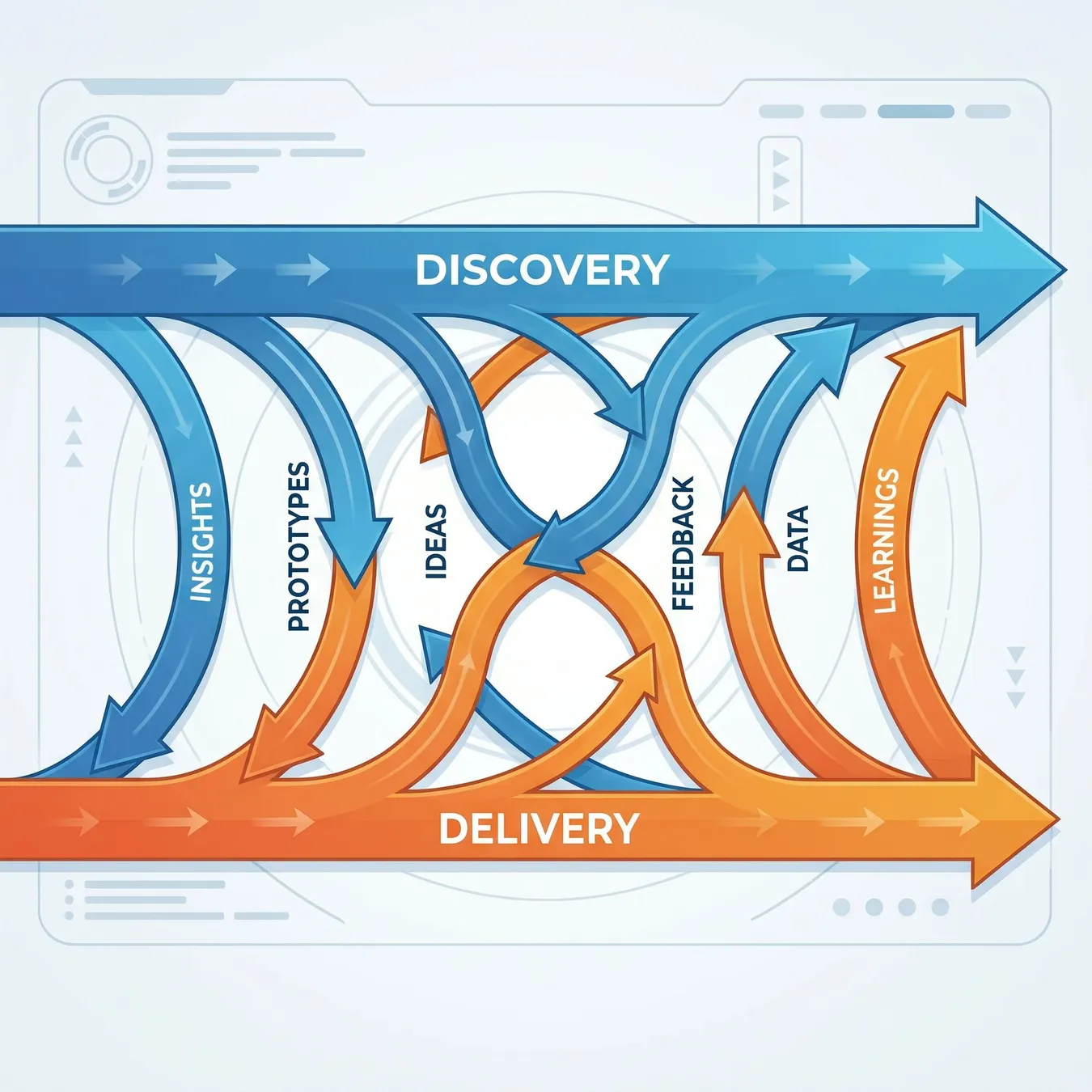
The dual-track model separates 'learning' from 'building' to maximize efficiency.
By running these tracks in tandem, organizations can ensure that the delivery team always has a backlog of high-confidence items. This methodology significantly shortens product development lifecycles by eliminating the waste associated with building features that users don't actually need.
The Discovery Track: Validating Ideas Fast
The discovery track focuses on answering the question: 'Should we build this?' It involves user research, prototyping, and testing assumptions before a single line of production code is written. This track is led by product managers and designers, often with technical input.
- Conducting user interviews to identify pain points
- Creating low-fidelity wireframes for rapid feedback
- Running A/B tests on landing pages or prototypes
- Defining success metrics for proposed features
- Feasibility checks with engineering leads
The Delivery Track: Shipping Production-Ready Code
While discovery explores the unknown, the delivery track focuses on the known. This is where the feature driven development agile process takes over, turning validated requirements into scalable, secure, and maintainable software.
40%
Reduction in wasted engineering hours
2x
Increase in feature adoption rates
0
Features shipped without user validation
Roles and Responsibilities in Dual-Track Teams
Success depends on clear roles. The product manager in software development acts as the bridge, ensuring the discovery track feeds the delivery backlog with high-quality user stories and technical specifications.
| Role | Discovery Focus | Delivery Focus |
|---|---|---|
| Product Manager | Value & Viability | Backlog Prioritization |
| Designer | Usability & UX | Asset Handoff |
| Engineer | Feasibility & Tech Spike | Scalability & Performance |
Implementing the Workflow Transition
Moving to a dual-track model requires a shift in how you use your agile software development tools. You need systems that allow for separate visualization of discovery 'bets' and delivery 'commitments'.
01 / 03
phase 01 / 03
Establish the Discovery Backlog
phase 02 / 03
Define 'Ready for Delivery'
phase 03 / 03
Sync Tracks Weekly
Common Pitfalls to Avoid
Involve engineers in discovery early for feasibility
Use low-fidelity tools for discovery to save time
Maintain a single source of truth for documentation
Let discovery get too far ahead of delivery capacity
Skip validation for 'obvious' features
Treat discovery as a one-time phase
Managing Technical Debt in Fast-Paced Discovery
When discovery moves fast, there is a risk of rushing the delivery track. It is critical to balance agile and technical debt to ensure that the speed of discovery doesn't compromise the long-term stability of the application.
Tip.
// Pro-Tip
Measuring Success in Dual-Track Systems
Traditional velocity metrics only tell half the story. In a dual-track environment, you must also measure 'Discovery Velocity'—the rate at which you are validating or invalidating product hypotheses.
- Hypothesis validation rate
- Time from idea to validated prototype
- Engineering rework percentage
- Feature usage post-launch
Tooling for Dual-Track Success
Your project management stack should support both tracks. Tools like Linear or Jira can be configured with separate boards or custom statuses to track discovery items through research phases before they hit the development sprint.
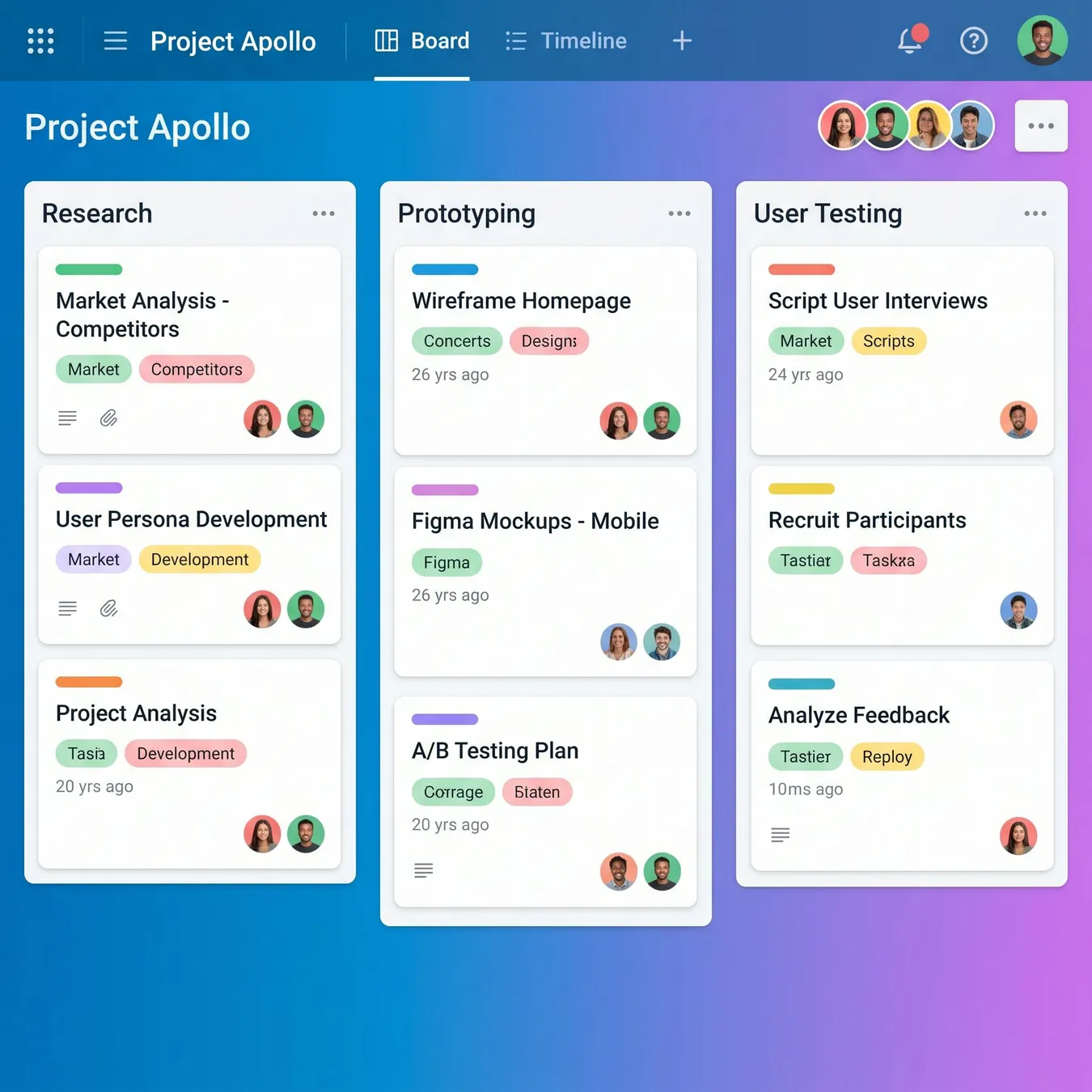
Discovery boards focus on learning milestones.
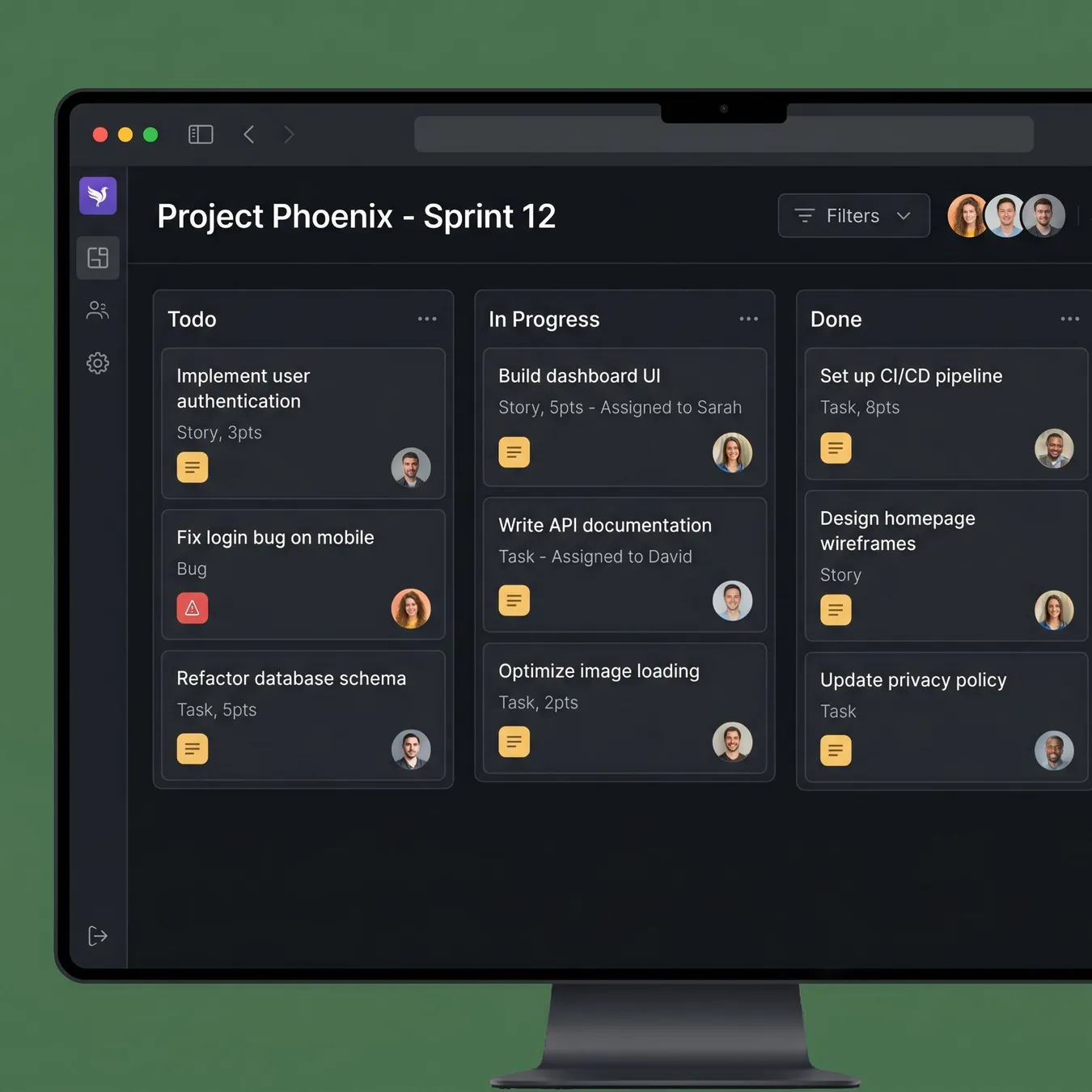
Delivery boards focus on shipping milestones.
Scaling Dual-Track Across Multiple Teams
As organizations grow, maintaining the connection between tracks becomes harder. Centralized product operations can help standardize how discovery findings are documented and shared across the engineering organization.
The Impact on Engineering Culture
Dual-track development empowers engineers. When they know that every ticket in their queue has been validated with real users, motivation increases and the 'why' behind the work becomes clear.
The biggest waste in software is building something perfectly that nobody wanted. Dual-track development makes that impossible.
Senior Product Engineer · Studio 402
Discovery Methods for High-Velocity Teams
Not all discovery requires weeks of research. For high-velocity teams, 'Lean Discovery' techniques like rapid prototyping and internal dogfooding can provide enough signal to move to delivery.
Identify the core assumption
Choose the smallest validation method
Set a timebox (e.g., 48 hours)
Document the 'Go/No-Go' decision
Bridging Discovery to Delivery Handoffs
The handoff is the most fragile part of the process. High-performing teams use 'Discovery Syncs' where the PM and lead engineer review validated designs to identify technical constraints before the delivery track starts.
Dual-Track for Startups vs. Enterprise
Trade-off
3 pros · 3 cons
Pros
Startups: Rapidly find product-market fit
Startups: Minimize burn on unproven ideas
Enterprise: Reduce risk of large-scale failures
Cons
Startups: Can feel like 'too much process' early on
Enterprise: Requires breaking down siloed departments
Enterprise: Harder to maintain sync across 10+ teams
How AI is Accelerating the Discovery Track
Modern AI tools are transforming discovery. From synthesizing user interview transcripts to generating functional UI prototypes in minutes, AI allows the discovery track to move at the speed of thought.
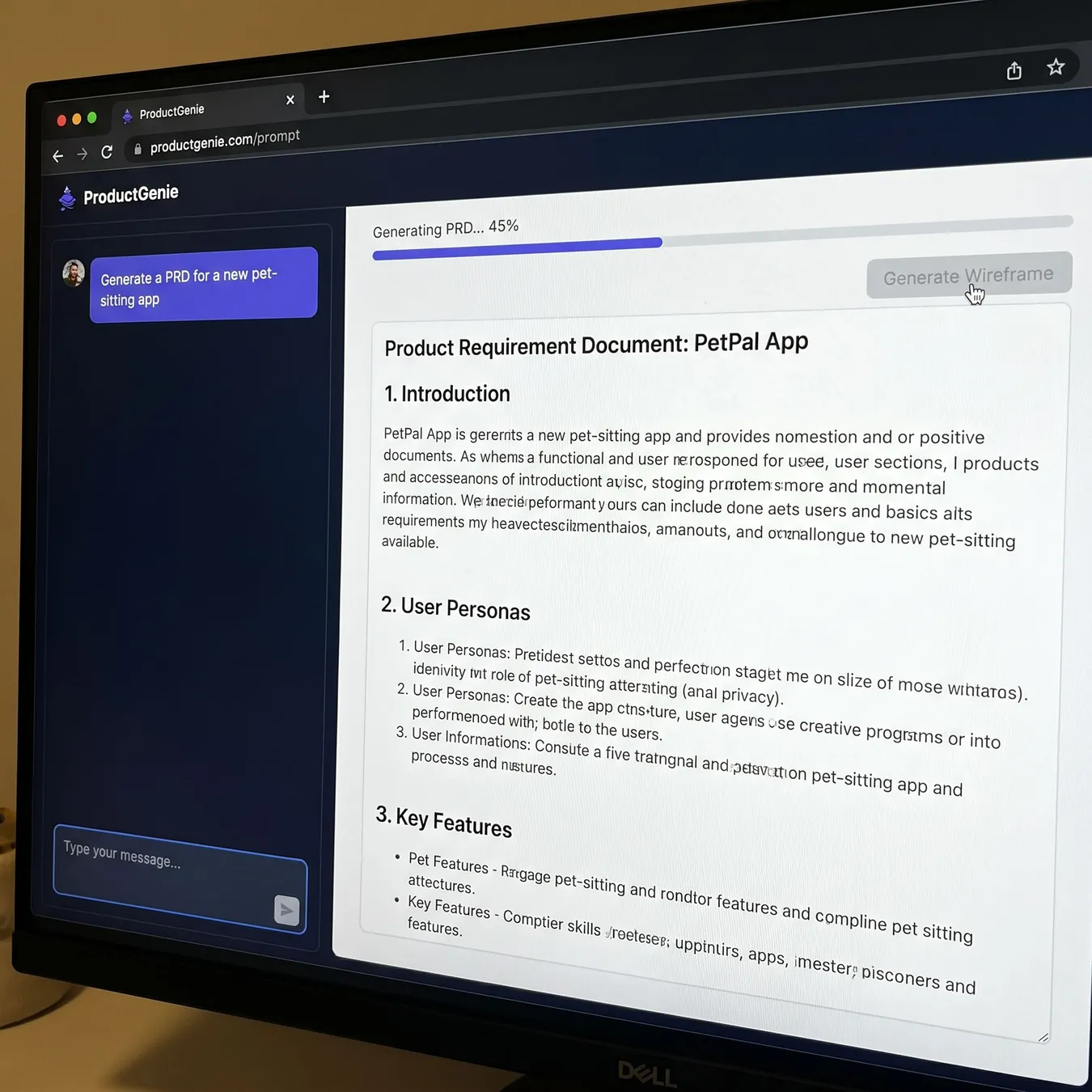
AI-driven discovery tools are shortening the validation cycle.
Building Your Dual-Track Roadmap
A dual-track roadmap doesn't just show features; it shows 'learning goals'. This transparency helps stakeholders understand that discovery work is just as valuable as shipping code.
Frequently Asked Questions
How Studio 402 Powers Dual-Track Execution
At Studio 402, we don't just take orders; we partner on the discovery process. We help startups and growth-stage companies implement dual-track workflows that bridge the gap between ambitious roadmaps and production-ready engineering.
Whether you are building a new MVP or rescuing a prototype that didn't scale, our team integrates with your product track to ensure every feature we ship is architected for the long haul.
Trusted by venture-backed startups to ship production-grade software.
From MVP to Series B scale.
Ready to accelerate your product delivery?
Let's discuss how we can implement a dual-track system that validates your ideas and ships high-quality code faster.
Continue Your Product Operations Journey
Keep reading