
Optimizing Software Engineering Workflows and Handoffs
A high-performance software engineering workflow is more than just writing code; it is the systematic orchestration of ideas from product discovery to production-ready deployment. When technical workflows are fragmented, teams suffer from friction, delayed releases, and a breakdown in trust between product and engineering.
40%
Reduction in cycle time through workflow automation
2.5x
Increase in deployment frequency for optimized teams
0
Manual handoffs in high-velocity CI/CD pipelines
Defining the Modern Technical Workflow
The modern technical workflow encompasses the entire lifecycle of a feature. It begins with clear requirements and ends with observable, maintainable code in the hands of users. Effective process and workflow management ensures that every step—from ticketing to code review—is optimized for speed and quality.
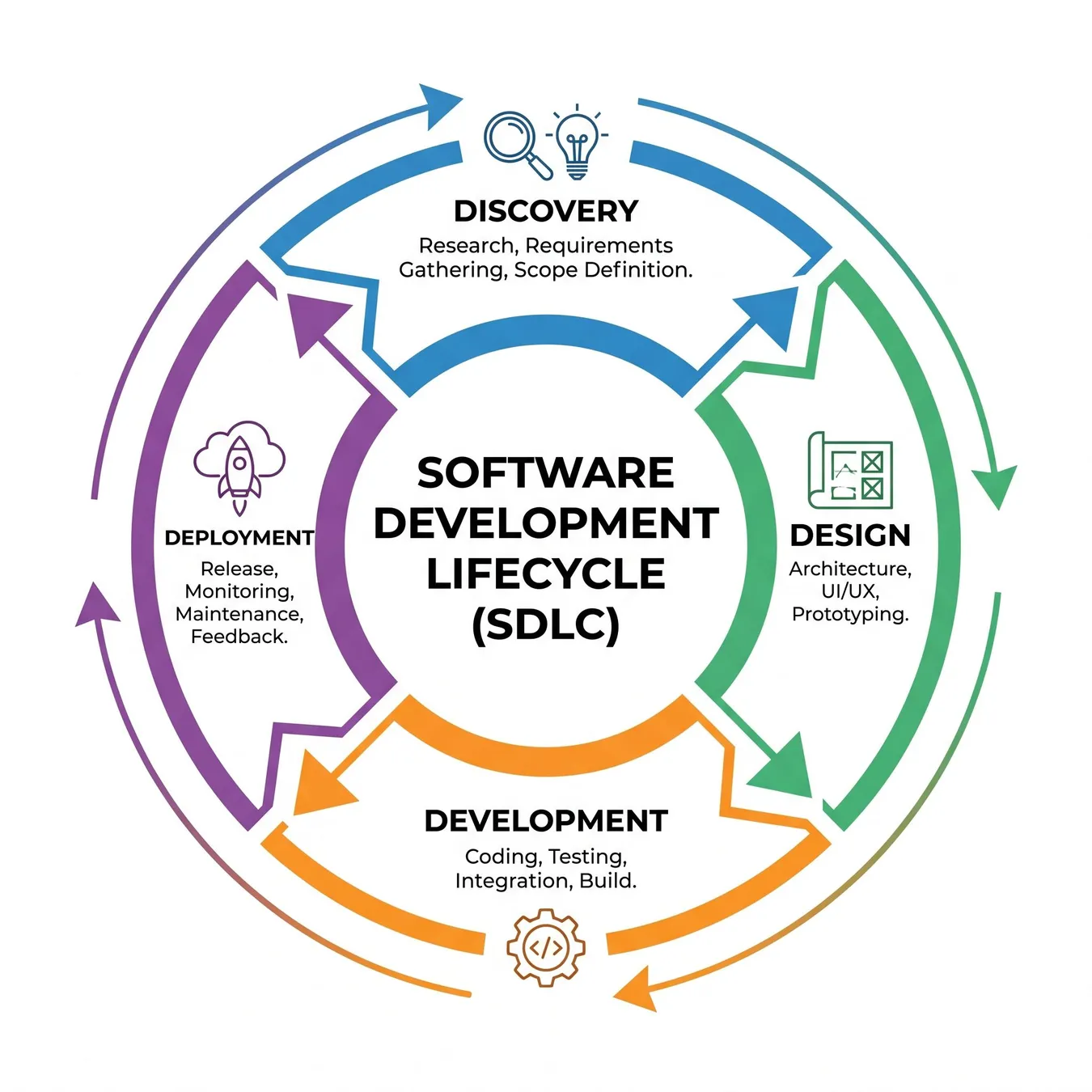
The end-to-end technical workflow lifecycle.
Eliminating Friction in the Product-Engineering Handoff
The handoff between product managers and engineers is often where projects lose momentum. To bridge this gap, teams should leverage product management software tools that integrate directly with development environments, ensuring that context is never lost in translation.
Define 'Definition of Ready' for all tickets
Include technical constraints in product specs
Use automated linting and formatting tools
Handoff vague requirements without a kickoff
Ignore technical debt in sprint planning
Rely on manual QA for every minor change
Measuring Success: Lead Time and Velocity
To improve, you must measure. Tracking lead time software development allows leadership to identify where features are stalling, whether in the requirement phase or during the final deployment push.
| Metric | Focus Area | Target Outcome |
|---|---|---|
| Cycle Time | Coding to Release | Faster feedback loops |
| Lead Time | Idea to Production | Higher business agility |
| Change Failure Rate | Production Stability | Higher quality releases |
The Role of Developer Productivity Engineering
Advanced teams are now investing in developer productivity engineering to remove the cognitive load from individual contributors. This involves building internal tools and platforms that automate the mundane aspects of the software engineering workflow.
Info.
// Efficiency Insight
Implementing Automated CI/CD Pipelines
A robust technical workflow relies on automation. Continuous Integration (CI) and Continuous Deployment (CD) remove the human error associated with manual releases and ensure that the main branch is always in a deployable state.
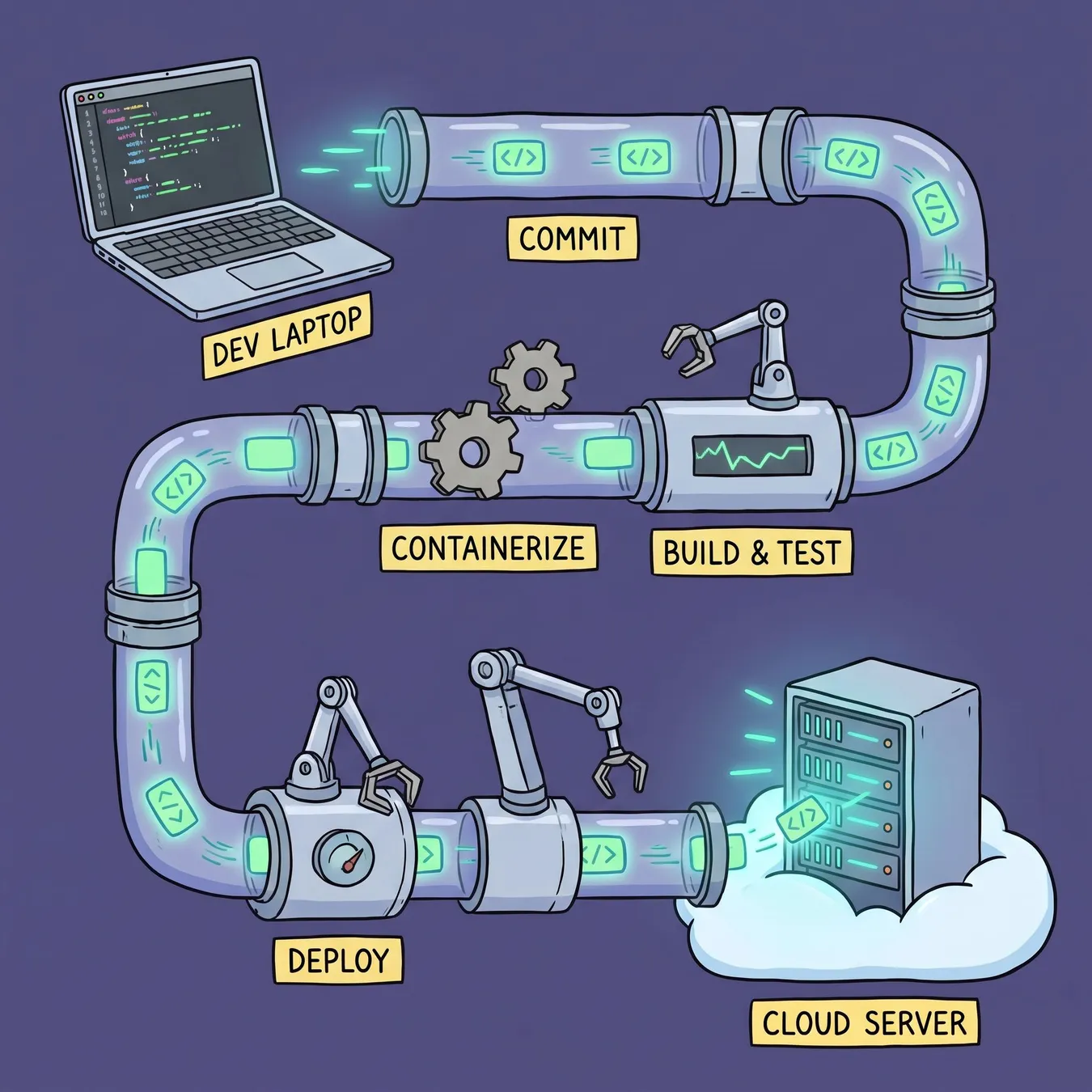
Visualizing the automated CI/CD pipeline.
Standardizing Documentation and Specifications
Documentation should be treated as code. Using 'Docs as Code' ensures that technical specifications live alongside the repository, making them accessible and version-controlled as part of the standard software engineering workflow.
- Architecture Decision Records (ADRs)
- API documentation (OpenAPI/Swagger)
- README files for every microservice
- Runbooks for incident response
Optimizing Code Review Cycles
Code reviews are a critical quality gate, but they can also become a bottleneck. Setting clear expectations for review turnaround times and using automated tools for style checks can keep the technical workflow moving.
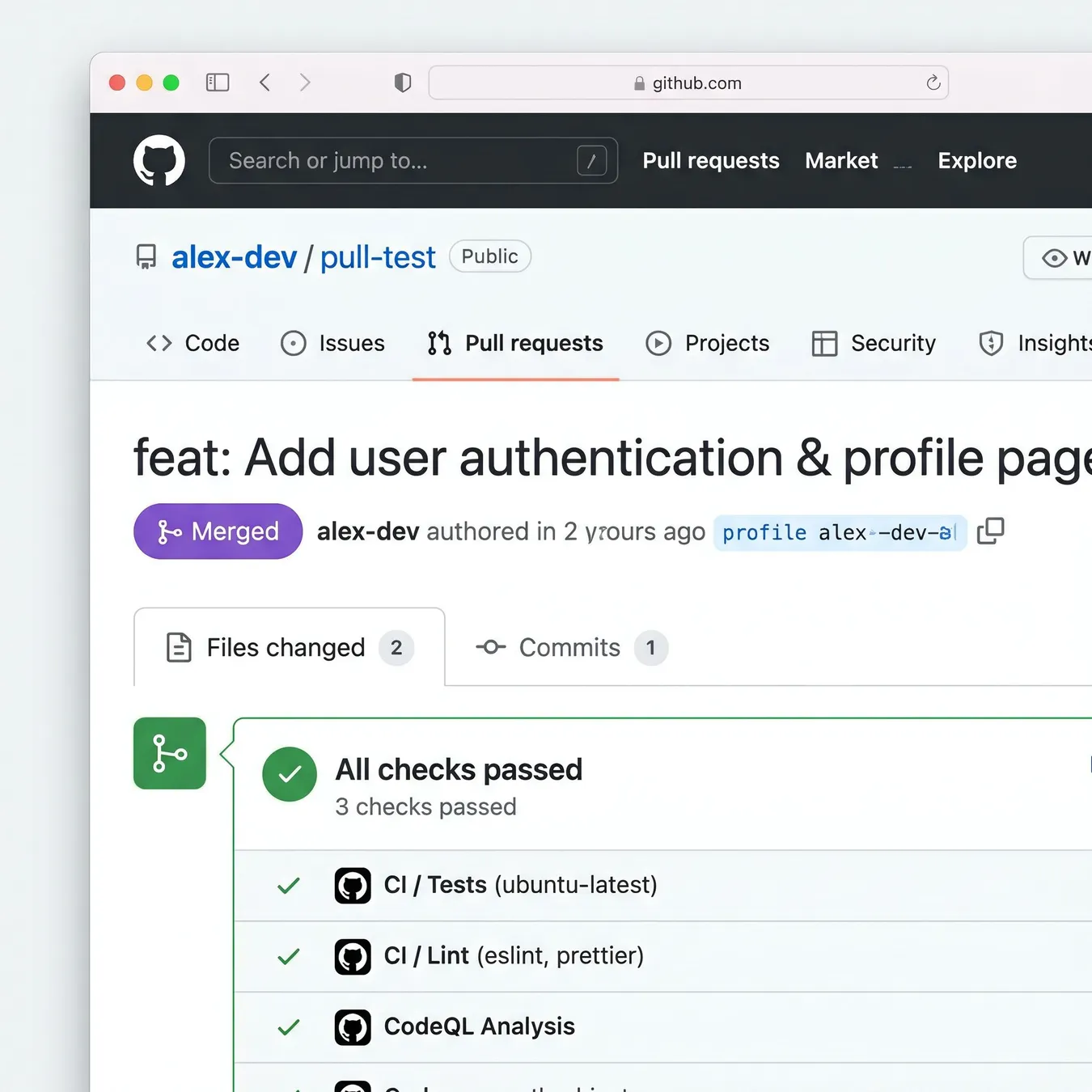
Automated PR checks.

Collaborative code review.
The Importance of Technical Team Management
Effective technical team management involves aligning individual strengths with the needs of the workflow. It requires a balance of autonomy and structured process to ensure that engineers can focus on deep work without constant interruptions.
Addressing Workflow Bottlenecks
Every workflow has a bottleneck. Whether it is a slow QA environment or a single architect who must approve every change, identifying these points is the first step toward true optimization.
Building a Culture of Continuous Improvement
A technical workflow is never 'finished.' High-performing teams use retrospectives to analyze their process and workflow management, making incremental changes that compound into significant velocity gains over time.
The best workflows are invisible. They provide enough structure to prevent chaos but enough freedom to allow for creative problem-solving.
Engineering Lead · Studio 402
Workflow Optimization Checklist
Automated unit and integration tests
Standardized ticket templates
Automated deployment to staging
Documented incident response plan
Regular technical debt audits
Leveraging AI in Engineering Workflows
AI is rapidly changing how we manage technical workflows. From AI-assisted code generation to automated ticket prioritization, these tools can significantly reduce the 'toil' associated with software development.
Managing Technical Debt within the Workflow
Technical debt is an inevitable part of the software engineering workflow. The key is to manage it proactively by allocating a percentage of every sprint to refactoring and infrastructure hardening.
Trade-off
3 pros · 3 cons
Pros
Faster short-term shipping
Quick market validation
Lower initial development cost
Cons
Slower feature delivery over time
Increased risk of production bugs
Lower developer morale
The Impact of Infrastructure on Workflow
Your infrastructure dictates your workflow. If your cloud environment is difficult to replicate locally, engineers will spend more time debugging environment issues than writing features.
Streamlining Cross-Team Communication
Communication silos are the enemy of a smooth technical workflow. Implementing shared channels and regular syncs between product, design, and engineering ensures everyone is aligned on the 'why' behind the 'what'.
How Studio 402 Optimizes Your Delivery
At Studio 402, we don't just build software; we build the systems that build software. We help companies audit their existing technical workflows, identify bottlenecks, and implement production-ready infrastructure that scales.
Whether you are struggling with a broken prototype or looking to scale a high-growth SaaS platform, our team provides the senior engineering leadership needed to turn operational drag into a competitive advantage.
Optimize Your Engineering Workflow
Ready to eliminate friction and accelerate your engineering velocity? Let's build a workflow that actually works.
Frequently Asked Questions
The Path to Production-Ready Shipping
01 / 04
phase 01 / 04
Diagnosis
phase 02 / 04
Automation
phase 03 / 04
Alignment
phase 04 / 04
Scale
Next Steps for Your Team
Optimizing your technical workflow is a journey, not a destination. By focusing on automation, clear communication, and measurable outcomes, you can build a foundation for long-term product success.
Trusted by growth-stage startups to harden and scale their engineering operations.
Studio 402: Production-Ready Engineering
- Engineering Ops
- SaaS Delivery
- Workflow Automation
- Product Strategy
Keep reading