
Software Product Life Cycle Management Guide
Software product life cycle management (PLM) is the end-to-end framework for conceptualizing, building, and maintaining a digital product. Unlike a simple project, a product lifecycle is continuous, ensuring that software remains competitive and stable from the initial discovery phase through to long-term production.
- Product Management
- Agile PLM
- Software Delivery
- Production Ready
The Core Phases of Software Product Life Cycle Management
To effectively manage a software product, teams must navigate several distinct stages. This process ensures that every feature developed aligns with user needs and technical feasibility before a single line of code is written.
01 / 05
phase 01 / 05
Discovery & Ideation
phase 02 / 05
Strategic Planning
phase 03 / 05
Agile Development
phase 04 / 05
Production Hardening
phase 05 / 05
Launch & Evolution
Essential Steps Before Launching a Product
Launching a product is more than just flipping a switch. The steps before launching a product determine whether your software survives its first thousand users or crashes under the weight of technical debt.
Finalize security and authentication protocols
Perform load testing for peak traffic scenarios
Establish automated CI/CD pipelines for updates
Verify data privacy and compliance standards
Set up observability and error monitoring tools
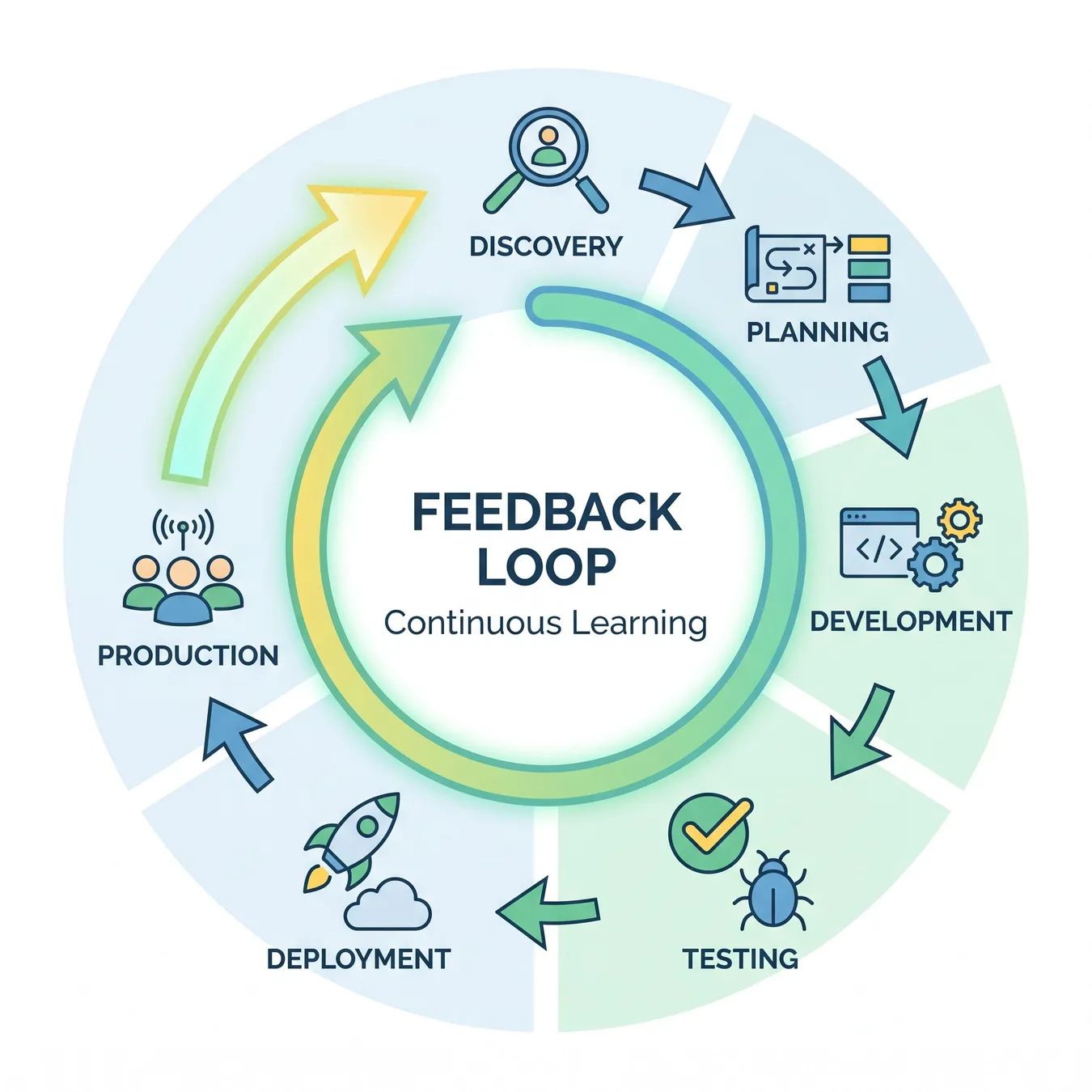
The cyclical nature of modern software product management.
Leveraging Agile PLM Tools for Efficiency
Modern teams rely on an agile plm tool to bridge the gap between high-level strategy and daily engineering tasks. These tools provide a single source of truth for requirements, documentation, and release status.
| Feature | Standard Project Tool | Agile PLM Tool |
|---|---|---|
| Scope | Task-based | Product-centric |
| Visibility | Individual sprints | Full lifecycle |
| Integration | Limited | Deep dev-ops links |
The Role of Agile in Product Management
An agile product management lifecycle allows for rapid pivots based on real-world data. By breaking down the build into manageable chunks, teams can deliver value faster while maintaining architectural integrity.
Tip.
// Pro Tip
Discovery: The Foundation of the Lifecycle
Discovery is the most critical phase of the software product life cycle management process. It involves identifying the right problem to solve before committing expensive engineering resources to a solution.
- User persona identification and interview analysis
- Competitive landscape mapping and gap analysis
- Technical feasibility audits for complex integrations
- Rapid prototyping to test core assumptions
Transitioning from Discovery to Development
Once discovery is complete, the product manager in software development must translate insights into actionable tickets. This is where the roadmap meets the reality of code.
Choosing Your Management Stack
Selecting the right product management lifecycle software is a strategic decision. The stack should support both the creative freedom of discovery and the rigorous discipline of production engineering.
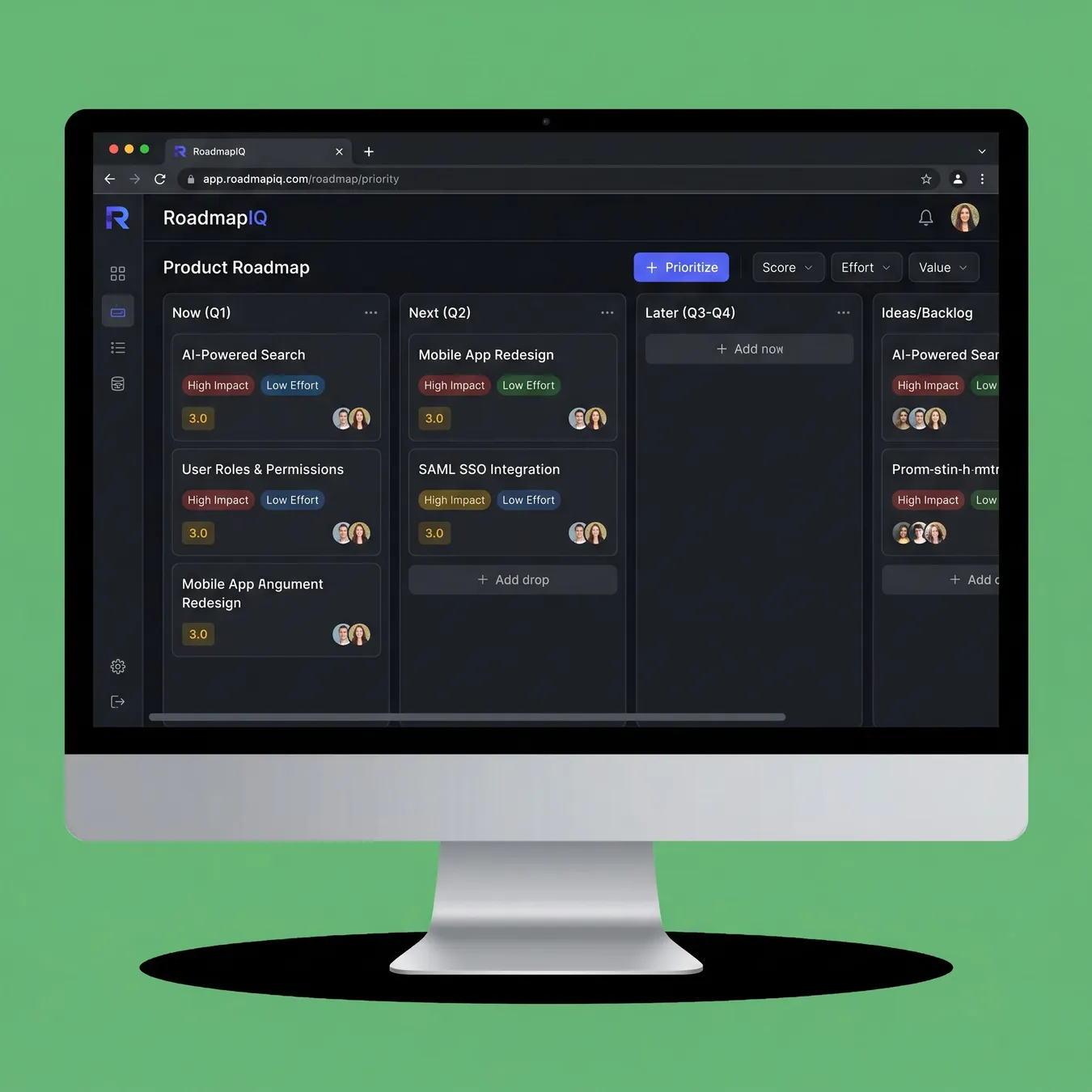
Strategic roadmapping interface.
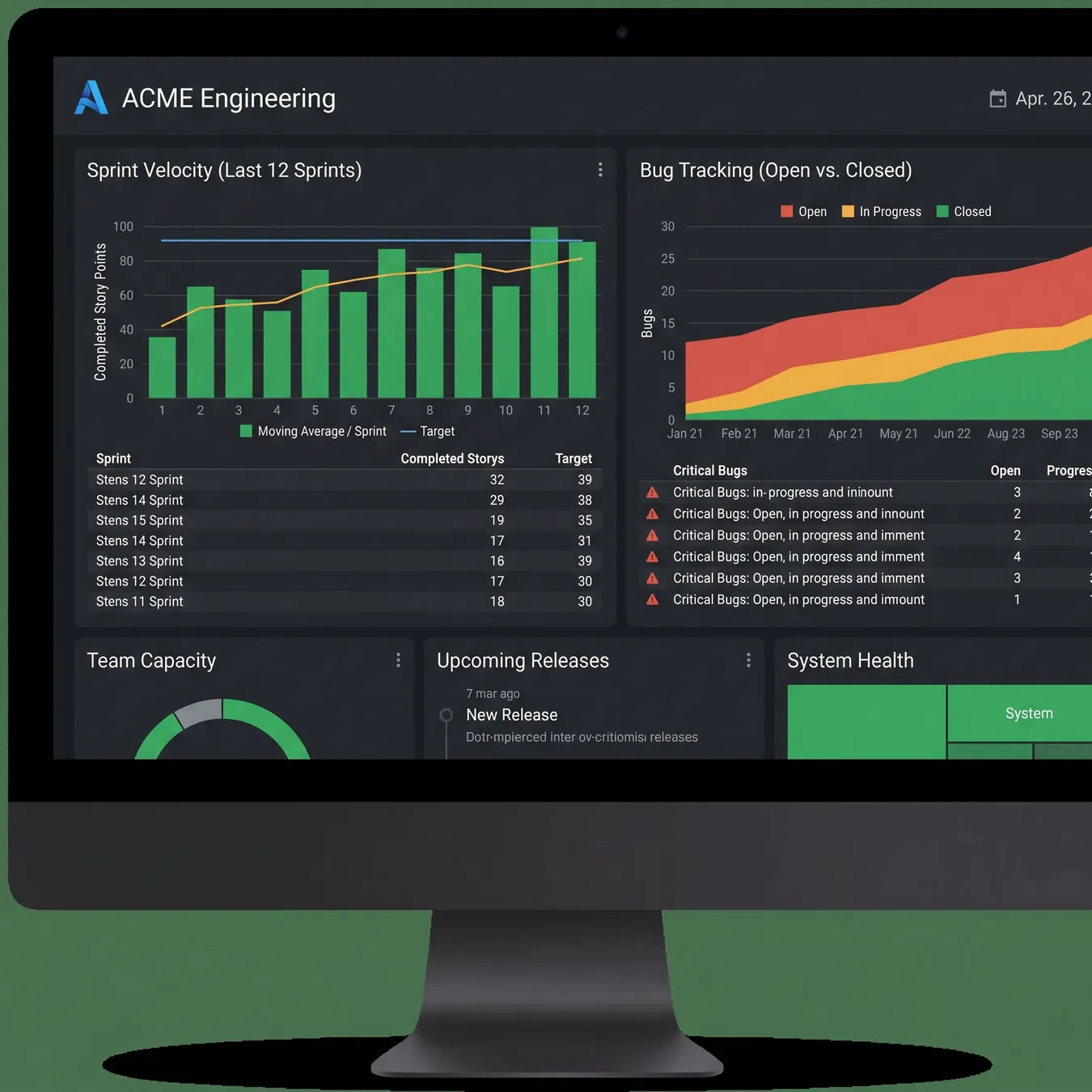
Engineering execution dashboard.
Agile Development and Iterative Shipping
During the build phase, using agile software development tools helps maintain a steady rhythm of releases. This ensures that the product evolves based on continuous integration and feedback.
Setting Milestones for Success
Predictability in software delivery comes from well-defined agile project milestones. These markers help stakeholders understand progress without getting lost in the weeds of technical implementation.
The Path to a Scale-Ready MVP
For many startups, the first major goal is an agile development mvp. This version of the product must be functional enough to attract users but architected well enough to scale when they arrive.
Production Hardening: The Final Mile
Production hardening is often overlooked but essential. It involves moving from a 'working' product to a 'durable' one that can handle real-world stress, security threats, and high concurrency.
99.9%
Target Uptime for Production
200ms
Max Latency for Core Actions
100%
Automated Test Coverage for Critical Paths
Common Pitfalls in Lifecycle Management
Maintain a living roadmap that adapts to data
Prioritize technical debt alongside new features
Automate testing and deployment early
Skip the discovery phase to start coding faster
Ignore security until the week before launch
Use tools that don't integrate with dev workflows
Scaling the Lifecycle for Enterprise
As products grow, the lifecycle becomes more complex. Managing multiple teams and interconnected services requires a more robust approach to governance and release management.
Bridging Strategy and Execution
At Studio 402, we believe that software product life cycle management is not just a process—it is the foundation of engineering excellence. We help teams move from fragile prototypes to production-ready systems by bridging the gap between product strategy and technical execution.
Whether you are building a new MVP or rescuing a codebase that has hit its limits, our approach ensures that your product is architected for the long haul, not just the next demo.
Frequently Asked Questions
Next Steps for Your Product
Managing a complex software lifecycle requires a partner who understands both the business goals and the technical constraints. If your current process is slowing you down, it may be time to audit your lifecycle management strategy.
Build Your Product the Right Way
From discovery to production-ready code, Studio 402 helps you ship software that scales. Let's discuss your product roadmap.
Keep reading
More in Product Management & Operations
Effective lifecycle management is the difference between a product that survives and one that thrives. By focusing on discovery, agile execution, and production hardening, you create a foundation for long-term success.
Continuous Improvement in PLM
The lifecycle doesn't end at launch. Post-launch monitoring and user feedback loops are the inputs for the next discovery phase, creating a virtuous cycle of improvement.
Great software isn't just built; it's managed through every stage of its life to ensure it never stops delivering value.
Studio 402 Engineering Team
Final Readiness Checklist
User documentation is complete
Internal support team is briefed
Rollback plan is documented and tested
By following these structured phases, you ensure that your software product life cycle management is robust, predictable, and geared toward high-quality production outcomes.
Studio 402 specializes in these end-to-end transitions, ensuring that your vision becomes a durable reality.