
Workflow Engineering for High-Velocity Product Teams
Workflow engineering is the discipline of designing and maintaining the internal systems that power a software engineering workflow. For high-growth teams, this means moving beyond ad-hoc tasks toward durable, automated processes that eliminate manual drag.
40%
Reduction in operational drag
2.5x
Increase in deployment frequency
0
Manual handoff dependencies
The Core Pillars of Workflow Engineering
To achieve predictable shipping cycles, teams must treat their internal processes as a product. This involves identifying workflow bottlenecks and applying engineering rigor to solve them through automation and better system design.
- Automated environment provisioning
- Standardized CI/CD pipelines
- Integrated quality gates
- Automated documentation updates
- Self-healing infrastructure monitors
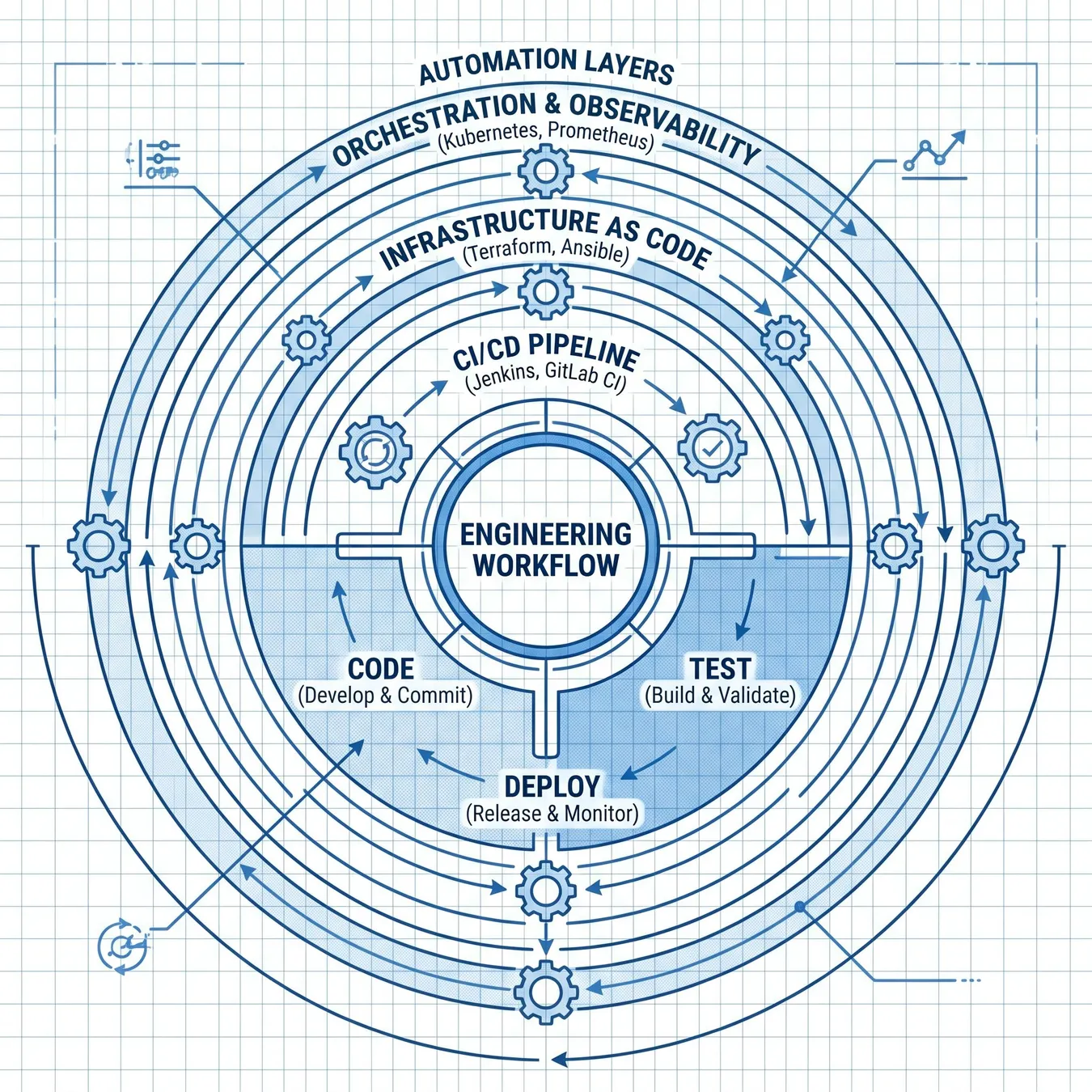
Visualizing the automated engineering lifecycle.
Why Velocity Stalls in Growth-Stage Teams
As teams scale, the complexity of coordination often outpaces the speed of individual contributors. Without proper developer productivity engineering, developers spend more time managing tools than writing code.
Info.
// The Coordination Tax
Investing in developer productivity engineering ensures that your infrastructure supports your headcount. It transforms manual checklists into executable code.
Designing Durable Internal Systems
Durable systems are those that survive personnel changes and scaling events. They are documented, version-controlled, and observable.
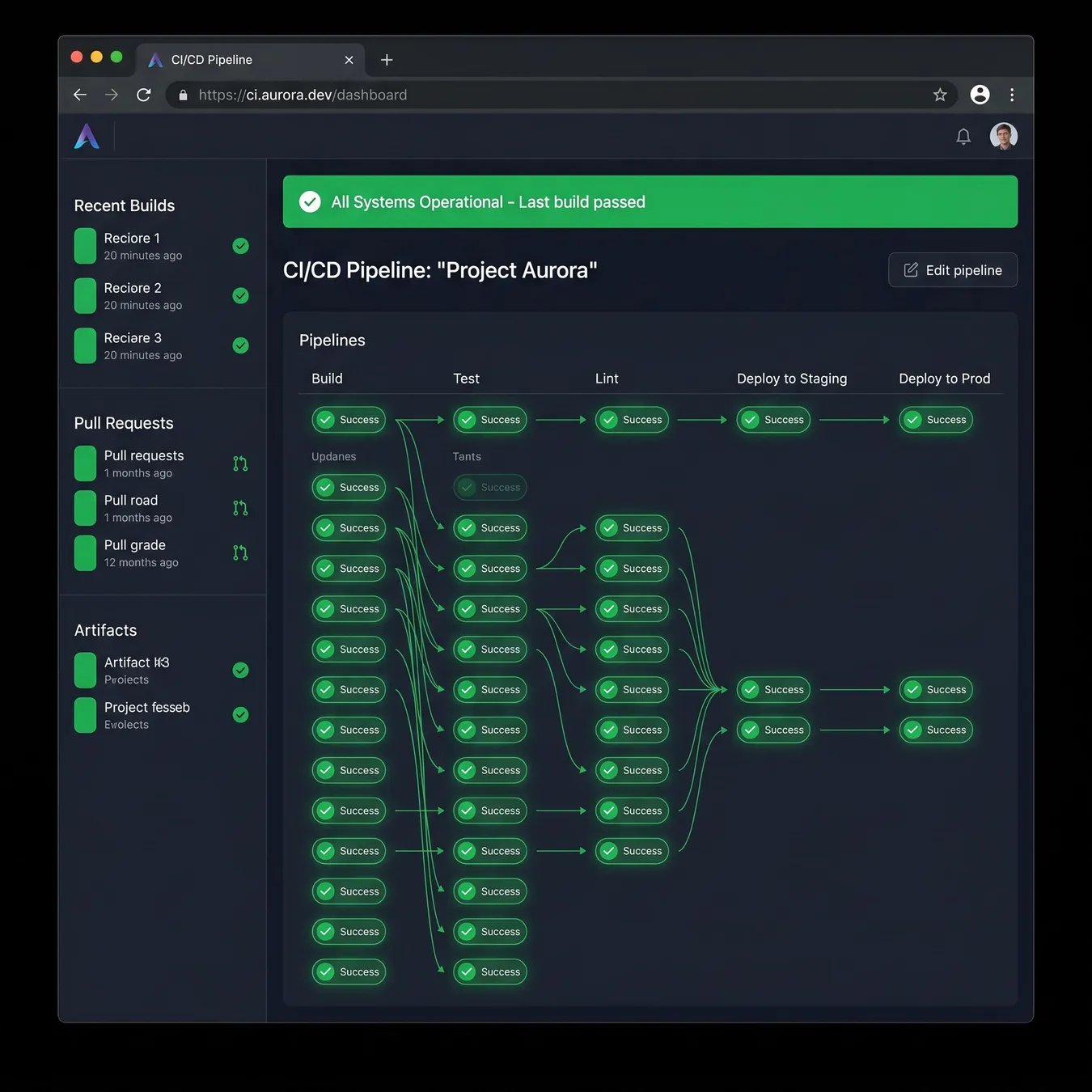
Automated CI gates.

IaC deployment logs.
Eliminating Manual Handoffs
Manual handoffs are the primary source of error and delay. By using APIs to connect project management tools directly to deployment pipelines, you create a single source of truth.
The Role of Complex Automation Logic
Basic triggers often fail when business logic becomes non-linear. High-velocity teams require complex workflow automation to handle conditional deployments and multi-region synchronization.
Automate repetitive security scans
Use infrastructure as code for all environments
Monitor workflow latency as a key metric
Rely on 'tribal knowledge' for deployments
Hardcode environment variables in scripts
Ignore failed builds in non-production branches
Workflow Engineering Implementation Roadmap
01 / 04
phase 01 / 04
Audit
phase 02 / 04
Identify Friction
phase 03 / 04
Automate Gates
phase 04 / 04
Standardize
Comparing Workflow Maturity Levels
| Feature | Ad-Hoc Team | High-Velocity Team |
|---|---|---|
| Deployment | Manual/Scripted | Fully Automated CI/CD |
| Testing | Spot checking | Automated Regression |
| Infrastructure | Click-ops | Terraform/CloudFormation |
Measuring Success in Workflow Engineering
Success isn't just about speed; it's about predictability. Metrics like Lead Time for Changes and Change Failure Rate provide a clear picture of system health.
Lead Time for Changes
This metric tracks the time it takes for code to go from a developer's machine to the customer. Workflow engineering aims to minimize this without sacrificing safety.
Common Workflow Engineering Challenges
The Impact of AI on Engineering Workflows
In 2026, AI is no longer just for writing code; it's for managing the workflow itself. AI agents can now triage bugs, suggest infrastructure optimizations, and even predict deployment risks.
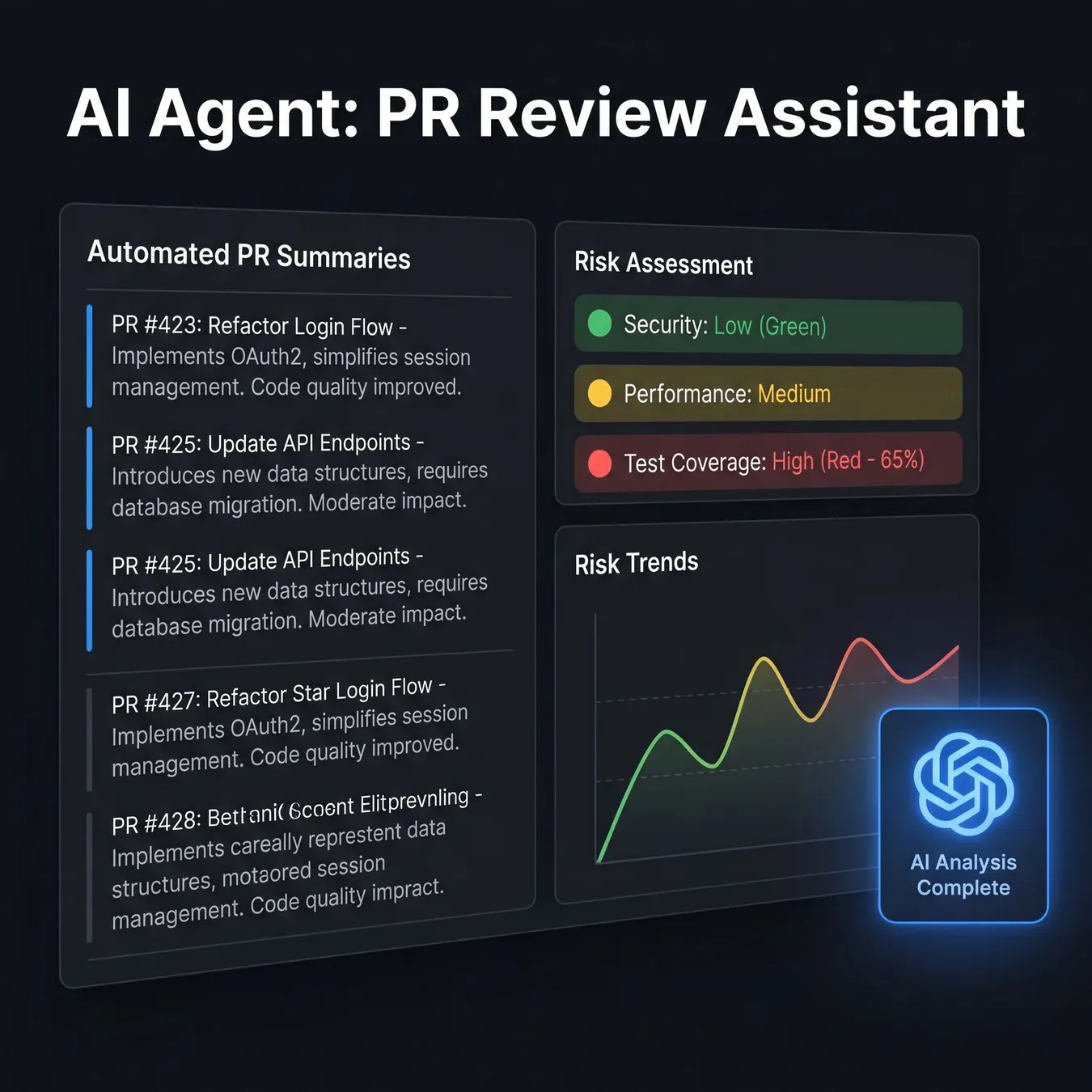
AI-driven workflow assistance.
Transitioning from Prototypes to Production
Many teams start with 'vibe-coded' prototypes that work in isolation but fail under the weight of a real production environment. Workflow engineering is the bridge that hardens these ideas into scalable software.
Hardening the Pipeline
Hardening involves adding security layers, compliance checks, and performance monitoring directly into the automated workflow.
Workflow Engineering Best Practices
All infrastructure is defined in code
Zero manual steps between PR approval and staging
Automated rollbacks on failed health checks
Centralized logging and observability
Case Study: Scaling a Series B SaaS
We recently helped a growth-stage fintech company reduce their deployment time from 4 days to 15 minutes by re-engineering their CI/CD gates and automating their compliance reporting.
Workflow engineering changed our culture. We stopped fighting the tools and started shipping features again.
Sarah Chen · VP of Engineering
The Future of High-Velocity Shipping
As we look toward the future of software delivery, the teams that win will be those that treat their internal operations with the same care as their customer-facing products.
Autonomous Workflows
The next frontier is autonomous workflows—systems that not only execute tasks but also optimize themselves based on real-time performance data.
How Studio 402 Can Help
At Studio 402, we don't just build apps; we build the systems that build apps. Whether you are scaling an MVP or rescuing a fragile codebase, we engineer the workflows you need to ship with confidence.

Engineering durable foundations at Studio 402.
Our Approach to Workflow Design
- 01
Deep dive into current bottlenecks
- 02
Architecture of custom automation layers
- 03
Implementation of production-grade CI/CD
- 04
Ongoing support and optimization
Ready to Eliminate Operational Drag?
Don't let manual processes hold your product back. Let's design a workflow that scales with your ambition.
Build a High-Velocity Workflow
Stop fighting your tools and start shipping faster. Contact Studio 402 to engineer your production systems.
Explore More Resources
Keep reading
More in AI-Assisted Engineering & QA
- Engineering
- Automation
- Productivity
- Scale
Trusted by growth-stage teams across the US and Europe.
Updated July 2026