
Automating AWS AI Code Reviews for Production Hardening
Modern engineering teams face a constant tension between shipping speed and code quality. Implementing an aws ai code review workflow allows teams to automate the detection of security vulnerabilities and architectural anti-patterns before they reach production.
45%
Reduction in manual review time
90%
Security vulnerability detection
24/7
Automated audit availability
The Role of AI in AWS Code Auditing
AWS provides a suite of native tools designed to integrate directly into your CI/CD pipelines. By using machine learning models trained on millions of open-source projects, these tools identify complex bugs that traditional static analysis might miss.
- Automated identification of hardcoded credentials
- Detection of inefficient resource utilization
- Real-time feedback for developers during the PR process
- Alignment with AWS Well-Architected Framework pillars
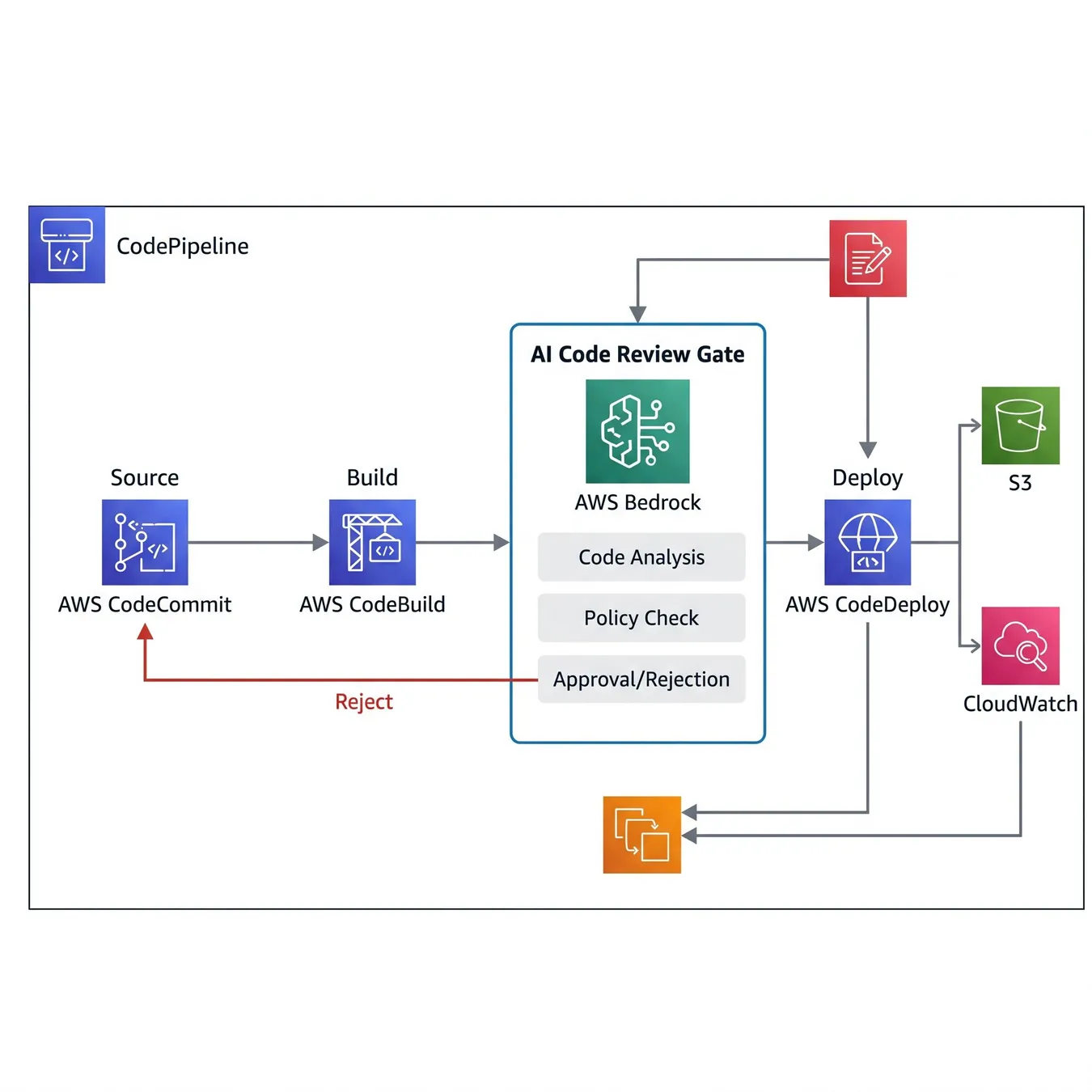
Integrating AI-driven gates into standard AWS deployment pipelines.
Core AWS Tools for Automated Reviews
To achieve production hardening, you must leverage the right combination of services. Amazon CodeGuru Reviewer and Amazon Q Developer are the primary drivers for these automated audits.
Amazon CodeGuru Reviewer
CodeGuru focuses on finding the 'expensive' bugs—concurrency issues, resource leaks, and security gaps. It provides actionable recommendations with links to documentation.
Amazon Q Developer Integration
Amazon Q acts as a generative AI assistant that can explain why a specific code block is problematic and suggest a refactored version that adheres to code review best practices.
Implementing the Automation Workflow
Setting up an automated review system requires a structured approach to ensure it doesn't become a source of developer friction.
01 / 04
phase 01 / 04
Repository Association
phase 02 / 04
Pipeline Integration
phase 03 / 04
Policy Definition
phase 04 / 04
Feedback Loop
Security Hardening with AI
Automated reviews are a critical component of devops security automation, ensuring that every line of code is scanned for secrets and common vulnerabilities (CVEs) before it is merged.
Info.
// Proactive Defense
Comparison: AI vs. Manual Reviews
Trade-off
3 pros · 3 cons
Pros
Instant feedback on every commit
Consistent application of rules
Scales with team size easily
Cons
May lack business logic context
Occasional false positives
Initial setup time required
Best Practices for Production Hardening
To get the most out of your automation, follow these ai-assisted code review best practices to balance speed with rigorous safety standards.
Use AI as a first-pass filter
Set clear thresholds for critical bugs
Regularly update your scanning rules
Ignore AI warnings without review
Replace human reviews entirely
Scan without a clear remediation plan
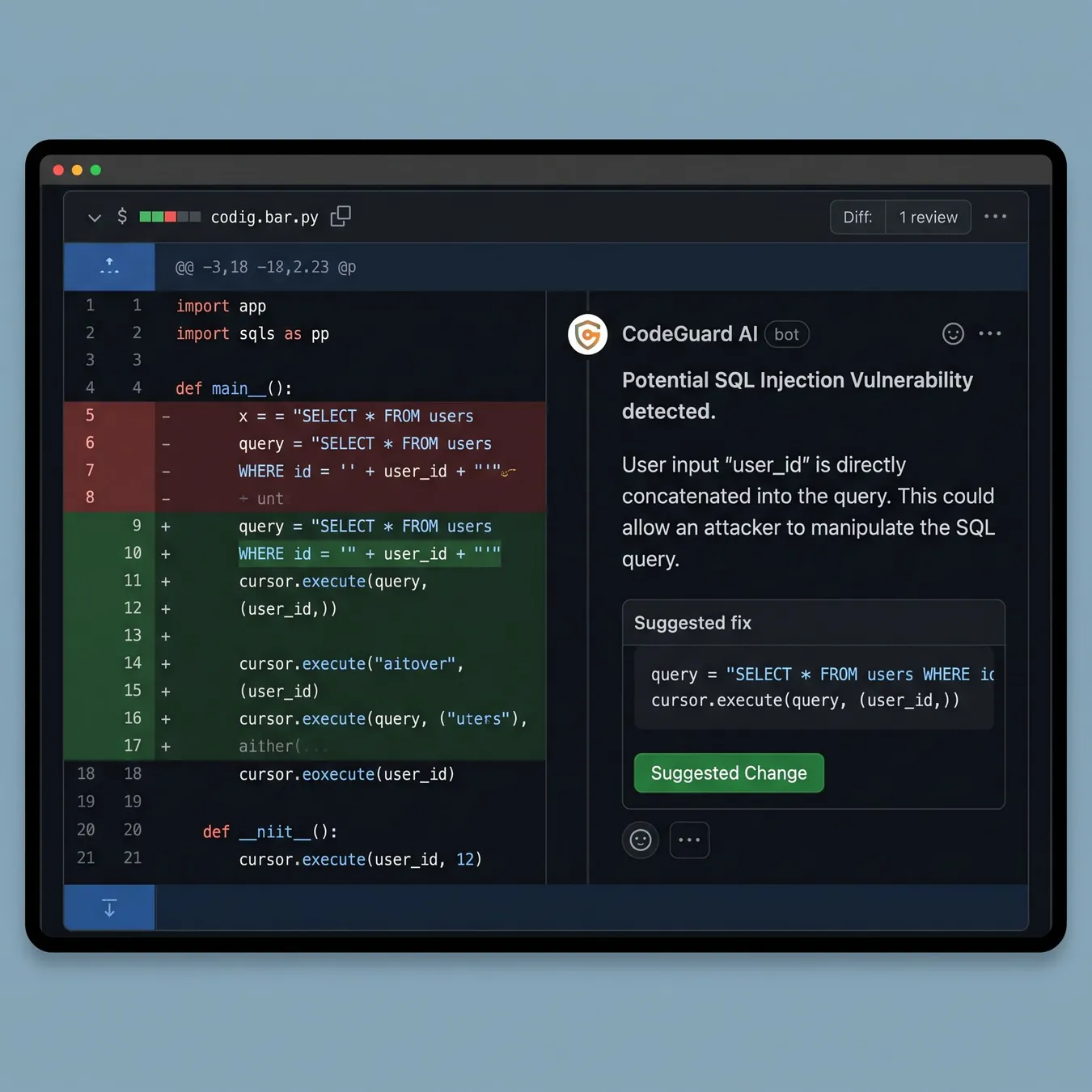
AI-driven security suggestions within the developer workflow.
Architectural Review Automation
Beyond syntax and security, AWS AI tools can evaluate if your code follows architectural best practices, such as proper use of SDKs and efficient Lambda configurations.
- 01
Check for proper error handling in async calls
- 02
Verify IAM policy least-privilege adherence
- 03
Identify over-provisioned resources in IaC files
The Production Hardening Checklist
Before moving to a fully automated model, ensure your team is using a code review checklist best practices framework to maintain high standards.
Enable CodeGuru Security Scanning
Configure Amazon Q for PR summaries
Set up Slack/Teams notifications for findings
Define 'Blocker' severity levels
Handling False Positives
No AI is perfect. Managing false positives is essential to prevent 'alert fatigue' among your senior engineers.
Tip.
// Tuning the Engine
Cost Considerations for AWS AI Reviews
| Service | Pricing Model | Best For |
|---|---|---|
| CodeGuru Reviewer | Per line of code scanned | Deep security audits |
| Amazon Q Developer | Tiered subscription | Day-to-day coding help |
| AWS Inspector | Per instance/image | Runtime vulnerabilities |
Integrating with Infrastructure as Code (IaC)
Production hardening isn't just for application code. AWS AI tools can also review Terraform and CloudFormation templates to prevent infrastructure misconfigurations.
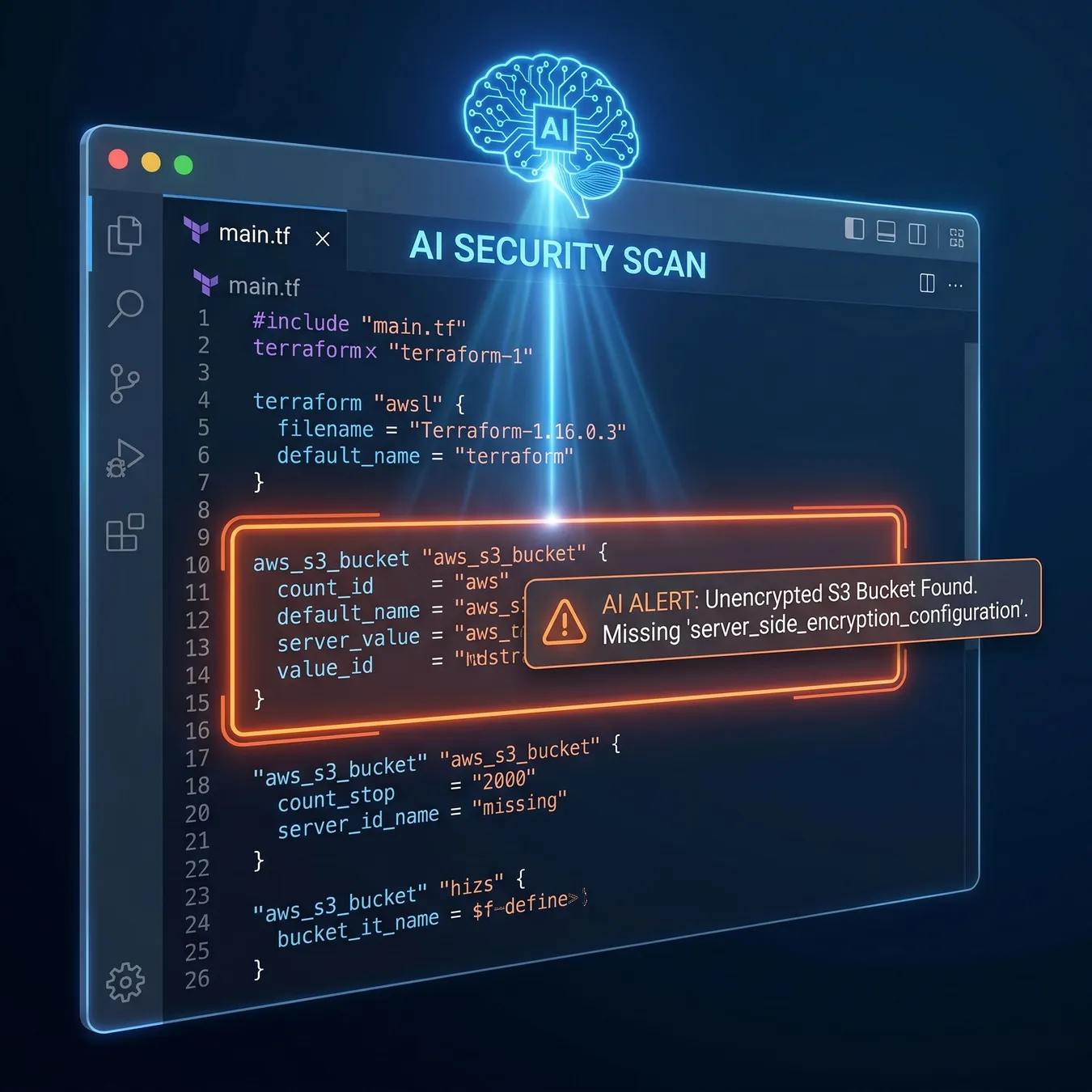
Extending AI audits to Infrastructure as Code.
Measuring Success in Automation
Track key metrics to justify the investment in AI-native engineering tools. Look for trends in 'Time to Merge' and 'Production Incidents'.
- Mean time to resolve security findings
- Percentage of PRs requiring human intervention
- Developer satisfaction scores with AI feedback
Common Implementation Pitfalls
Many teams fail by treating AI as a 'set and forget' solution. Success requires cultural alignment and clear ownership of the automation stack.
Bridging to Production-Ready Systems
At Studio 402, we understand that implementing these tools is only half the battle. True production hardening requires a holistic approach to cloud infrastructure and engineering discipline.
If you are struggling with a codebase that feels fragile or a deployment pipeline that lacks safety gates, we can help you architect a durable solution that scales.
Automated reviews aren't just about catching bugs; they are about building a culture of continuous improvement and operational excellence.
Studio 402 Engineering Team
How Studio 402 Hardens Your Codebase
We specialize in rescuing 'vibe-coded' prototypes and turning them into secure, production-grade SaaS platforms. Our team integrates AWS AI tools as part of a broader reliability strategy.
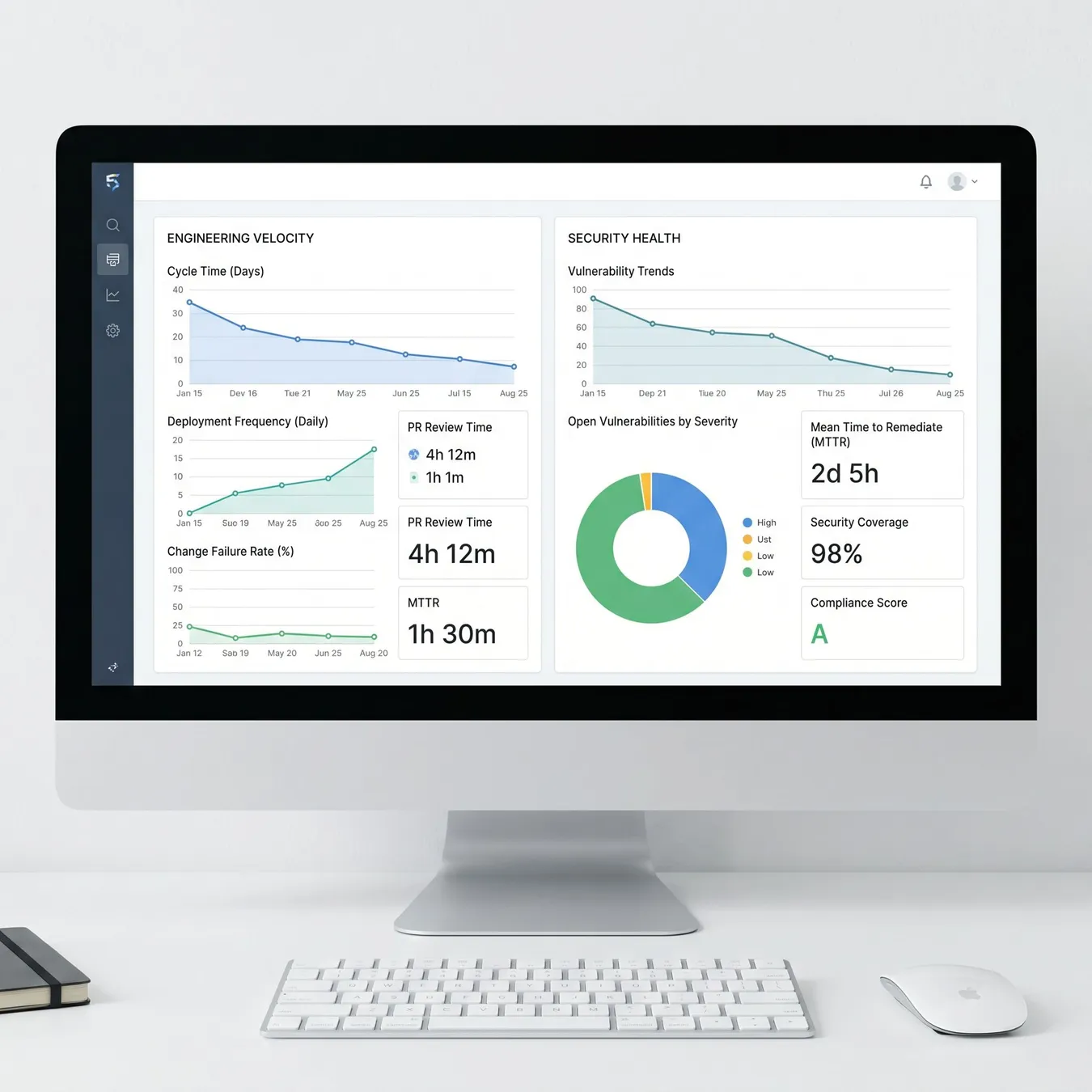
Operational visibility for growth-stage teams.
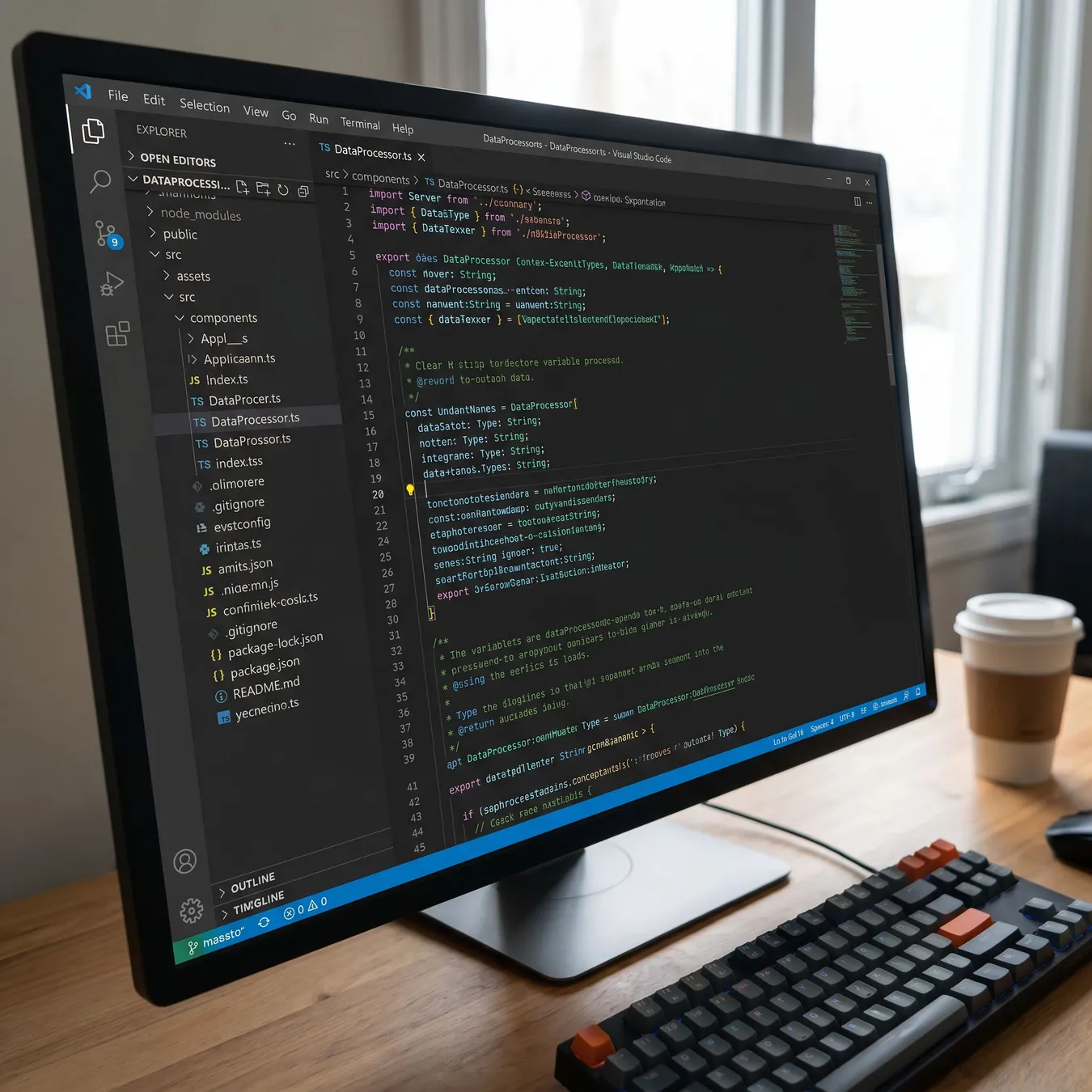
Craftsmanship meets automation.
Whether you need a full code audit or a complete rebuild of your CI/CD infrastructure, we provide the senior engineering leadership required to ship with confidence.
Harden Your Production Pipeline
Stop shipping fragile code. Let's implement a production-ready AWS AI review system for your team.
Keep reading