
Overview
The Impact of AI on the Software Development Lifecycle
AI-native engineering is redefining the SDLC from initial planning to production hardening. Discover how automation and intelligence are accelerating delivery cycles.
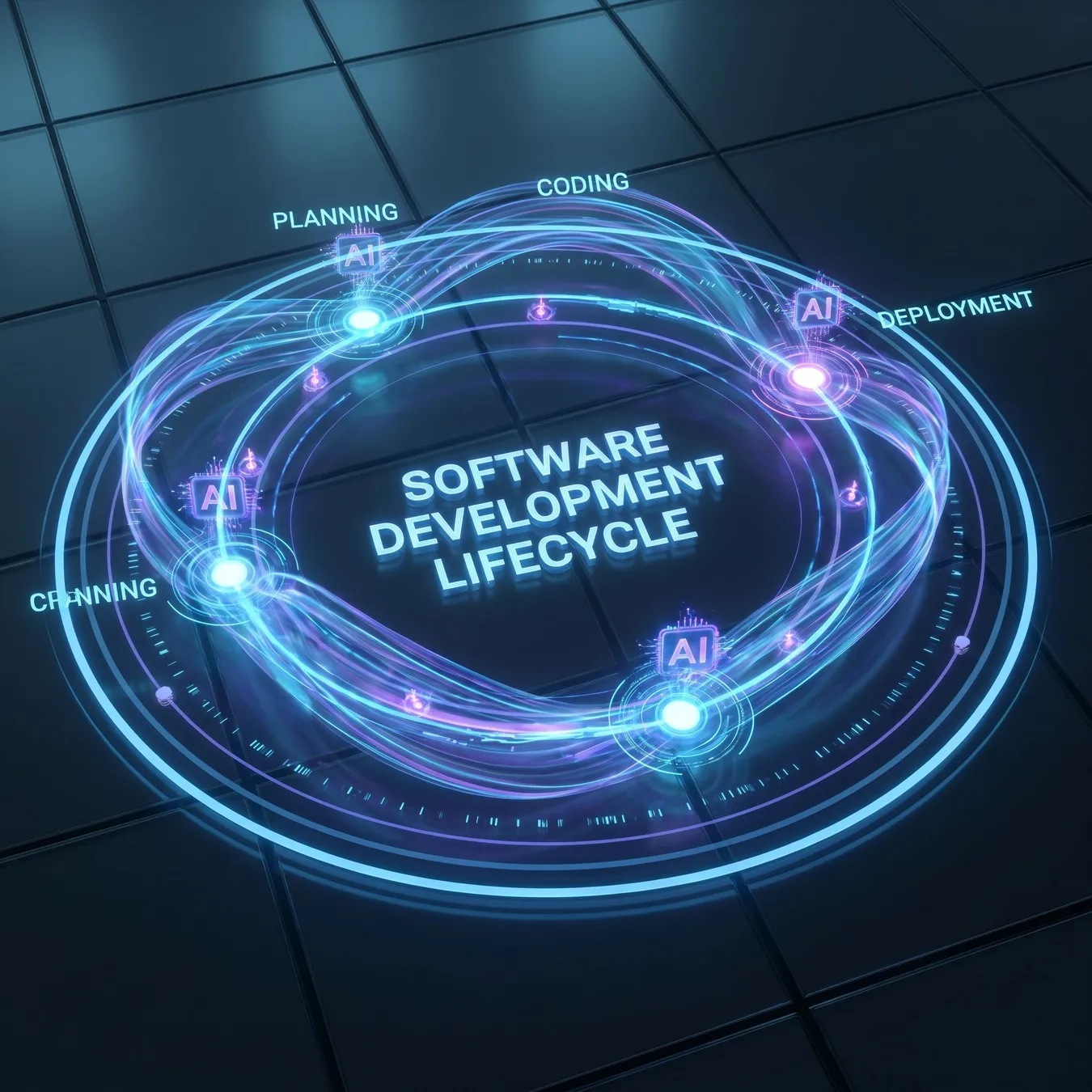
Impact of AI on the Software Development Lifecycle
The impact of ai on software development lifecycle is no longer theoretical; it is a fundamental shift in how engineering teams plan, build, and maintain systems. By integrating ai in software development, teams are moving from manual, linear processes to iterative, high-velocity workflows.
40%
Reduction in manual coding time
2.5x
Increase in deployment frequency
60%
Faster bug detection in QA
Redefining the Planning Phase with AI Insights
AI automation in software development lifecycle begins long before the first line of code is written. Modern engineering teams use predictive models to estimate project timelines and identify potential architectural bottlenecks early.
- Automated requirement analysis to identify edge cases.
- Predictive resource allocation based on historical sprint data.
- AI-assisted technical feasibility studies for complex integrations.
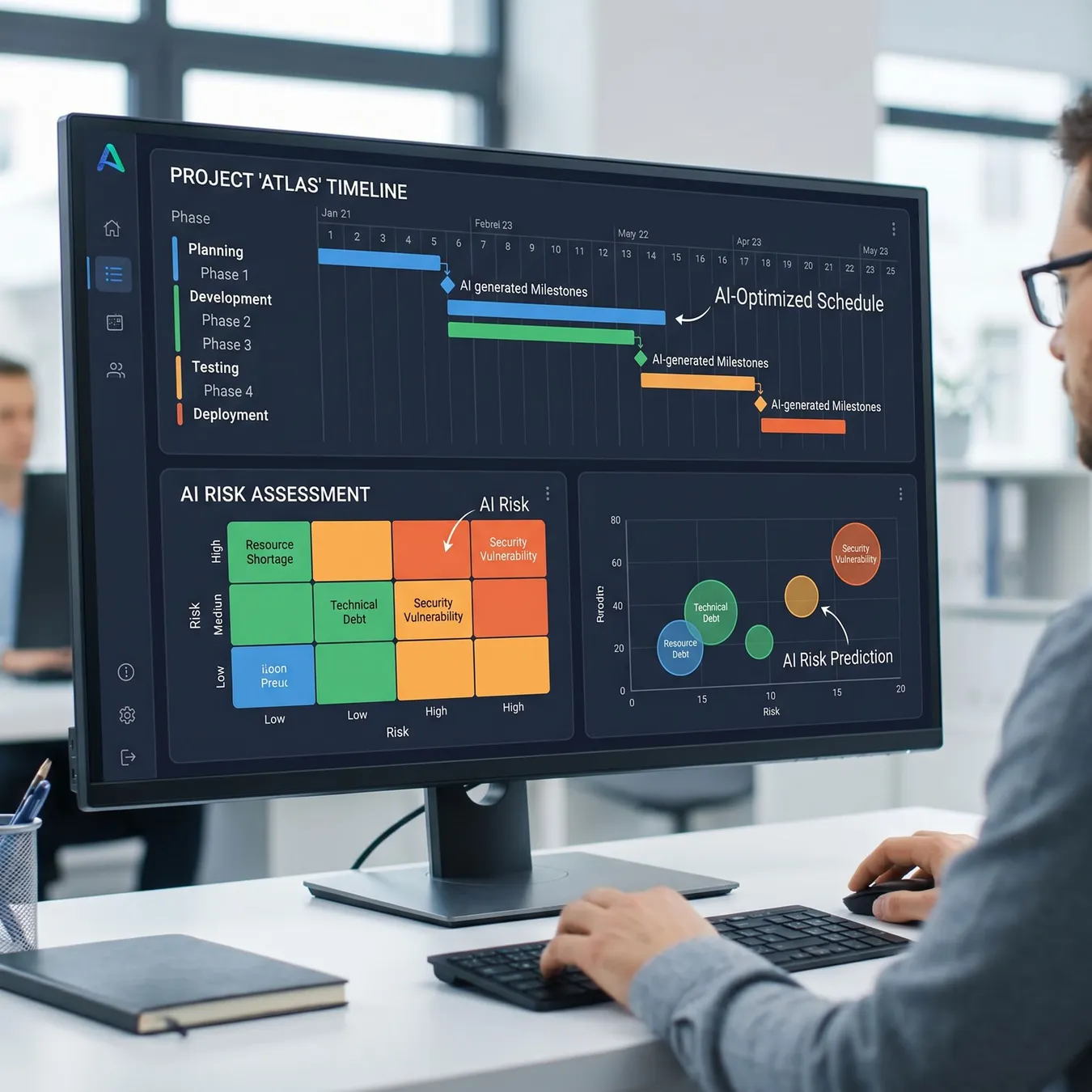
AI-driven project planning and risk forecasting.
Accelerating Development: Beyond Simple Autocomplete
While many view AI as a simple coding assistant, its true power lies in modern software engineering practices that leverage agentic workflows to handle boilerplate and complex refactoring tasks.
Trade-off
3 pros · 3 cons
Pros
Instant boilerplate generation
Real-time syntax and logic error detection
Automated documentation generation
Cons
Potential for hallucinated library calls
Risk of introducing insecure patterns
Over-reliance on generated logic
The Shift in Quality Assurance and Testing
Testing is often the primary bottleneck in the SDLC. By utilizing software testing ai, teams can generate comprehensive test suites that cover edge cases often missed by human testers.
Automated unit test generation for new features
AI-driven regression testing to prevent breaking changes
Visual regression testing for UI consistency
AI-Native Code Reviews and Security Hardening
Integrating AI into the review process ensures that security vulnerabilities are caught before they reach production. Following ai-assisted code review best practices allows teams to maintain high standards without slowing down.
Info.
// Security First
Deployment and Production Monitoring
The SDLC doesn't end at deployment. AI-driven observability tools monitor production environments to detect anomalies and predict failures before they impact users.
01 / 03
phase 01 / 03
Automated Staging
phase 02 / 03
Canary Releases
phase 03 / 03
Self-Healing Systems
Maintenance and Technical Debt Management
AI helps manage the 'long tail' of software development by identifying dead code, suggesting refactors, and automating dependency updates to keep the codebase healthy.
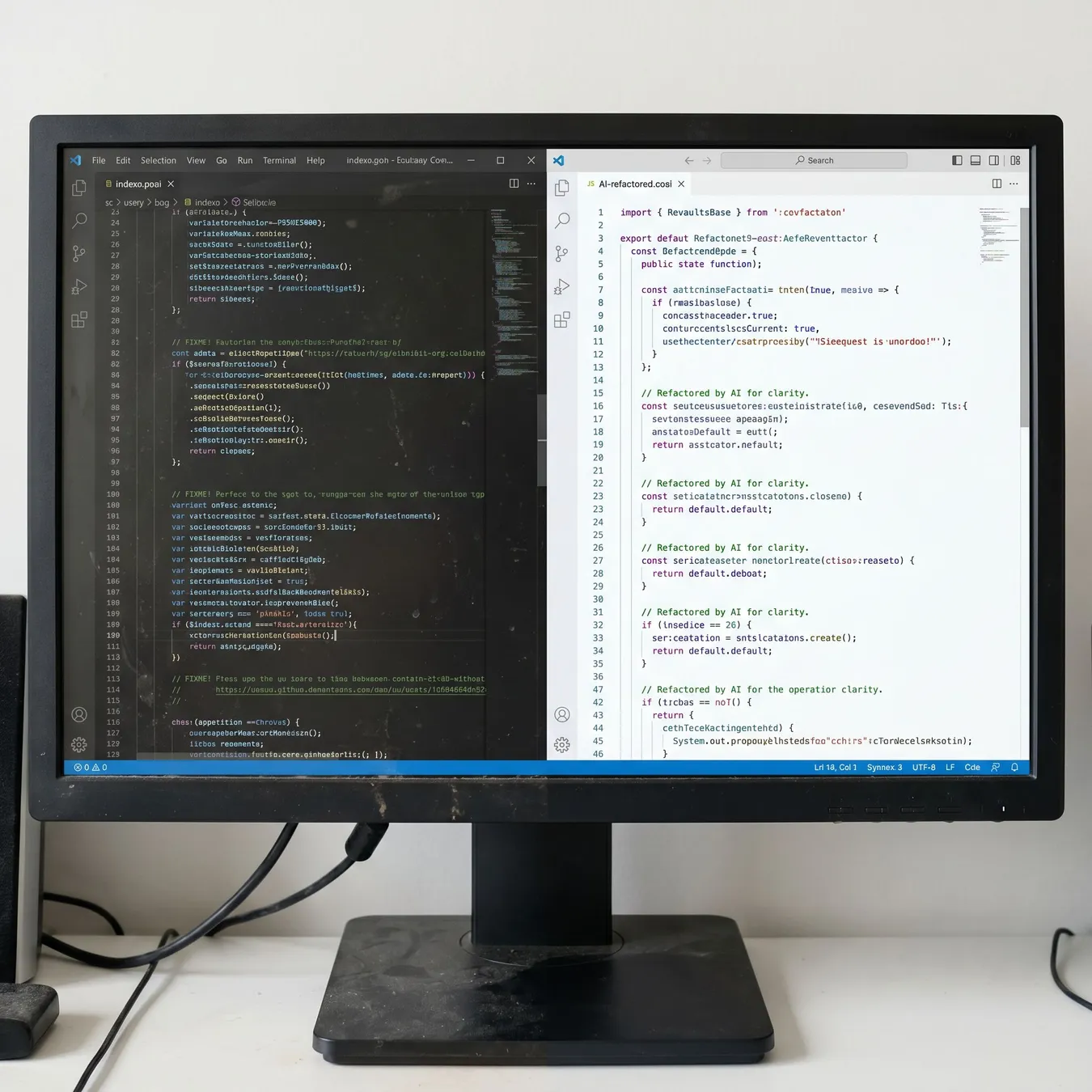
Automated code refactoring for maintainability.
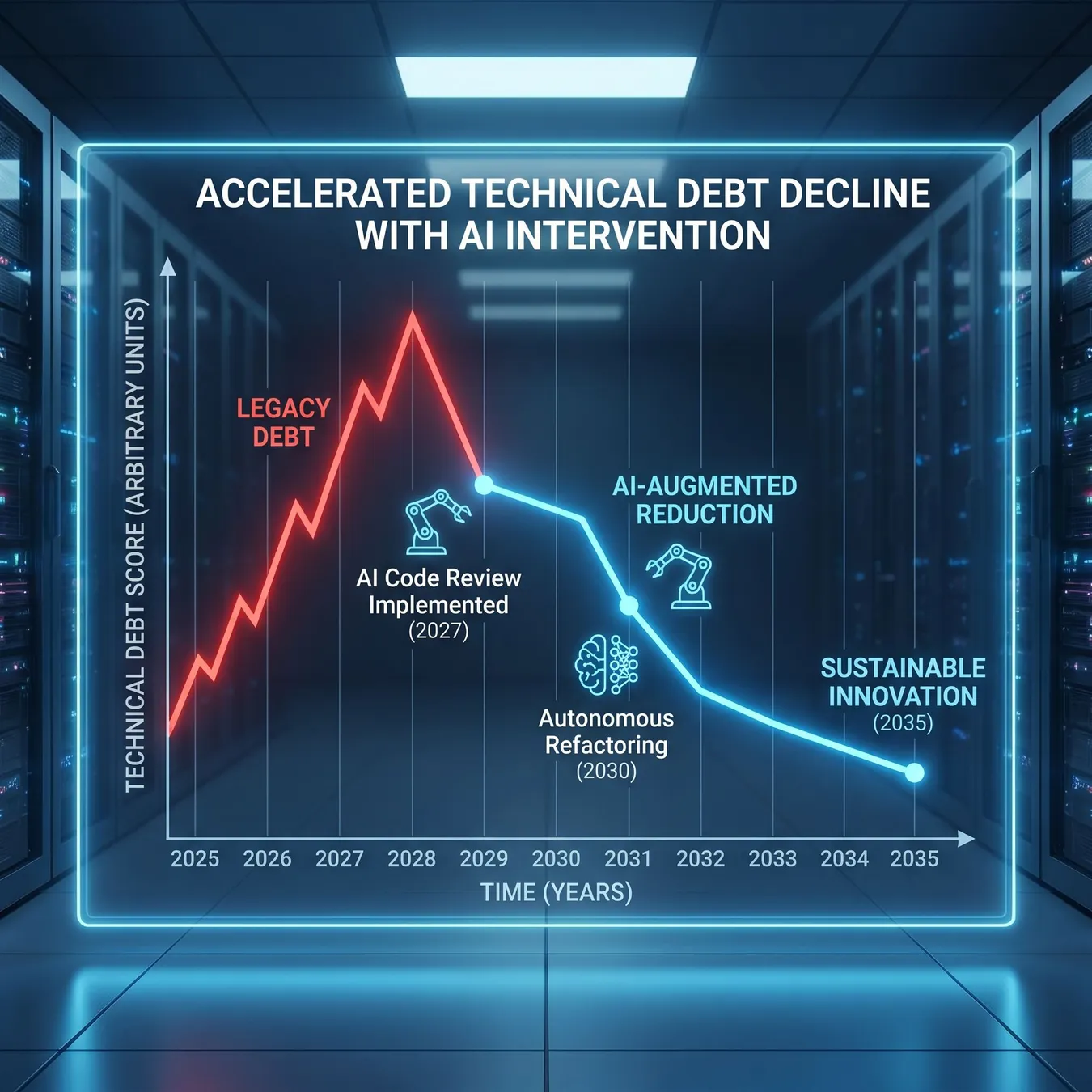
Long-term technical debt reduction.
Integrating AI into Existing Ecosystems
For established companies, the challenge lies in integrating artificial intelligence into legacy stacks without disrupting current operations.
Start with AI-assisted QA to build trust.
Use AI for boilerplate and unit tests first.
Keep a human-in-the-loop for critical logic reviews.
Blindly commit AI-generated code without review.
Ignore the security implications of LLM suggestions.
Replace senior oversight with automated tools entirely.
The Future of AI-Native Engineering
We are moving toward a future where the SDLC is a collaborative effort between human architects and autonomous AI agents, resulting in more durable and scalable software.
AI doesn't replace the engineer; it replaces the friction between an idea and a production-ready system.
Studio 402 Engineering Team
Common Questions on AI in the SDLC
Bridging Strategy and Execution
Understanding the impact of AI is only the first step. Implementing these systems requires a partner who understands both the potential of AI and the rigors of production engineering.
At Studio 402, we don't just build prototypes; we build foundations. Whether you are launching a new MVP or rescuing a fragile AI-built application, we bring production-grade discipline to every stage of the lifecycle.
Trusted by growth-stage teams to ship production-ready AI systems.
From MVP to scale-ready infrastructure.
Next Steps for Your Engineering Workflow
If you're ready to modernize your development process, our team can help you audit your current SDLC and integrate AI where it creates the most leverage.
Build Your AI-Native Future
Ready to transform your software development lifecycle with production-grade AI? Let's discuss your project.
Deep Dive into SDLC Automation
SDLC Phase Comparison: Traditional vs. AI-Native
| Phase | Traditional Approach | AI-Native Approach |
|---|---|---|
| Planning | Manual estimation | Data-driven forecasting |
| Coding | Manual boilerplate | Agentic generation |
| Testing | Scripted manual QA | Autonomous test suites |
| Review | Peer-only review | AI-augmented security gates |
Maximizing Engineering Throughput
The ultimate goal of integrating AI into the SDLC is to increase velocity without sacrificing stability. This requires a balanced approach to automation.
- SDLC Optimization
- AI-Native
- Production-Ready
- DevOps
Case Study: Scaling with AI Automation
Studio 402 helped us integrate AI into our CI/CD pipeline, reducing our deployment errors by 50% while doubling our shipping speed.
Continuous Improvement in the AI Era
As AI models evolve, so too must your engineering practices. Staying ahead requires a commitment to continuous learning and architectural flexibility.
- 01
Audit current manual bottlenecks.
- 02
Pilot AI tools in non-critical paths.
- 03
Establish AI-native coding standards.
- 04
Scale automation across the full SDLC.
Final Thoughts on Lifecycle Evolution
The impact of AI on the software development lifecycle is a journey, not a destination. By embracing these tools today, you build the resilience needed for tomorrow.
Explore Related Engineering Insights
Keep reading
More in AI-Assisted Engineering & QA
Technical Summary
In summary, AI automation in software development lifecycle provides a competitive edge by streamlining workflows and enhancing code quality through intelligent intervention.
Studio 402 remains at the forefront of this evolution, helping our partners navigate the complexities of modern software delivery.
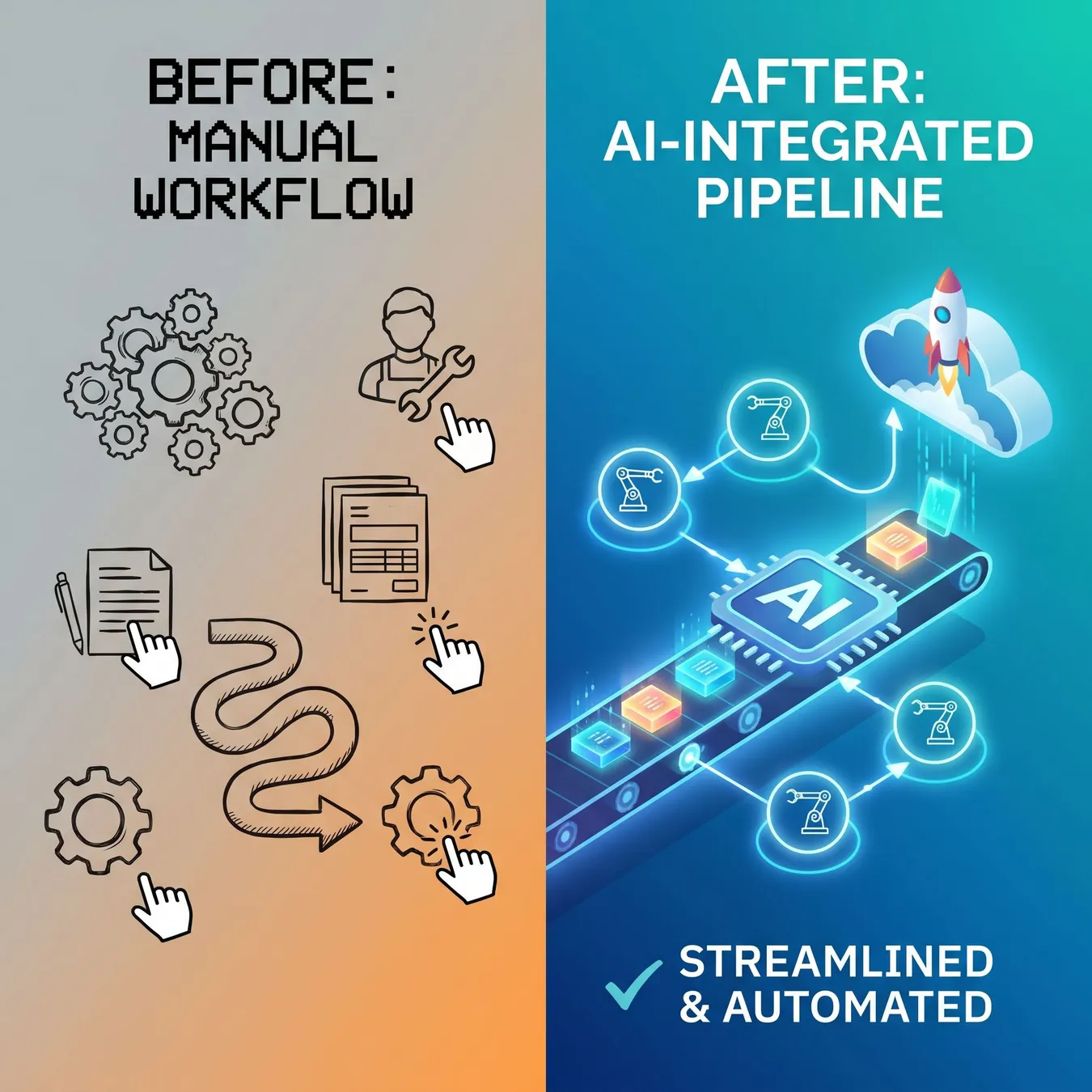
Visualizing the AI-native workflow transition.
Ready to Modernize Your Build?
Contact us today to learn how we can apply these AI-native principles to your next product build or system refactor.