
Agentic AI Tools for Software Development & Deployment
The evolution of ai in software engineering has moved beyond simple code completion to autonomous agents that can reason, plan, and execute complex tasks across the entire lifecycle.
- Autonomous Agents
- SDLC Automation
- DevOps AI
- 2026 Trends
What is Agentic AI in the Context of the SDLC?
Unlike standard LLM chat interfaces, agentic ai tools for software development and deployment lifecycle are designed to interact with your environment. They can run terminal commands, manage git branches, and deploy code.
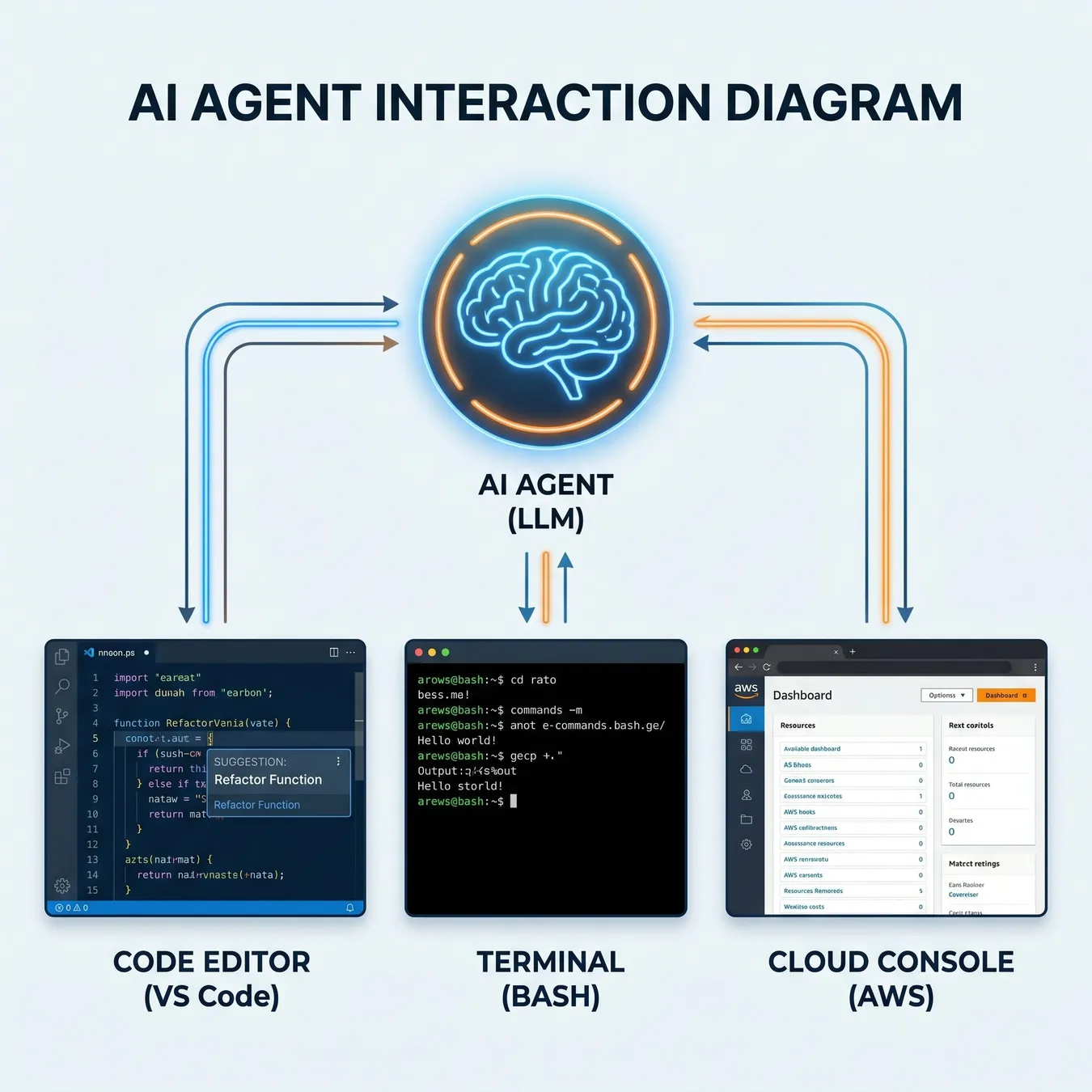
Agentic AI systems operate across multiple tools to solve engineering problems.
Core Capabilities of Agentic AI Coding Tools
Modern agentic ai coding tools full software development lifecycle support allow teams to delegate high-context tasks that previously required manual oversight.
- Autonomous bug fixing and regression testing
- Automated dependency management and security patching
- Context-aware documentation generation
- Self-healing CI/CD pipelines
- Proactive production monitoring and incident response
Integrating Agentic AI into Your Engineering Workflow
To effectively automate software development lifecycle stages, you must establish clear boundaries for where agents operate and where human approval is required.
01 / 04
phase 01 / 04
Define Scope
phase 02 / 04
Tool Selection
phase 03 / 04
Human-in-the-Loop
phase 04 / 04
Scale
Comparing Traditional Automation vs. Agentic AI
Trade-off
3 pros · 3 cons
Pros
Reasoning-based problem solving
Adapts to environment changes
Learns from codebase context
Cons
Rigid if-then logic
Breaks with minor UI/API changes
Requires manual script maintenance
Key Tools for AI Development and Orchestration
Building a robust agentic system requires specific tools for ai development that handle memory, tool-calling, and state management.
| Tool Category | Example | Primary Use Case |
|---|---|---|
| Orchestration | LangGraph | Complex cyclical workflows |
| Coding Agent | Devin / OpenDevin | End-to-end task execution |
| Infrastructure | Pulumi AI | Natural language cloud config |
The Strategic Impact of AI Adoption
Understanding the broader context of integrating ai in software development is crucial for maintaining a competitive engineering culture.
Info.
// The Operator's Perspective
Best Practices for Deploying AI Agents
Provide agents with limited, scoped permissions
Use vector databases for codebase context
Audit agent logs for security compliance
Allow agents to push directly to production
Ignore the cost of token consumption
Trust agent-generated security patches without review
Agentic AI in Quality Assurance and Testing
Agents excel at exploratory testing. They can navigate a UI, find edge cases, and write the corresponding Playwright or Cypress scripts to prevent regressions.
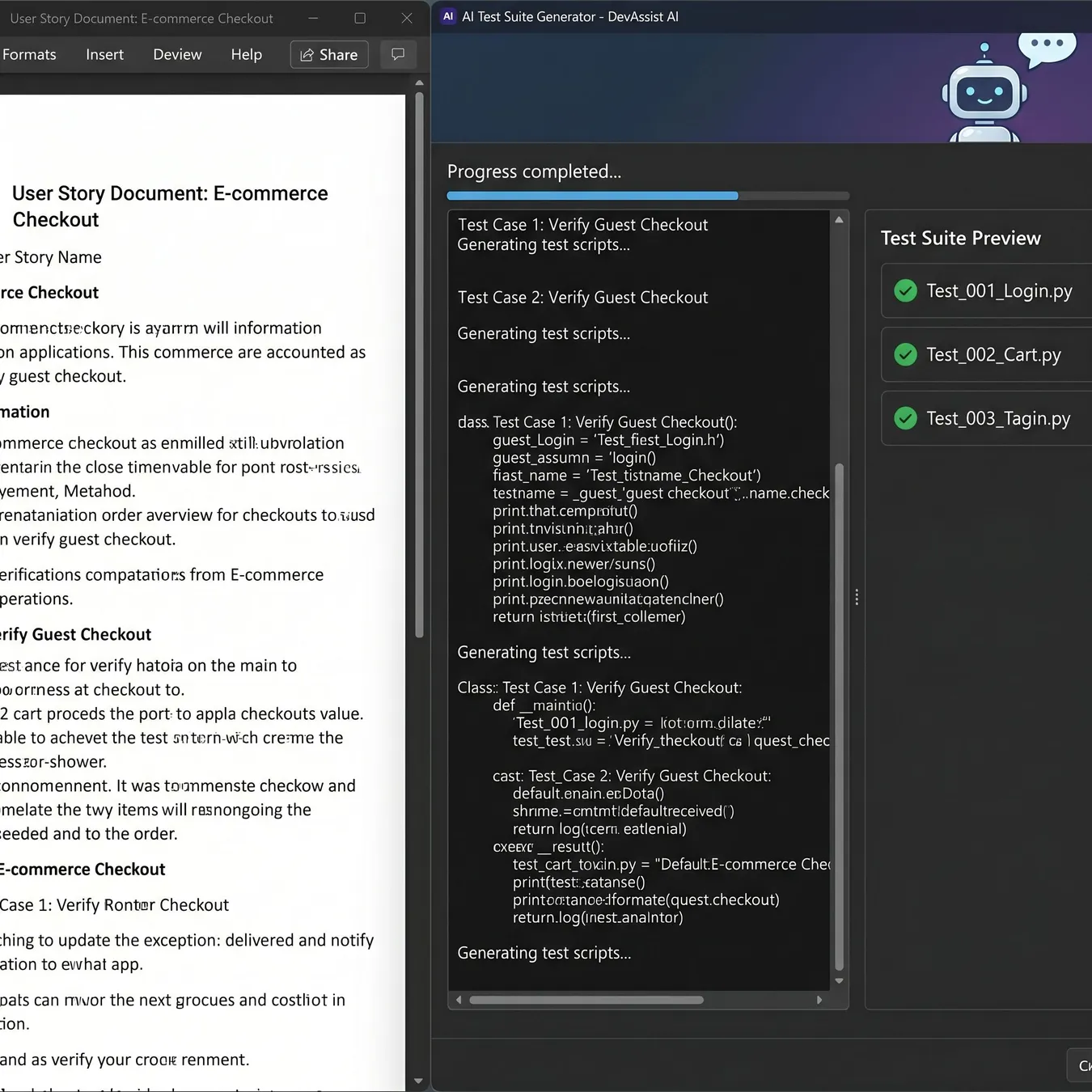
AI agents bridge the gap between requirements and executable tests.
Operationalizing Agents in Production
Once code is live, agentic systems can monitor logs and metrics. If an anomaly is detected, an agent can summarize the error and suggest a rollback.
40%
Reduction in MTTR
2.5x
Test Coverage Increase
15h/wk
Developer Time Saved
Security Considerations for Agentic Workflows
Granting an AI agent write access to a repository introduces new attack vectors. Implementing 'Least Privilege' is non-negotiable for production-grade systems.
Rotate API keys used by agents weekly
Sanitize all agent inputs and outputs
Implement human-in-the-loop for infra changes
The Future of Autonomous Engineering
By late 2026, we expect agentic swarms to handle entire feature branches, from initial ticket analysis to final deployment, with minimal human intervention.
The goal isn't just to write code faster; it's to build systems that are more resilient because the agents never sleep on monitoring.
Engineering Lead · Studio 402
Overcoming Implementation Hurdles
Many teams struggle with 'vibe-coded' agents that work in demos but fail in complex monorepos. Hardening these agents requires rigorous prompt engineering and RAG.
Managing Token Costs
Agentic loops can be expensive. Implementing caching layers and choosing smaller models for sub-tasks can optimize your operational budget.
Handling Hallucinations
Agents must be equipped with tools to verify their own work, such as running a compiler or a linter before presenting a solution.
How Studio 402 Bridges the Gap
At Studio 402, we don't just talk about AI; we build the infrastructure that makes it production-ready. We help you move beyond fragile prototypes to durable agentic systems.
Whether you need to rescue a codebase built with AI shortcuts or want to integrate advanced agents into your CI/CD, our engineering team provides the senior oversight required.
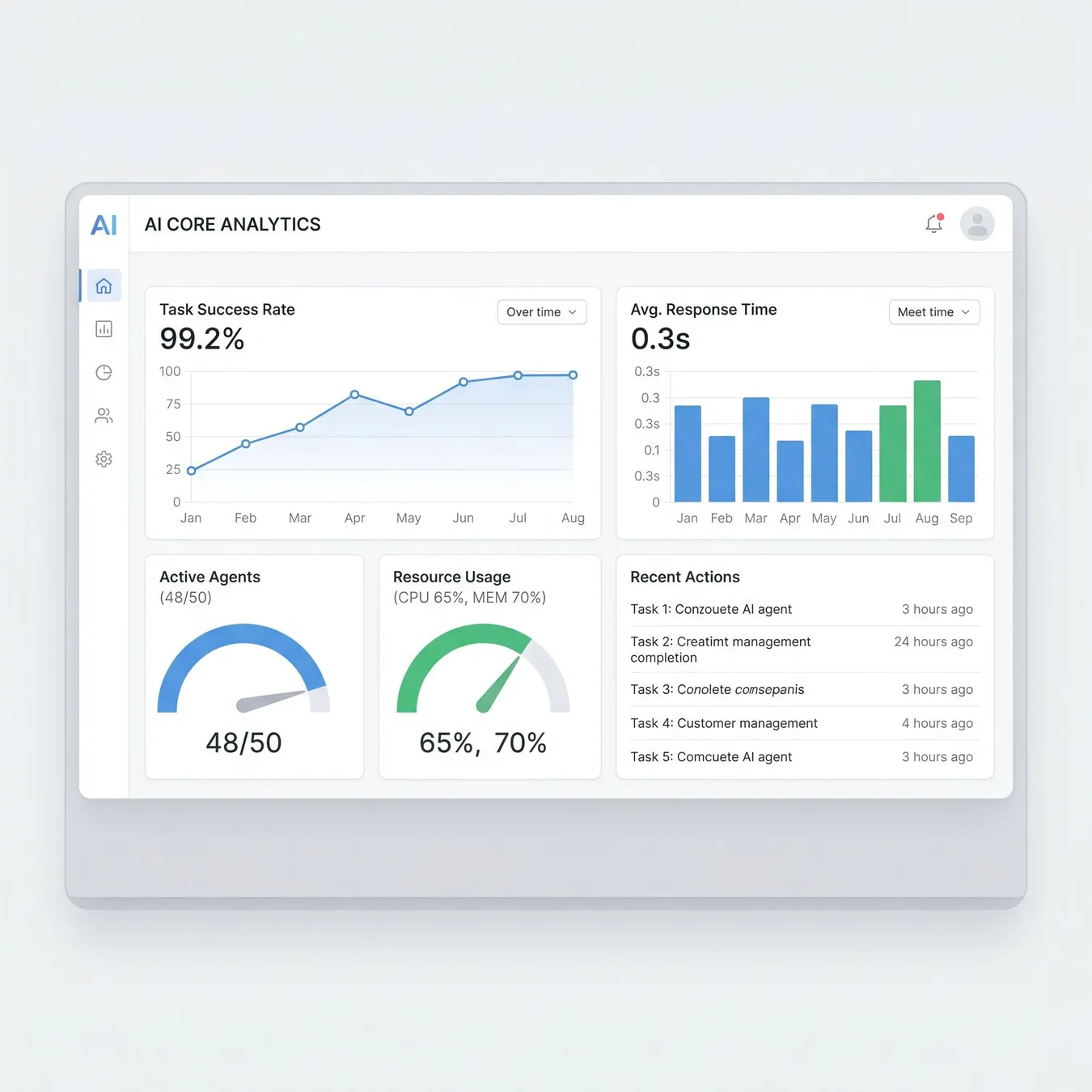
Monitoring agent efficiency.
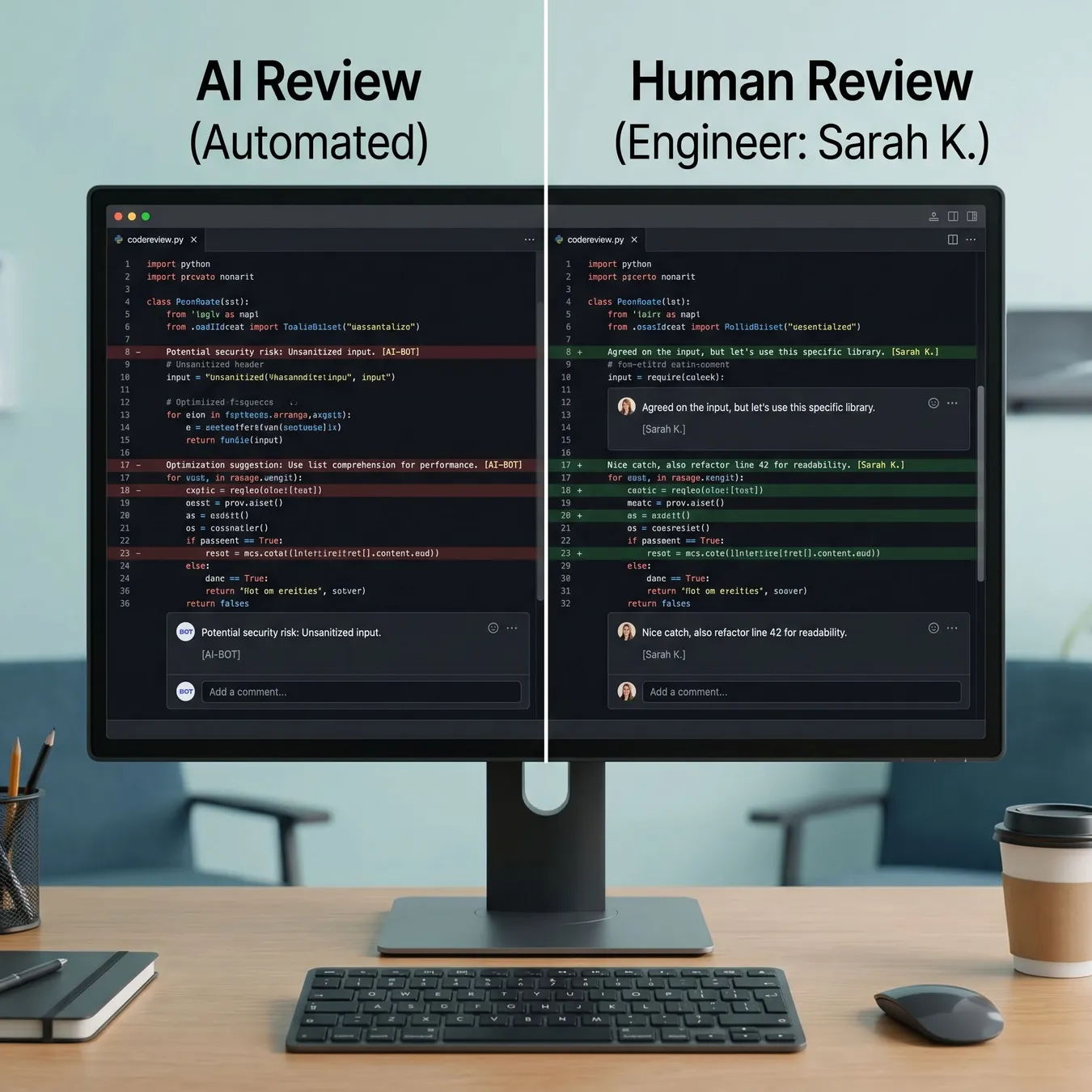
Collaborative engineering.
Frequently Asked Questions
Next Steps for Your Engineering Team
Transitioning to an AI-native workflow is a journey. It requires both the right tools and a shift in how you define engineering tasks.
Build Your AI-Native Future
Ready to harden your AI-generated code or deploy autonomous agents? Let's build a production-ready system together.
Explore More in Engineering Automation
Keep reading
More in AI-Assisted Engineering & QA
Trusted by growth-stage startups to scale engineering through AI.
Updated July 2026
For more information on our specific services, visit our hub for all things related to modern software delivery.
Final Thoughts
The integration of agentic AI is not just a trend; it is the new standard for high-velocity teams. Don't let technical debt from 'vibe-coding' hold you back.
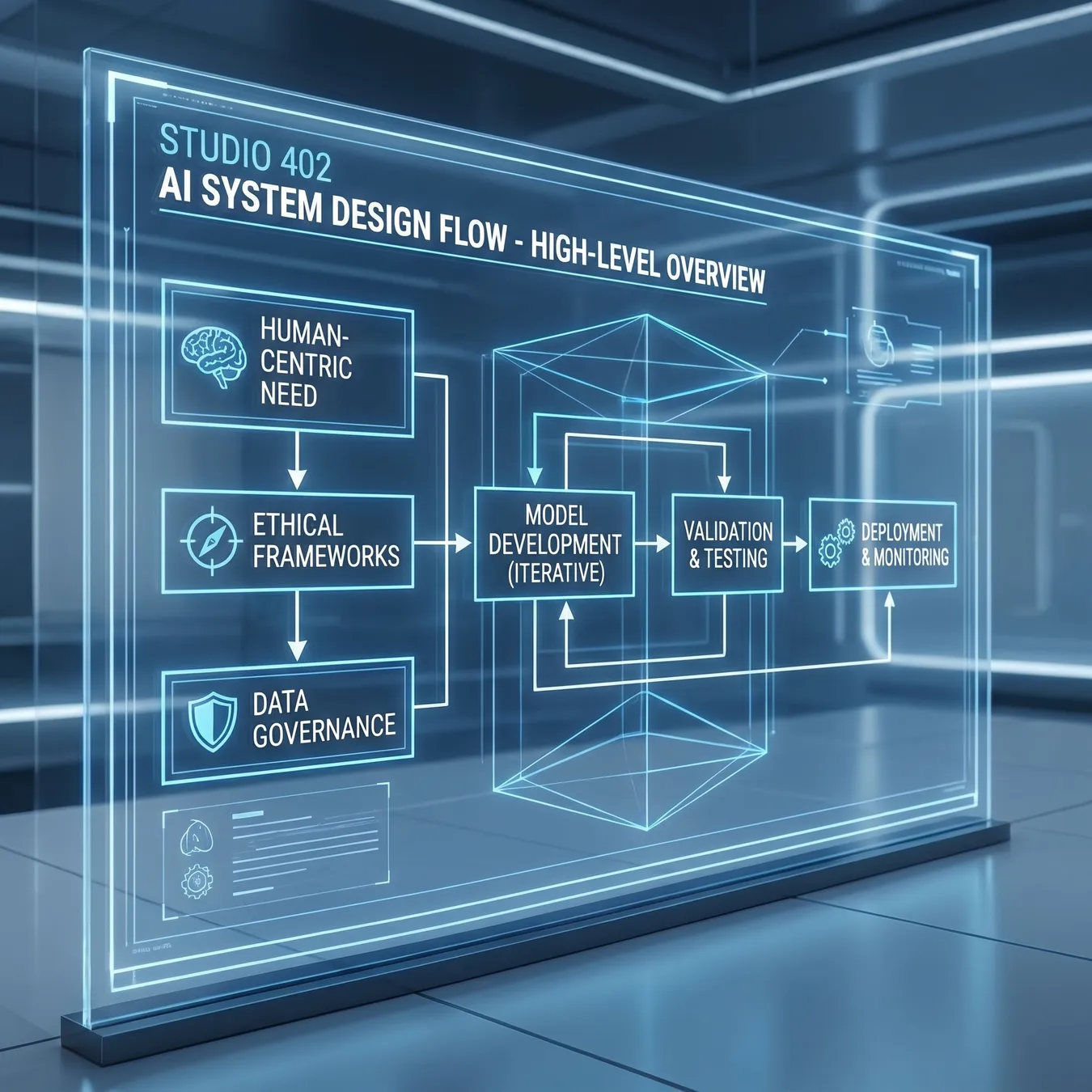
Our philosophy on AI-native engineering.
Contact us today at studio@402.studio to discuss your project.